In short:
- Choose lighter towels (around 400–500 GSM) if you live in a damp climate or have limited drying space—they dry faster and store more easily.
- Always dry towels completely before folding them away to prevent mildew and that sour, lingering smell that even washing can’t remove.
- Avoid fabric softener—it coats cotton fibres with a waxy residue that reduces absorbency and leaves towels less fluffy over time.
- Add half a cup of white vinegar to the rinse cycle every few washes to naturally soften fibres and remove detergent or mineral buildup.
- Wash bath towels after three or four uses, provided they’re hung to dry thoroughly in a well-ventilated spot between each use.
- How you dry and store towels determines how long they last—most quality cotton towels give their best for a few years of regular rotation before absorbency and softness fade.
- Rotate two or three sets so each towel rests fully dry between uses, and replace any towel that stays stiff, smells sour after washing, or sheds heavily.
Introduction
We’ve all been there—you pull a towel out of the cupboard, only to find it smells a bit musty, or worse, it’s lost that soft, fluffy feel it had when you first bought it. The truth is, how you dry and store your towels makes all the difference. It’s not just about convenience; proper care keeps them absorbent, hygienic, and lovely to use for years. Whether you’ve just invested in a new set of luxury cotton towels or you’re trying to revive old favourites, this guide will walk you through everything you need to know—no fuss, just practical advice from one towel lover to another.
What to Look for When Buying Towels with Drying and Storage in Mind
Before you even bring a towel home, a few key factors will determine how well it dries and how neatly it stores. Here’s what to consider:
- Terry towelling with a high loop density holds more water, but it also takes longer to dry. If you’re short on drying space or live in a damp climate, consider a lighter weight towel (around 400–500 GSM)—they dry faster and are easier to store.
- Weight (GSM): Grams per square meter tells you the thickness. Heavy towels (600–700 GSM) feel plush but need more air circulation to dry thoroughly. Lighter towels (300–400 GSM) are quick-drying and great for small bathrooms or low-energy laundry habits.
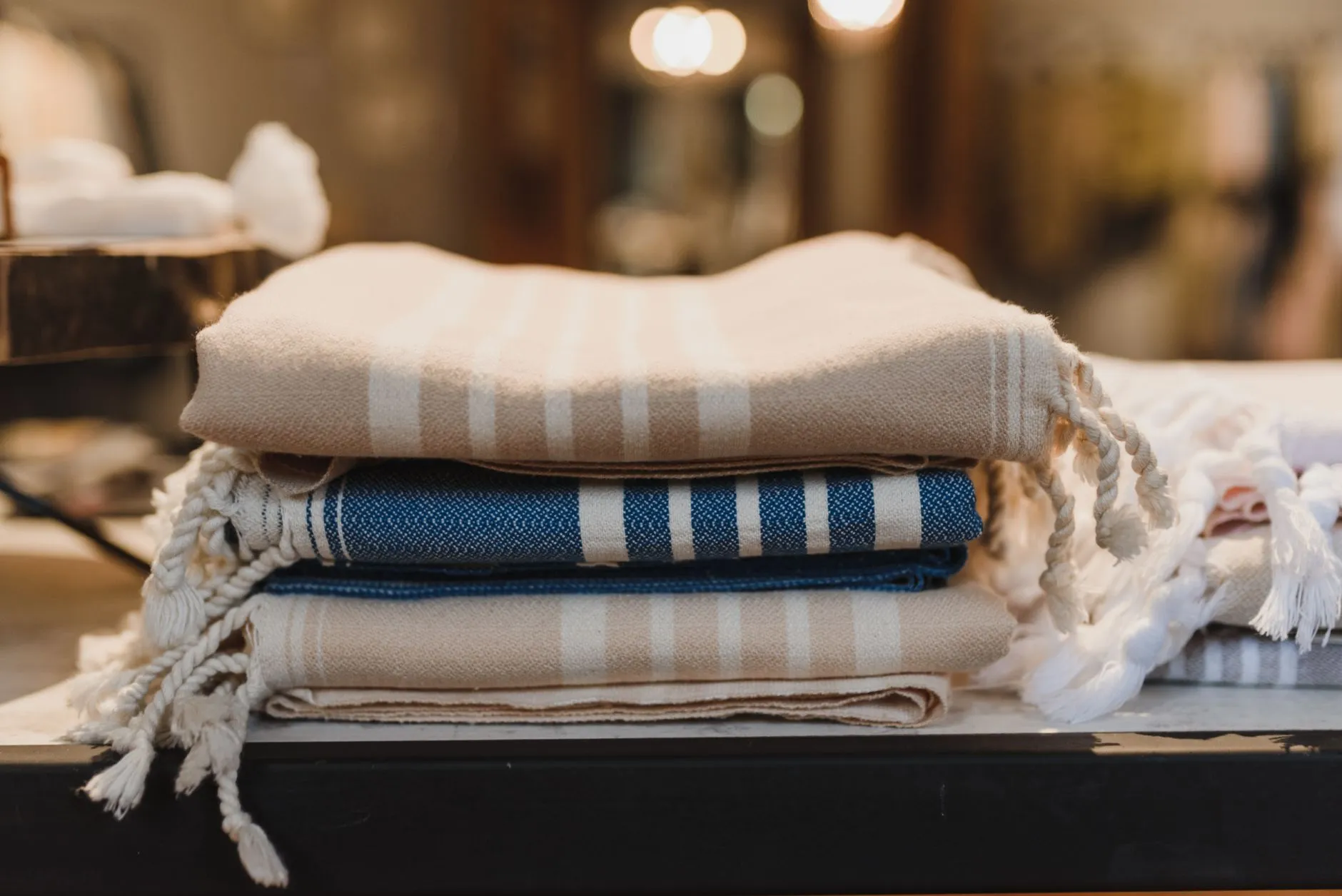
- Size and shape: Bath sheets are lovely, but they take up more space both in the cupboard and on the drying rack. Standard bath towels (around 70 x 140 cm) strike a practical balance. If you’re tight on storage, look for towels that fold flat easily, like those with a straight hem rather than fringed edges.
- Colour and maintenance: Dark towels show less wear and tear from frequent washing, but they can fade faster if you tumble dry on high heat. Lighter colours are more forgiving of detergent residue and don’t show lint as much. For storage, neutral tones blend into any linen closet.
- Pre-shrunk or not: Many cotton towels shrink on the first wash. If you’re buying online, check whether the dimensions are pre-wash or after. A towel that shrinks significantly might not hang straight or fit your storage shelf properly.
Why Getting Drying and Storage Right Really Matters
When you take the time to dry and store your towels correctly, the rewards go far beyond just a neat bathroom. First and foremost, proper drying prevents mildew and bacteria from taking hold. Nothing ruins a towel faster than that sour smell that lingers even after washing—and it’s almost always because the towel stayed damp too long. By ensuring your towels are fully bone-dry before folding them away, you keep them fresh and hygienic for every use.
You’ll also notice that towels stay softer and more absorbent. Overdrying or using fabric softener can coat the fibres with a waxy residue that repels water, but a gentle drying routine—whether that’s line drying in the shade or a low-heat tumble—preserves the natural loops. And let’s not forget the simple pleasure of wrapping yourself in a towel that feels like a warm hug rather than a scratchy board. Good storage habits, like folding towels along the same lines each time, also help maintain their shape and prevent frayed edges. Plus, a well-organised linen cupboard means you can always grab exactly what you need without rummaging—and that saves time on busy mornings.
Practical Drying Tips for Every Home
Not everyone has the same setup, so here are a few adaptable strategies. If you use a tumble dryer, opt for a low or medium heat setting and remove towels while they’re still slightly damp—this prevents over-drying, which stiffens fibres. Toss in a couple of clean tennis balls or dryer balls to fluff the loops as they tumble. For line drying, hang towels in a shaded, well-ventilated area; direct sunlight can fade colours and make cotton brittle over time. Shake each towel out before hanging to loosen the loops, and space them apart so air circulates freely. In humid climates, consider a heated towel rail or a dehumidifier in the bathroom to speed up the process.
Smart Storage Solutions
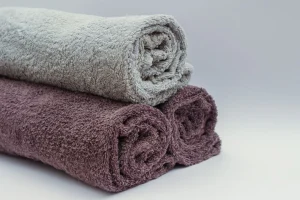
Storage isn’t just about shoving towels on a shelf—it’s about preserving their quality. Fold towels loosely rather than rolling them tightly, which can crush the loops and reduce fluffiness. Store them in a cool, dry place away from direct sunlight, and avoid plastic bins that trap moisture; breathable cotton or linen bags are a better choice. If you have limited space, try the KonMari-style vertical folding method—it lets you see every towel at a glance and keeps stacks from toppling. For guest towels, keep a small basket in the bathroom with a few neatly folded options, so they’re always ready without cluttering the main cupboard.
Ongoing Care, Lifespan and When to Replace Your Towels
Buying well and drying well gets you most of the way there, but the everyday habits in between are what decide whether a towel stays pleasant for years or turns scratchy and sour within months. Think of towel care as a loop: wash, dry, rest, store, repeat. Break any link and the whole thing degrades faster than it should.
Build a rotation instead of using one towel to death
The single most effective habit is rotation. If the same towel is used morning and night and never gets a full day to dry, its fibres stay damp at the core even when the surface feels dry. Damp cotton is exactly where that musty, sour smell begins, and once bacteria settle into the loops, no amount of detergent fully removes them. Keeping two or three towels in active rotation means each one gets a proper rest between uses. In practice, that means hanging a towel up after use, letting it air completely, and only then reaching for it again—or reaching for a different one entirely.
Wash habits that protect the fibres
Wash towels in a load of their own or with other similar-weight cottons, not with zips, hooks or heavy denim that snag loops. Use a normal amount of detergent rather than an excessive one; leftover detergent is a common cause of stiff, dull towels because it never rinses out fully. Skip fabric softener and dryer sheets for the reasons already covered, and use the vinegar rinse trick every few washes to strip residue and mineral buildup. A warm wash is generally enough for regular household soil; save hot washes for when towels have been used by someone unwell or have genuinely been through heavy use.
Drying habits that keep them soft
Over-drying is the quiet enemy of softness. Cotton fibres become brittle and stiff when they’re baked dry, and the loops flatten out. Whether you tumble or line dry, aim to stop while there’s still a hint of moisture in the fabric, then let the towel finish drying flat or on a rail. Shake it out firmly before drying—this opens the loops and is the closest thing to a free fluffing treatment. If you line dry outdoors, shade is kinder than direct sun, which fades colour and weakens fibres over time.
Storage that doesn’t undo your work
Never fold a towel that isn’t completely dry, even if it feels only faintly cool or damp. That last bit of moisture gets trapped in the stack, and the towel at the bottom of the pile is usually the first to smell. Store in a dry cupboard with a little airflow rather than a sealed plastic container, and avoid cramming shelves so tightly that air can’t move between folded towels. Rotating the stack—using the older towels at the bottom first—prevents any single towel from sitting unused for months and going stale.
How long towels actually last
There’s no universal expiry date, because lifespan depends on weight, fibre quality, how often the towel is used, and how it’s washed and dried. What you can rely on is a set of signals rather than a calendar. A well-cared-for cotton towel typically gives its best performance for a few years of regular rotation, and lighter, thinner towels tend to wear out sooner than heavier ones simply because there’s less fibre to begin with. Towels used daily by several people in a household will age faster than guest towels that come out occasionally.
Rather than counting years, watch for these signs that a towel has reached the end of its useful life:
- It stays stiff or scratchy after washing. If softening methods no longer help, the fibres have likely hardened or mineral buildup has become permanent.
- It smells sour shortly after washing. Persistent odour usually means bacteria have colonised the fibres and can’t be fully rinsed away.
- Absorbency has dropped noticeably. A towel that pushes water around instead of soaking it up has lost the loop structure that does the work.
- It sheds lint heavily. Excessive lint in the dryer filter or on your skin means the fibres are breaking down.
- Edges are fraying or the weave is thinning. Once the hem or the base fabric gives way, the towel will unravel quickly with further washing.
- It’s been repurposed for cleaning for a while. Once a towel has been demoted to rags, it’s usually past the point of returning to bathroom duty.
When a towel hits two or three of these markers, it’s time to retire it from bath use. A towel that’s merely a bit faded but still soft and absorbent is perfectly fine to keep—colour loss alone isn’t a reason to replace it. Demote worn towels to cleaning cloths, pet drying, or garage use, and bring a fresh one into the rotation. Replacing towels gradually, one or two at a time, keeps the cupboard balanced and avoids the sudden expense of swapping out an entire set at once.
A Real-Life Example: The Shared Bathroom That Always Smelled Damp
Consider a typical household: two adults and a teenager sharing one bathroom, with a single heated rail and no window. The linen cupboard sits against an outside wall and is packed tight with towels stacked flat, four or five high. Within a day or two of washing, the towels start to smell faintly sour, and by the end of the week the whole cupboard has that damp-closet odour. Nobody can work out why, since the towels go straight from the dryer into the cupboard.
Walk through the routine and the cause becomes obvious. The towels are pulled from the dryer while still warm and slightly damp, then folded immediately and stacked tightly. The warmth and residual moisture get sealed into the pile, and the cupboard—cool, enclosed and against an exterior wall—holds that moisture in. On top of that, each person uses one towel for a full week without a spare, so the towel never fully dries between showers. The bathroom itself has no window and the door stays closed, so humidity from every shower lingers in the air and soaks into the hanging towels.
The fix doesn’t require new towels or new appliances. First, the towels are left to finish drying completely—spread over the rail or a drying rack—before they’re folded and put away. Second, each person gets two towels in rotation, so one can dry fully while the other is in use. Third, the cupboard is decluttered so air can move between the stacks, and a small gap is left between the folded piles rather than compressing them. Fourth, the bathroom door is left open after showers and the extractor fan runs a little longer, so the room itself dries out.
The result is predictable but satisfying: the sour smell disappears within a wash cycle or two, the towels feel softer because they’re no longer being dried twice, and the cupboard stops smelling like a damp basement. Nothing was replaced, nothing expensive was bought—the routine simply stopped trapping moisture at every stage. That’s the pattern worth remembering: most towel problems aren’t about the towel, they’re about water that never got the chance to leave.
The same logic applies to a guest room or a rental property. A stack of towels left folded in a closed cupboard for weeks will pick up a stale smell even if it was perfectly clean when stored. Airing them briefly before guests arrive, and storing them loosely rather than compressed, keeps them fresh for the next use.
FAQ
Should I use fabric softener on my towels?
Honestly, no—it’s best to avoid it. Fabric softener coats the cotton fibres with a thin layer of wax or silicone, which reduces absorbency. Over time, your towels will feel less fluffy and become less effective at drying you. Instead, add half a cup of white vinegar to the rinse cycle every few washes—it naturally softens the fibres and removes any lingering detergent or mineral buildup. Your towels will come out softer and more absorbent than ever.
How often should I wash towels?
For most people, washing bath towels after three or four uses is plenty, as long as you let them dry thoroughly between each use. If you hang them up in a well-ventilated spot, they’ll stay fresh longer. But if you notice any mustiness or the towel starts to smell before that, wash it sooner—better safe than sorry. Hand towels and guest towels should be swapped out more often, every couple of days, especially if they get damp regularly.
Is it better to hang towels or fold them for storage?
It depends on your space and how quickly you go through towels. Hanging keeps them aired and wrinkle-free, which is brilliant for towels you use daily—just make sure they’re completely dry before you put them on the rail. For long-term storage, folding is more efficient and saves shelf space. The key is to fold them so the loops aren’t crushed—a loose fold works better than a tight roll. And always store them in a cool, dry place away from direct sunlight to prevent fading and brittleness.
Can I revive towels that already smell musty?
Yes, in most cases. Wash them on a warm cycle with your usual detergent and add half a cup of white vinegar to the rinse. If the smell persists, run them through again without detergent, using only vinegar, and make sure they dry completely—ideally in fresh air and sunlight if you have it, since UV light helps kill odour-causing bacteria. If a towel still smells sour after two proper washes and a full dry, the bacteria have likely worked too deep into the fibres, and it’s time to retire it.
How do I stop towels from going stiff?
Stiffness usually comes from three things: over-drying, too much detergent, or fabric softener residue. Dry towels until just barely damp and let them finish naturally, use the recommended amount of detergent rather than a generous pour, and skip softener entirely. A vinegar rinse every few washes also helps dissolve the mineral and detergent film that makes fibres feel rough.
Does the way I fold towels really matter?
It matters more than most people expect. Tight folds and rolls compress the loops, and compressed loops don’t spring back as well, which is why a tightly rolled towel can feel flatter than a loosely folded one. Folding along the same lines each time also keeps the shape consistent and reduces stress on the hems, so the towel lasts longer before the edges start to fray.
Should towels be stored in the bathroom or elsewhere?
If your bathroom is well ventilated and dries out fully between showers, storing towels there is fine. If it’s small, windowless or stays humid, a linen cupboard in a drier part of the home is a better choice. Wherever you store them, the essentials are the same: cool, dry, out of direct sunlight, and with enough airflow that moisture never gets trapped in the stack.
The Bottom Line
Great towels aren’t the result of one clever trick—they’re the product of a routine that never traps moisture. Dry them completely before they go anywhere near a shelf, give each towel time to rest between uses, skip the softener, and keep your storage airy rather than airtight. Do those things and your towels will stay soft, absorbent and fresh far longer, which means fewer replacements and a linen cupboard that always smells clean.
If you’re at the point of replacing worn-out towels or adding a spare set to your rotation, it’s worth choosing with drying and storage in mind from the start. Our guide to what makes bath towels high quality walks through the GSM, fibre and weave choices that suit different homes and habits.
To choose the right model : Cotton bathrobes for women: how to choose the best
Sources
- International Association for Soaps, Detergents and Maintenance Products (A.I.S.E.)
- Centers for Disease Control and Prevention (CDC) — guidance on laundry and hygiene
- National Health Service (NHS) — household hygiene and laundry advice
Full guide :Home Linens
More from this guide :
Was this guide helpful?
Share your experience with the WiseHomeGuides community.