In short :
- Yes, an air fryer makes a genuinely good hot dog — fast, browned, and juicy, with none of the boiling-water fuss.
- Score each dog with shallow slits first, then cook at 400°F (200°C) for 6 to 10 minutes.
- Keep them in a single layer and flip once halfway through.
- Frozen dogs work too — no thawing needed, just add a few extra minutes.
- Skip wet batters, loose cheese, leafy greens, dry bread, and foil in the basket.
Can a countertop appliance that mostly reheats fries really turn out a decent hot dog? Yes — and in some ways it beats boiling, pan-frying, or grilling for a quick weeknight fix. An air fryer circulates very hot air around the food, so a hot dog cooks fast, browns on the outside, and stays juicy inside without a pot of water or a spattering pan. The catch is knowing the right temperature, the right timing, and a couple of small tricks that keep the casing from splitting. Get those right and you have a hot dog with a lightly crisp skin and a warm, snappy bite in under ten minutes — start to finish, no babysitting.
Why hot dogs work so well in an air fryer
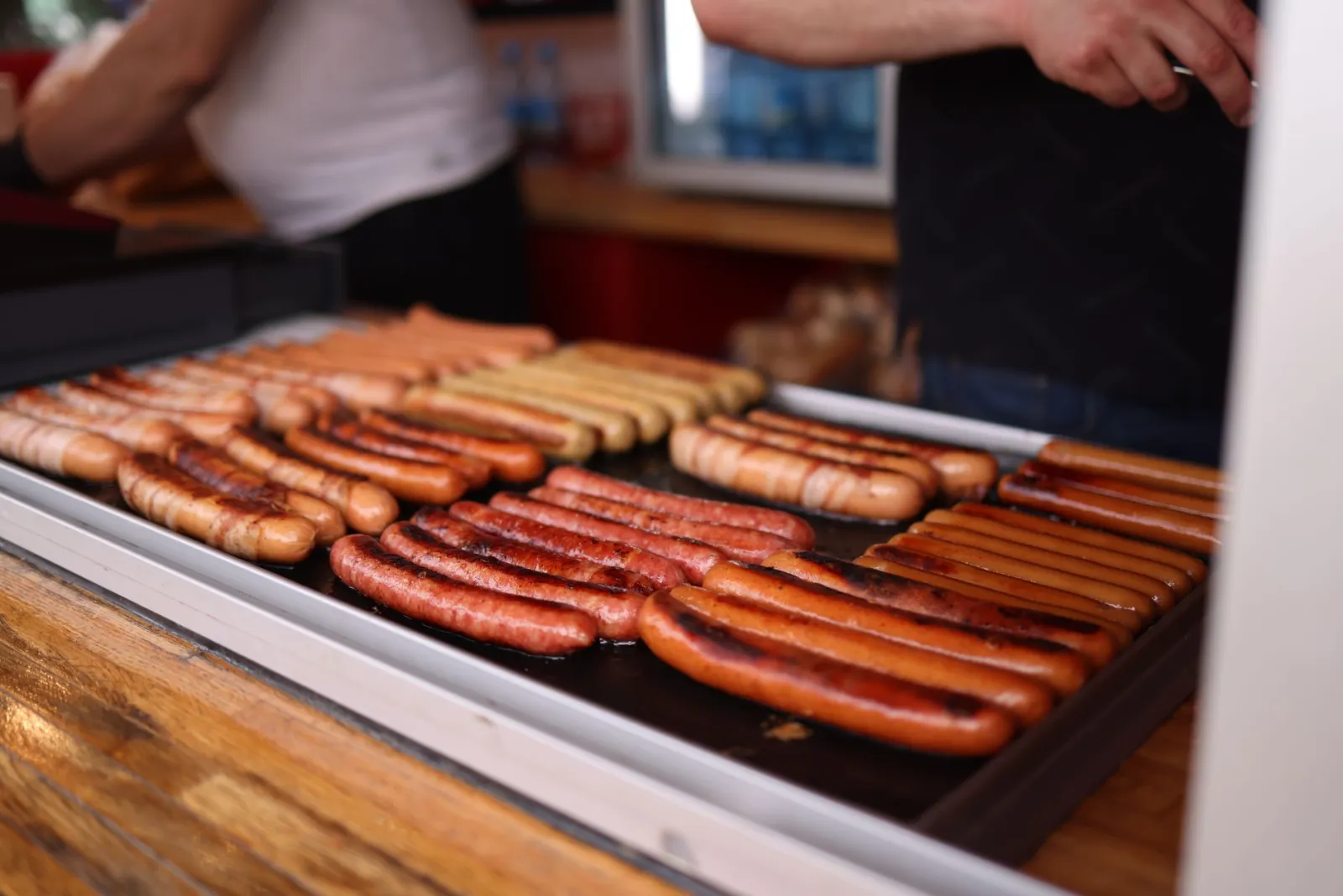
A hot dog is already cooked when you buy it. You are not cooking it from raw; you are heating it through and adding texture. That is exactly what an air fryer does best. The moving hot air dries the surface slightly and creates a bit of browning, which gives you that pleasant snap instead of the pale, waterlogged look you get from a pot of boiling water.
Think about the difference at a backyard cookout. A grilled dog has char and a firm skin; a boiled one is soft and uniform. The air fryer lands closer to the grilled end of that spectrum, and it does it indoors with no cleanup beyond a basket rinse. For anyone feeding a family on a tight schedule, that is a real advantage.
There is one practical case worth picturing: you get home late, the kids are hungry, and you have a pack of hot dogs and buns in the fridge. Instead of boiling water and watching a pot, you score the dogs, drop them in a single layer, and set a timer. By the time the buns are warmed and the toppings are out, the hot dogs are done. That reliability is why the method has caught on.
Exact temperatures and times that actually work
Precision matters more here than with a pot of water, because air fryers vary in power and basket size. Treat these as your starting points and adjust after the first batch.
| Starting point | Temperature | Time | What to expect |
|---|---|---|---|
| Fridge-cold hot dogs | 400°F (200°C) | 6–8 minutes | Evenly heated, lightly browned skin |
| Frozen hot dogs | 400°F (200°C) | 8–10 minutes | No thawing needed; flip at the halfway mark |
| Thick or jumbo sausages | 380°F (190°C) | 10–12 minutes | Slightly lower heat prevents a burnt outside and cold center |
Two habits make the biggest difference. First, arrange the hot dogs in a single layer with a little space between them — crowding steams them instead of browning them. Second, flip them over around the halfway point so both sides get color. A pair of tongs is all you need.
Here is a concrete example of why the flip matters: if you lay four hot dogs side by side and never turn them, the tops brown while the undersides stay pale and soft, and the whole thing heats unevenly. One quick turn at the five-minute mark fixes that completely.
Score them before they go in
Cut three or four shallow diagonal slits into each hot dog before cooking. This does two things: it stops the casing from bursting open as the inside expands, and it lets a little heat escape so the dog stays intact. It takes ten seconds and saves you from split, ugly results. If you plan to load them with toppings, the slits also help the toppings sit better.
Frozen versus fresh: what changes
You do not need to thaw hot dogs before air frying. Straight from the freezer works fine — just add a couple of minutes and expect a slightly firmer skin. This is genuinely useful when you keep a pack in the freezer for emergencies.
Fresh, fridge-cold hot dogs cook faster and brown a touch more evenly because there is less cold mass to push through. Neither approach is “better”; they simply call for different timing. The table above covers both.
One real-life scenario: a household that buys hot dogs in bulk and freezes half the pack. Those frozen ones go straight into the basket at 400°F for about 9 minutes with a flip halfway, and they come out indistinguishable from the fresh batch. No defrosting step, no planning ahead.
What not to put in the basket with them
Air fryers are versatile, but a few things cause trouble — either they make a mess, burn, or release unpleasant fumes. Keep hot dogs away from these:
- Wet batters and loose cheese: they drip through the basket and burn onto the element.
- Leafy greens: they fly around and scorch in seconds.
- Very light, dry items like plain bread: they can burn before the center warms.
- Anything in a sealed casing or foil: pressure builds and it can pop.
- Large quantities of liquid or sauce: it splatters and smokes.
For hot dogs specifically, the risk is minimal. Just avoid piling wet toppings like heavy sauce directly in the basket — add them after cooking, on the bun, not during.
FAQ
Are hot dogs in an air fryer good?
Yes. They heat quickly, brown on the outside, and stay juicy inside, with a lightly crisp skin that is closer to grilled than boiled. The main requirement is not overcrowding the basket and flipping halfway through.
What is the best way to cook frozen hot dogs?
Skip the thawing. Score each hot dog with a few shallow slits, place them in a single layer at 400°F (200°C), and cook for 8 to 10 minutes, turning them over at the halfway mark. They come out evenly heated with a firm, snappy skin.
Can you cook straight from frozen in an air fryer?
Yes, and hot dogs are a good example. Frozen foods generally need a few extra minutes compared with fresh, and a flip partway through helps them cook evenly. There is no need to defrost first.
What 5 foods should you not put in an air fryer?
Wet batters, loose shredded cheese, leafy greens, plain dry bread, and anything sealed in foil or a tight casing. Each either drips, burns, or builds pressure — none of which you want near a hot element.
The bottom line
So, are hot dogs in an air fryer good? For a fast, low-mess, evenly browned result, they are excellent — arguably the easiest way to get a hot dog with real texture at home. Score them, keep them in a single layer, cook at 400°F for 6 to 10 minutes depending on whether they are fresh or frozen, and flip once. That is the whole method.
If you want to go further — buns, toppings, timing for a crowd, and how to adapt the method to different appliances — a more complete guide on air fryer hot dogs covers the full picture. For tonight, the short version above is all you need.
Was this guide helpful?
Share your experience with the WiseHomeGuides community.