This article contains Amazon affiliate links. As an Amazon Associate we earn from qualifying purchases.
In short :
- Self-watering troughs win if you travel or forget to water — they can go five to fourteen days between refills.
- Railing planters and stackable towers give you way more plants when floor space is tight.
- Go big and floor-standing if you want screening, shade or fruit, but accept the weight.
- If your balcony doubles as a living room, a decorative pot with a saucer is worth the trade-off.
- Buy for drainage first, size second, looks third — and start with one or two pots, not a full overhaul.
Last updated 2026-10-08
? As an Amazon Associate I earn from qualifying purchases. This article contains Amazon affiliate links.
A balcony planter is a container that holds growing medium and plants in an outdoor space with limited floor area. It is usually made from plastic, resin, fibreglass, wood, metal, terracotta, concrete or fabric. Balcony planters matter because most balconies have no soil at all: everything a plant needs — water, nutrients, root space and drainage — has to come from the pot and from you.
There are three main families: floor-standing planters, railing-mounted planters and self-watering planters. Within those families you will find troughs, towers, hanging baskets, grow bags and decorative pots. Choosing well comes down to seven criteria: volume, weight when filled, drainage, watering autonomy, wind resistance, frost resistance and how the pot looks on your balcony.
This guide compares five planter types that cover almost every balcony situation. No brands, no prices — just the trade-offs so you can pick with confidence. If you want to browse live options while you read, start here: balcony planter options.
1. Self-Watering Rectangular Trough Planter
Product type: A rectangular plastic or resin trough with an internal water reservoir below a false floor, plus a wick, capillary mat or soil column that draws moisture up into the potting mix.
Why it’s best: It gives you the longest gap between waterings of any planter type. Depending on reservoir size, weather and plant size, you can go five to fourteen days without touching a watering can. That matters on hot, windy balconies where ordinary pots can dry out twice a day in July. The reservoir also stops water pouring onto the balcony below, which is a real problem in apartment buildings. Steady moisture suits tomatoes, peppers, herbs, geraniums and fuchsias particularly well.
Ideal user profile: Commuters, frequent travellers, people with south- or west-facing balconies, and anyone who has lost plants to forgotten watering. Also a good choice for renters who want a tidy, low-mess setup.
Watch out for: A permanently full reservoir in cool, cloudy weather is the classic cause of root rot — let it run low between refills. Open reservoirs can attract mosquitoes, so look for a covered filler or add a fine mesh. These troughs are heavier than they look when full, and salt and fertiliser residue builds up over a season, so flush the soil occasionally.
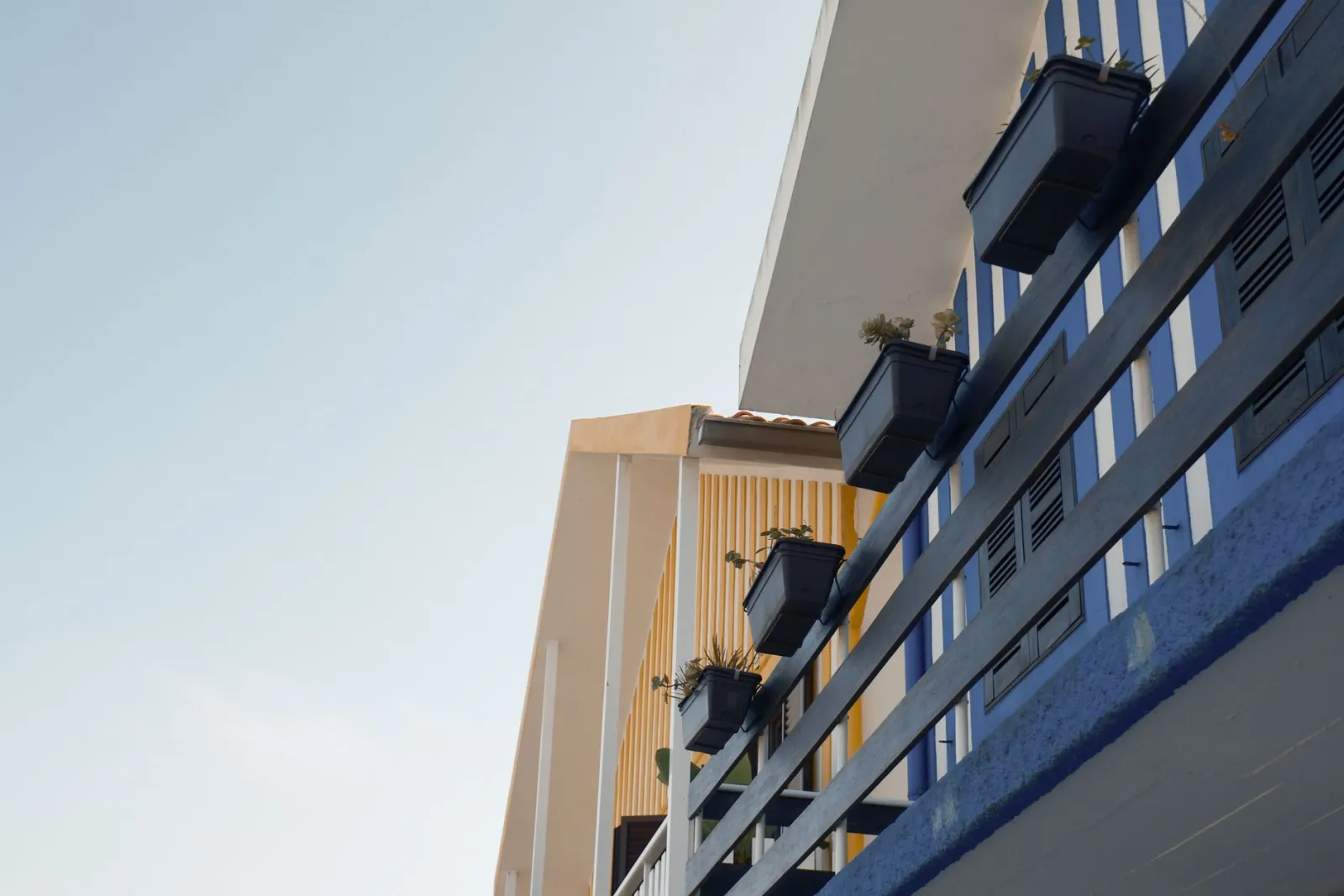
2. Railing-Mounted or Over-Balcony Planter
Product type: A box, basket or trough that hooks over, clamps onto or straps to a balcony railing, usually with adjustable brackets to fit different rail widths.
Why it’s best: It converts unused vertical space into growing space. On a two-square-metre balcony, a railing planter can double your planting area without taking a single centimetre of floor. Plants sit at eye level, which makes trailing species — ivy, trailing lobelia, petunias, nasturtiums — far more visible than they would be on the ground. It also keeps the floor clear for a chair or a small table.
Ideal user profile: Renters who cannot drill into walls, owners of very small balconies, city dwellers with one railing and no floor space, and anyone who wants colour at eye level rather than ankle level.
Watch out for: Weight limits. A wet railing planter can be surprisingly heavy and can bend or loosen a lightweight railing. Wind is the second issue: an unsecured box can swing, rattle or fall, so use ties or brackets rated for the load. Check your building’s rules about items projecting beyond the balcony edge, and remember that water drains downward — onto the balcony below, if you are unlucky.
Browse railing and hanging styles here: railing and hanging balcony planters.
3. Tall Floor-Standing Planter (Large Volume)
Product type: A floor-standing pot or trough of roughly 40 to 100+ litres, square, round or rectangular, with drainage holes and often a saucer, riser feet or an integrated water tray.
Why it’s best: Volume solves most container problems at once. Big pots hold more water, buffer temperature swings, keep roots cooler in summer and support substantial plants: shrubs, small trees, bamboo screening, climbing supports, blueberries and full-size tomato plants. A pair of tall planters flanking a balcony door also creates instant privacy and frames the space like furniture.
Ideal user profile: People who want privacy screening on an overlooked balcony, gardeners growing fruiting plants rather than just flowers, and anyone prepared to water deeply but less often.
Watch out for: Weight. Wet potting mix is heavy, and a large planter plus soil plus plant can exceed what a balcony is designed to carry when concentrated in one spot. Spread load with pot feet or a board, and check your building’s limits. Tall pots are also top-heavy in wind, so choose wide bases or add weight low down. Expect to use more soil and more fertiliser.
4. Stackable Vertical or Tiered Tower Planter
Product type: Interlocking modules, tiered rings or pocket-style wall planters that stack upward from a single base footprint.
Why it’s best: It delivers the highest yield per square metre of any option here. A tower with five tiers can hold dozens of herb, salad or strawberry plants in the footprint of one ordinary pot. Most models are light, so they can be moved, rotated or taken indoors at the end of the season. They are also the cheapest way to grow a lot of edible plants in a very small space.
Ideal user profile: Kitchen gardeners with a tiny balcony, renters who want a movable setup, herb growers, and anyone growing strawberries, lettuce, rocket or trailing flowers.
Watch out for: Water behaves differently at each level. Top tiers dry out fastest and get the most light; bottom tiers stay damp and get the least. Rotate the tower regularly and water slowly so moisture reaches the lower modules. Tall stacks can become unstable in wind, especially cheap lightweight units, so anchor them or keep them against a wall.
5. Decorative Ceramic, Resin or Fabric Planter with Saucer
Product type: A single round or square decorative pot with a drainage hole and a matching saucer, made from glazed ceramic, stoneware, lightweight resin or fabric grow-bag material.
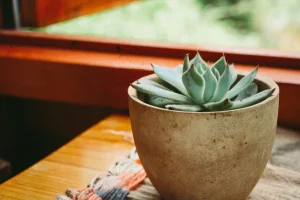
Why it’s best: On a balcony, the pot is furniture as much as it is gardening equipment. A well-chosen decorative planter turns a functional container into part of the design, which matters when the balcony is also your outdoor living room. Fabric versions air-prune roots and prevent the circling that plagues plastic pots, while resin versions give a ceramic look at a fraction of the weight.
Ideal user profile: Design-conscious owners, small specimen plants such as citrus, olive, bay or ornamental grasses, and anyone who wants a single beautiful pot beside a kitchen door or a bistro table.
Watch out for: Glazed ceramic is heavy and can crack in a hard frost; fabric dries out fast and needs frequent watering; dark-coloured pots absorb heat and dry out sooner in full sun. Always empty the saucer after watering so roots never sit in standing water.
See decorative and mixed-material options here: decorative balcony planters.
| Planter type | Best for | Ideal user | Watering need | Main drawback |
|---|---|---|---|---|
| Self-watering trough | Low-maintenance watering | Commuters, travellers | Very low | Root rot if reservoir stays full |
| Railing-mounted planter | Tiny balconies, vertical space | Renters, no-drill setups | Medium | Weight and wind on the railing |
| Tall floor-standing planter | Shrubs, screening, fruiting plants | Privacy seekers, serious growers | Medium (deep, less often) | Very heavy when filled |
| Stackable tower planter | Maximum plants per square metre | Kitchen gardeners, small spaces | High, uneven per tier | Tiers dry at different rates |
| Decorative pot with saucer | Aesthetics, specimen plants | Design-led owners | High | Heavy, frost-sensitive or fast-drying |
Quick Selection Guide
- Measure first. Note the railing width, the floor area you can spare, and how many hours of direct sun the spot gets.
- Match volume to plant. Herbs and lettuce: 5–10 litres. Tomatoes, peppers, chillies: 20–30 litres. Shrubs and small trees: 40 litres and up.
- Decide your watering reality. If you are away often, choose self-watering. If you water daily anyway, a standard pot with a saucer is simpler and cheaper.
- Check the wet weight. Wet potting mix is roughly twice the weight of dry mix. Add pot, plant and water before you place it on a balcony floor or railing.
- Drainage is not optional. No drainage hole means root rot. Use a saucer, and empty it.
- Plan for wind. Choose wide, low, heavy-based pots, avoid top-heavy stacks, and secure anything mounted on a railing.
- Choose material by climate. Resin and plastic: light, cheap, UV-sensitive. Wood: insulates roots but rots. Terracotta: breathes beautifully but cracks in frost. Fabric: air-prunes roots but dries fast.
- Add the small extras. Saucers, pot feet or risers, a trellis, a drip tray, and a layer of mulch to slow evaporation.
Ready to compare sizes and styles side by side? Browse balcony planters on Amazon.
Frequently Asked Questions
What type of planter is best for a balcony?
It depends on space and watering habits. Self-watering troughs are best if you want low-maintenance watering. Railing-mounted planters are best for very small balconies with no floor space. Large floor-standing planters are best for shrubs, screening and fruiting plants. For a single decorative statement, a ceramic or resin pot with a saucer works well.
What are the planter trends for 2026?
Self-watering systems with visible water-level indicators, lightweight recycled resin and composite materials, matte earth-tone finishes, modular vertical towers, fabric grow bags for vegetables, pots with built-in wheels and handles, integrated trellis and privacy screens, and drought-tolerant planting with Mediterranean herbs and ornamental grasses.
What is the most common mistake with container plants?
Overwatering, and using containers without drainage holes. Other frequent errors: choosing a pot that is too small, watering a little and often instead of deeply and less often, and filling pots with garden soil instead of a free-draining potting mix.
What are the downsides of self-watering pots?
Root rot if the reservoir stays full in cool weather, mosquitoes breeding in open reservoirs, extra weight, a higher purchase cost, salt and fertiliser build-up that is harder to flush out, and in some designs shallower rooting because plants learn to drink from the reservoir rather than growing deep roots.
Conclusion
There is no single best balcony planter — there is only the planter that matches your space, your plants and your watering habits. If you travel or forget to water, a self-watering trough earns its place. If every centimetre counts, a railing planter or a stackable tower gives you far more plants for the same footprint. If you want screening, shade or fruit, invest in a large floor-standing planter and accept the weight. If the balcony is also your living room, a beautiful decorative pot with a saucer is worth the compromise on water retention.
Start with one or two planters rather than a full balcony overhaul. Live with them for a season, see how fast they dry out and how they handle wind, then expand. Whichever route you take, buy for drainage first, size second and looks third — and your balcony will reward you for years.
Written by our editorial team, home specialists since 2015. Learn more.