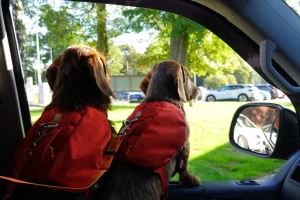

Short answer :The best dog names are short, easy to say, and distinct enough that your dog can tell them apart from everyday words and commands. Choose a name with clear vowels and one or two syllables, since these tend to carry well when you call your dog across a park or from another room. Avoid names that sound like common cues such as sit, stay, or no, so training stays clear. Test the name out loud in different tones, and pick something you will be comfortable saying every day for years. The right name fits your dog’s personality and your household, and it should feel natural whether you are greeting your dog at the door or calling them back from a distance.
In short
- Pick a name of one or two syllables with strong vowels so it carries clearly outdoors.
- Avoid names that sound like everyday commands such as sit, stay, down, or no.
- Say the name aloud in a cheerful and a firm tone before committing to it.
- Choose a name everyone in the household can pronounce and spell the same way.
- Skip names that are too common in your local area to avoid confusion at the park.
How to Choose the Best Dog Name

Choosing the best dog name comes down to a handful of practical criteria rather than finding a word that sounds clever in isolation. The name has to work in the situations where you’ll actually use it: calling your dog across a park, getting their attention at the door, or settling them when they’re distracted. A name that’s easy to say in a raised voice, short enough to repeat quickly, and distinct from the commands you’ll use every day will serve you far better than something elaborate that only looks good written down.
Length and sound matter more than most people expect. Names of one or two syllables tend to cut through background noise and are simple to say repeatedly, which is why so many working and training-focused names are short. Hard consonants at the start, like a crisp K or T sound, give the name a clear edge that carries across a room or a yard. Names that end in a vowel often feel warm and easy to call, while names that sound like common cues, such as a name that rhymes with “sit” or “no,” can create confusion during training. Test your shortlist out loud, shouted from another room, before committing.
Think about the dog in front of you, not just the name you like. Appearance is the obvious starting point, since a name that reflects your dog’s colour, size, or markings is easy to remember and feels natural to say. But temperament and personality often make a better fit: a calm, steady dog may suit a grounded name, while an energetic, curious one may match something livelier. If you’re bringing home a puppy, remember that the name will follow them into adulthood, so a name that feels cute for a tiny puppy should still sound right for a full-grown dog.
Practicality deserves real weight. Consider how the name sounds alongside your household’s other names, including family members and any other pets, since names that are too similar make recall harder for everyone. If you plan to use the dog’s name in public or at a training class, choose something you won’t mind repeating to strangers. Names that are easy to spell and pronounce also save time at the vet’s office and on paperwork, and they reduce the chance of nicknames drifting into something you didn’t intend.
Finally, give yourself room to try names on before deciding. Say your favourites in everyday contexts, pair them with common cues, and notice which ones feel natural and which start to wear thin. A good dog name is one you’ll say hundreds of times without hesitation, that your dog can learn quickly, and that fits the life you’ll actually share. When a name passes those tests, it’s the right one.
Names That Suit Your Dog’s Personality
Choosing a name that fits your dog’s personality starts with observation rather than wishful thinking. Before you settle on anything, spend a few days watching how your dog moves through the world: whether they greet strangers with a full-body wiggle or hang back and assess, whether they patrol the yard with purpose or drift from scent to scent, whether they vocalize constantly or stay mostly quiet. These behavioral patterns are the raw material for a name that will feel accurate for years, not just cute for a week.
For high-energy, outgoing dogs, short names with hard consonants tend to land well. A dog who launches into every greeting and treats the whole neighborhood as a personal fan club reads naturally as something crisp and punchy, with one or two syllables and a strong opening sound. Names like this are also easier to call across a park, which matters more than people expect. Reserve the longer, softer, multi-syllable names for dogs whose temperament is calmer and more deliberate, since a flowing name tends to mirror a relaxed, unhurried way of moving.
Shy, reserved, or watchful dogs benefit from names that sound gentle and rounded rather than sharp or commanding. If your dog startles at sudden noises or takes time to warm up to visitors, a name with soft vowels and a quiet rhythm fits the animal you actually have instead of the bold extrovert you might have imagined. This isn’t about being precious; it’s about a name that matches the dog’s everyday demeanor so that calling it doesn’t feel like a mismatch every time.
Working and herding types often show a focused, task-oriented streak, and their names can reflect that seriousness. A dog who stares intently at a ball, herds children around the yard, or insists on carrying something in their mouth tends to suit a name with a bit of weight and dignity. Conversely, a dog who is mostly a professional napper and social butterfly reads better with something playful and light. Match the register of the name to the register of the dog’s daily behavior.
Finally, personality can shift with context, so test the name out loud in the situations where you’ll actually use it. Say it as a recall, as a greeting, and in a calm moment, and notice whether it feels right in each. If a name only works when your dog is being adorable and feels awkward when you need their attention, it’s probably the wrong fit. The best names are the ones that stay true across the full range of your dog’s moods.
Short Names vs Long Names Explained
Short names tend to work best for everyday use, because they are quick to say and easy for a dog to recognize. A name of one or two syllables, such as a crisp single-sound word, cuts through background noise and carries well across a park or a room. When you call a dog repeatedly—during recall practice, at the door, or to interrupt unwanted behavior—brevity matters. Short names also reduce the chance of the name blurring into the rest of your sentence, so the dog hears a distinct cue rather than a stream of sound. For households with children, or for anyone who will be giving frequent commands, a short name is usually the more practical choice.
Longer names, by contrast, offer room for personality and distinctiveness. A three- or four-syllable name stands out from common words and from other dogs at the park, which helps when several animals share a similar short nickname. Long names suit owners who enjoy the sound of the name and who mostly use it in calm, close-range situations rather than shouting it at distance. They can also carry a pleasing rhythm that makes the name memorable to humans, which matters if you want friends, family, or a sitter to remember and use it correctly.
The practical middle ground is to choose a full name you love and pair it with a short call name for daily use. Many owners register or introduce a longer formal name but train a clipped version for recalls and commands. This gives you the character of a long name without sacrificing the clarity of a short one. The key is consistency: decide early which version is the actual cue, and use that version every time you want the dog’s attention, so the two forms do not compete.
Consider how the name sounds when spoken quickly and at a distance. Names ending in a hard consonant or a bright vowel tend to carry better than soft, trailing sounds, and names that begin with a distinct consonant are easier to pick out from background noise. Avoid names that sound close to common commands or to other names in the household, since a long name that rhymes with a cue can create confusion. Test the name aloud in the situations you actually expect—calling from another room, across a yard, or in a busy setting—and notice whether it stays clear.
Finally, match length to your lifestyle and the dog’s role. A working or highly active dog that will be called often benefits from a short, punchy name. A companion dog living in a quiet home can carry a longer, more elaborate name without drawback. Either way, the name should be something you are comfortable repeating many times a day, because you will say it far more than you expect.
Names That Are Easy to Train With
The best training name is short, distinct, and easy to say in a hurry. Two syllables is the sweet spot for most dogs: long enough to carry tone and rhythm, short enough to cut through distractions. Names ending in a vowel or a soft consonant, like Benji, Daisy, or Milo, tend to carry well across a room or a yard because the sound stays clear at distance. A name that takes more than a beat to pronounce gets clipped when you need it most, and a clipped name sounds different to a dog than the one you practiced at home.
Sound matters more than spelling. Dogs parse the shape of a word, not its letters, so a name that blends into the commands you plan to use creates confusion. If you intend to teach “sit,” “stay,” and “down,” a name like Kit or Bit sits uncomfortably close to those cues. Pick a name whose opening sound is distinct from your most-used commands, ideally starting with a consonant that carries, such as a hard K, a B, or a D. Names that rhyme with a command, or that share its vowel, are the ones most likely to be misheard during a training session.
Length and rhythm do practical work. A name with a clear stressed syllable gives you a natural marker to reward against, and it lets you vary your tone without changing the word itself. A bright, upward inflection on a two-syllable name reads as an invitation; a flat, firm delivery reads as a cue. Names with three or more syllables, or with awkward consonant clusters, force you to rush them, and a rushed name loses that tonal flexibility. For a puppy still learning to associate the word with attention, a simple, singable name is easier to repeat consistently, and consistency is what builds the association.
Think about the contexts where you will actually use the name. A recall across a park, a check-in on a busy sidewalk, a redirect away from a dropped scrap: each calls for a name that survives noise. Names with a strong initial consonant and an open vowel project better than names that begin with a soft sound or end in a whisper. If you plan to train around other dogs or in group classes, a name that sounds unlike the common names around you reduces the chance of your dog turning to someone else’s call. Unusual but pronounceable names earn their keep here.
Finally, test the name out loud before you commit. Say it as a recall, as a warning, and as praise, and notice whether it still feels natural in each. A name you can say calmly under pressure is worth more than one that only sounds good written down. Avoid names that double as corrections or that you would be embarrassed to shout, because a name you hesitate to use is a name your dog hears less often, and less often means slower learning.
Avoid Names That Sound Like Commands
The most common naming mistake is choosing a name that sounds like a cue your dog already knows or will learn. Dogs don’t hear words the way we do; they respond to the overall sound shape, the stressed vowel, and the rhythm of what reaches them. A name like “Sit,” “Stay,” “Down,” “Come,” or “Heel” is a direct collision with training, and a name like “Kit” or “Sid” sits uncomfortably close to “sit.” When a dog hears something that resembles a command in a noisy environment, it may offer the behavior instead of orienting to you, or it may ignore both because the signal has become ambiguous. The practical rule: say the candidate name aloud in the tone you’d use to call your dog across a park, then say your main commands in the same tone. If the sounds blur together, pick another name.
Pay attention to the first consonant and the vowel. Commands tend to be short, with a hard opening consonant and a clipped vowel — the classic one-syllable pattern. Names that share that exact shape are the riskiest: “Ray” against “stay,” “Bo” against “no,” “Finn” against “in” or “sit” depending on your accent, “Gus” against “up.” Multi-syllable names with a rising or singsong ending (“Bella,” “Milo,” “Riley”) are naturally distinct from most commands because their rhythm doesn’t match the flat, abrupt delivery of a cue. If you love a one-syllable name, consider whether adding a second syllable or a softer ending separates it enough from your command set.
Think about your actual command vocabulary before you commit. Most households use a core set — recall, sit, down, stay, leave it, drop it, off, wait — plus household words like “out,” “bed,” “car,” and “walk.” Write those down and read the list next to your favorite names. A name that rhymes with or echoes any of them is a liability, especially for recall, which is the cue you most need to be unmistakable. “Pip” and “stop,” “Nell” and “heel,” “Jack” and “back” are the kind of near-misses that cause confusion at exactly the wrong moment.
Context matters too. If your dog will spend time around children, guests, or a training class, the name needs to survive background noise and multiple speakers. Names that are too close to “hey” or “no” get lost because those sounds are everywhere in daily speech. A distinctive name with an unusual consonant cluster or an uncommon ending cuts through chatter far better than a soft, common-sounding one. Test the name by calling it from another room while a radio or conversation is going — if it’s hard for a person to pick out, it will be hard for the dog.
Finally, consider the dog’s own name recognition over time. A name that doubles as a command creates a dog that hesitates: it hears the sound, isn’t sure whether to run to you or lie down, and may default to whichever behavior has been rewarded more. That hesitation is subtle but real, and it shows up most in high-distraction settings. Choosing a name that is phonetically distinct from your cues costs nothing now and saves repeated confusion later. If a name you love fails the sound test, keep it as a nickname for home use and register a clearer, more distinct name for training and recall.
Consider Your Dog’s Breed and Size
Breed and size shape how a name will actually be used day to day, so they deserve real weight in your decision. A name is something you will call across a park, repeat at the door, and write on a tag, and the dog attached to it has a body and a temperament that affect how that name lands. Thinking about the dog’s build, energy, and heritage before you commit helps you avoid a name that fights the animal it belongs to.
Size is the most practical filter. Very small dogs tend to suit short, light, crisp names that carry well without sounding heavy, and a clipped two-syllable name is easy to say when you are leaning down to scoop up a tiny companion. Large and giant breeds often wear names with more weight and length, where a broad, rolling sound matches a broad, rolling body; a very delicate name on a massive dog can feel mismatched, though plenty of owners enjoy that contrast on purpose. Medium dogs sit comfortably in the middle and can carry almost anything, which is why they are the easiest to name. Think about how the name sounds when shouted from a distance: a name that is one soft syllable tends to blur outdoors, while a name with a distinct consonant at the start cuts through ambient noise.
Breed heritage is a useful well of ideas rather than a rulebook. Herding and working breeds often come with strong, sturdy names that echo their origins, while toy and companion breeds lean toward warmer, friendlier sounds. Sporting and hound breeds sometimes invite names that feel outdoorsy and active. You do not have to match a breed’s stereotype, but drawing on its history can give you a name that feels considered rather than random, and it gives you a story to tell when people ask where the name came from.
Temperament within a breed matters as much as the breed label. Two dogs of the same breed can differ sharply in energy and boldness, so watch your individual puppy before deciding. A calm, laid-back dog may suit a gentle, unhurried name, while a busy, driven dog often fits something with snap and momentum. Matching the name to the dog you actually have, not the one the breed description promises, keeps the name honest.
Finally, consider the practical life the name will have. Long names get shortened by everyone who meets the dog, so decide early whether you are fine with a nickname. Names that sound close to common commands cause confusion, so test your shortlist aloud against words you use daily. A name that is easy for strangers, vets, and family to say and spell will serve both you and your dog far better than one chosen purely for style.
Family-Friendly Names Everyone Can Say
Choosing a name the whole household can pronounce confidently is one of the most practical filters you can apply. A name that trips up a grandparent, a young child, or a visiting friend tends to get shortened, mangled, or dropped altogether, and a dog learns fastest when it hears the same sound consistently from everyone. Before settling on a favorite, say the candidate out loud in a normal speaking voice and then in a raised, urgent voice as if calling the dog across a park. Names that blur into mush when shouted, or that sound nearly identical to another word you use often, will cause confusion at exactly the moments you need clarity.
Length and syllable count matter more than most people expect. One- and two-syllable names are easy for children and older adults to repeat and tend to cut through background noise, which makes them reliable for recall. Longer, flowery names can work beautifully on paper but often collapse into a nickname in daily use, so it is worth deciding in advance whether you are comfortable with that shortened form. If you love a three-syllable name, plan the nickname deliberately rather than letting it emerge by accident, so the dog is not responding to two different sounds.
Sound structure is the other quiet factor. Names ending in a bright vowel, or built around a clear consonant at the start, carry well and are easy to distinguish from the surrounding chatter. Names that begin with the same sound as common commands create ambiguity, so it helps to check the name against the words you will use every day and adjust if they overlap. A name that is distinct from your other household words gives the dog a cleaner signal to latch onto.
Think about who will actually be saying the name. In a home with small children, short names with hard consonants survive best because kids can shout them clearly. In a multi-generational household, avoid names that are awkward for someone with hearing difficulty or a strong accent in another language. If your family speaks more than one language at home, test the name in each one, since a name that sounds warm in one language can sound clumsy or unintentionally funny in another. A name everyone can say without hesitation is a name that gets used consistently, and consistency is what turns a word into a reliable cue.
Finally, consider how the name behaves in public. Names that are easy to spell and pronounce save repeated explanations at the vet, the groomer, and the training class, and they are simpler to call out without embarrassment. Run the name through a quick everyday test: introduce the dog by that name to a neighbor, pair it with your surname to hear how it flows, and imagine calling it in a busy setting. If it still feels natural and clear in all those moments, it is a strong family-friendly choice.
Common Mistakes When Naming a Dog
One of the most common mistakes is choosing a name that sounds too much like a command. Dogs learn to recognize the sound pattern of cues like “sit,” “stay,” “down,” or “come,” and a name that rhymes with or closely echoes one of them creates real confusion. A name ending in a hard consonant that mimics “no” or “sit” can make a dog hesitate or respond to the wrong cue. Before committing, say the name aloud alongside your everyday commands and listen for overlap. If the name blurs into a cue, pick another one.
Another frequent error is picking a name that is too long or too complex. Dogs respond best to names of one or two syllables with clear, distinct sounds. A three- or four-syllable name tends to get shortened in daily use anyway, and the shortened version may not be the one you originally chose, which muddies training. Names with soft, similar-sounding consonants also get lost when called across a distance. Test the name from another room or across a yard; if it does not carry clearly, it will be harder for your dog to pick out of background noise.
Owners also overlook how often a name will be used in public. A name that is embarrassing to shout at a park, or one that is extremely common, creates practical friction. Shared names are not a problem in themselves, but at a busy dog park or training class, a very popular name means your dog may turn toward someone else’s call. Similarly, names that sound like household words, such as “Kit” or “Sit,” or that resemble a family member’s name, invite confusion for both the dog and the people giving instructions.
A subtler mistake is naming a puppy before you know its personality. People often choose a name based on appearance alone, then find it does not fit the adult dog’s temperament or size. Giving yourself a few days to observe how the dog behaves, how energetic or calm it is, and how it responds to sound helps you land on a name that feels right long-term. You can use a temporary nickname in the meantime; dogs adapt to a new name quickly when it is paired consistently with treats and praise.
Finally, inconsistency undermines even a good name. If one person uses a nickname, another uses the full name, and a third uses a term of endearment, the dog receives mixed signals about what to respond to. Decide on one name and use it consistently, reserving nicknames for casual moments rather than training. Avoid changing the name repeatedly in the first weeks, and avoid names that double as corrections. A clear, distinct, easy-to-call name used the same way by everyone in the household gives your dog the best chance of learning it fast.
How to Test a Name Before Committing
Before you etch the name onto a collar tag or introduce your dog to the neighborhood, run it through a few practical checks. The goal is to catch problems while the name is still free to change, because a name that fails in daily use becomes a small friction you live with for years. Testing costs nothing but a little attention, and it surfaces issues that look fine on paper.
Start with the recall test, which matters more than any other. Say the name aloud from another room, at the volume you would actually use outdoors, and notice how it feels in your mouth and how easily it carries. Names with clear, distinct vowel sounds and a crisp consonant tend to cut through background noise better than soft, hissing, or multi-syllable names that blur together when called quickly. A name you have to repeat or over-articulate will wear on you during walks and training sessions. If you find yourself shortening it instinctively, that shortened version is probably the real name.
Then test it in the situations where it will actually be used. Practice the name in a normal speaking voice, in an urgent tone, and in a happy, praising tone, since you will need all three. A name that sounds harsh or awkward when you raise your voice, or that feels silly when you praise, will make you hesitate at exactly the moments you need to be clear and confident. Try pairing it with common cues, such as calling the name and then asking for a sit or a come, to hear how the combination flows. Clunky pairings reveal themselves quickly.
Listen for confusion with the words already in your dog’s vocabulary. If the name rhymes with or sounds close to a cue you use often, your dog may struggle to tell them apart, and you may find yourself repeating commands. The same applies to names that sound like other names in the household, whether for people or other pets, because a dog responding to the wrong name creates daily mix-ups. Say the name alongside your existing cues and family names and listen for overlap.
Finally, do a social dry run. Use the name in conversation, introduce it to a friend, and imagine saying it at the vet’s office, at a park, or in a training class. A name that feels embarrassing to shout across a field, or that invites constant spelling corrections, will quietly discourage you from using it. Consider how it sounds combined with your surname or with a nickname you are likely to add. If after these tests the name still feels natural, easy to call, and distinct from everything else in your dog’s world, you have found one worth committing to.
Budget-Friendly Ways to Find Name Ideas
Finding a great dog name does not require spending money on naming books, premium apps, or custom services. Some of the most memorable names come from free, everyday sources that cost nothing but a little attention. The key is to treat naming as a short observation exercise: watch your dog, listen to the people around you, and borrow from the places and culture you already know. A budget-friendly approach works best when you set a simple rule for yourself, such as collecting a handful of candidate names each day and reviewing them at the end of the week.
Start with the dog itself. Coat color, ear shape, gait, size, and personality quirks are free raw material for names. A dog that trots instead of walks might suit a name built around movement, while a calm, heavy-set dog might fit a grounded, sturdy-sounding name. Spend a few days simply describing your dog out loud in plain words, then convert the strongest descriptors into names. This costs nothing and produces names that fit the individual animal rather than a generic trend.
Everyday surroundings are another no-cost source. Street names, neighborhood landmarks, local plants, weather, and the names of nearby parks can all become dog names with a small adjustment. Listen to how words sound when called across a room or a yard: names with clear, distinct consonants carry better than soft, blurry ones. If a name blends into background noise or sounds like a common command, it will be harder to use in daily life, so test candidates by saying them aloud in different tones.
Borrow from culture you already own. Books on your shelf, songs you know by heart, films you have watched many times, and family history are free archives of names. Pull a name from a character or a place that already means something to you, and you get a name with a built-in story. This also helps with household agreement: a name tied to a shared reference is easier for everyone to remember and use consistently. Avoid choosing a name only because it is currently popular, since a name you hear everywhere can feel less distinctive over time.
Finally, use free community channels instead of paid services. Ask friends, family, neighbors, and staff at your local shelter or rescue group for suggestions; people who spend time around dogs often have strong opinions about which names are easy to call and which cause confusion. Shelters frequently have long lists of names already in use, which is useful for avoiding duplicates in your local area. Keep a simple written shortlist and narrow it over a few days by calling each name and watching your dog’s reaction. The best budget method is not a product but a habit: observe, collect, say the names aloud, and choose the one that is easy to call and pleasant to repeat every day.
Frequently asked questions
How do I choose the best dog name?
Start by thinking about what you want the name to do: get your dog’s attention quickly, fit your dog’s appearance or personality, and feel natural when you say it out loud. Say several candidates aloud in different tones, imagine calling them across a park, and picture them on a vet form. A good name is easy to pronounce, distinct from everyday words, and one your whole household is happy to repeat many times a day.
Should I pick a short or long dog name?
Short names of one or two syllables are usually easiest to call and for a dog to distinguish, especially outdoors where sound gets muddled. Longer names can work well, but plan to attach a short, consistent nickname for everyday recall. If you love a long name, use the full version for formal moments and a clipped version for training so your dog hears a reliable, quick cue rather than a mouthful every time.
What names are easiest for dogs to learn?
Names with clear, distinct sounds and one or two syllables tend to stick fastest, particularly when they end in a vowel or a crisp consonant that carries well. Avoid names that blend into surrounding chatter, such as ones that sound like common words you say often. Consistency matters more than length: pick one version of the name, use it every time you get your dog’s attention, and pair it with rewards so the name itself becomes worth responding to.
Should I avoid names that sound like commands?
Yes, it helps to avoid names that rhyme with or closely resemble your cues, such as a name that sounds like sit, down, come, or stay. A dog hearing a similar-sounding name during training may get confused about whether you are calling it or asking for a behavior. Before committing, list the commands you plan to use and check that the name is clearly different in sound, rhythm, and vowel pattern.
How can I include my family in naming?
Have each household member suggest a few names, then narrow the list together by saying the finalists aloud and testing how each feels when calling. Give everyone a vote but set a rule that the name must be easy for all ages to pronounce clearly. Involve children by letting them practice the name during treats or play, and agree on one spelling and one nickname so the dog hears a consistent cue from everyone.
Can I rename an older rescue dog?
Yes, older dogs can learn a new name, especially when you pair the new word with treats, praise, or play so it quickly predicts good things. Use the new name right before meals, walks, and affection, and keep sessions short and positive. If the dog already responds to its old name, say the new name first and follow with the old one briefly, then fade the old name as the new one gains meaning.
What are common mistakes in dog naming?
Frequent mistakes include choosing a name that sounds like a command, picking something embarrassing to shout in public, and letting each family member use a different version. Another common slip is choosing a name based only on puppy appearance that no longer fits an adult dog. Also avoid names that are hard to spell or pronounce for vets and sitters, and resist trendy names so common that your dog may not stand out at the park.
How do I test a name before deciding?
Say the name aloud in different situations: calmly at home, loudly outdoors, and quickly as if calling your dog back. Try it in a sentence, such as asking your dog to come inside, and notice whether it feels awkward or gets tangled with other words. Write it on a pretend ID tag, pair it with a treat to see how your dog reacts to the sound, and use it for a day before committing.
Work out your own case in 30 seconds:
Methodology
This calculator produces an indicative estimate based on the parameters you enter. The ranges used reflect typical market tiers in the pets space and are neither a commercial offer nor a guarantee. Prices and availability may vary.
Read next :How to Choose the Best Fridge Brand for Your Home
Read next :Fridge Freezer With Ice Dispenser: A Complete Buying Guide
Full guide :Pets
More from this guide :
Was this guide helpful?
Share your experience with the WiseHomeGuides community.