This article contains Amazon affiliate links. As an Amazon Associate we earn from qualifying purchases.
In short :
- Pick a bird bath that’s shallow, about two to three centimetres at the edge and no more than five to seven in the middle.
- Make sure the surface is grippy, since glazed ceramic and polished metal get slippery when wet.
- Choose a stable material that suits your climate and how much lifting you can handle.
- Put it somewhere with a clear view and a quick escape route for the birds.
- Keep it clean, refresh the water often, and empty it before frost so it works all year.
A bird bath is one of the simplest ways to bring life to a garden. Within days of adding one, you may notice robins splashing at dawn, sparrows queuing on the rim, and even the occasional blackbird treating it like a private spa. But not every bird bath suits every garden — and the wrong choice can mean murky water, cracked stone, or a basin the local birds simply ignore. This guide focuses on one practical question: how do you pick the right bird bath for your space, your birds, and your routine?
Whether you garden on a balcony, in a compact courtyard, or across a sprawling lawn, the principles are the same. You need to think about depth, material, height, placement, and maintenance before you fall for something purely decorative. Get those basics right and you’ll have a feature that works hard all year round.
Start With Depth and Surface: The Two Features Birds Care About Most
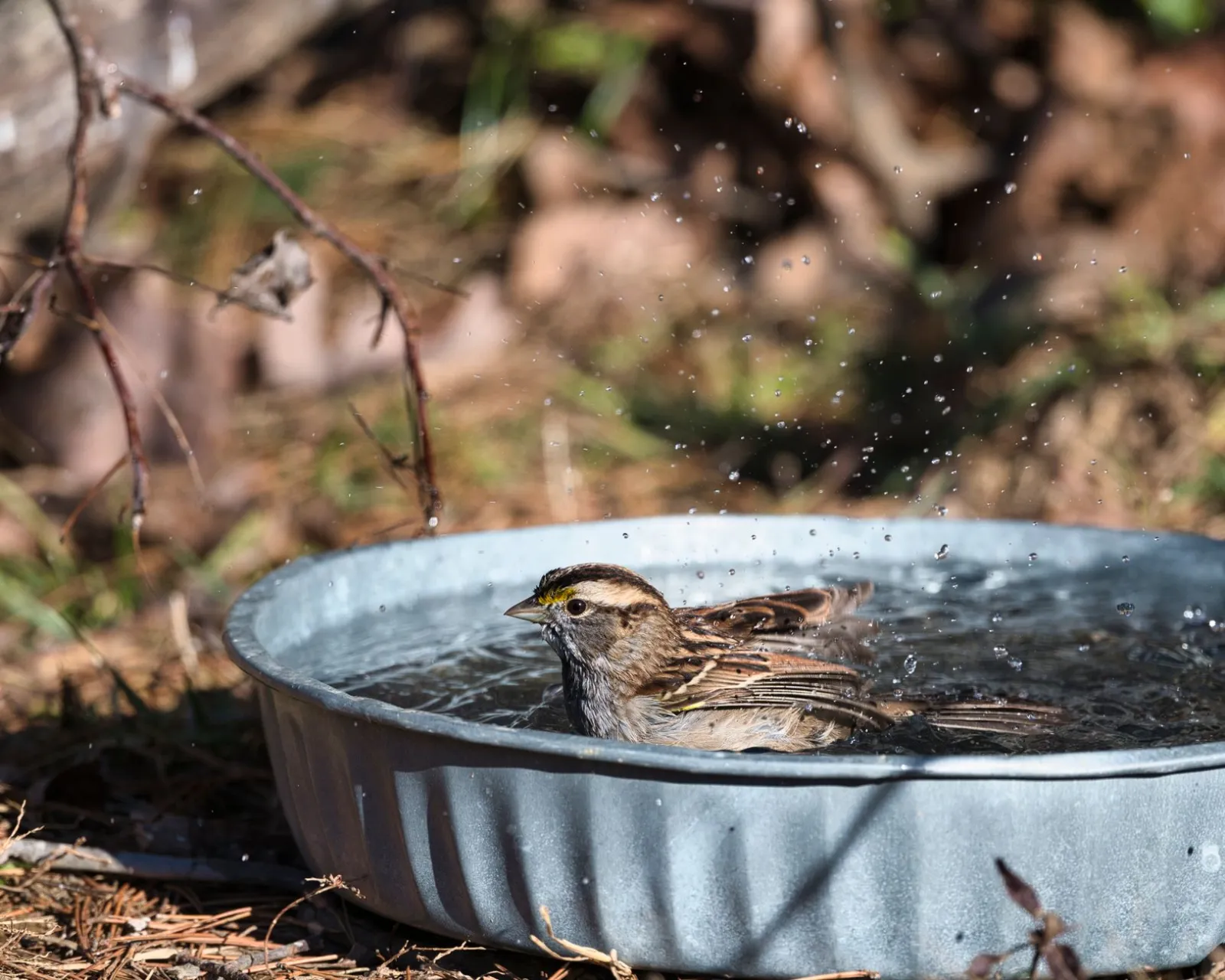
Birds are surprisingly fussy about water. A basin that looks elegant to you can be useless if it’s too deep or too slippery. The ideal drinking and bathing depth is shallow — roughly two to three centimetres at the edge, sloping gently to no more than five to seven centimetres in the centre. Anything deeper and small birds risk getting waterlogged or, worse, struggling to get out.
Surface texture matters just as much. Glazed ceramic and polished metal look smart, but wet feet slip on them. A roughened base, a few flat stones placed inside the basin, or a gently textured finish gives birds something to grip. Concrete example: a smooth, deep glazed bowl on a patio often ends up used only as a drinking station, while a shallow, textured stone basin nearby becomes the actual bathing spot. If you already own a deep bath, you can fix it in minutes by adding a large flat pebble or a piece of slate as a perch and exit ramp.
Also consider the rim. A wide, flat lip gives birds somewhere to land and assess the water before committing. Narrow rims on tall pedestals can be awkward for smaller species.
Choosing a Material That Suits Your Garden and Your Energy Levels
Material affects weight, durability, how the bath weathers, and how much effort it demands from you. Here’s a plain comparison to help you weigh the trade-offs:
| Material | Weight & Stability | Weathering | Maintenance |
|---|---|---|---|
| Stone / cast stone | Heavy; stays put in wind | Ages gracefully, may develop patina | Scrub occasionally; can crack in hard frost if water freezes inside |
| Resin / composite | Light; easy to move, may need weighting | Colour can fade over years | Wipe and rinse; check for cracks |
| Metal | Moderate; stable on a base | May rust or heat up in strong sun | Rinse; avoid full sun exposure |
| Ceramic / glazed | Moderate to heavy | Can chip; frost-sensitive | Handle with care; drain before frost |
Stone is the classic choice for a reason: it’s stable, it doesn’t blow over, and it looks settled in a border from day one. The catch is weight and frost. Concrete example: a cast-stone pedestal bath left full of water through a freezing night can crack as the ice expands — emptying it before a cold snap is a five-minute job that saves the whole feature. Lighter resin and composite baths are far easier to reposition and are a sensible pick for renters or balcony gardeners, but they can tip in gusty weather unless you weight the base or anchor it.
If you’re drawn to something less ordinary — a wall-mounted half-bowl, a hanging version, or a sculpted design — the same rules apply. Unusual bird baths can be lovely focal points, but check the depth and the landing space before anything else. Second-hand stone bird baths are worth considering too: inspect for hairline cracks and check the basin holds water evenly before you commit, since a slow leak is hard to spot until it’s in your garden.
Height, Placement, and Safety
Height is a balancing act. A raised bath — on a pedestal or a sturdy stand — keeps birds safer from cats and gives you a better view from the window. Ground-level baths, by contrast, suit thrushes, blackbirds, and hedgehogs, but they need to sit in the open, well away from low cover where a cat can lurk.
Placement decides whether your bath gets used at all. Birds want to see danger coming, so position the bath where there’s a clear line of sight, ideally within a short flight of a shrub or tree for a quick escape. Keep it away from feeders if you can — crowded feeding stations get messy, and food debris fouls the water fast. A spot that catches morning sun but isn’t in blazing all-day heat is close to ideal; strong sun encourages algae and warms the water uncomfortably.
Concrete example: a bath tucked against a fence under overhanging branches often sits unused, because birds can’t watch for predators from it. Move the same bath a metre out into the open and it can become a daily destination within a week.
Keeping the Water Clean and Available Year-Round
A bird bath is only as good as its water. Change it every day or two in warm weather, and scrub the basin weekly with a stiff brush — no harsh chemicals, just fresh water and elbow grease. Algae and bird droppings build up quickly, and dirty water spreads disease between visitors. A simple tip: keep a dedicated brush and a small bucket near the tap so the job takes two minutes rather than becoming a chore you postpone.
Winter matters more than most people expect. Birds still need liquid water when natural sources freeze, and a bath that’s simply topped up and kept ice-free can be the busiest spot in the garden during a cold spell. Break ice gently, or swap in a shallow dish of fresh water each morning. In summer, top up more often and add a few stones so the water stays shallow as it evaporates.
One more practical point: a moving water surface — even a gentle drip or ripple — attracts birds far more reliably than still water, because the sound and glint carry. If your bath sits quiet and ignored, a slight disturbance at the surface is often the nudge that brings birds in.
Frequently Asked Questions
What is the meaning of bird bath?
A bird bath is a shallow basin of water provided in a garden or outdoor space so birds can drink and bathe. It’s a simple wildlife-friendly feature, usually raised on a pedestal or set at ground level, designed to offer clean, shallow water that birds can safely access. Beyond the literal meaning, it’s a way of supporting local birdlife — especially in dry spells and freezing weather when natural water is scarce.
Where do UK garden birds go in winter?
Most stay close to home. Many garden birds remain in the same area year-round, though some roam more widely in search of food and unfrozen water. Others arrive from colder regions to spend winter here. The practical upshot: your garden can be busy in winter, and a bath that stays ice-free becomes a genuine lifeline when ponds and puddles freeze over.
How can I make a DIY ground-level bird bath?
You can make one from almost anything shallow and stable. A wide, flat dish or a shallow tray set on the ground works well — add a few stones for grip and to keep the water shallow. Sink it slightly into soil or gravel so it sits level and doesn’t tip. Keep it in the open with a clear view, refresh the water daily, and scrub it weekly. The only real rule is safety: shallow, textured, and stable.
Conclusion
Choosing the right bird bath comes down to a handful of practical checks: shallow depth, a grippy surface, a stable material that suits your climate and strength, and a spot with a clear view and a quick escape route. Get those right and the rest — the style, the shape, the little decorative touches — is yours to enjoy. Empty it before frost, refresh it often, and it will reward you with visitors all year.
For a broader look at garden wildlife features, including feeders and how to combine them with water, a more complete guide covers the full picture. But for the single question of picking a bird bath for your garden, the advice above is enough to choose with confidence.