This article contains Amazon affiliate links. As an Amazon Associate we earn from qualifying purchases.
\n
\n
In short:
\n
- \n
- Yes, you can absolutely bake a cake in an air fryer.
- The pan matters most, so pick one that leaves half an inch of clearance on all sides.
- Drop your temperature about 25°F below what the recipe says and keep an eye on it.
- Small formats like mug cakes, loaf cakes, and 6-inch rounds work best and bake in 20 to 30 minutes.
- Start simple, nail one cake, and the rest is just flavor.
- Clean the basket and pan after every bake, and replace non-stick pans once the coating scratches or flakes.
\n
\n
\n
\n
\n
\n
\n
\n\n
Air Fryer Cakes: Yes, You Really Can Bake in That Basket
\n\n
Most people buy an air fryer for crispy chicken wings or golden fries. Then they discover the basket is basically a tiny, powerful convection oven — and the question changes. Can you bake a cake in there? Short answer: yes. It works, and it works surprisingly well once you understand a few things about how the machine moves heat.
\n\n
The catch is that an air fryer is not a regular oven. It’s smaller, the fan blows harder, and the heating element sits inches from your batter. That means a cake that bakes beautifully at 350°F in a big oven can dry out, dome too fast, or stay raw in the middle if you treat the air fryer the same way. The good news: once you adjust temperature, pan size, and timing, you get small cakes in a fraction of the time — often 20 to 30 minutes instead of 45.
\n\n
This guide focuses on small cakes specifically: single-layer rounds, loaf-style cakes, mug cakes, and mini bundts. These are the formats that fit the basket, cook evenly, and don’t demand a full afternoon. If you want the broader picture on air fryer cooking in general, there’s a more complete article on the topic elsewhere on the site — but here, it’s all about cake.
\n\n
Choose the Right Pan (This Decides Everything)
\n\n
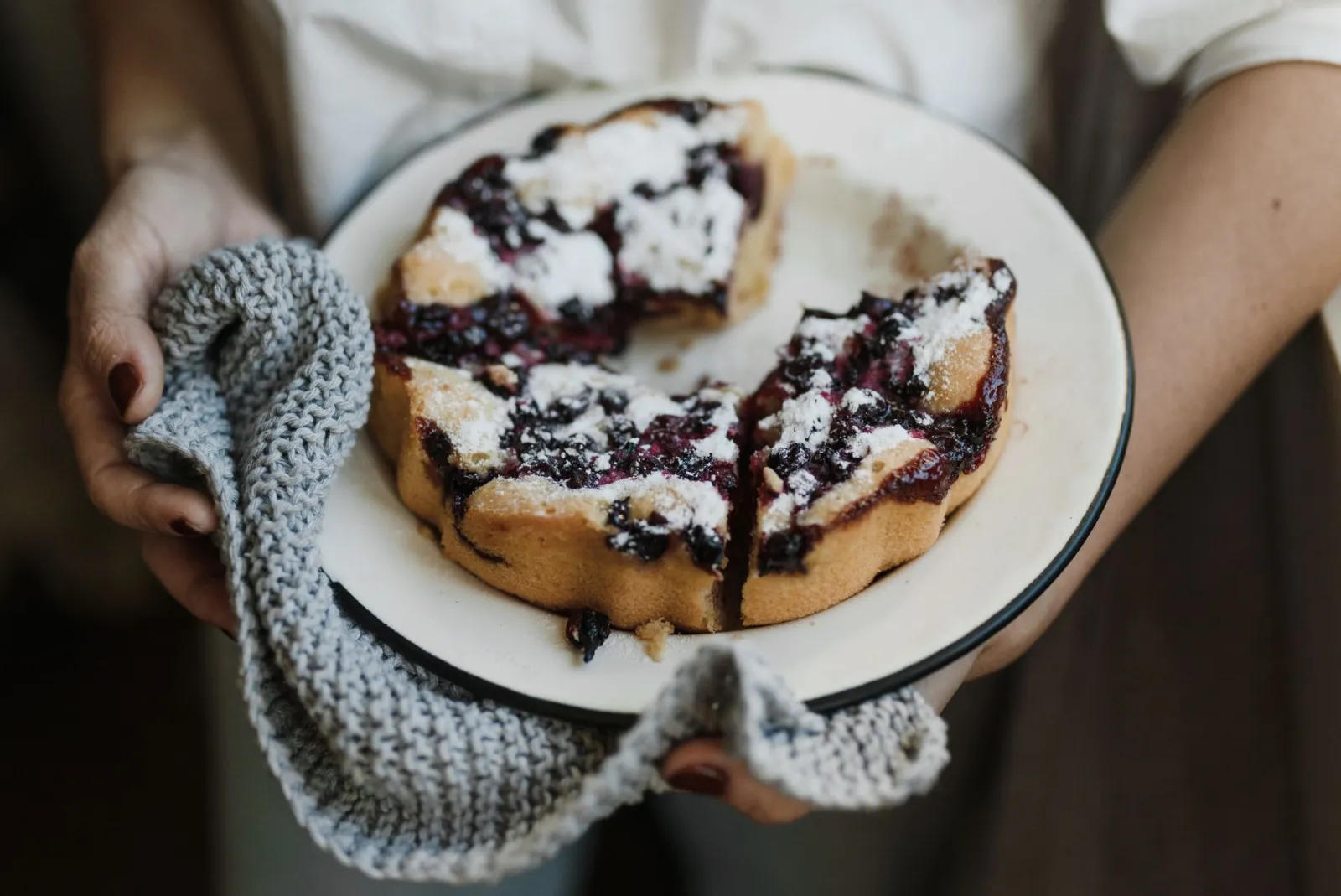
The single biggest reason air fryer cakes fail is the pan. A standard 9-inch round pan simply won’t fit most baskets, and if you force a pan that touches the heating element, the top burns before the center sets. What you want is a pan that leaves at least half an inch of clearance on all sides so hot air can circulate.
\n\n
Good options for most baskets:
\n\n
- \n
- 6-inch round cake pan — fits most mid-size air fryers, ideal for a single layer you can later stack or frost.
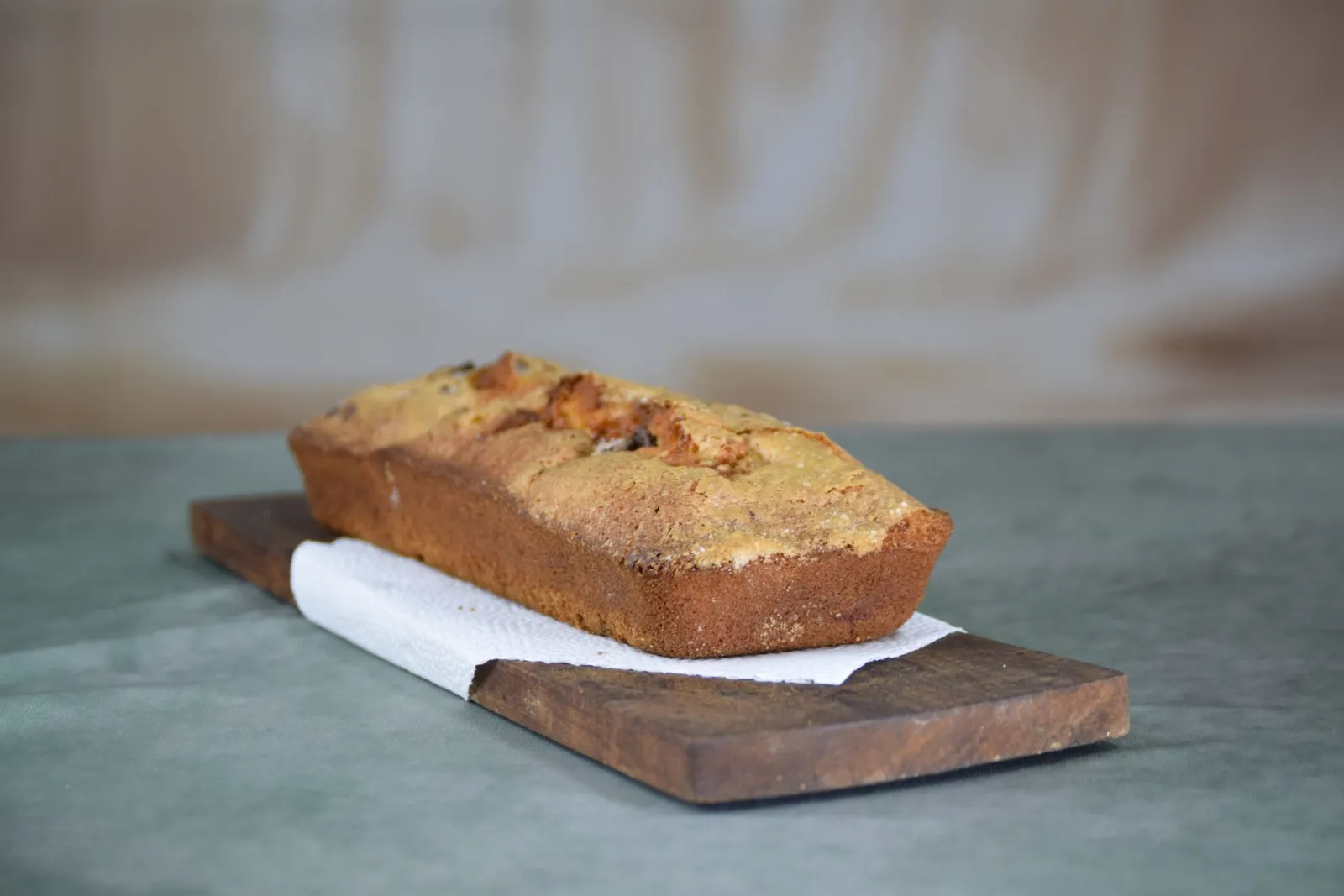
- Small loaf pan — perfect for pound cake, banana bread, or lemon loaf.
- Silicone molds — flexible, easy to release, and they don’t scratch the basket. Just place them on the tray, not directly on the perforated base.
- Ramekins or oven-safe mugs — for single servings and mug cakes.
\n
\n
\n
\n
\n\n
Concrete example: a reader-style scenario that comes up constantly — someone pours a full boxed cake batter into a 7-inch pan, sets the air fryer to the temperature on the box, and ends up with a burnt crust and a liquid center. The fix isn’t the recipe. It’s that the batter was too deep for the airflow. Halving the batter, or using a wider, shallower pan, solves it every time.
\n\n
One more thing: always check that your pan is oven-safe to at least 400°F. Silicone and metal are fine. Thin glass or plastic-handled pans are not.
\n\n
Drop the Temperature — Don’t Trust the Box
\n\n
Here’s the rule that saves the most cakes: bake about 25°F lower than a conventional oven recipe calls for. If a recipe says 350°F, set your air fryer to 325°F. Why? Because the heating element is close and the fan is aggressive. At full temperature, the outside of the cake sets and browns long before the middle has a chance to cook through.
\n\n
Timing matters just as much. Small cakes in an air fryer typically need 20 to 30 minutes, but the range is wide because basket sizes vary so much. Start checking at the 18-minute mark. A cake is done when a toothpick inserted in the center comes out with a few moist crumbs — not wet batter, not completely clean. Overbaking is the second most common mistake, and it happens fast in a small appliance.
\n\n
Real-world example: a banana bread that takes 55 minutes in a standard oven will usually finish in 30 to 35 minutes in an air fryer at 320°F. If you leave it the full hour, you get a brick. Set a timer early and trust your eyes and the toothpick, not the clock.
\n\n
Also worth knowing: preheating helps. Give the air fryer 3 to 5 minutes to come to temperature before the pan goes in. It’s not strictly required for cakes, but it makes the rise more consistent.
\n\n
Adjust Your Batter for the Air Fryer Environment
\n\n
You don’t need special recipes, but small tweaks make a real difference. The forced air dries the surface of the batter quickly, so a cake that’s already on the dry side will come out drier. Adding a tablespoon of oil, sour cream, or applesauce to a standard recipe keeps the crumb tender.
\n\n
Baking powder matters too. Because air fryer cakes bake faster, they sometimes don’t get the full lift from their leavening. If your cake comes out flat, check that your baking powder is fresh — it loses potency after about six months once opened. A quick test: stir a spoonful into hot water. If it fizzes, it’s alive.
\n\n
Another practical point: don’t overfill. Fill your pan no more than two-thirds full. Batter needs room to rise, and in a small basket, a too-full pan means batter spills onto the heating element and burns, filling the kitchen with smoke. If you have leftover batter, make a second small cake rather than cramming it all in.
\n\n
Care, Lifespan, and When to Replace Your Air Fryer Cake Gear
\n\n
Air fryer cake pans and silicone molds take more abuse than most people realize. They sit close to a hot element, they get scrubbed after every sticky batter, and they’re often stacked in a drawer where the coating gets scratched. A little routine care keeps them working for years — and knowing the warning signs tells you when it’s time to swap them out.
\n\n
After every bake. Let the pan cool completely before washing it. Dropping a hot non-stick pan into cold water warps the base and can crack the coating. Wash by hand with warm water, a soft sponge, and a drop of dish soap. Skip the steel wool and the abrasive scouring pads — they strip non-stick surfaces and scratch silicone. Dry it fully before storing, because trapped moisture under a stacked pan is what causes rust spots on cheaper metal.
\n\n
The basket itself. Cake batter is sneaky. A little always drips through the pan’s seams or over the edge, and if it bakes onto the basket’s perforated base, it hardens into a dark, sticky layer that affects the next batch’s airflow and smell. Wipe the basket down after each cake bake, and if batter did spill, soak the basket in warm soapy water for a few minutes before scrubbing gently. Never put the basket in the dishwasher unless the manufacturer explicitly says it’s dishwasher-safe — many non-stick baskets aren’t, and the heat and detergent degrade the coating fast.
\n\n
How long things last. With hand-washing and careful storage, a decent metal cake pan holds up for years of regular use. Silicone molds are similar — they’re tough, but they eventually stain, absorb odors, and lose their non-stick glide. Non-stick coatings are the fragile part: they wear out long before the metal does, and how fast depends entirely on how you treat them. A pan used weekly and washed gently will outlast one scrubbed with abrasives by a wide margin.
\n\n
When to replace. Replace a non-stick cake pan when the coating is scratched, flaking, or peeling — not just for the cake’s sake, but because a damaged surface releases unevenly and cakes start sticking and tearing. Replace a silicone mold when it’s torn, has lost its shape, or smells of old batter even after washing. Replace the air fryer basket or tray when the non-stick surface is deeply scratched, when food consistently sticks no matter how you grease it, or when the coating is visibly coming off. A warped pan that no longer sits flat is also done — it bakes unevenly and lets batter pool to one side.
\n\n
Storage that protects your gear. Don’t nest metal pans directly inside each other without a barrier — a sheet of paper towel or a felt pad between them prevents scratches. Store silicone molds flat or loosely rolled, not crushed under heavy pans, so they keep their shape. And keep everything bone dry; a damp drawer is the enemy of any metal pan.
\n\n
A Real-Life Example: The Sunday Afternoon Mug Cake Habit
\n\n
Picture a small household on a rainy Sunday. Someone wants something sweet, doesn’t want to heat the whole oven for one portion, and doesn’t want a full cake sitting around for days. The air fryer is already on the counter. This is exactly where small-format air fryer cakes earn their place.
\n\n
The routine looks like this. A mug or a ramekin gets a quick grease with a little butter or oil. A simple batter — flour, sugar, cocoa or vanilla, a pinch of baking powder, an egg, a splash of milk, a tablespoon of oil — gets mixed right in the mug, no stand mixer, no bowl to wash. The mug goes into the preheated basket, the temperature is set a touch below what a standard oven recipe would call for, and the timer is set short. Around the 15-minute mark, a toothpick goes in. A few moist crumbs, and it’s done. The whole thing takes less time than preheating a conventional oven, and there’s one mug to wash instead of a sink full of bowls.
\n\n
Now scale that up slightly for a family. A small loaf pan makes a banana bread or a lemon loaf that slices into several portions — enough for a couple of days of snacks without committing to a full-size bake. The same principles apply: pan that fits with clearance, temperature dropped a notch, timer watched closely, toothpick as the judge. The difference between a good result and a disappointing one is almost never the recipe. It’s whether the pan fit, whether the heat was too high, and whether someone actually checked at the right moment instead of walking away.
\n\n
The lesson from this everyday scenario is simple: treat the air fryer as a small, fast oven, not a magic box. Respect the clearance, respect the lower temperature, and respect the timer. Do that, and a mug cake on a rainy afternoon becomes a reliable little ritual rather than a gamble.
\n\n
FAQ
\n\n
What are the best meals to make in an air fryer?
\n\n
Beyond cakes, the air fryer excels at anything that benefits from fast, dry heat: chicken wings and strips, roasted broccoli and Brussels sprouts, salmon fillets, stuffed peppers, and reheated leftovers that would otherwise go soggy. The common thread is that these foods crisp or cook quickly and don’t need a long, gentle bake.
\n\n
What 5 foods should you not put in an air fryer?
\n\n
Batters that are too thin (they drip through the basket), whole large items that block airflow, leafy greens on their own (they fly around and burn), cheese without a coating (it melts into a mess), and anything wrapped loosely in foil that could get sucked into the fan. For cakes, the lesson is simple: use a pan, not a pour.
\n\n
What is the first thing I should cook in my air fryer?
\n\n
Something forgiving. Frozen fries, chicken nuggets, or a simple small cake like a mug cake. These let you learn how your specific basket behaves — how fast it browns, where the hot spots are — without risking an expensive cut of meat or a complicated recipe.
\n\n
What is the best thing cooked in an air fryer?
\n\n
For most people, the standout is anything that should be crispy on the outside and tender inside: wings, fries, breaded chicken, roasted vegetables, and salmon. For baking, small cakes and mug cakes are the sweet spot because they cook fast and evenly in a small basket.
\n\n
What is the 25 rule for air fryers?
\n\n
The “25 rule” is a common shorthand for dropping the temperature about 25°F below what a conventional oven recipe calls for, since the air fryer’s fan and close heating element cook faster and browner. It’s a starting point, not a law — always check early with a toothpick.
\n\n
What are some good dishes to cook in an air fryer?
\n\n
Chicken thighs, salmon fillets, roasted Brussels sprouts, stuffed peppers, small cakes and loaves, and reheated pizza or leftovers. Anything that benefits from quick, dry, circulating heat is a good candidate.
\n\n
The Bottom Line
\n\n
Air fryer cakes work beautifully when you respect three things: a pan that fits with room to spare, a temperature about 25°F lower than a standard recipe, and a timer you actually watch. Get those right and you’ll have small, moist, perfectly baked cakes in half the time of a conventional oven.
\n\n
Start with a simple loaf or a single 6-inch round. Once you’ve nailed one, the rest is just flavor. And for everything else your air fryer can do — the wings, the vegetables, the weeknight dinners — the fuller guide on this site covers the whole picture.
\n\n
\n\n\n
Go further : Air fryer for frozen corn dogs
\n
\n
Also read :
Sources
\n
- \n
- USDA Food Safety and Inspection Service — food safety and safe handling guidance.
- U.S. Food and Drug Administration — food storage and handling information.
\n
\n
\n\n\n\n\n\n\n
🔗 Read also
\n
\n\n
Full guide :Appliances
More from this guide :
Was this guide helpful?
Share your experience with the WiseHomeGuides community.