In short :
- Think of it as a small convection oven: fast, dry, moving heat that crisps the surface.
- That means chicken, fish, breaded items, roasted vegetables, potato wedges and reheated leftovers all turn out great.
- The one rule that matters most is drying the food first, since surface moisture steams instead of browning.
- Skip wet batters, leafy greens, big whole joints, loose cheese and very light dry items that fly into the element.
- Start with frozen wedges or chicken wings, and always cook in a single layer.
An air fryer is a small convection oven. A fan pushes very hot air around the food, which browns the surface and crisps the edges much faster than a standard oven. That single fact explains almost everything about what it does well — and what it does badly. Foods that benefit from fast, dry, high heat turn out brilliantly. Foods that need moisture, a long gentle cook, or a wet batter struggle.
So when people ask what the best meals are, the honest answer is: anything that would normally be roasted, grilled, or shallow-fried and that fits in a single layer. Below are the categories that consistently deliver, with temperatures and times you can use straight away. If you want the wider picture — maintenance, capacity, accessories, energy use — a more complete guide exists on the general air fryer topic, but this article stays focused on the food itself.
Crispy proteins: chicken, fish, and anything breaded
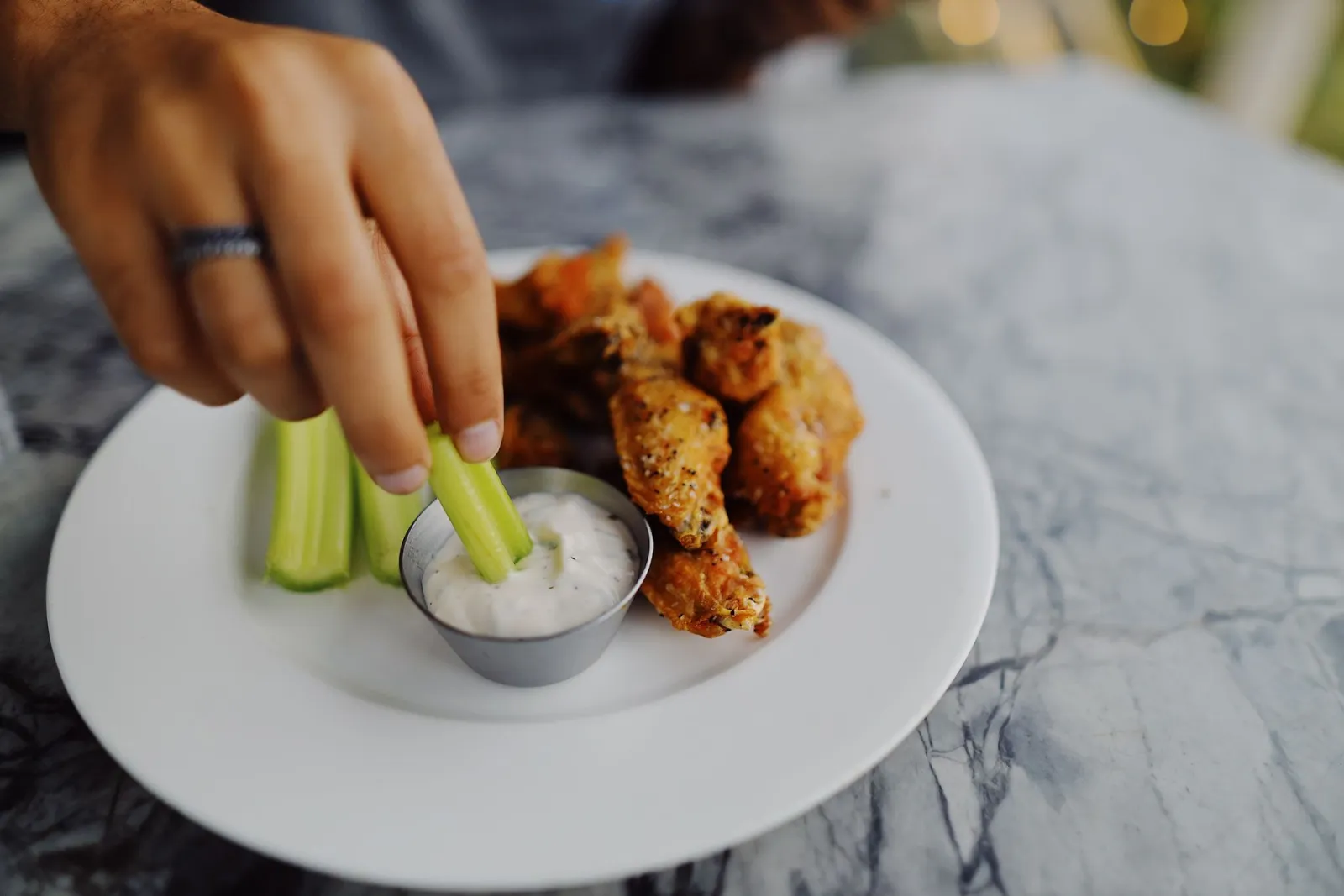
This is where the appliance earns its place on the counter. Chicken wings, drumsticks, thighs, breaded strips, and fish fillets all come out with a genuinely crisp exterior because the moving hot air dries the surface quickly.
The rule that matters most: pat the food dry before it goes in. Surface moisture is the enemy of crispness. A wet chicken thigh steams; a dry one browns. For breaded items, a light spritz of oil on the coating helps it colour evenly — you need far less than in a pan.
Practical starting points:
- Chicken wings: around 380°F (190°C) for 18–22 minutes, shaking the basket halfway.
- Breaded strips or nuggets: 380–390°F (195–200°C) for 10–12 minutes, until golden and cooked through.
- Salmon fillets: 375°F (190°C) for 8–10 minutes, skin side down.
One concrete example worth remembering: a whole chicken breast is uneven in thickness, so it cooks unevenly in an air fryer. Cut it into two thinner cutlets first, or pound it flat. The result is juicy inside and browned outside instead of dry at the edges and raw in the middle. Small adjustments like that make the difference between a good result and a disappointing one.
Vegetables: the underrated strength
Roasted vegetables are arguably the best-value use of an air fryer. They cook in a fraction of oven time, and the concentrated heat gives real caramelisation rather than the soggy result you get when vegetables are crowded on a tray.
Broccoli, cauliflower florets, Brussels sprouts (halved), green beans, peppers, courgette chunks, and asparagus all work. Toss them with a little oil and salt, spread them in one layer, and cook at 375–380°F (190–195°C) for 10–15 minutes, shaking the basket once.
Two practical details change everything. First, cut pieces to a similar size — a whole sprout next to a thin floret means one burns while the other stays hard. Second, don’t overcrowd. If the basket looks full, cook in two batches. A crowded basket traps steam and you lose the very texture you were after. Potatoes deserve their own mention: cut into wedges or cubes, rinsed and dried, they roast beautifully at 400°F (200°C) in about 20 minutes.
Reheating and quick meals: where it saves real time
Some of the most useful air fryer meals aren’t recipes at all. Leftover pizza, fried food, roasted vegetables, and pastries reheat far better than in a microwave because the dry heat restores crispness instead of making everything limp.
Think about a Tuesday evening: cold pizza from the fridge goes in at 350°F (175°C) for 3–4 minutes and comes out with a crisp base and melted cheese. A microwave gives you rubber. That’s a genuine, everyday win.
Quick assembled meals also work well — quesadillas, stuffed peppers, halloumi slices, roasted chickpeas for snacking, even a small batch of meatballs. The pattern is consistent: single layer, dry surface, moderate-to-high heat, shake or flip halfway.
What to avoid, and why
Knowing the limits saves you from wasted food. Wet batters (like classic tempura or beer batter) slide off and pool before they set — use a dry coating or breadcrumbs instead. Leafy greens fly around and burn in seconds. A large joint of meat won’t cook evenly because the outside dries before the centre is done. Cheese on its own melts through the basket; it needs to sit on top of something.
Also worth knowing: very light, dry items like a single slice of bread or loose herbs can be blown into the heating element. Weigh them down or skip them.
FAQ
What are the best meals to make in an air fryer?
The strongest performers are crispy chicken (wings, strips, thighs), roasted vegetables, fish fillets, potato wedges, and reheated leftovers. These all benefit from fast, dry, circulating heat and fit in a single layer.
What 5 foods should you not put in an air fryer?
Wet-battered foods, leafy greens, large whole joints of meat, loose cheese, and very light dry items that can blow into the element. Each fails for a clear physical reason: batter runs, leaves fly, big cuts cook unevenly, cheese melts through, and light items get caught in the fan.
What is the first thing I should cook in my air fryer?
Start with something forgiving and quick: frozen potato wedges or chicken wings. They’re hard to ruin, they teach you how your appliance behaves (hot spots, timing, how much to shake), and you get an immediate sense of how much space food really needs.
The short answer
The best air fryer meals are the ones that would otherwise be roasted, grilled, or fried — chicken, fish, vegetables, potatoes, and reheated food — cooked in a single layer with a dry surface. Master those basics and the appliance stops being a novelty and becomes genuinely useful. For the broader picture on choosing, running, and caring for one, the complete air fryer guide covers everything beyond the plate.