Short answer : Compost delivery means ordering finished compost in bulk and having it brought to your property, usually by the cubic yard or tonne, rather than buying bagged compost from a garden centre. You choose a supplier, specify the volume and the type of compost, and arrange a drop-off point that a delivery truck can reach. Most suppliers sell by volume, so it helps to measure your beds and borders before ordering so you buy the right amount. Delivery is especially useful for large projects such as new beds, raised beds, or lawn top-dressing, where bagged products would be impractical and costly. Confirm the compost is mature and screened, ask about the source materials, and check access, drop-off location, and any delivery charges before placing the order.
In short
- Order by the cubic yard or tonne and measure your beds first to avoid over- or under-buying.
- Ask whether the compost is mature and screened so it is ready to use in beds.
- Confirm the source materials, such as green waste or manure, to match your garden’s needs.
- Check truck access, gate width, and a firm drop-off spot before delivery day.
- Clarify delivery charges, minimum order size, and whether the driver can tip on site.
What Bulk Compost Delivery Actually Includes
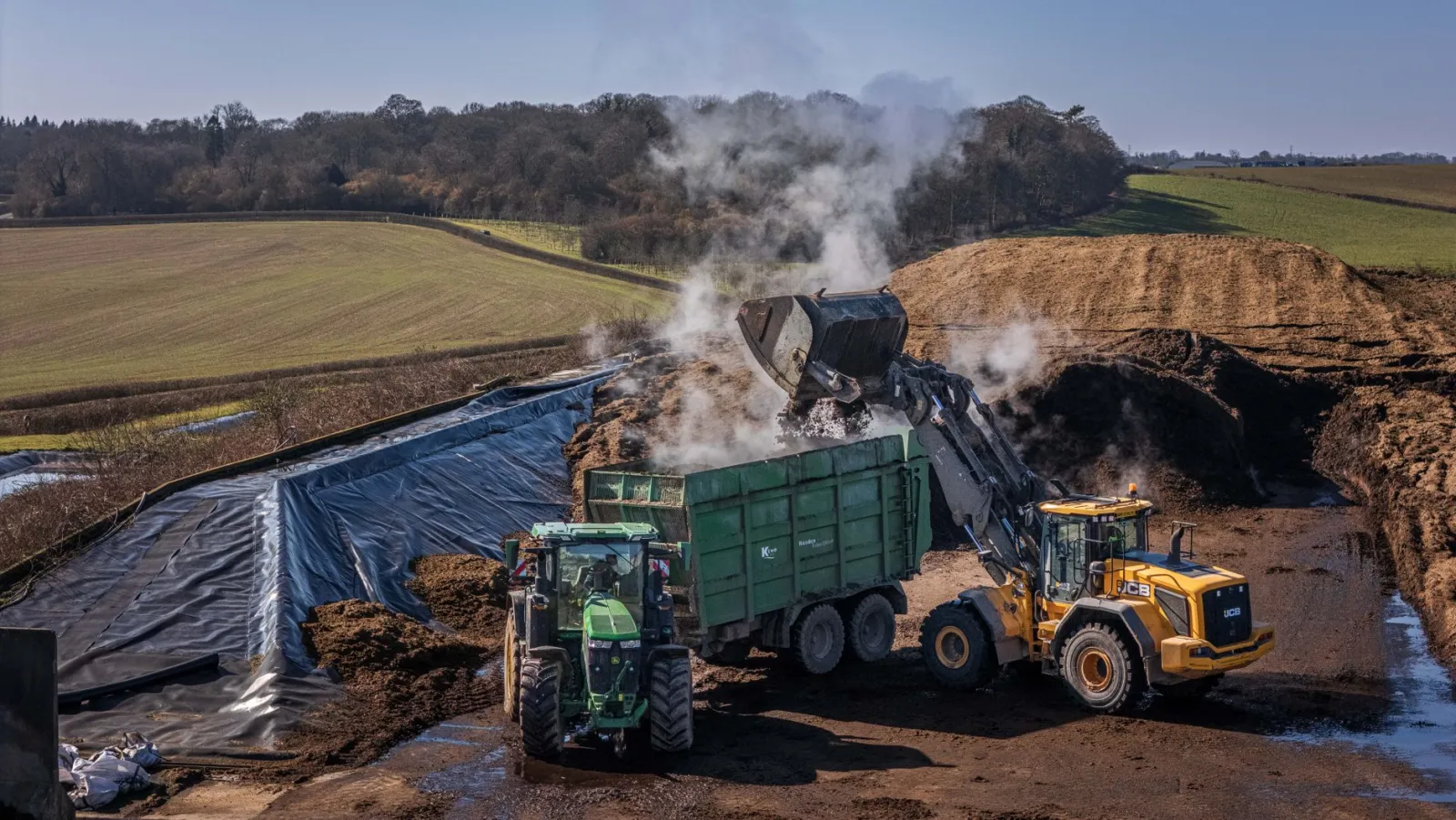
Bulk compost delivery is more than a dump truck emptying a load in your driveway. Understanding what a delivery service actually provides helps you compare options and avoid surprises on delivery day. At its core, the service covers the compost itself, the transport, and the placement of the material, but the details of each vary considerably between suppliers.
The compost product is the foundation. Bulk compost is typically sold by volume rather than by bag, and suppliers usually describe it by its intended use and its maturity. Finished compost, ready to blend into soil, differs from aged or partially composted material that still needs time to break down. Ask how the compost was screened, since screening removes sticks, stones, and oversized clumps and produces a more uniform texture that spreads easily. You should also confirm what feedstocks went into it, because compost made largely from yard waste behaves differently from compost that includes manure or food scraps. Matching the product to your use, whether amending a garden bed, topdressing a lawn, or building up a planting area, matters more than chasing the lowest price per yard.
Delivery logistics form the second part of the service. Most bulk suppliers deliver by truck, and the size of the truck determines where it can physically go. A large tandem-axle or tri-axle truck needs a wide, clear approach and room to maneuver, while smaller trucks can reach tighter driveways and backyards. Before ordering, confirm the access width, overhead clearance, and surface strength of your delivery point. Suppliers often ask about this in advance, and a good one will flag potential access problems rather than arriving and turning around.
Placement is where services diverge most. Some drivers simply dump the load at the nearest accessible spot, which may be the street or the edge of the driveway. Others will back into a driveway and deposit the pile where you indicate, within the limits of the truck and the site. If you need compost dropped close to a garden bed or spread across several areas, ask whether that is included or offered as an add-on. Getting the pile in the right place saves substantial wheelbarrow trips.
Finally, clarify the terms around scheduling and quantity. Delivery windows, lead times, and minimum order sizes vary, and some suppliers charge by the load while others price by volume with delivery fees separate. Confirm whether the quoted amount is a full truckload or a partial load, and ask how the volume is measured. A clear written confirmation of the product, quantity, delivery date, and placement expectations protects both you and the supplier.
Choosing the Right Compost Type for Your Garden
Before you arrange compost delivery, you need to know which type of compost your garden actually needs, because the material you spread on a vegetable bed is not necessarily the right choice for a lawn, a shrub border, or a sandy slope. Bulk compost generally falls into a few broad categories, and each behaves differently in the soil. Understanding those differences helps you order the right load the first time and avoid paying for a second delivery.
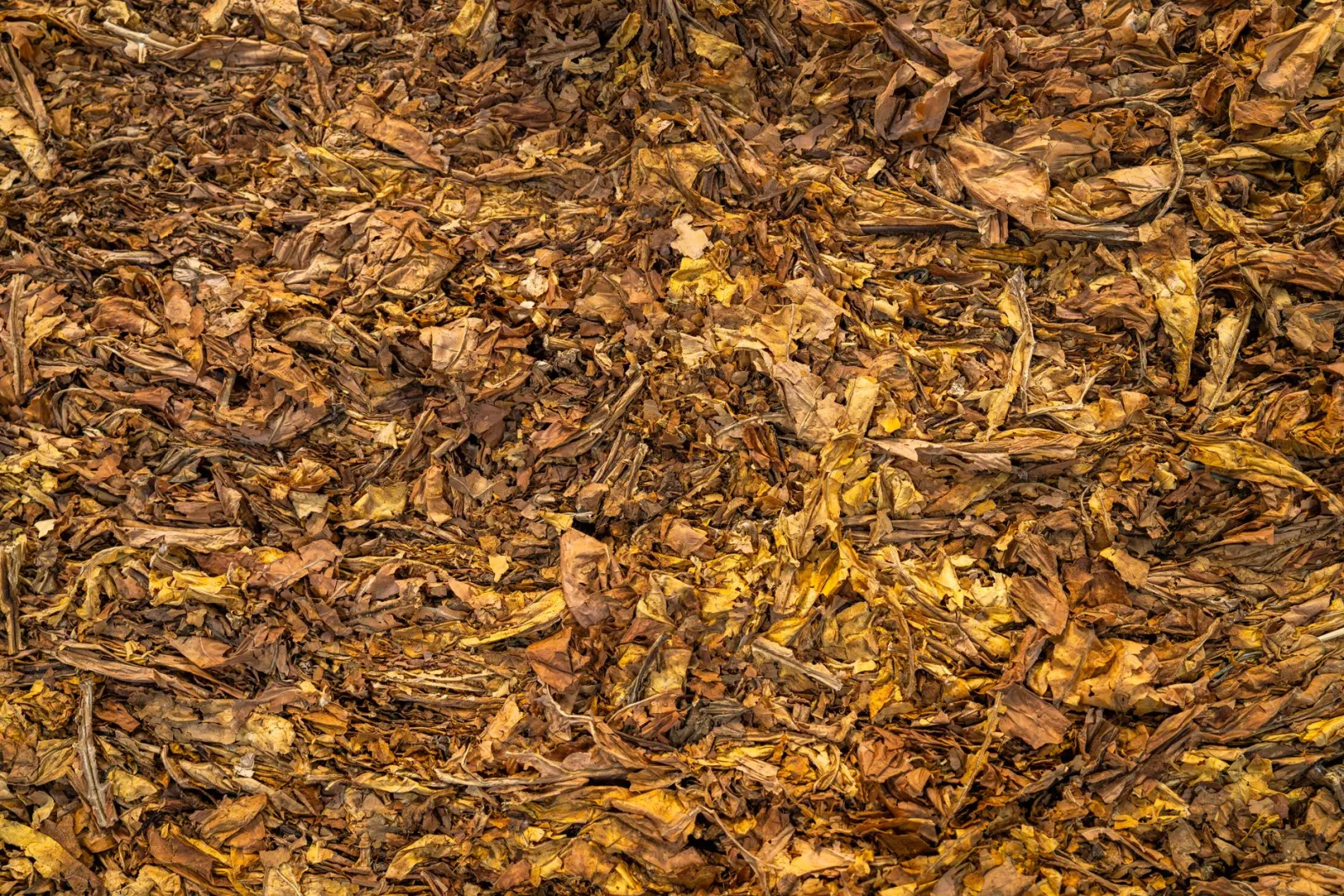
Mature, well-decomposed compost is the safest all-purpose choice. It looks like dark, crumbly soil, smells earthy rather than sour, and has little recognizable original material left in it. Because it is stable, it can be worked into planting beds, used to top-dress lawns, or blended into potting mixes for outdoor containers without the risk of burning young roots. If you are unsure what your garden needs, this is the type to order. Fresh or partially decomposed compost, by contrast, is still actively breaking down. It can be useful as a surface mulch around established perennials and shrubs, where it slowly releases nutrients, but it should not be dug in close to newly planted seedlings.
Texture matters as much as maturity. A fine, screened compost is easy to spread thinly over lawns and to mix into the top layer of seed beds, while a coarse, unscreened product suits mulching, filling raised beds, and improving heavy clay. On sandy soils, a heavier compost with more organic bulk helps hold moisture and nutrients; on clay soils, a fibrous, well-aerated compost opens up the structure and improves drainage. Ordering a coarse product for a lawn or a very fine one for rough landscaping usually wastes the material’s strengths.
Consider what you are feeding, too. Vegetable and annual beds benefit from a rich, nutrient-dense compost that is thoroughly mature, applied in a generous layer and worked into the top few inches before planting. Flower borders and mixed shrub beds tolerate a leaner compost and often do well with a mulch layer that breaks down gradually. Lawns prefer a fine, screened compost spread thinly so it settles between the blades rather than smothering them. Erosion-prone slopes and newly cleared ground call for a coarser, more fibrous compost that knits together and resists washing away.
Finally, match the compost to how much you can handle and when. Bulk deliveries arrive in large volumes, so ordering a type that suits several uses across the garden gives you flexibility. Ask the supplier what feedstock the compost is based on, how mature it is, and whether it has been screened, since these details tell you more about how it will perform than any general label. A quick look and smell of a sample before you commit to a full load is well worth the effort.
How to Compare Compost Quality Before Ordering
Before you commit to a bulk compost delivery, the most useful comparison you can make is between the quality signals each supplier is willing to put in writing. Start with the feedstock and the stated inputs: a compost described as yard-waste-only tells you something different from one that includes manure, biosolids, or food scraps, and that difference matters for how you intend to use it. Ask what the material is made from, whether inputs are source-separated, and how long the pile was actively managed and then cured. A well-finished compost has typically gone through a sustained thermophilic phase followed by a maturation period; suppliers who can describe their process in those terms are usually more reliable than those who only advertise a finished product.
The next comparison point is maturity and stability, because immature compost is the most common cause of disappointing bulk deliveries. Immature material can continue to consume oxygen and nitrogen in the soil after you spread it, which is a particular risk if you plan to incorporate it into beds shortly before planting or use it in containers and seedling mixes. Ask whether the supplier tests for maturity or stability and whether they can share the result. You do not need to interpret a lab report in detail to benefit from the conversation: a supplier who routinely measures these properties is signaling that they manage the process rather than simply selling whatever comes off the windrow.
Physical inspection is where you can judge a lot without any laboratory. Good finished compost should smell earthy and mild rather than sour, ammonia-like, or sewage-like, and it should not be hot to the touch in the middle of a pile. Look at the texture: a product that is uniformly dark, crumbly, and mostly free of recognizable feedstock is generally more mature than one with visible chunks of wood, undecomposed leaves, or plastic contamination. Screened compost will be more consistent and easier to spread, while unscreened material may suit rough landscaping but is harder to work into fine seedbeds.
Match the grade to the job rather than chasing a single “best” compost. A coarse, woody blend is a reasonable choice for mulching around established shrubs and for rough grading, while a finer, well-screened product is better for topdressing lawns, amending vegetable beds, and blending into potting mixes. If you are buying by the truckload for a large project, ask for a sample or visit the site to see the stockpile before the delivery is scheduled, and confirm how the material is stored, since compost left in an exposed, waterlogged pile can lose quality before it ever reaches you.
Finally, compare the practical terms alongside the material itself: the minimum order quantity, whether delivery is tipped loose or bagged, and how the supplier handles a load that does not match the sample you approved. A supplier who welcomes questions about feedstock, maturity, and screening, and who is willing to let you inspect before ordering, is generally a safer bet for bulk compost than one who cannot describe what is in the pile.
Calculating How Much Compost You Need
Calculating how much compost you need is the step that most often goes wrong in a bulk order. Order too little and you face a second delivery with its own minimum charge and freight cost; order too much and you are left with a steaming pile you have nowhere to put. The reliable approach is to work in volume rather than weight, because compost settles and compacts differently depending on moisture and texture, while the space you are filling stays the same. Bulk compost is typically sold by the cubic yard, so convert your measurements to yards before you call.
For beds and planting areas, multiply length by width by the depth you intend to apply, all in feet, then divide by 27 to get cubic yards. Depth is where judgement matters. A light refresh of an existing bed needs only a thin layer worked into the surface, while building new soil in a barren area calls for a substantially deeper application. As a working rule, a thin topdressing across a large bed adds up quickly in volume, and a small bed dug deeply uses less material than most people expect. Sketch the bed dimensions and the intended depth on paper before ordering.
Lawns follow the same math but reward restraint. Compost applied as a topdressing should be spread thin enough that grass blades still show through, then watered in; piling it thicker smothers turf rather than feeding it. Measure your lawn area from a plat or by pacing it out, decide the depth, and calculate. For most lawn renovations the total volume is modest compared with a full bed rebuild, which is why lawn topdressing is often a good entry point for a first bulk delivery.
Containers, raised beds, and planters are straightforward: use the interior dimensions and fill depth, and remember that compost alone is rarely the right fill for a deep raised bed. Many gardeners blend compost with existing soil or a looser base material, which reduces the compost volume required. If you are topping up beds that have settled over a season, measure the gap between the current soil line and the rim rather than assuming a fixed depth.
Finally, add a margin for settling and uneven ground. Compost continues to shrink as it decomposes, and beds are rarely perfectly level, so a small buffer prevents a shortfall mid-project. When you place the order, confirm with the supplier whether volumes are quoted in loose cubic yards, since bagged products and bulk loads are not measured the same way. Give the supplier your calculated figure and your intended use, and ask them to sanity-check it against the delivery method.
Delivery Methods: Bags, Bulk Bags, or Loose Loads
The delivery method you choose should follow from the volume you need and where the compost has to end up on your property. Bags are the smallest unit and the most flexible: they can be carried through a side gate, stacked in a garage, or lifted onto a patio, and they suit small beds, raised planters, and touch-up top-ups where a full load would be overkill. The trade-off is handling — each bag has to be moved by hand, and a large project made of many small bags means many trips. Bags also tend to be the most expensive way to buy compost per unit of volume, so they make sense for convenience and small quantities rather than for establishing a new bed.
Bulk bags occupy the middle ground. A bulk bag is a large woven container, typically delivered on a pallet by a vehicle with a tail-lift or a small crane, and set down where the truck can reach. This is the practical choice for most home gardeners: it holds far more than a stack of retail bags, keeps the material contained and covered until you open it, and can often be placed close to the work area. The constraint is access. The delivery vehicle needs a firm, reasonably level surface and enough clearance overhead for the lifting equipment, so a narrow lane, a steep drive, or an overhanging tree can rule out a bulk bag drop even when the quantity is right.
Loose loads are the most economical option per unit of volume and the best fit for large projects — new borders, whole-garden soil improvement, or leveling and filling. The compost arrives tipped directly from a tipper truck, which means the driver needs a clear approach and a safe place to reverse and raise the body. Where access allows, a loose load can be tipped close to the beds and moved with a wheelbarrow, which is far less handling than emptying many bags. Where access is tight, the load may have to be tipped at the kerb or at the edge of the property, and the labor of moving it falls on you.
A few practical criteria help decide between them. Consider the total volume first: small quantities favor bags, medium volumes favor bulk bags, and large volumes favor loose loads on cost and handling grounds. Then check access honestly — gate widths, driveway surface, overhead clearance, and whether a truck can turn or reverse safely. Think about storage too: loose loads need to be used or covered promptly, while bulk bags and sealed bags can wait. Finally, weigh the labor of moving material from the drop point to the bed, since that effort often matters more than the delivery itself.
Where the Delivery Truck Can Safely Drop
Before the truck arrives, walk the route it will take and decide exactly where the load should land. Bulk compost typically arrives in a large, heavy-duty truck, often a tipper or a boom-equipped delivery vehicle, and the driver needs room to maneuver, reverse, and raise or tip the bed. The single most common cause of a failed delivery is a drop point that looked fine on a map but is blocked by a low branch, a parked car, a narrow gate, or soft ground that the truck cannot safely cross. Confirm the access width and overhead clearance in advance, and check whether the vehicle can turn around without reversing blindly down a long driveway.
The ideal drop spot is firm, level, and close to where the compost will be used, so you are not hauling it twice. A gravel or paved driveway, a hardstanding beside a garage, or a compacted area of a yard works well. Loose soil, freshly landscaped ground, and lawns soften under the weight of a loaded truck, so avoid them unless the surface is clearly solid. Keep the spot clear of drains, manhole covers, and anything you do not want buried under a pile, and leave enough space around the pile to shovel from all sides.
Think about how the compost will be moved after it lands. A pile dumped far from the beds means repeated wheelbarrow trips; a pile placed too close to a fence or wall blocks access and can stain or damage surfaces. Position it so a wheelbarrow or bucket line can reach the garden without crossing finished lawns or squeezing through tight gaps. If the load is large, consider asking for it to be split into more than one pile so you can work through it in stages rather than facing a single mountain.
Surface protection matters. On concrete or block paving, a heavy load can mark or crack the surface, so a protective board or a sacrificial layer underneath is worth arranging beforehand. On grass, expect the turf beneath and around the pile to be smothered and possibly compacted; plan to reseed or relocate that patch afterward. Keep the drop point away from overhanging wires, low branches, and greenhouse or shed roofs, since tipping and boom deliveries need vertical clearance.
Finally, agree the details with the supplier when you order: the drop location, any access restrictions, and whether the driver can tip exactly where you want or only at the nearest safe point to the road. If the truck cannot reach your preferred spot, a smaller vehicle or a different delivery method may be needed, and it is far easier to sort this out before dispatch than when the driver is waiting at your gate.
Checking Certifications and Contamination Risks
Before you accept a bulk compost delivery, the paperwork and the visual evidence should agree with each other. Certifications are the quickest way to establish a baseline of trust, but they are not a substitute for looking at the material itself. Ask the supplier which certification the product carries and what that certification actually covers. Each of these tells you something different: a maturity certification speaks to how finished and plant-safe the compost is, while a contamination-focused program addresses what unwanted materials might be present. The key question is whether the certificate applies to the specific batch being delivered, not just to the supplier’s general operation.
Contamination is the risk that certifications can miss or understate, so treat it as a separate check. Physical contaminants such as plastic fragments, glass, and metal are the most visible and the easiest to screen for, and a reputable supplier should be able to describe how they screen incoming feedstock and finished product. Chemical contamination is harder to see and more consequential: residues from herbicides applied to grass clippings or manure, heavy metals from industrial or urban feedstocks, and excess salts can all persist through the composting process. If your compost is destined for vegetable beds, a community garden, or anywhere children play, ask specifically whether the feedstock is source-separated and whether herbicide-residue testing is part of the supplier’s routine. For ornamental beds and general landscaping, the tolerance is broader, but the questions are the same.
Ask for the most recent test results and read them rather than accepting a verbal assurance. A useful report will show the parameters tested, the results, and the date, and it should correspond to a batch comparable to what you are ordering. Pay attention to whether results are reported against a recognized standard or simply listed without context. If a supplier cannot produce current documentation, that is itself informative. Equally, a certificate on file that is several seasons old tells you little about the material arriving next week, because feedstock and process change over time.
When the delivery arrives, do a quick physical inspection before it is tipped or spread. Look for visible plastic, glass, or other debris, check for an obvious odor of sewage or chemicals rather than the earthy smell of finished compost, and note whether the material looks uniform or contains large undecomposed chunks that suggest immaturity. A simple squeeze test and a visual scan across several handfuls from different parts of the load will reveal a lot. If something looks wrong, document it with photos and raise it with the supplier before the load is incorporated into your soil, since contamination is far easier to address before it is spread.
Finally, match the level of scrutiny to the end use. Compost headed for food production, stormwater or erosion applications, or sensitive planting areas warrants the strictest documentation and the most careful inspection. Compost used as a topdressing on established ornamental beds or as a bulk soil amendment in low-risk areas can be accepted with lighter verification. The point is not to demand laboratory analysis for every load, but to know which questions matter for your site and to confirm that the supplier can answer them with evidence rather than reassurance.
Storing Delivered Compost Until You Use It
Once a bulk load of compost has been tipped in your driveway or yard, the clock starts on keeping it in good condition. Finished compost is a living material, and how you store it determines whether it stays a crumbly, earthy, ready-to-use amendment or turns into a matted, sour-smelling pile. The first decision is simply where to put it. A spot that is convenient for wheelbarrow access but out of the main sightlines works well, and it should be on solid, well-drained ground rather than bare low-lying soil that holds water. If the delivery arrives on a tarp, leave it there and pull the edges up around the base; this catches leachate and makes cleanup far easier when the pile is gone.
The single most important variable is moisture. A pile left exposed to steady rain will slump, compact, and lose the air pockets that make compost friable, while one baked in full sun dries into dusty clods that are hard to rewet. Aim to keep the material about as damp as a wrung-out sponge. In wet climates, a breathable cover such as a tarp weighted at the corners, or a layer of straw, sheds excess rain while still letting the pile breathe. In dry, hot weather, a light cover slows evaporation and a quick soak with a hose every so often keeps the interior from desiccating. Avoid sealing the pile airtight, since anaerobic conditions produce the sour, ammonia-like smell that signals compost going off.
Size and shape matter more than most people expect. A tall conical heap sheds water and dries at the surface, but the interior can stay wet for a long time; a broad, shallow pile dries out faster and is easier to turn. Keeping the heap reasonably compact reduces the exposed surface area and helps it hold consistent moisture. If you will not use the compost for weeks, turning it once or twice with a fork reintroduces air and discourages the pile from crusting over. A pile that has been sitting undisturbed and smells fine when you dig into it is generally still in good shape.
Time and use case should guide how much effort you invest. Compost used within a few weeks for topdressing beds, mulching, or amending planting holes needs only basic protection from extremes. Compost stored across a whole season, or held for a project later in the year, benefits from more deliberate management: a covered, shaded location, occasional turning, and a check after heavy rain. Very wet or very dry material can often be revived by mixing in some dry, coarse material or a little water and turning it, but heavily degraded, slimy compost is difficult to bring back.
Finally, think about what is nearby. Runoff from a large pile can stain paving and carry fine sediment into drains, so position it away from slopes that lead to stormwater systems and keep it clear of foundations and tree trunks. A simple berm of soil or a tarp lip around the base contains both the pile and its runoff. Stored with a little attention to moisture, air, and placement, delivered compost stays workable and ready whenever your beds are.
Common Compost Delivery Mistakes to Avoid
The most frequent compost delivery mistake is ordering before confirming what the load actually contains. Bulk compost varies widely in feedstock, maturity, and screening, and a supplier’s general description rarely tells you enough. Ask for the feedstock mix, how long the material was aged, and whether it was screened and to what approximate size. Immature compost can still be actively decomposing, which means it may heat up, smell, or draw nitrogen from the soil when incorporated. For beds where you will plant immediately, mature, well-screened material is the safer choice; for rough landscaping fill or establishing cover, a coarser product is often acceptable and more economical.
A second common error is underestimating where the truck can physically go. Delivery vehicles are large and heavy, and a full load can weigh far more than a passenger vehicle. Soft ground after rain, narrow gates, low branches, overhead wires, and steep or unpaved driveways can all prevent a driver from reaching your preferred spot. Walk the route in advance and decide on a realistic drop location, ideally on firm, hard standing close to where the material will be used. If the truck cannot reach the garden, you will be moving the entire pile by wheelbarrow, which is far more work than most people anticipate.
Ordering the wrong volume is another routine problem. Compost is usually sold by volume, and a pile looks smaller than people expect once it is spread. Measure the beds you intend to cover and calculate volume from area multiplied by the depth you want, then convert consistently. It is generally better to order slightly more than you think you need than to run short mid-project, since a second delivery often carries its own minimum charge and delivery fee. On the other hand, ordering far too much leaves you with a pile that sits for months, loses quality, and may become a weed seedbed.
Access timing and payment terms deserve attention too. Confirm the delivery window, whether the driver will wait while you direct placement, and what happens if you are not home. Clarify whether the price includes delivery, whether there is a minimum order, and how payment is handled. Ask about the supplier’s policy on contaminated loads, such as plastic or glass fragments, so you know your options before the material is spread. Finally, avoid spreading compost the same day it arrives without a quick inspection. Check a handful from the middle of the pile for smell, texture, and visible debris, and confirm it matches what you ordered before committing it to your beds.
Budgeting for Compost, Delivery, and Extras
Budgeting for compost delivery means planning for more than the compost itself. The material is usually the largest line, but delivery, access surcharges, and spreading can shift the total meaningfully depending on your site. Start by separating fixed costs (the volume of compost you need) from variable costs (how it gets to where it needs to go). A gardener filling raised beds has very different logistics from a landscaper topdressing a large lawn, and the budget should reflect that difference from the outset.
Volume drives the base cost, and bulk is almost always cheaper per unit than bagged product. Estimate your volume realistically: measure bed areas and multiply by the depth you intend to apply, then round up slightly to account for settling and uneven ground. Under-ordering forces a second delivery, which erodes the savings of buying bulk in the first place. Over-ordering leaves you with a pile to manage. A modest cushion is sensible; a wildly generous one is not.
Delivery is where budgets quietly inflate. Key variables are distance from the supplier, truck size, and whether the driver can drop the load exactly where you want it. A dump truck that can back into a driveway and tip close to the beds is the cheapest scenario. If the truck must stay on the street and you need the compost moved by wheelbarrow or machine, factor in either your own labor or a spreading fee. Access limitations such as narrow gates, low branches, soft ground, or steep slopes often trigger surcharges or require a smaller vehicle and multiple trips, so describe your site accurately when requesting a quote.
Extras worth budgeting for include spreading and grading, which many suppliers offer as an add-on and which can be worthwhile for large volumes or for anyone unable to handle the physical work. Consider also a tarp or cover if the pile will sit exposed, and a place to stage it that won’t block access or smother grass for weeks. For community gardens or shared plots, splitting a single delivery among several households can reduce per-person delivery cost, provided someone coordinates the drop and the division of material.
Finally, build in a contingency. Compost quality varies, and a load that arrives wetter, weedier, or coarser than expected may need screening or blending before use. Keep a small reserve for a second, smaller order to top up beds, and confirm what the quoted price includes—tax, delivery, and any access fees—before committing. A clear written quote and an honest site description are the simplest ways to keep the final bill close to the budget you planned.
Frequently asked questions
How much does bulk compost delivery usually cost?
Bulk compost pricing depends on the volume ordered, the source materials, the screening quality, and how far the supplier must travel. Delivery fees often scale with distance and truck size, and some suppliers set a minimum order. Request a quote that separates the product cost from the delivery charge so you can compare suppliers fairly. Ordering a full truckload typically lowers the per-unit cost, and buying in the off-season or combining orders with neighbors can reduce the total.
How many cubic yards fit in a delivery truck?
Capacity varies by vehicle. Small dump trucks handle a few cubic yards, while larger tandem or tri-axle dump trucks carry considerably more, and full tractor-trailer loads are larger still. Because compost is heavy when moist, weight limits often constrain the load before volume does. Ask the supplier what truck they plan to send and confirm both the volume and the weight limit for your driveway or access road, since a fully loaded truck can be surprisingly heavy.
Can compost be delivered in large bulk bags?
Yes. Many suppliers offer compost in large woven bulk bags, often sized around one cubic yard, which are delivered by truck and set down with a forklift or crane. Bulk bags suit sites with limited access, small projects, or customers who want to avoid a loose pile. They cost more per unit than loose bulk compost because of the bag and handling, but they keep the material contained and are easier to move or store temporarily.
What is the difference between compost and topsoil?
Compost is decomposed organic matter used to improve soil structure, feed soil life, and add nutrients. Topsoil is the upper layer of native soil, which may be sandy, clayey, or loamy and often contains little organic matter. Compost is usually blended into existing soil or topsoil to boost fertility, while topsoil is used to build grade, fill beds, or establish lawns. For planting beds, a mix of topsoil and compost often works better than either alone.
How do I know the compost is weed free?
Ask the supplier about their feedstock and process. Properly managed composting reaches temperatures high enough to kill most weed seeds, and frequent turning helps ensure all material heats evenly. Request a recent lab analysis or a weed-seed test if available, and ask whether the compost was screened. Avoid compost made from manure or yard waste that was not actively managed. You can also test a small sample by spreading it in a tray and watching for germination.
When is the best time to order compost?
Spring is the busiest season, so lead times stretch and prices may be higher. Ordering in late fall or winter often means faster delivery and more scheduling flexibility, and the compost can be stockpiled for spring use. For fall planting or lawn renovation, order ahead of the project rather than during the rush. Check local supplier schedules, since some yards close or reduce hours in winter, and book early if you need a specific delivery date.
Do delivery services drop compost where I want?
Most drivers dump loose compost where the truck can safely reach, typically on a driveway or firm, level ground near the project. They usually cannot cross lawns, soft ground, or tight gates, and overhead wires or low branches can block access. Tell the supplier in advance where you want the pile and describe your access. For precise placement or limited space, bulk bags set down by forklift are often the more flexible option.
How should I store compost after delivery?
Keep the pile in a convenient spot and shape it so rain runs off rather than soaking it. Cover it with a tarp if you will store it for weeks, but leave some airflow so it does not go anaerobic. Avoid piling compost against walls, tree trunks, or foundations, and keep it away from drainage paths. Compost stored too wet can sour and lose quality, so check moisture occasionally and remix if the pile becomes compacted or smelly.
Put it into practice : How do I use a compost bin step by step?
Work out your own case in 30 seconds:
Methodology
This calculator produces an indicative estimate based on the parameters you enter. The ranges used reflect typical market tiers in the eco and energy savings space and are neither a commercial offer nor a guarantee. Prices and availability may vary.
Full guide :Sustainable Home
More from this guide :
Was this guide helpful?
Share your experience with the WiseHomeGuides community.