In short :
- Pick the sunniest spot you have, with six to eight hours of direct sun for fruiting crops.
- Fix the soil first with compost and good drainage, and build a raised bed if it stays waterlogged.
- Grow only what you’ll actually eat, and plant half of what you’re tempted to.
- Keep water close, since a bed far from a tap gets watered less and that kills more gardens than pests.
- Expect about two to four hours a week, and add deep watering, mulch and a twice-weekly walk-through.
How do you turn a patch of grass into a vegetable garden that actually feeds you?
A successful vegetable garden starts with three decisions made before you plant anything: choosing a spot that gets six to eight hours of direct sun, fixing the soil with compost and drainage, and growing only what your household will eat. Get those right and most beginner mistakes simply disappear. Everything else — watering, spacing, timing — becomes fine-tuning rather than damage control.
Why does sun and site selection decide half the outcome?
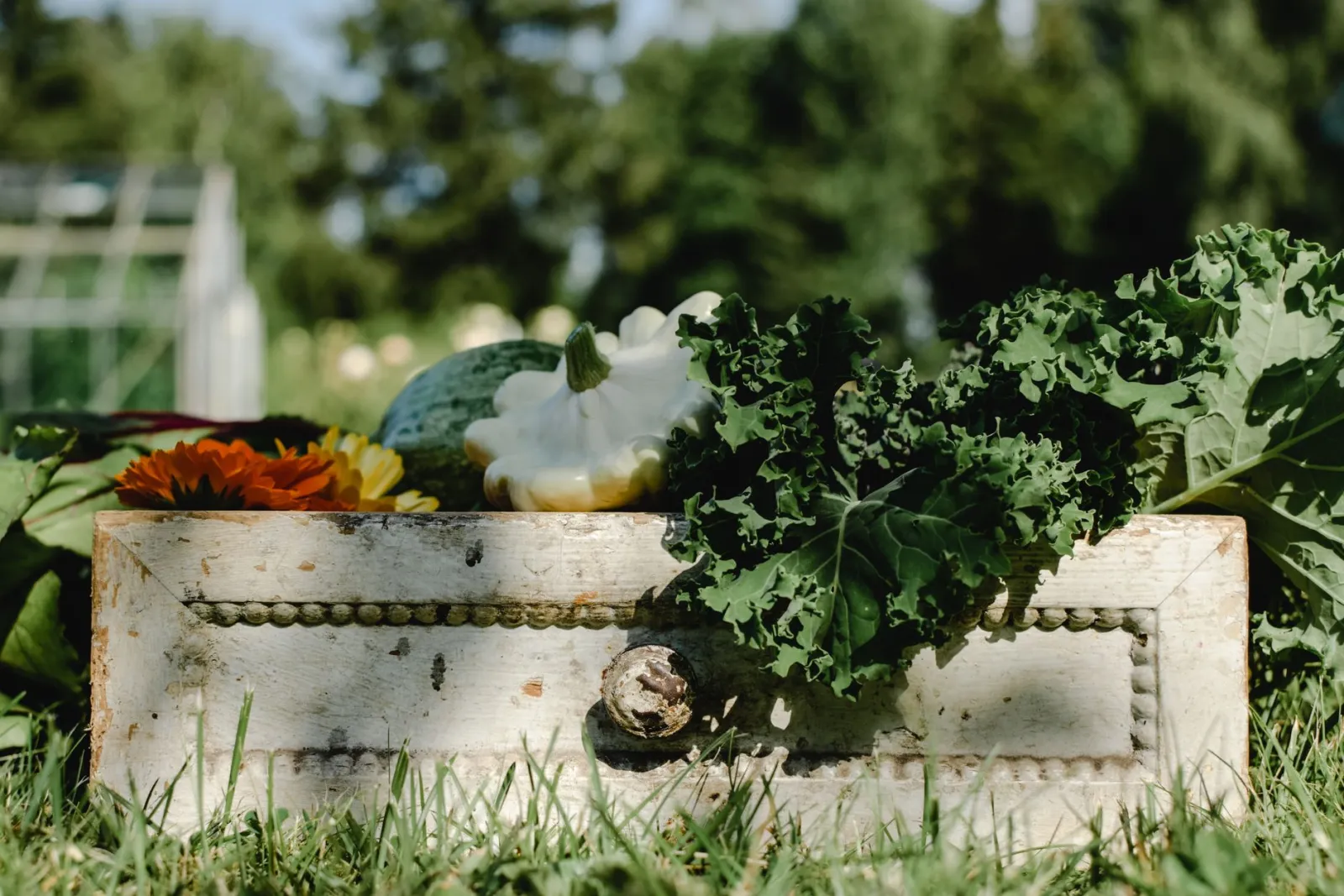
Because vegetables are solar-powered factories, and no amount of fertilizer compensates for shade. Leafy crops tolerate four to five hours of sun; fruiting crops such as tomatoes, peppers, squash and beans need six to eight hours, ideally including the middle of the day.
Walk your garden at three moments — morning, noon, late afternoon — and note where shadows fall. A spot that looks bright at 10 a.m. can sit in a building’s shadow by 2 p.m. Watch for the quiet thieves too: a hedge on the south side, a fence that blocks the low winter-to-summer sun path, a mature tree whose roots will steal water and nutrients from a bed placed too close.
Two practical checks before you commit:
- Water access. A bed more than 15 metres from a tap or water butt gets watered less often. That single detail kills more beginner gardens than pests do.
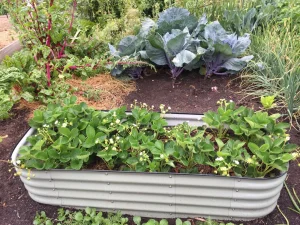
- Slope and drainage. Dig a 30 cm hole, fill it with water, and see how long it takes to drain. Still full after a few hours means clay-heavy soil that will waterlog roots — build a raised bed instead of fighting it.
A real case: a gardener with a shady back lawn and a sunny front strip often produces far more in the front strip — beans, chard, herbs — than in a bigger but shaded back plot. Square metres matter less than hours of light.
How do you prepare soil that vegetables will thrive in?
By feeding the soil, not the plants: spread 5 to 10 cm of mature compost over the surface each year and let worms and roots work it in. Soil structure — crumbly, dark, alive — is what holds water, drains excess and releases nutrients steadily.
Start with a simple texture test. Squeeze a handful of moist soil: if it forms a tight ball that stays stuck together, it holds too much clay; if it crumbles instantly and feels gritty, it drains too fast. Compost improves both. For clay, add compost and grit and never walk on wet beds — compaction is the enemy. For sand, compost plus a mulch layer keeps moisture from vanishing.
Then check the two numbers that matter most:
- pH. A basic soil test tells you whether your soil is acidic or alkaline. Most vegetables prefer slightly acidic to neutral soil; if yours is far off, compost and the right amendments bring it closer over a season or two.
- Nutrients. Don’t guess. A test reveals whether you need nitrogen for leaves, phosphorus for roots and fruit, or potassium for flowering. Overfeeding is as harmful as starving — excess nitrogen gives you huge leafy plants and almost no fruit.
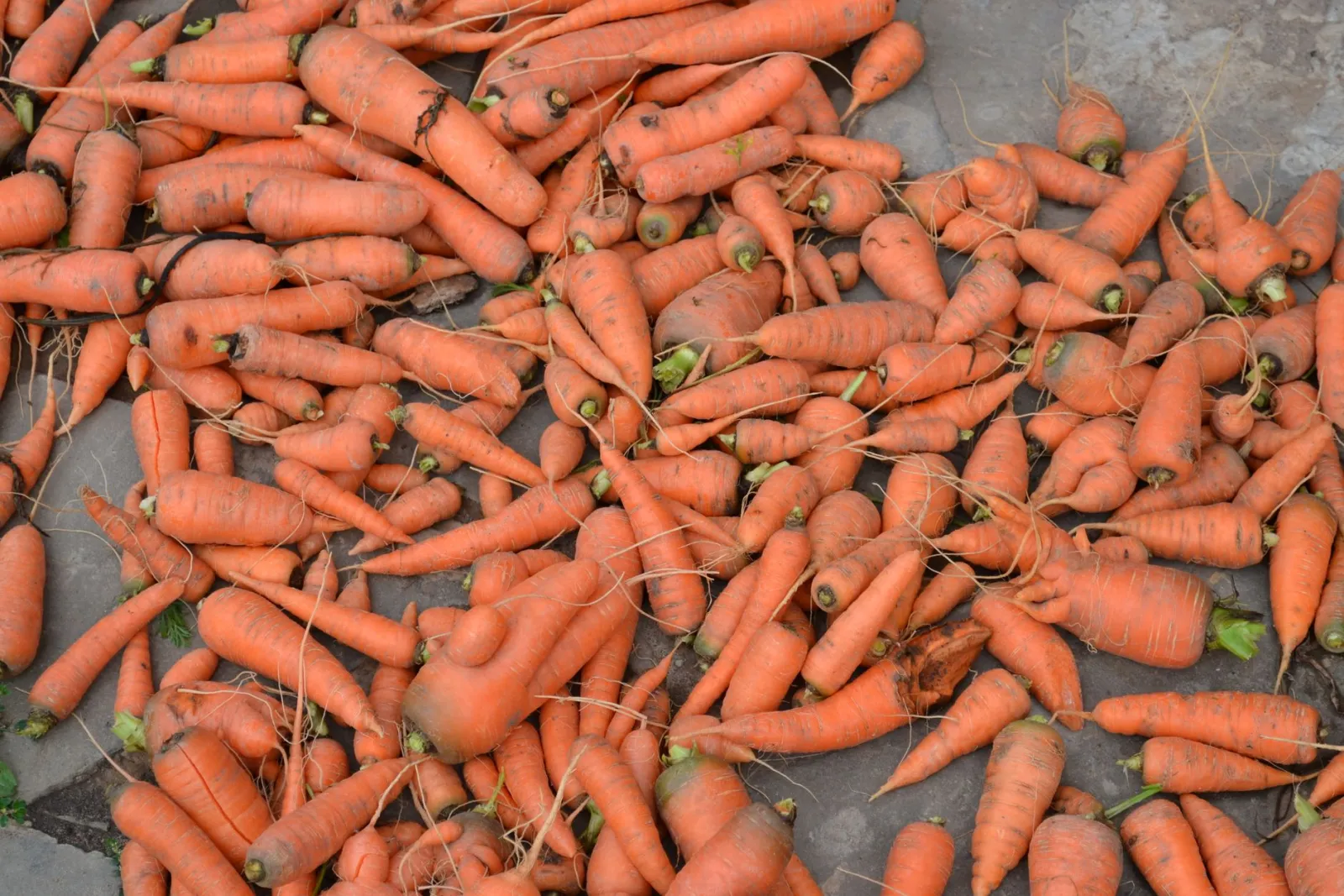
Concrete example: a bed that grew cabbages the previous year usually has nitrogen left over, so following with carrots or onions — which dislike fresh richness — works better than piling on more compost and watching carrots fork and split.
Which vegetables should you grow first, and how do you plan the space?
Grow what you genuinely eat, in quantities matched to your space, and stagger sowing so harvests arrive in waves rather than all at once. A single 1.2 m by 2.4 m bed can feed a small household with salad, herbs and a few fruiting plants if it’s planned rather than stuffed.
Three planning rules that save beginners a season of frustration:
- Start small. Four to six crops in the first year. A well-tended small bed beats an abandoned large one every time.
- Mix fast and slow. Radishes are ready in about four weeks, lettuce in six to eight, while tomatoes and squash need months. Fast crops fill the gaps and keep motivation high.
- Respect spacing. Seed packets state final spacing for a reason. Crowded plants compete for light and air, and poor airflow is the number one driver of fungal disease.
Here’s a simple way to compare crop types when you’re deciding what to plant:
| Crop type | Sun needed | Typical time to harvest | Space demand | Good for beginners? |
|---|---|---|---|---|
| Salad leaves and herbs | 4–6 hours | 4–8 weeks | Low | Yes — fast feedback |
| Radish, spinach, chard | 5–6 hours | 4–10 weeks | Low | Yes |
| Beans and peas | 6 hours | 8–12 weeks | Medium, vertical | Yes — grow them upwards |
| Tomatoes and peppers | 6–8 hours | 12–20 weeks | Medium to high | Yes, with support and staking |
| Pumpkins and squash | 6–8 hours | 14–20 weeks | High — they sprawl | Only with room to spare |
How do you keep a garden productive week after week?
By watering deeply but less often, mulching to hold moisture, and walking the beds twice a week to catch problems while they’re small. Consistency, not intensity, is what separates a productive plot from a struggling one.
Water at the base of plants in the morning, aiming for about 2 to 3 cm per week including rain — roughly a full watering can per square metre. Shallow daily sprinkling encourages weak, surface-level roots. A 5 cm mulch of straw, grass clippings or leaves cuts evaporation dramatically and smothers weeds before they establish.
Then treat inspection as a habit. Lift a leaf, look under it, check new growth. Aphids cluster on soft tips; slugs leave silver trails at dawn; yellowing lower leaves usually signal overwatering or tired soil. Catching a handful of aphids early takes two minutes; catching them two weeks later takes an afternoon.
Finally, feed the harvest. Pick beans and courgettes regularly — leaving them to mature stops the plant producing. Cut salad leaves rather than pulling the whole plant, and many varieties regrow two or three times. A garden that’s harvested is a garden that keeps giving.
FAQ
How much time does a vegetable garden take each week?
Expect roughly two to four hours a week during the growing season for a small bed of around five square metres — watering, weeding, checking plants. That drops in cooler weather. Starting with fewer crops keeps the routine manageable.
Can you grow vegetables in containers if you have no garden?
Yes. Use containers at least 30 cm deep with drainage holes, a quality potting mix (not garden soil, which compacts), and place them where they get full sun. Salad, herbs, chillies and compact tomato varieties all perform well in pots on a balcony or sunny windowsill.
What’s the single biggest beginner mistake?
Planting too much, too close, in too little sun. It’s a fixable trio — measure your light hours, follow spacing labels, and plant half of what you’re tempted to. Success builds from there.
The short answer
A successful vegetable garden comes down to sun, soil and selectivity: pick the sunniest spot you have, build soil with compost and drainage, and grow a modest range of crops you’ll actually eat. Add deep watering, a mulch layer and a twice-weekly walk-through, and the garden largely looks after itself. If you want the broader picture — seasonal planning, crop rotation, pest strategy and long-term soil care — a more complete guide on growing your own food covers it in depth.
To choose the right model : Vegetable Garden Seeds: Best Varieties and How to Choose
Was this guide helpful?
Share your experience with the WiseHomeGuides community.