This article contains Amazon affiliate links. As an Amazon Associate we earn from qualifying purchases.
In short :
- Pick varieties you’ll actually eat and that suit your climate, space and growing season.
- Beginners do well with fast, forgiving crops like salad leaves, radishes, courgettes, chard and bush tomatoes.
- Sow most seeds between late February and May, starting slow crops indoors and tender ones after the last frost.
- Choose a supplier who clearly prints sowing windows, harvest dates, disease resistance and the packed-for year.
- Order early to match your sowing calendar, and always read the packet before you buy.
The best vegetable garden seeds are varieties matched to your climate, your space and how you actually cook — not the biggest packet or the cheapest deal. Choose crops that suit your growing season, check the sowing window on each packet, and buy from a supplier who states harvest dates and germination information clearly. That single approach prevents most first-year disappointments.
What are the best seeds to buy for a vegetable garden?
The best seeds are the ones you will eat and that suit your conditions: fast, forgiving crops for beginners, and varieties bred for your local daylight and temperature range.
Start with what gets used in your kitchen weekly. A household that eats salad daily will get far more from a cut-and-come-again lettuce mix than from three courgette plants that ripen all at once in August. Think in terms of meals, not catalogues.
Then layer in reliability. These crops germinate readily, tolerate imperfect watering and give a harvest within a season:
- Salad leaves and radishes — ready in roughly three to four weeks, ideal for a quick confidence boost.
- Courgettes and runner beans — generous croppers that forgive erratic watering once established.
- Chard and kale — cut repeatedly over months rather than harvested once.
- Bush tomatoes — compact, no staking required, suited to pots and small plots.
- Carrots and beetroot — direct-sown roots that need little attention after thinning.
Here is a practical way to compare what you might sow:
| Crop type | Sowing style | Typical time to harvest | Best for |
|---|---|---|---|
| Salad leaves | Direct sow, repeat every 2–3 weeks | 3–4 weeks | Small spaces, impatient growers |
| Radish | Direct sow | 4–5 weeks | Filling gaps between slower crops |
| Bush beans | Direct sow after last frost | 10–12 weeks | Freezer stock, family plots |
| Tomatoes | Indoors, then transplant | 16–20 weeks from sowing | Greenhouse or sunny patio |
| Winter squash | Indoors or direct sow | 18–22 weeks | Storage through winter |
A real example: a gardener with a single raised bed and a sunny balcony gets more food from two successional sowings of salad and one pot of bush tomatoes than from a mixed packet of twenty crops, most of which never get the space they need.
What month should I start my vegetable seeds?
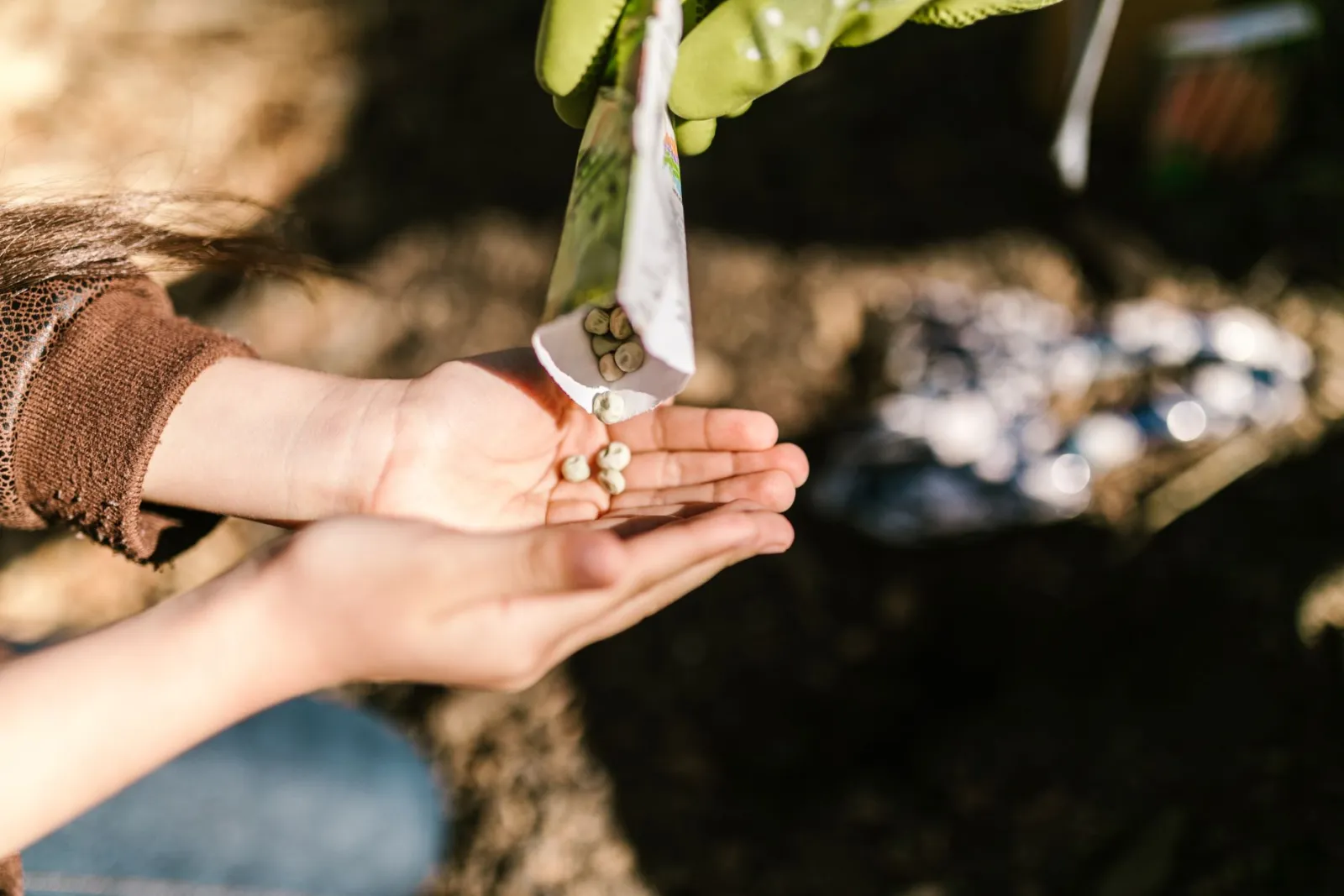
Most vegetable seeds are started between late February and May, but the correct month depends on the crop, your last frost date and whether you sow indoors or outside.
Work backwards from your last expected frost rather than from the calendar alone. Seed packets state a sowing window for a reason — it reflects day length and soil temperature, not marketing.
A workable rhythm for a temperate climate:
- Late winter (February–March): sow slow crops indoors — tomatoes, peppers, aubergines, onions. These need a long head start.
- Early spring (March–April): start hardy crops under cover — cabbage, lettuce, early brassicas — and direct sow broad beans and parsnips outdoors once soil is workable.
- Mid-spring (April–May): direct sow carrots, beetroot, radish and salad outdoors as soil warms.
- After the last frost (May–June): sow tender crops outdoors — beans, courgettes, sweetcorn — and plant out hardened-off seedlings.
- Midsummer onward: sow winter salad, spinach and overwintering greens for autumn and spring harvests.
Soil temperature matters more than air temperature. Carrot seed sown into cold, wet ground in early March often rots; the same seed sown two or three weeks later in warmer soil germinates evenly. A simple soil thermometer removes the guesswork.
What is the best company to buy vegetable seeds from?
There is no single best company — the right supplier is the one that gives you clear sowing and harvest information, honest germination guidance and varieties suited to your climate.
Judge a supplier by what is printed on the packet and the website, not by the size of the range. Look for:
- Harvest dates and sowing windows stated per variety, not per crop.
- Disease resistance notes — useful for tomatoes, brassicas and potatoes.
- Whether seed is open-pollinated or hybrid, which matters if you plan to save seed.
- Packed-for year printed on the packet, so you know the seed is fresh.
- Growing notes for your region, including hardiness and spacing.
Specialist suppliers often carry varieties bred for shorter seasons or wetter climates; general suppliers tend to stock reliable, widely grown types. Both are legitimate. A gardener in a cool, damp area benefits more from a supplier listing blight-resistant outdoor tomatoes than from the largest catalogue in the country.
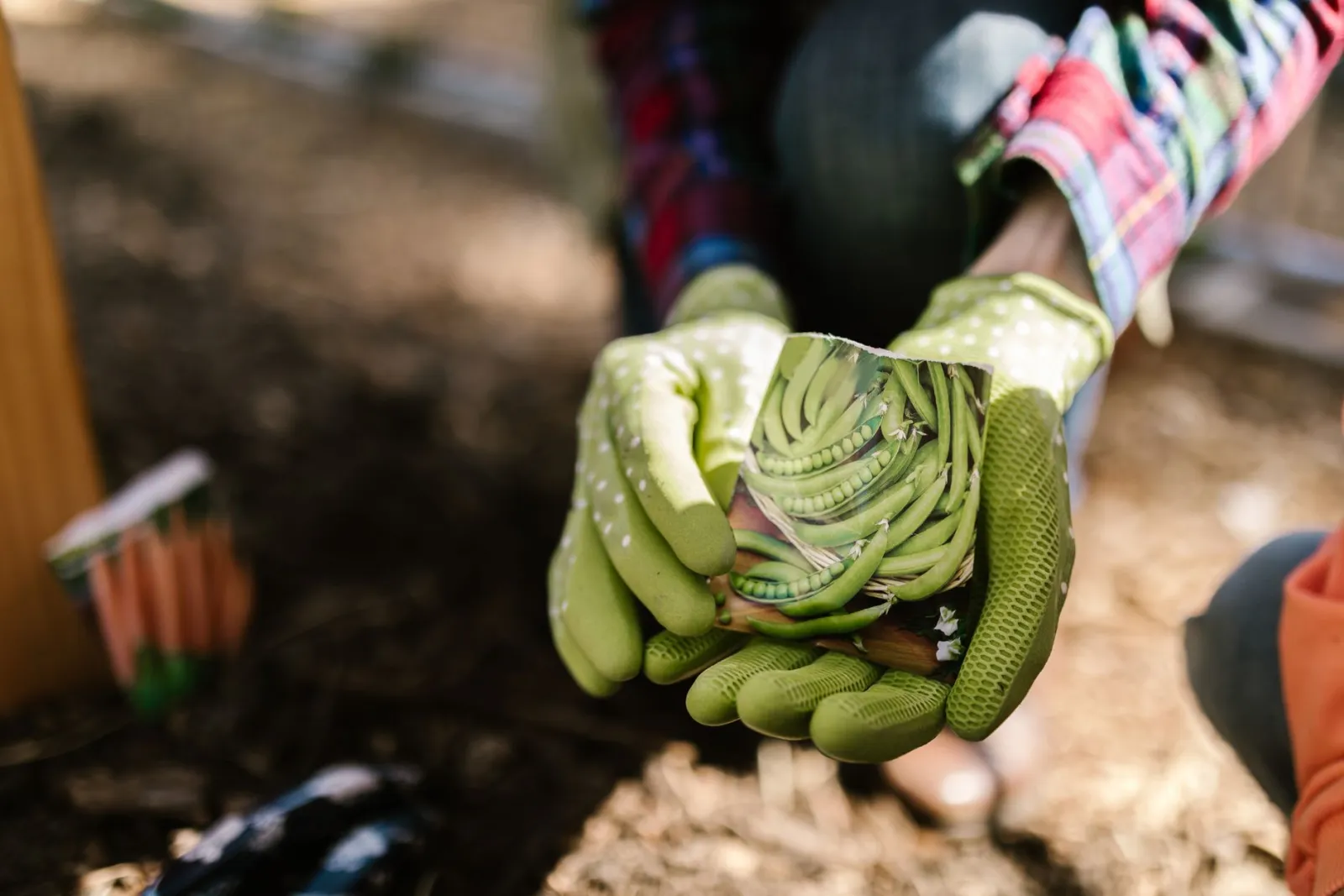
Buying in person has one clear advantage: you can read the back of the packet before committing. Online, check whether the listing shows the sowing window and harvest timing — if it does not, that tells you something.
Who is the best online seed supplier in the UK?
The best online seed supplier for you is the one whose catalogue matches your climate, whose packets carry full growing detail, and whose delivery timing fits your sowing calendar.
Rather than chasing a single name, use a short checklist when you land on a supplier’s site:
- Does each variety page show sowing months, spacing and time to harvest?
- Is the seed packed for the current or upcoming season?
- Are varieties described with their climate suitability — for example, outdoor or greenhouse, hardy or tender?
- Is there guidance on germination rates or seed counts per packet?
- Can you order in small quantities, so you are not storing years of unused seed?
Order timing is as important as the supplier. Seed ordered in January arrives in time for indoor sowings; the same order placed in April may miss the window for slow crops entirely. A practical habit: place one order in late winter for long-season crops and a second in spring for direct-sown types.
Small packets are not a false economy. Seed loses viability over time, and a modest packet sown within its stated season usually outperforms a large one kept in a drawer for three years.
Frequently asked questions
What are the best seeds to buy for a vegetable garden?
Start with crops you eat often and that grow easily in your conditions: salad leaves, radishes, bush beans, courgettes, chard and tomatoes. Add one or two slower or more challenging crops once you have a rhythm. Match each variety to your space and season rather than buying the widest assortment.
What month should I start my vegetable seeds?
Late February to May covers most sowings in a temperate climate. Slow crops such as tomatoes and peppers go indoors in late winter; hardy crops follow in early spring; tender crops like beans and courgettes wait until after the last frost. Always check the sowing window on the packet and the soil temperature outdoors.
What is the best company to buy vegetable seeds from?
Choose a supplier that prints sowing windows, harvest timing, disease resistance and the packed-for year on every variety. Whether specialist or general matters less than the quality of the growing information and the freshness of the seed.
Who is the best online seed supplier in the UK?
There is no universal answer. Pick a supplier whose catalogue suits your climate and whose listings show full growing detail, then order early enough for your sowing calendar. Ordering in late winter for long-season crops and again in spring for direct sowings keeps you on schedule.
Conclusion
The best vegetable garden seeds are varieties chosen for your climate, your space and your kitchen — bought from a supplier who tells you exactly when to sow and when to harvest. Start small, sow in succession, and read the packet before you buy. For a broader look at planning, sowing and caring for a productive plot across the whole season, a more complete guide on the main site covers the full picture.
Was this guide helpful?
Share your experience with the WiseHomeGuides community.