In short :
- Forks go on the left, knives and spoons on the right.
- Guests work from the outside in, course by course, so place each utensil in the order it’ll be used.
- Keep the knife blade facing the plate and leave a little space between pieces.
- Only lay out what you’ll actually use — one set per person is perfectly fine.
- If you remember nothing else, the outside-in rule handles almost every meal you’ll ever host.
Picture this: the food is ready, the plates are warm, and you’re about to sit down with friends. Then someone asks, “Which fork do I use?” A properly set table answers that question before it’s ever asked. Cutlery placement isn’t about rigid etiquette for its own sake — it’s a quiet signal system that tells each guest what to expect and helps the meal flow without awkward pauses.
The good news? You don’t need a formal hospitality course. A few reliable rules cover almost every situation, from a Tuesday-night family dinner to a birthday lunch. Below, I’ll walk you through the logic behind the placement, the handful of arrangements that actually matter, and the small details that make a table feel considered without feeling fussy.
The Core Principle: Work From the Outside In
Almost every cutlery rule flows from one simple idea: diners start with the outermost utensils and work their way inward, course by course. Once you understand this, you can set any table from memory.
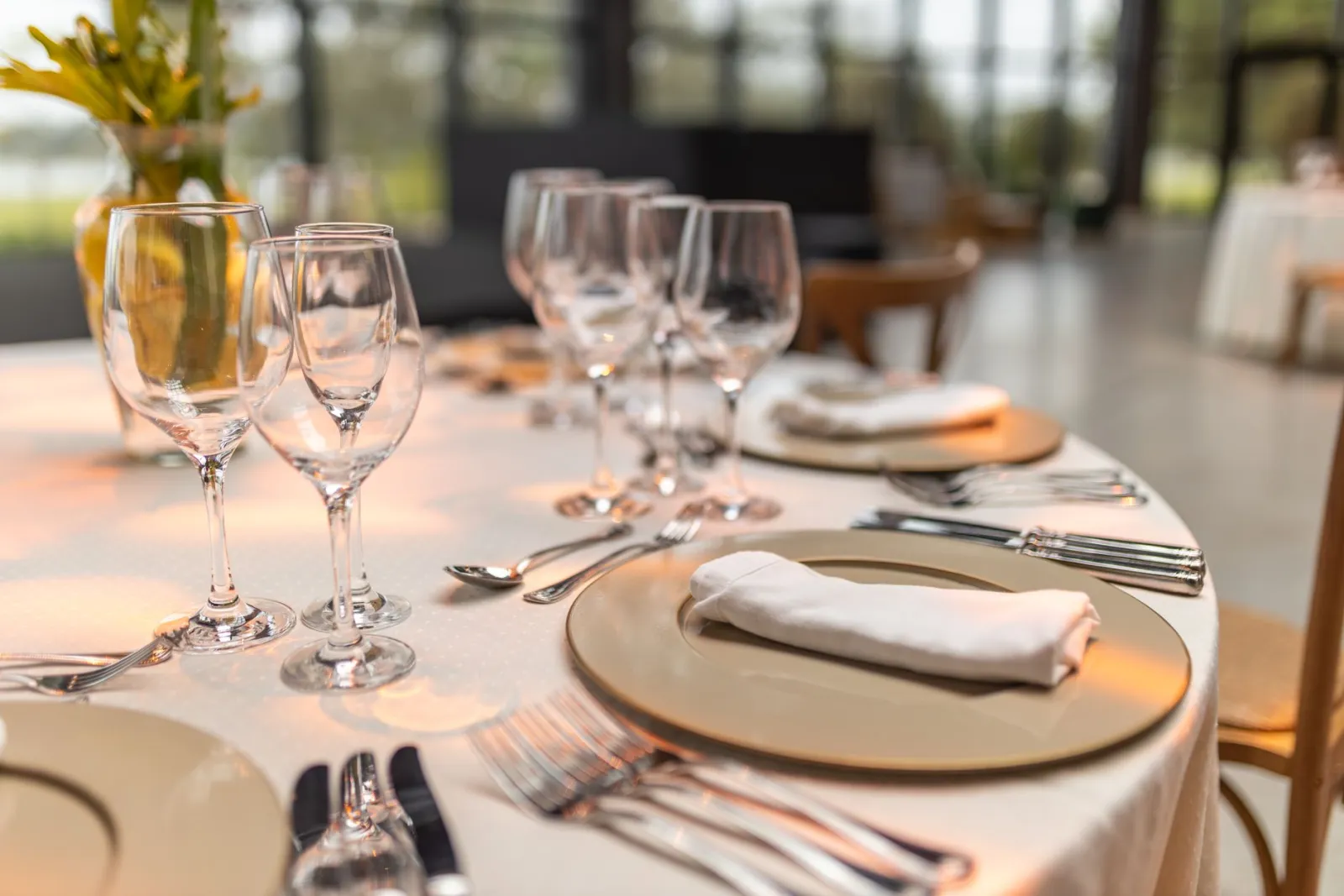
Here’s how it plays out in practice. Forks go to the left of the plate, knives and spoons to the right. If you’re serving a starter followed by a main, the starter fork sits on the far left, with the main-course fork closer to the plate. On the right, the knife for the main course sits nearest the plate, and any spoon for soup or dessert sits further out.
A concrete example makes it click. Imagine a small dinner with soup, then roast chicken. You’d place, from left to right: soup spoon is actually on the right — so the left side holds just one fork for the chicken. On the right, from the outside in: the soup spoon first, then the knife for the chicken. As each course arrives, guests remove the outermost utensil, and by dessert the table has naturally cleared itself. No confusion, no guessing.
One practical note: the blade of every knife should face the plate. It’s a small thing, but it’s the detail people notice without quite knowing why.
Where Each Piece Goes: A Quick Reference
Let’s get specific. Below is the standard arrangement for a plate with a main course and a dessert to follow. Treat it as your default template and adapt from there.
| Position | What Goes There | Key Detail |
|---|---|---|
| Left of plate | Forks | Outermost fork = first course used |
| Right of plate | Knives, then spoons | Knife nearest the plate, blade facing in |
| Above the plate | Dessert spoon and fork | Optional; can also arrive with dessert |
| Right, above knife | Glasses | Positioned above the knife tip |
Notice what’s not crowded onto the table. A common mistake is laying out every utensil you own “just in case.” Resist that urge. Extra cutlery clutters the setting and creates doubt. If a course doesn’t exist, its utensil shouldn’t be there.
Consider a real scenario: a family serving pasta with a side salad. The salad fork goes on the outside left, the pasta fork inside it. That’s it — two forks, one knife, one spoon if there’s a sauce to twirl. It looks intentional and calm, which is exactly the point.
Handling Special Cases Without Panic
Not every meal fits the template, and that’s fine. A few common situations trip people up, so let’s address them directly.
When dessert is served later
You have two clean options: place the dessert spoon and fork horizontally above the plate from the start, or bring them out on a small plate with the dessert itself. For casual meals, the second approach is easier and less cluttered. For a more formal dinner, the above-the-plate placement signals that a sweet course is coming — a small, pleasant anticipation.
When there’s no starter
Simply omit the outermost fork. A single fork on the left and a single knife on the right is a perfectly complete setting. Many hosts overthink this and add a second fork “for balance.” Don’t. Empty space on a table reads as elegance, not incompleteness.
When guests have different needs
If someone is left-handed or prefers their knife in the other hand, they’ll simply switch things around — and that’s completely acceptable. Etiquette exists to make people comfortable, not to correct them. Set the table thoughtfully, then let guests do what works for them.
A quick real-world example: at a recent family gathering, a guest quietly swapped her fork to the right side. Nobody blinked. The table was set with care, and the meal carried on. That’s the balance you’re aiming for.
Small Details That Make a Big Difference
Beyond placement, a few touches separate a table that’s “set” from one that feels genuinely welcoming.
- Leave breathing room. Utensils shouldn’t touch the plate or each other. A finger’s width of space looks tidy and deliberate.
- Align the bottoms. Line up the handles so their ends sit roughly level with each other. It’s a subtle cue of care.
- Keep it clean and dry. Water spots and smudges are the fastest way to undercut an otherwise lovely setting. A quick polish before laying each piece down takes seconds.
- Match the mood, not a rulebook. A relaxed brunch doesn’t need dessert forks hovering above the plate. Scale the formality to the occasion.
Here’s the test I recommend: step back and look at the place setting from a guest’s seat. If you can tell at a glance which utensil to pick up first, you’ve done it right. If you hesitate, simplify.
Frequently Asked Questions
Do I really need a separate fork for salad?
Not always. For everyday meals, one fork is plenty. A separate salad fork makes sense when the salad arrives as its own course before the main dish, since it keeps flavours and plates separate. If the salad comes alongside the main course, skip it.
Should the spoon go on the left or the right?
On the right, always — unless it’s a dessert spoon placed above the plate. Spoons sit to the right of the knife, with the outermost spoon used first. This is one of the few rules with almost no exceptions.
What if I only own one set of cutlery per person?
Then set exactly that: one fork left, one knife right. A table set with a single, well-placed set of cutlery looks clean and confident. Guests won’t notice what’s missing; they’ll notice that everything is where it should be.
The Short Answer
To set a dinner table with cutlery, remember the outside-in rule: forks on the left, knives and spoons on the right, and each course’s utensil placed so guests work inward as the meal progresses. Keep the blade facing the plate, leave a little space between pieces, and only lay out what you’ll actually use. That’s the whole system — and it handles nearly every meal you’ll ever host.
If you’d like to go further — glassware placement, napkin folding, centrepiece ideas, and how to adapt settings for larger gatherings — a more complete guide to setting a table for any occasion covers the full picture. For tonight, though, the outside-in rule is all you need.
To choose the right model : Extendable Dining Table: How to Choose the Best
Was this guide helpful?
Share your experience with the WiseHomeGuides community.