In short :
- Pick your sunniest spot first, because sunlight is the one thing you can’t fix later.
- Start small with easy crops you actually eat, like salad greens, herbs, cherry tomatoes, and beans.
- Improve the soil with compost, plant with the seasons, and keep water within easy reach.
- Skip raised beds for tall or sprawling crops like corn, pumpkins, and potatoes.
- Do these basics and you’ll harvest something worth eating this season without buying loads of gear.
You don’t need a big backyard, expensive tools, or years of experience. Starting a vegetable garden comes down to a few decisions made in the right order: where to put it, what to grow, and how to keep it alive long enough to actually harvest something. Most beginners fail not because they lack a green thumb, but because they try to do everything at once — twelve crops, a fancy layout, and a watering schedule they abandon by week three.
The good news? A productive vegetable garden can be modest. A single sunny patch of soil, a handful of well-chosen seeds, and twenty minutes of attention a few times a week will get you there. This guide walks you through the practical steps that matter most, so you can start this season instead of waiting for the “perfect” moment.
Choose the right spot before you buy anything
Sunlight is the single factor you can’t fix later. Most vegetables — tomatoes, peppers, squash, beans — want six to eight hours of direct sun per day. Leafy greens like lettuce and spinach tolerate a bit less, around four to five hours, which makes them a smart choice for a shadier corner.
Watch your intended spot over a full day before committing. A patch that looks bright at noon might sit in shadow from a fence or tree by mid-afternoon. That matters: a tomato plant in five hours of sun will grow, but it will stretch, flower poorly, and ripen fruit slowly compared to one in full sun.
Two more practical checks:
- Water access. A garden far from a tap or hose is a garden you’ll neglect. Keep it within easy reach — carrying watering cans across a yard gets old fast in July.
- Drainage. After heavy rain, does water pool in that spot for hours? If so, pick another location or plan to build up the soil. Roots that sit in waterlogged ground rot.
Consider proximity to the house too. A bed you walk past daily gets noticed — weeds pulled, pests spotted, ripe beans picked before they turn tough. A garden hidden behind a shed tends to be forgotten.
Start small, and pick easy wins first
Here’s the advice most beginners ignore: your first garden should be smaller than you think. A bed of roughly one meter by two meters is plenty to learn on. You’ll make mistakes — everyone does — and it’s far less discouraging to lose a few plants in a small bed than to watch an entire plot struggle.
What to grow? Choose crops that reward effort quickly and forgive neglect:
- Radishes — ready in under a month, ideal for impatient beginners.
- Lettuce and salad greens — fast, cut-and-come-again harvesting, tolerant of partial shade.
- Bush beans — productive, low-maintenance, no staking required.
- Zucchini — one or two plants will likely give you more than you can eat.
- Cherry tomatoes — more forgiving than large slicing varieties and ripen earlier.
Skip the fussy crops in year one. Cauliflower, celery, and anything that demands precise timing can wait. Grow the easy things, get a harvest, and build confidence.
A realistic example: a beginner who plants four lettuce plants, a row of radishes, and two zucchini in a small sunny bed will likely harvest salad within six weeks and zucchini by midsummer — enough success to keep going next year.
Prepare the soil and plant with the seasons in mind
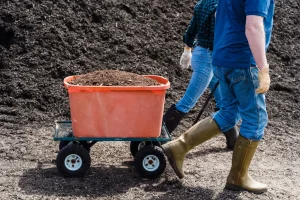
Soil is the foundation, and it doesn’t need to be complicated. Most vegetables want loose, well-draining ground rich in organic matter. If your soil is heavy clay or sandy, mixing in compost improves structure and feeds the plants at the same time. You can spread a few centimeters of compost over the bed and work it into the top layer before planting.
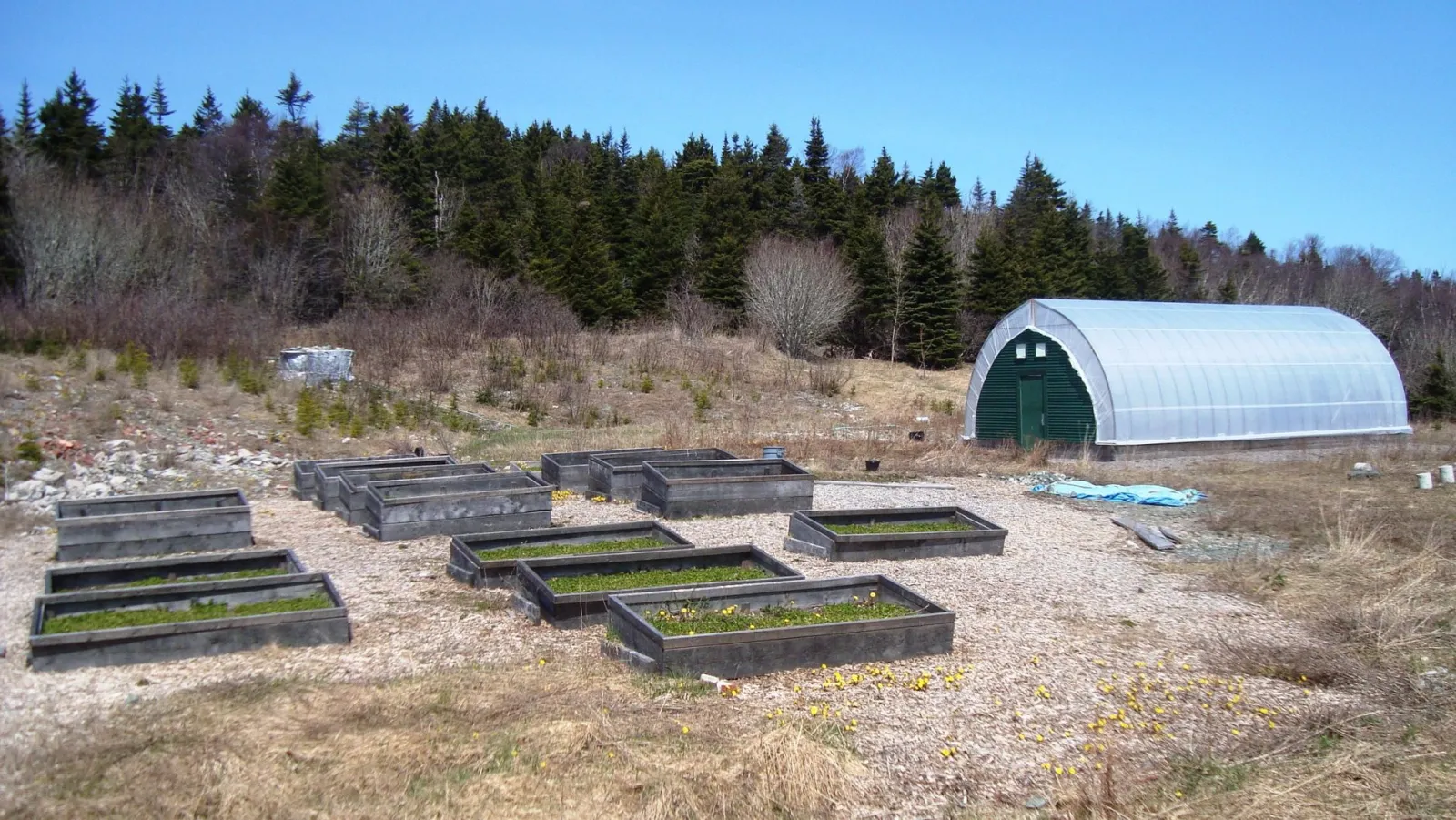
If your ground is poor or you’re gardening on a patio, a raised bed filled with a soil-and-compost mix solves the problem neatly. Just be aware that raised beds dry out faster in summer, so they need more frequent watering.
Timing matters as much as placement. Cool-season crops — lettuce, spinach, peas, radishes — thrive in spring and early autumn. Warm-season crops — tomatoes, peppers, beans, corn — need soil that has warmed up and no risk of frost. Planting tomatoes too early in cold ground stalls their growth for weeks.
Here’s a simple way to think about it:
| Season | What to plant | Why |
|---|---|---|
| Early spring | Peas, radishes, spinach, lettuce | Tolerate cool soil and light frost |
| Late spring / early summer | Tomatoes, beans, zucchini, peppers | Need warmth and no frost risk |
| Late summer / early autumn | Greens, radishes, garlic (for next year) | Fast crops before cold sets in |
Water, weed, and watch — the maintenance that makes the difference
Once plants are in, the routine is simple but consistent. Water deeply a few times a week rather than lightly every day — deep watering encourages roots to grow downward, making plants more resilient in dry spells. Early morning is the best time; evening watering leaves foliage damp overnight, which invites disease.
Weeds compete for water and nutrients, so pull them while they’re small. Ten minutes of weeding weekly beats an hour of catching up later. And walk your garden regularly — most pest problems are far easier to handle when spotted early. A few aphids on a rose bush can be rinsed off; an infestation left for two weeks is another story.
One common beginner trap: overwatering. Yellowing leaves and wilting despite wet soil often signal drowned roots, not thirst. Stick a finger into the soil a few centimeters down — if it’s moist, hold off.
Frequently asked questions
How do I start a vegetable garden?
Pick a sunny spot with good drainage and easy water access, start with a small bed, improve the soil with compost, and plant easy, fast-growing crops suited to the season. Then keep up simple watering and weeding. The goal in year one is a modest harvest and a bit of learning — not a perfect plot.
Is October too late to plant?
Not necessarily. October is a good time for garlic, which overwinters in the ground, and for quick cool-season crops like spinach and radishes in milder climates. It’s also the moment to plant a cover crop to protect and feed bare soil over winter. What won’t work is starting warm-season crops like tomatoes — they need heat that October no longer provides.
What vegetables should not be grown in a raised bed?
Tall, sprawling, or deeply rooted crops are awkward in raised beds. Corn needs a large block for pollination and grows tall enough to catch wind. Pumpkins and winter squash sprawl far beyond a bed’s edges. Potatoes and parsnips want depth that shallow raised beds don’t offer. Perennial crops like asparagus and rhubarb also prefer a permanent spot in open ground.
Is it cheaper to grow your own vegetables?
It can be, but not automatically. The biggest savings come from high-value crops you eat often — salad greens, herbs, cherry tomatoes, beans — grown from seed in a modest bed. The costs add up when you buy lots of equipment, fancy containers, or plants you barely harvest. Grow what you actually eat, start small, and the economics tend to work in your favor.
The bottom line
Starting a vegetable garden is a series of small, sensible choices: the right sunny spot, a bed small enough to manage, soil improved with compost, crops matched to the season, and a simple watering routine. Do those things and you’ll almost certainly harvest something worth eating this season — and learn enough to do better next year.
If you want the bigger picture — planning a full garden layout, crop rotation, and long-term soil care — a more complete guide on the general theme is available on the site. For now, pick your spot, grab a bag of compost, and plant something this week.
Was this guide helpful?
Share your experience with the WiseHomeGuides community.