In short :
- Sort your laundry by heat sensitivity before anything goes in the drum, not just by colour.
- Load the drum full but loose so air can move, and never pack it tight.
- Use the sensor cycle and low heat for synthetics, wool, and anything with elastane.
- Clean the lint filter every time and pull clothes out promptly to avoid wrinkles.
- For towels and bedding, a short dryer cycle plus line drying saves energy and still feels soft.
A tumble dryer looks simple: load, close, press start. Yet the same machine that leaves one load soft and fluffy can shrink a jumper into doll’s clothing or bake a towel into sandpaper. The difference is rarely the appliance. It’s how you use it.
Understanding a few mechanical principles changes everything. A dryer works by pulling warm, dry air through damp fabric while the drum tumbles it to expose fresh surfaces. Heat evaporates moisture, airflow carries it away, and movement prevents wrinkles from setting in. Get any of those three factors wrong — too much heat, blocked airflow, or an overloaded drum — and results suffer. This guide walks through the practical decisions that matter: sorting, loading, choosing the right cycle, and knowing when air-drying is simply the smarter call.
Sort Before You Load — and Know What Should Never Go In
The single most common dryer mistake happens before the machine is even switched on: tossing everything in together. Heat tolerance varies wildly between fabrics, and one high-heat cycle can permanently alter a garment’s fit or texture.
Separate your load by heat sensitivity, not just colour. Heavy cottons — towels, sheets, jeans — handle medium to high heat without complaint. Synthetics, blends, and anything with elastane prefer low heat, because high temperatures relax the fibres and cause shrinkage that never reverses. Delicates and wool deserve either a cool air-fluff setting or no dryer at all.
Some items should stay out of the drum entirely. Anything labelled dry-clean-only, foam-filled cushions, rubber-backed bath mats, and garments with glued-on embellishments can be damaged by heat or tumbling. Tumble-dryer lint filters also catch a surprising amount of fibre, so items that shed heavily — chenille, cheap fleece — wear out faster with frequent drying.
A concrete example: a cotton T-shirt and a cotton-polyester blend shirt may look identical on the label’s first line, but the blend will shrink and pill at high heat while the pure cotton emerges fine. Reading the full fibre composition, not just the fabric name, tells you which pile it belongs in.
Quick sorting checklist
- High heat: towels, bedding, sturdy cottons, denim.
- Low heat: synthetics, blends, sportswear, anything stretchy.
- Air fluff / no heat: delicates, items you want to refresh rather than dry.
- Keep out: wool unless labelled tumble-safe, foam, rubber-backed items, dry-clean-only pieces.
Load the Drum Correctly — Full but Not Packed
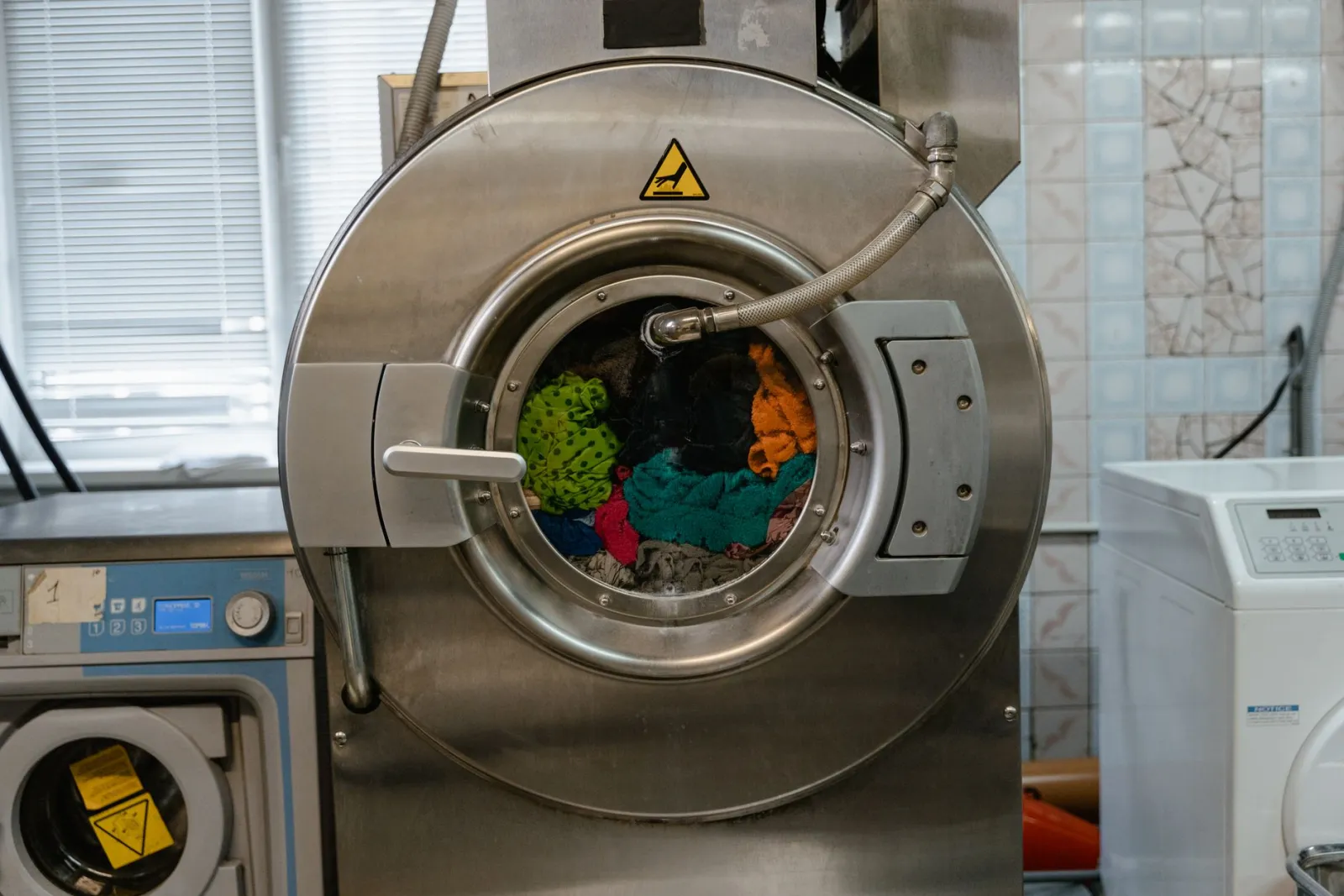
An overloaded dryer is an inefficient dryer. When clothes are crammed in, hot air can’t circulate, moisture stays trapped, and you end up running a second cycle — which wastes energy and over-dries the outer layer while the centre stays damp.
Aim for a drum that’s about two-thirds full, loosely filled. Items should tumble freely, not sit in a compressed lump. If you can’t fit a hand comfortably into the drum past the clothes, it’s too full. On the flip side, drying one small item alone is wasteful; wait until you have a reasonable load, or use a timed short cycle for a single garment.
Shake each item out before loading. This sounds fussy, but it matters: a crumpled sheet dries unevenly and comes out a wrinkled mess, while a shaken-out one emerges nearly iron-free. Unbutton duvet covers and turn pockets out so air reaches every layer.
A real-world case: a family drying a full basket of mixed laundry in one go often finds the towels still damp after the cycle while the light shirts are bone-dry and stiff. Splitting into two smaller, sorted loads usually finishes the job in less total time than one overloaded attempt.
Choose the Right Cycle and Use the Sensor Wisely
Modern dryers offer sensor cycles that measure moisture and stop when clothes are dry, plus timed cycles that simply run for a set duration. Sensor mode is generally the better default — it avoids over-drying, which is the main cause of static, shrinkage, and fabric wear.
Match the cycle to the load, not to habit. Cottons get their own setting; synthetics get low heat; a “ready to iron” or slightly-damp setting helps if you plan to iron or hang items immediately. Permanent-press or anti-crease options tumble with cool air at the end to reduce wrinkling — genuinely useful if you can’t unload the machine the moment it stops.
Don’t ignore the lint filter. A clogged filter restricts airflow, lengthens drying time, and can be a fire risk. Clean it before or after every load — it takes seconds. Empty the water container on condenser models and check the heat exchanger periodically if your machine has one.
Cycle selection at a glance
| Load type | Recommended setting | Watch out for |
|---|---|---|
| Towels, bedding, denim | Cotton, medium-high heat, sensor | Over-drying makes towels stiff |
| Synthetics, blends, sportswear | Low heat, sensor | High heat causes shrinkage and pilling |
| Delicates, wool (if tumble-safe) | Air fluff or cool, short | Check labels first; tumbling can stretch |
| Single item or refresh | Timed short cycle | Don’t run a long cycle for one garment |
A practical observation: clothes that come out overly hot and crackling with static are a sign the cycle ran too long or the heat was set too high. Pulling them out while slightly damp and hanging them to finish usually solves both problems.
FAQ
Can I put everything in the tumble dryer?
No. Wool that isn’t labelled tumble-safe, foam-filled items, rubber-backed mats, and dry-clean-only garments should stay out. Always check the care label’s tumble-dry symbol — a circle inside a square. A dot inside means low heat is acceptable; a cross through it means no tumble drying.
Why do my clothes come out wrinkled?
Usually because the drum was overloaded, items weren’t shaken out before loading, or the load sat in the machine after the cycle ended. Remove clothes promptly, shake them, and fold or hang straight away. An anti-crease setting helps if you can’t unload immediately.
Is it cheaper to air-dry instead?
A tumble dryer uses noticeable energy, so air-drying on a line or rack costs nothing to run. For heavy items like towels and bedding, combining a short dryer cycle with line drying cuts energy use while still giving a soft finish. Use the dryer for convenience and weather-dependent loads, not as the only option.
The Bottom Line
Using a tumble dryer well comes down to three habits: sort by heat sensitivity, load the drum loosely, and let a sensor cycle stop when the clothes are actually dry. Clean the lint filter every time, pull items out promptly, and keep heat-sensitive fabrics on low. Do those things and you’ll get soft, evenly dried laundry without the shrinkage surprises.
For a broader look at laundry routines, fabric care, and getting the most from your appliances, a more complete guide on the general topic is available on the site.
Was this guide helpful?
Share your experience with the WiseHomeGuides community.