In short :
- Don’t measure salt by the spoonful — just fill the reservoir right to the top every time.
- The real thing to manage is how often you refill, which depends on your water hardness and how much you run the machine.
- Set your water hardness level correctly on the machine, because that setting controls everything else.
- Refill when the indicator light comes on, or roughly every few weeks in hard water.
- If you spill any, wipe it up and run a short rinse so it doesn’t pit the steel.
You’ve just bought your first bag of dishwasher salt, you’re standing in front of the open door, and the question hits you: how much is actually enough? A handful? A full cup? The whole bag? It feels like one of those things everyone is supposed to know, yet nobody ever explains properly. Get it wrong and you either waste salt or, worse, leave your machine fighting limescale with no ammunition.
The short answer is simpler than you’d think: you don’t measure salt by volume or weight at all. You fill the salt reservoir until it’s full, and you let the machine’s built-in water hardness setting do the rest. The real skill isn’t in the quantity you pour — it’s in how often you top up and how you’ve configured the softener. Below, I’ll walk you through exactly how to get this right, whatever your water and whatever your routine.
Why “How Much” Is the Wrong Question — and the Right One
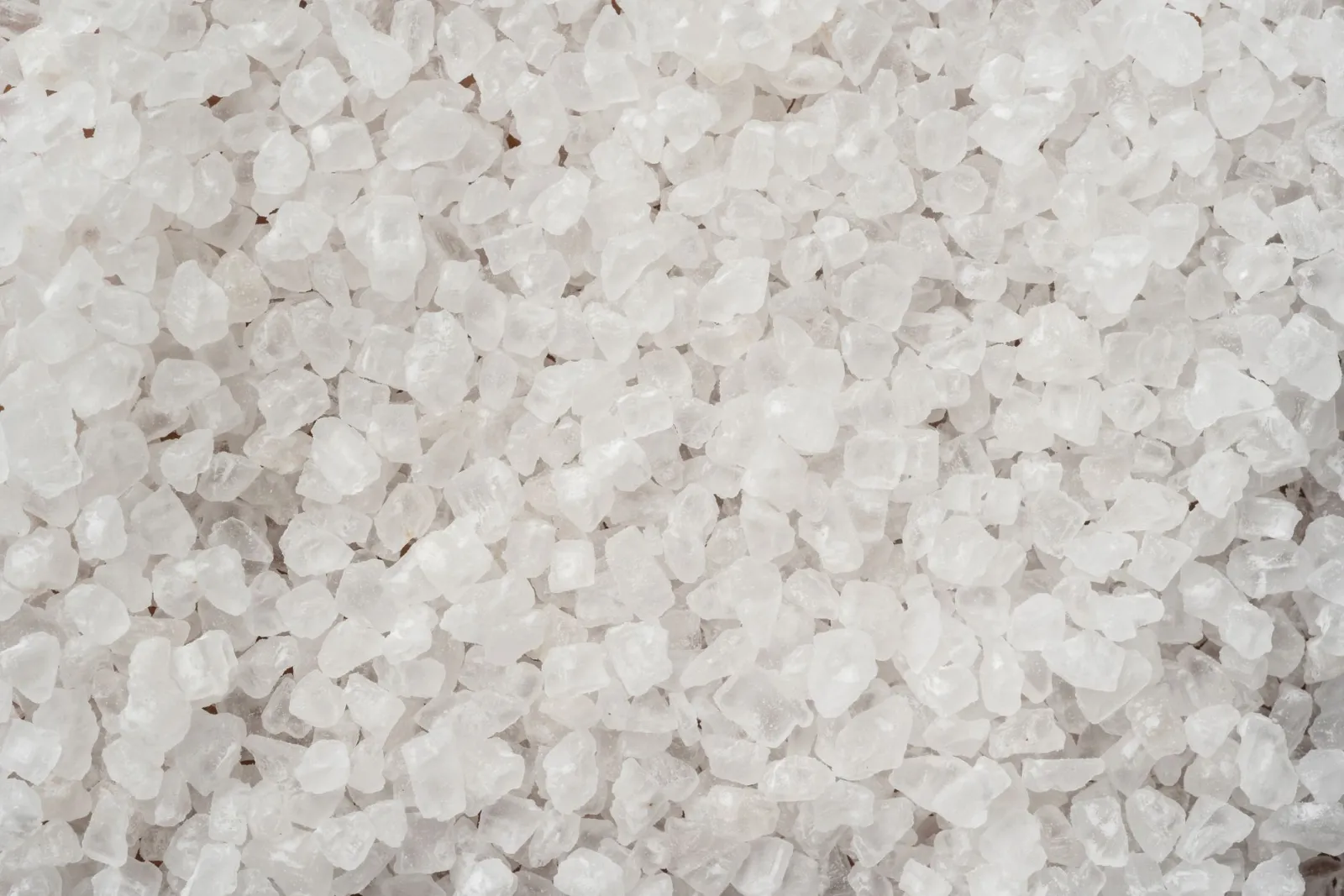
Dishwasher salt doesn’t go into the wash water directly. It regenerates the ion-exchange resin inside the water softener, and that resin is what actually removes the calcium and magnesium that cause limescale. The reservoir is designed to hold a set amount — typically enough for several weeks of cycles — and it should be filled to the brim each time. There’s no “dose” to calculate per wash.
So what should you actually be asking? Two things: how full should the reservoir be, and how often should you refill it. The first answer is always “full.” The second depends on your water hardness and how often you run the machine.
Here’s a concrete example. Two households, same dishwasher model. One lives in a soft-water city and runs one cycle a day; their salt lasts roughly two months. The other lives in a hard-water area and runs three cycles a day; their reservoir empties in about three weeks. Same “amount” poured in — completely different refill rhythm. That’s why the quantity per fill is fixed but the frequency is personal.
One practical detail worth knowing: many machines have a salt indicator light that comes on when the level drops. Don’t wait for it to glow red before you act. Once it’s on, the softener may already be running low, and hard water starts leaving deposits. Top up as soon as the light appears, and you’ll never run dry.
Filling the Reservoir Correctly: Step by Step

Filling is quick, but a couple of small mistakes cause most of the problems people blame on salt. Follow this sequence and you’ll avoid the classic pitfalls.
- Unscrew the salt cap — usually at the bottom of the tub, sometimes under the lower basket. Remove the basket if it’s in the way.
- Use a funnel if your machine didn’t come with one. It keeps salt out of the tub floor, where stray grains can cause corrosion over time.
- Fill until the salt reaches the top of the reservoir. It’s normal for the water inside to overflow slightly — that’s just displacement, not a fault.
- Wipe away any spilled grains from the tub floor with a damp cloth before closing. This one step prevents most pitting and rust complaints.
- Run a rinse cycle (or a short wash) straight after filling if you spilled any salt. A quick rinse clears residue before it can settle.
Real-world case: someone fills the reservoir in a hurry, screws the cap back on, and skips the wipe. A week later there’s a chalky, crusty patch on the stainless steel floor. That’s not a manufacturing defect — it’s salt left sitting on the surface. Thirty seconds with a cloth would have prevented it entirely.
Never use table salt or cooking salt as a substitute. Those contain anti-caking agents and iodine that can clog the softener resin and, over time, damage the unit. Dishwasher salt is coarse and pure for a reason.
Setting Water Hardness: The Multiplier That Changes Everything
Here’s the part most people skip — and it’s the single biggest factor in how much salt your machine actually consumes. Your dishwasher has a water hardness setting, usually adjustable in levels. If it’s set too low for your water, the softener regenerates too rarely, limescale builds up, and no amount of salt will save you. Set it too high, and you’ll burn through salt needlessly.
How do you find your water hardness? Check your water supplier’s published report, use a simple test strip, or ask your local authority. Then match that number to the levels in your machine’s manual. A household in a very hard-water zone might need the highest setting; a soft-water household might need the lowest or even none at all.
Concrete example: a family moves from a soft-water region to a hard-water one, brings their dishwasher, and keeps the old setting. Within months, glasses come out cloudy and the heating element starts scaling. The fix wasn’t more salt — it was raising the hardness level by two notches. Salt consumption went up slightly, but the limescale stopped dead.
| Water Hardness | Typical Softener Setting | Refill Rhythm (approx.) |
|---|---|---|
| Soft | Low | Every 6–8 weeks |
| Medium | Mid | Every 4–6 weeks |
| Hard | High | Every 3–4 weeks |
| Very hard | Highest | Every 2–3 weeks |
Treat those intervals as a starting point, not gospel. Watch your salt indicator and adjust. The machine will tell you what it needs if you pay attention.
Signs You’re Using Too Little — or Too Much
Salt problems announce themselves clearly once you know what to look for. On the too-little side: cloudy glasses, a white film on dishes, scale on the heating element, and a salt light that’s been on for weeks. If dishes feel gritty after a cycle, the softener isn’t keeping up.
On the too-much side, it’s subtler. Over-softened water can leave a slippery feel, and if the hardness setting is cranked higher than needed, you’ll empty the reservoir fast for no benefit. There’s also the corrosion risk from spilled salt left on the tub floor — a real issue that gets misdiagnosed as a machine fault.
A practical observation from common cases: people who complain their salt “disappears too quickly” often have the hardness level set too high, or they’re refilling a reservoir that was only half empty because the indicator spooked them. Check the level before assuming. And people whose dishes stay cloudy despite regular salt usually have the setting too low. In both directions, the setting is the lever — not the quantity poured.
FAQ
Can I just fill the reservoir once and forget it?
No. The reservoir holds a finite amount, and it depletes with every regeneration cycle. Depending on your water hardness and usage, expect to refill every few weeks. The salt indicator light is your cue, but topping up proactively — say, once a month as a habit — keeps you ahead of it.
Do I need to add salt if my dishwasher has a built-in softener and I use all-in-one tablets?
Many all-in-one tablets contain some softening agents, but they don’t regenerate the machine’s resin. In hard-water areas, you still need salt in the reservoir. In very soft water, you may get away without it — check your hardness level first. When in doubt, salt is the safer bet for the machine’s longevity.
What happens if I overfill and salt spills into the tub?
Nothing catastrophic if you act quickly. Wipe up the grains and run a short rinse cycle. The danger is leaving salt sitting on stainless steel or the tub floor, where it can cause pitting over time. A thirty-second cleanup prevents a long-term problem.
The Bottom Line
So, how much dishwasher salt should you use? Fill the reservoir to the top every time, set your water hardness correctly, and refill when the indicator tells you or roughly every few weeks depending on your water. The quantity per fill is fixed; the frequency is what you manage. Get the hardness setting right and the rest takes care of itself.
If you want the full picture — including how salt fits alongside rinse aid, detergent, and general machine care — there’s a more complete guide on the general theme of dishwasher maintenance available on the site. Start with the setting, keep the reservoir full, and your glasses will stay clear for years.
To choose the right model : What should I feed my dog
Was this guide helpful?
Share your experience with the WiseHomeGuides community.