This article contains Amazon affiliate links. As an Amazon Associate we earn from qualifying purchases.
In short :
- Go for a towel that’s mostly cotton, ideally 80% or more, so it actually soaks up water.
- Pick the weave for the job: flat weave for drying dishes and glassware, terry for big spills, waffle for a bit of both.
- Check the weight and feel, and look for reinforced seams and hems that survive constant washing.
- Skip fabric softener, hang your towels to dry, and replace them once they start shedding or fraying.
- That’s what chefs do: simple flat-weave cotton, washed hot, always on hand.
Walk into any working kitchen and you’ll spot the unsung hero hanging from the oven handle: the cotton kitchen towel. It wipes spills, dries hands, covers dough, and mops up the chaos of a busy dinner service. But not all cotton towels are created equal, and choosing the right one can mean the difference between a towel that lasts years and one that turns into a soggy, lint-shedding rag after a week. This guide walks you through the criteria that actually matter when you’re standing in a store or scrolling online, so you can pick a cotton kitchen towel that performs.
Fabric composition: pure cotton versus blends
Start with what the towel is made of. Pure cotton is absorbent, soft, and breathable, but the weave and the cotton type matter as much as the label. Long-staple cotton fibers produce stronger, smoother yarns that resist pilling and linting. Short-staple cotton is cheaper but tends to shed and wear faster. A towel that is 100% cotton will absorb water readily; a blend with polyester will dry faster but push water around instead of soaking it up.
Check the care label for the exact fiber content. If a towel claims “cotton-rich” without a percentage, be wary. As a rule of thumb, anything below 80% cotton sacrifices absorbency for durability or wrinkle resistance. For everyday kitchen use, a high-cotton content gives you the thirsty, quick-drying behavior you want.
A concrete example: if you dry a wet glass with a polyester-blend towel, you’ll often see streaks and water droplets left behind, whereas a pure cotton towel wicks the moisture away in one pass. That difference shows up immediately in daily use.
Weave structure: terry, waffle, or flat weave
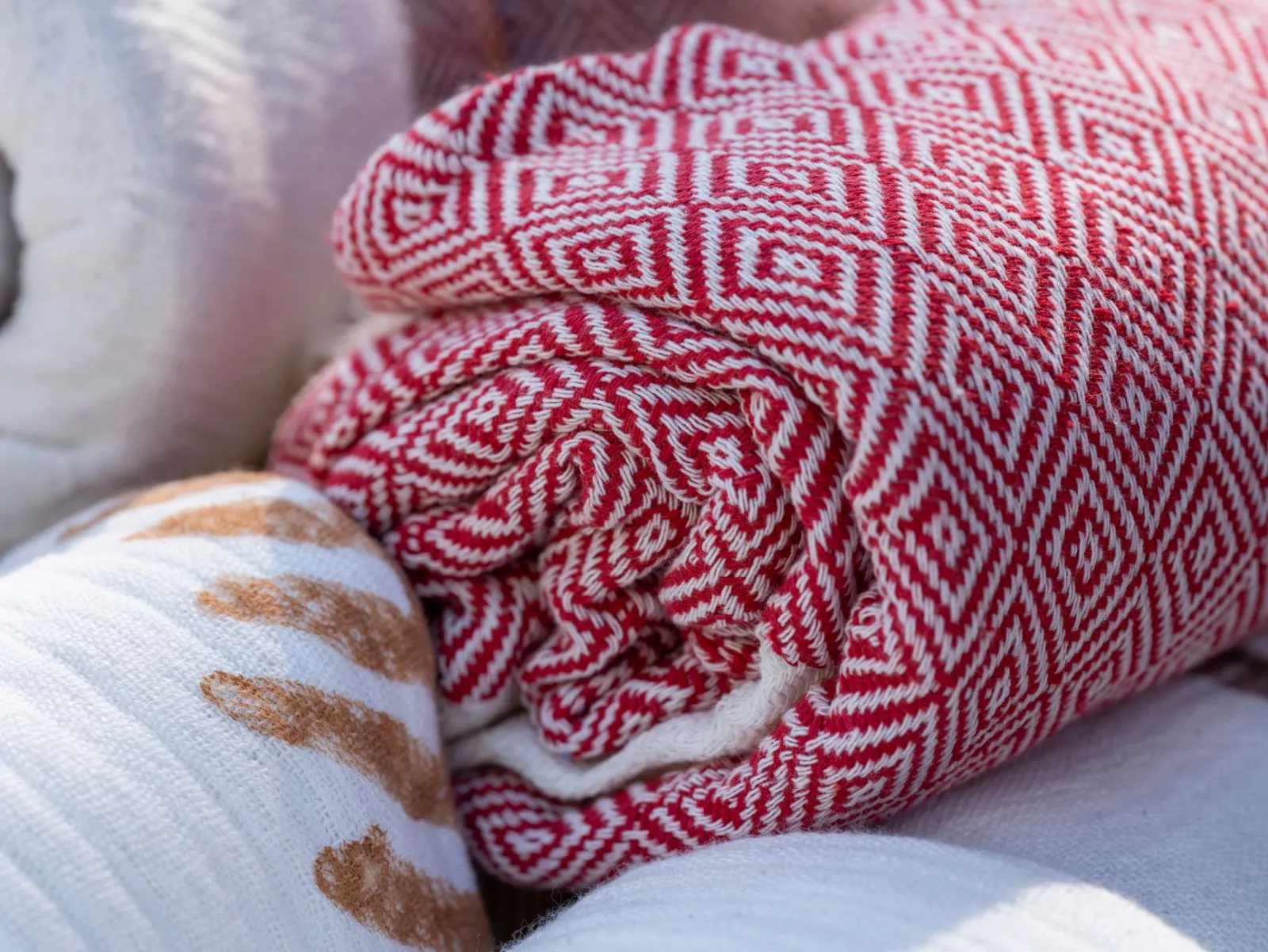
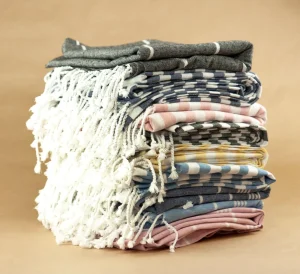
The weave determines how the towel feels, how much water it holds, and how quickly it dries. Terry cloth has loops that trap water and feel plush, making it great for drying hands and soaking up big spills. Waffle weave has a honeycomb texture that increases surface area and airflow, so it dries fast and stays fresh longer. Flat weave (often called a tea towel) is thin, smooth, and lint-free, ideal for drying glassware and polishing.
Think about your tasks. If you’re mostly wiping counters and drying dishes, a flat weave or waffle weave works well because it releases moisture quickly. If you’re mopping up a spilled pot of stock, terry cloth’s looped pile absorbs more volume. Many kitchens benefit from having two or three weaves on hand for different jobs.
Try this at home: wet a corner of each type and wring it out. Terry will feel heavy and saturated; waffle will feel lighter and release water more easily. That tells you which one suits your drying habits.
Weight and thickness: finding the right hand-feel
Fabric weight is measured in grams per square meter (GSM), and it directly affects absorbency and drying time. Lightweight towels (around 300–400 GSM) dry fast and are easy to handle, but they hold less water. Mid-weight towels (400–600 GSM) balance absorbency and drying speed for most home kitchens. Heavyweight towels (600+ GSM) feel luxurious and soak up a lot, but they take longer to dry and can stay damp if not hung properly.
For a home cook, a mid-weight cotton towel is usually the sweet spot. It’s substantial enough to dry a stack of plates without getting soaked through, yet it won’t sit damp on the counter for hours. If you live in a humid climate, lean toward the lighter end to avoid mildew.
A practical test: fold the towel in half and press your palm on it. If it feels stiff and board-like, it may be too heavy for everyday handling; if it feels flimsy, it may wear out quickly.
Absorbency and drying speed: the balance that matters
Absorbency and drying speed are two sides of the same coin. A towel that absorbs a lot but dries slowly becomes a breeding ground for bacteria and odors. Cotton’s natural fibers absorb well, but the weave and weight influence how fast moisture evaporates. Waffle weaves and flat weaves typically dry faster than dense terry because air circulates through the structure.
Consider how you’ll use the towel. For drying dishes, you want fast drying so the towel doesn’t stay damp between uses. For wiping up large spills, absorbency is the priority. A common pitfall is buying a very thick, plush towel for dish drying—it will stay wet and start to smell if it’s not hung with plenty of airflow.
Test by wetting the towel thoroughly, wringing it out, and hanging it in your kitchen. Check it after a few hours. If it’s still damp, it may not be the right choice for your routine.
Durability and construction: seams, hems, and edges
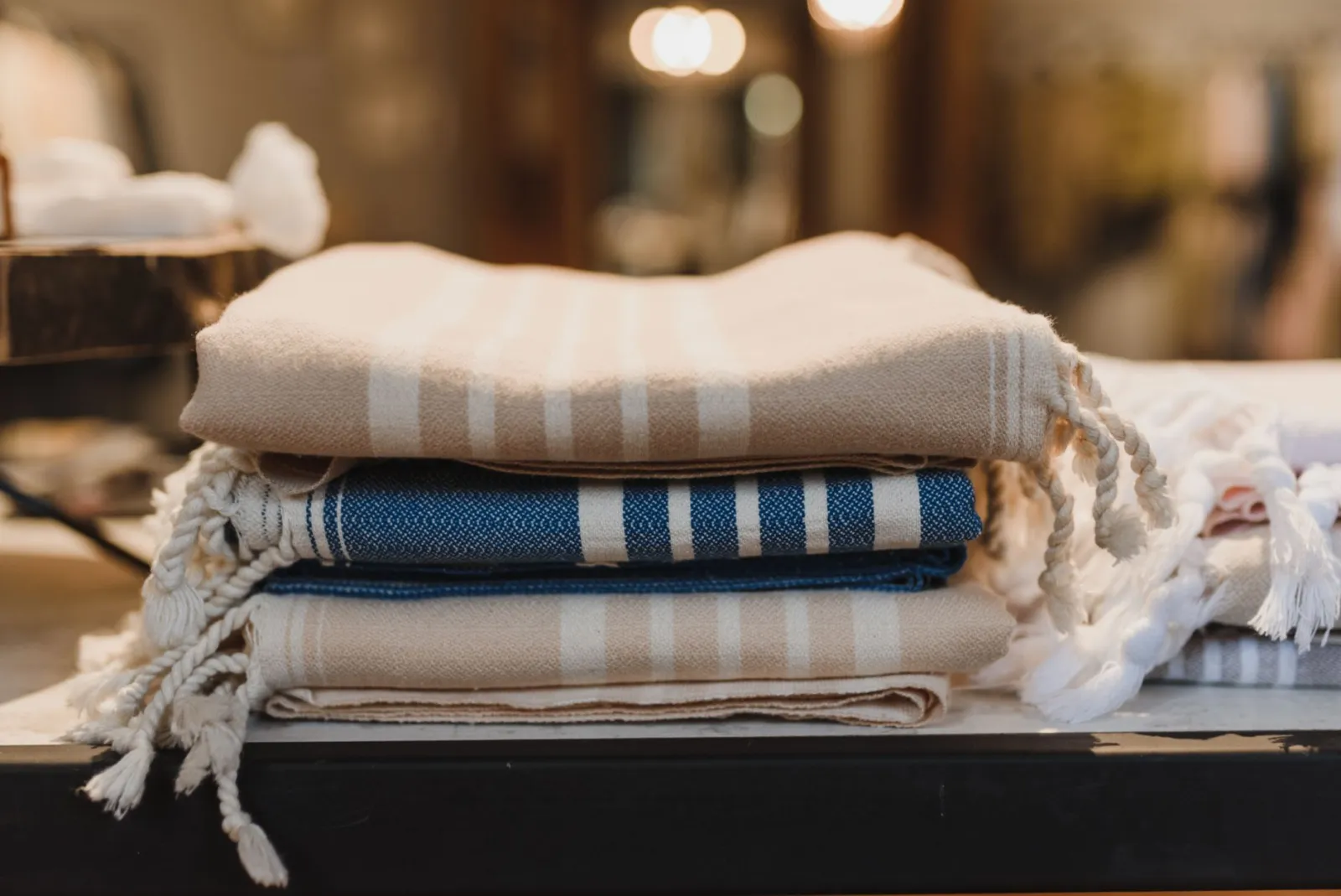
A kitchen towel takes a beating: frequent washing, hot water, bleach, and rough handling. Look for reinforced hems and double-stitched edges that won’t unravel after a few cycles. Selvage edges (the finished side edges woven into the fabric) are a sign of quality because they don’t fray. Avoid towels with loose threads or uneven stitching—these are weak points that fail first.
Also check for a hanging loop. A loop lets you hang the towel on a hook or oven handle, which helps it dry faster and keeps it within reach. Without a loop, towels end up crumpled on the counter, staying damp and picking up crumbs.
A concrete example: a towel with a simple folded hem and a single row of stitching will often start fraying at the corners after a dozen washes, while a towel with a reinforced, double-stitched hem holds up much longer.
Lint and pilling: what to expect from the surface
Lint is the enemy of clean glassware and dark countertops. Low-quality cotton towels shed fibers, especially when new. Long-staple cotton and tighter weaves produce less lint. Waffle and flat weaves are generally lower-lint than terry cloth because they have fewer loose fibers on the surface. If you’re drying wine glasses or polishing cutlery, a lint-free flat-weave towel is your best bet.
Pilling—those tiny balls of fiber—happens when short fibers work loose and tangle. It’s a sign of lower-quality cotton or a loose weave. You can reduce pilling by washing towels separately from rough items like zippers or hooks, and by avoiding overloading the machine.
Try this: rub a new towel vigorously on a dark surface. If it leaves a visible trail of fuzz, it will likely shed on your dishes too.
Care and washing: making your towels last
Even the best cotton towel will degrade if you wash it wrong. Avoid fabric softener—it coats the fibers and reduces absorbency. Use a mild detergent and hot water (check the care label) to kill bacteria. Skip the dryer sheet for the same reason. Tumble dry on low or hang dry to prevent shrinkage and fiber damage.
Wash kitchen towels separately from clothing, especially items with hooks or Velcro that can snag the weave. A common mistake is washing towels with heavy items that beat them up in the drum, leading to premature wear. Also, don’t let wet towels sit in the washing machine—mildew sets in fast.
A practical routine: keep a small basket for used towels, wash them every two to three days, and hang them to dry promptly. That simple habit extends their life significantly.
FAQ
What is the best fabric for kitchen towels?
Pure cotton is the most reliable choice for most kitchens because it’s absorbent, durable, and easy to wash. Long-staple cotton performs best, and the weave matters as much as the fiber: flat weave for drying glassware, waffle for quick-drying everyday use, and terry for heavy spills.
What is the best towel for a kitchen?
The best towel depends on your tasks. A mid-weight waffle-weave cotton towel is a versatile all-rounder: it absorbs well, dries fast, and resists lint. For drying dishes, a flat-weave cotton towel is better. For mopping up big spills, a terry cloth towel holds more liquid.
What towels do chefs use in the kitchen?
Many professional kitchens rely on simple, flat-weave cotton towels because they’re lint-free, dry quickly, and can be washed at high temperatures. Chefs often keep several on hand, using them for everything from wiping plates to gripping hot pans. The key traits are absorbency, fast drying, and durability under frequent washing.
What is the difference between dish towels and kitchen towels?
Dish towels are typically flat-weave and designed for drying dishes and glassware without leaving lint. Kitchen towels is a broader term that can include terry cloth, waffle weave, and flat weave, used for hands, counters, and spills. In practice, many households use the terms interchangeably, but the weave tells you what the towel is best at.
Conclusion
Choosing the best cotton kitchen towel comes down to matching the fabric, weave, weight, and construction to how you actually cook and clean. Prioritize high-cotton content, a weave that suits your tasks, and reinforced edges that survive repeated washing. Skip the fabric softener, hang your towels to dry, and replace them when they start shedding or fraying. For a broader look at kitchen textiles and how they fit into your overall setup, a more complete guide on the general topic is available on the site.
Was this guide helpful?
Share your experience with the WiseHomeGuides community.