In short :
- Fun Halloween Kitchen Ideas: Turn Your Microfiber Collection Into a Spooky Setup Halloween cooking is messy.
- Between the pumpkin guts, the black food coloring that stains everything it touches, and the powdered sugar drifting across the counter, your kitchen takes a beating.
- That’s exactly why microfiber cloths deserve a starring role in your Halloween plans — not just as cleanup crew, but as part of the fun itself.
- Microfiber is lint-free, super absorbent, and safe on most surfaces, which makes it a surprisingly versatile tool for themed cooking, decorating, and party prep.
- Below you’ll find concrete, practical ideas for putting your microfiber cloths to work this October — from spooky table settings to stain control during caramel season.
Fun Halloween Kitchen Ideas: Turn Your Microfiber Collection Into a Spooky Setup
Halloween cooking is messy. Between the pumpkin guts, the black food coloring that stains everything it touches, and the powdered sugar drifting across the counter, your kitchen takes a beating. That’s exactly why microfiber cloths deserve a starring role in your Halloween plans — not just as cleanup crew, but as part of the fun itself. Microfiber is lint-free, super absorbent, and safe on most surfaces, which makes it a surprisingly versatile tool for themed cooking, decorating, and party prep. Below you’ll find concrete, practical ideas for putting your microfiber cloths to work this October — from spooky table settings to stain control during caramel season.
Set a Spooky Table Without Staining Your Linens
Halloween tablescapes usually involve dark fabrics, fake cobwebs, and at least one candle that drips wax where it shouldn’t. The problem? Black napkins and cheap themed tablecloths shed lint and dye, and wax spills are a pain to remove from woven fabric. Microfiber solves both issues quietly.
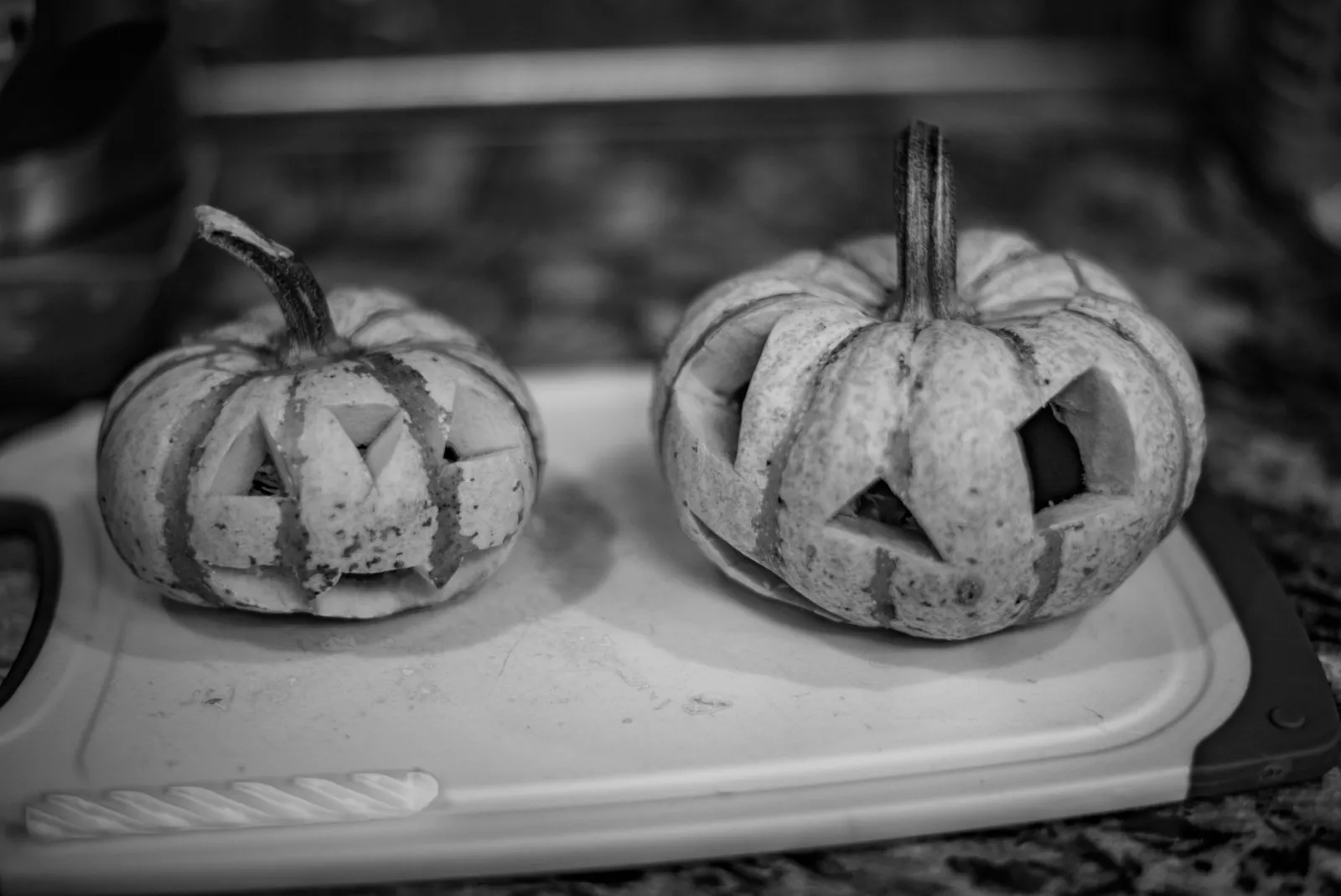
Use a dark microfiber cloth as a base layer under your centerpiece — it grips the table, catches wax drips, and wipes clean in seconds. If you’re carving pumpkins at the table, lay a microfiber cloth underneath the cutting board to stop it sliding and to catch the stringy bits before they glue themselves to the wood.
Concrete example: You’re hosting a small Halloween dinner and want candlelight without ruining a linen runner. Place a folded microfiber cloth under each candle holder. When wax drips, let it cool, then flex the cloth — the wax pops right off. No scraping, no solvent, no ruined tablecloth.
- Use one color of microfiber for decor and another for cleaning — never mix them up mid-party.
- Keep a dry microfiber cloth near the candy bowl to wipe sticky fingerprints off glass jars and bowls between refills.
- Skip paper napkins for greasy finger foods; small microfiber squares work as reusable finger wipes and go straight into the wash.
Keep Caramel, Chocolate, and Food Coloring Under Control
Caramel apples, chocolate-dipped pretzels, and black frosting are the holy trinity of Halloween kitchen chaos. Sugar burns onto surfaces, chocolate sets into hard shards, and food coloring finds every porous surface within a meter. Microfiber helps you stay ahead of the mess instead of scrubbing it later.
The key principle: blot, don’t wipe. Microfiber lifts liquid and semi-liquid messes into its fibers rather than pushing them around. That matters enormously with food coloring, which spreads the moment you smear it.
Concrete example: A drop of black gel coloring lands on your counter while you’re tinting frosting. Grab a slightly damp microfiber cloth and press it flat over the spot for a few seconds, then lift. The dye transfers into the cloth. Wiping with a sponge, by contrast, dilutes the dye and spreads a grey halo across the counter.
- Caramel drips: Let them cool completely, then soften with a warm damp microfiber cloth held against the spot for a minute before lifting.
- Chocolate shards: Warm water on a microfiber cloth melts the contact edge so the piece releases without scratching the countertop.
- Food coloring: Blot immediately with a damp microfiber cloth, then rinse the cloth under cold water before it sets. Keep dedicated cloths for dye work so you don’t transfer color to other surfaces.
Build a Pumpkin-Carving Station That Cleans Itself
Pumpkin carving is the messiest fun you’ll have all month. Seeds fly, pulp sticks, and the whole operation leaves a slick film on the table and floor. A five-minute setup with microfiber cloths changes the experience entirely.
Lay one large microfiber cloth flat on the work surface, then place your cutting board on top. The cloth grips the board so it doesn’t slide while you saw through a thick pumpkin wall — a real safety improvement. Scatter a couple of dry microfiber cloths nearby for hands and tools.
Concrete example: Pumpkin pulp is wet and fibrous, and paper towels shred against it. A damp microfiber cloth wipes pulp off the counter in one pass and rinses clean under the tap. Keep one cloth designated for pulp and seeds, and drop it straight into the wash when you’re done.
- Wipe carving tools with a damp microfiber cloth between cuts — safer than reaching for a slippery knife handle with wet hands.
- Place a dry microfiber cloth at the edge of the table to catch seeds as they’re scooped; it prevents them rolling onto the floor.
- After carving, use a barely damp cloth on the pumpkin’s cut surfaces to remove stray fibers before lighting it.
Handle Party Cleanup in Layers, Not Panic
By the end of a Halloween party, you’re facing sticky candy residue, greasy finger food trays, spilled punch, and a fog of powdered sugar on every dark surface. Microfiber’s absorbency and lint-free finish make it the right tool for each layer of that cleanup — if you work in the right order.
Start with dry cloths for dust and crumbs, then move to damp cloths for sticky residue, then finish with a clean, dry cloth for streaks. Skipping the dry pass is the most common mistake: wiping a sugary counter with a wet cloth just turns sugar into syrup and spreads it.
Concrete example: Powdered sugar on a black tablecloth looks like a disaster but lifts easily. Wait until the cloth is fully dry, then brush a dry microfiber cloth across the surface in one direction. The sugar clings to the fibers and the tablecloth stays in place. A damp cloth would have driven the sugar into the weave.
| Mess Type | Cloth Condition | Technique |
|---|---|---|
| Powdered sugar, flour | Dry | Single-direction sweep, lift rather than scrub |
| Punch, juice spills | Damp | Press and blot, then wipe edges inward |
| Caramel, chocolate | Warm and damp | Hold against the spot to soften, then lift |
| Food coloring | Damp, dedicated cloth | Blot immediately, rinse in cold water |
| Greasy trays | Damp with a drop of dish soap | Wipe, then finish with a clean damp cloth |
Frequently Asked Questions
Can microfiber cloths be used around food safely?
Yes, with a simple rule: keep food-contact cloths separate from floor and cleaning cloths, and wash them after each use. Rinse thoroughly if you’ve used soap, and let cloths dry completely between uses. For wiping rims of glasses or handling dough, a clean, freshly washed microfiber cloth is fine — it’s lint-free, which is exactly why it works well here.
How do I get food coloring stains out of microfiber cloths?
Rinse the cloth in cold water immediately — hot water sets dye. Then wash it separately from light-colored laundry the first time, since some dye may transfer. A dedicated set of dark cloths for Halloween and dye work saves you the worry entirely.
Will microfiber scratch my countertops or pumpkin-carving tools?
Microfiber is soft and non-abrasive on standard countertops, glass, and most finishes. It won’t scratch carving tools either. The one caution: avoid dragging a cloth across a surface with grit or seeds trapped in it — shake it out first, since trapped debris, not the cloth itself, causes scratches.
The Bottom Line
Fun Halloween kitchen ideas don’t require specialty gadgets — they require thinking about where mess happens before it happens. Microfiber cloths earn their place at the party: they grip cutting boards, catch wax, blot food coloring before it spreads, and make end-of-night cleanup a layered, orderly job instead of a sticky scramble. Pick up a few extra cloths in two colors, designate one set for decor and one for messes, and your Halloween kitchen will look festive and stay functional. For a broader look at choosing, washing, and getting the most from microfiber in every room of the house, a more complete guide on the general topic is available on the site.
Put it into practice : What tea towels should I get for my kitchen?