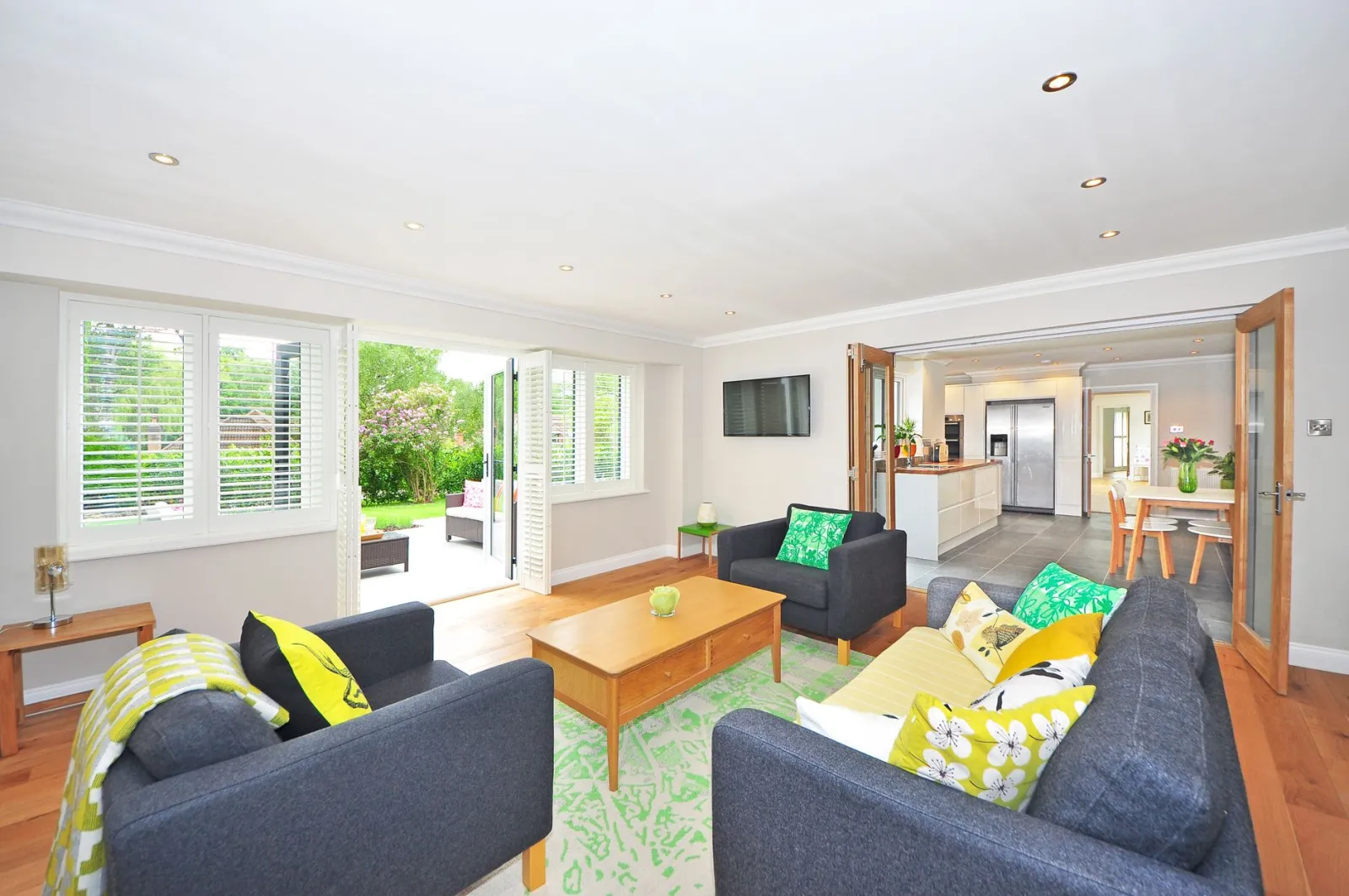
In short :
- A standard sofa is about 180 to 220 cm wide, 85 to 100 cm deep and 80 to 90 cm high, with a seat height of 40 to 45 cm.
- Two-seaters run 140 to 165 cm, three-seaters 190 to 220 cm, and corner sofas 250 to 280 cm per side.
- Use the two-thirds rule: let the sofa fill about two-thirds of the wall behind it and leave the rest free.
- Check the diagonal against your narrowest door before you buy, and convert any feet-and-inches listings first.
- Memorise those four numbers and you’ll know instantly whether a sofa fits your room, your doorway and your posture.
A standard sofa is roughly 180 to 220 cm wide, 85 to 100 cm deep and 80 to 90 cm high, with a seat height of 40 to 45 cm. Two-seaters usually measure 140 to 165 cm across, three-seaters 190 to 220 cm, and corner sofas 250 to 280 cm per side. These ranges cover most living-room furniture, though exact figures shift with style and country.
Knowing these numbers before you shop changes everything. You stop guessing from photos, you can tape out a footprint on the floor, and you avoid the classic mistake of buying a sofa that looks right online but blocks a doorway or swallows half the room. The figures below are the ones worth memorising, along with the small details that decide whether a sofa actually fits your space and your body.
What are standard sofa sizes?
Standard sofa sizes fall into a few recognisable families: armchairs around 80 to 100 cm wide, two-seaters around 140 to 165 cm, three-seaters around 190 to 220 cm, and corner or modular sofas from 250 cm upward. Each family has a typical depth and height range too, so the width alone never tells the whole story.
Picture a three-seater at 210 cm wide. That is comfortable for three adults sitting shoulder to shoulder, but only if seat depth is around 55 to 60 cm. Push the depth past 65 cm and the sofa starts to feel like a daybed: lovely for lounging, less practical in a compact living room. A two-seater at 150 cm, by contrast, suits a couple perfectly and leaves breathing room for a side table.
Here is a quick reference you can carry to a store or keep open while browsing:
| Sofa type | Typical width | Typical depth | Seat height |
|---|---|---|---|
| Armchair / loveseat | 80–100 cm | 80–90 cm | 40–45 cm |
| Two-seater | 140–165 cm | 85–95 cm | 40–45 cm |
| Three-seater | 190–220 cm | 90–100 cm | 40–45 cm |
| Corner / L-shaped | 250–280 cm per side | 90–100 cm | 40–45 cm |
One detail people forget: the diagonal measurement. A sofa that fits your wall may still not fit through your front door or around a stair turn. Measure the narrowest doorway on the route and compare it with the sofa’s height and diagonal, not just its width.
What are the standard dimensions of a sofa?
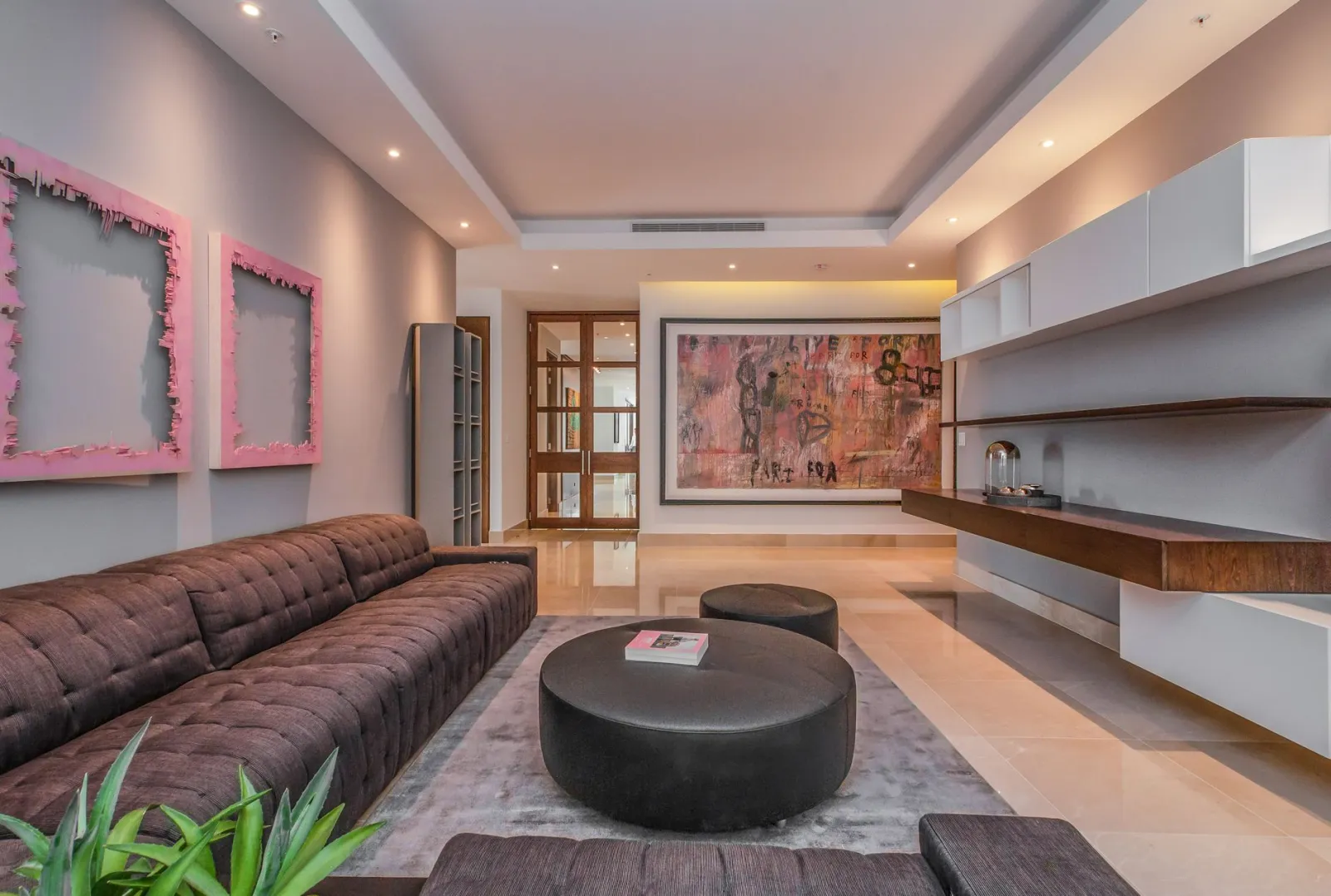
The standard dimensions of a sofa break down into four measurements: overall width, overall depth, overall height and seat height. Width runs 180 to 220 cm for a typical three-seater, depth 85 to 100 cm, back height 80 to 90 cm, and seat height 40 to 45 cm. Arm width and seat depth are the two figures that most affect comfort.
Take a common scenario. A living room wall measures 240 cm. A 210 cm sofa leaves 30 cm of clearance, which is fine for a side table on one end but tight for two. A 190 cm sofa gives 50 cm, enough for a lamp and a small plant. Same room, very different result, and the only difference is reading the width figure properly.
Seat depth deserves its own attention. At 55 cm, most adults can sit with their back against the cushion and feet flat on the floor. At 65 cm or more, shorter sitters need a cushion behind them to avoid sliding forward. If you plan to host tall guests and shorter family members, look for a seat depth near 58 to 60 cm as a happy middle.
Arm height also matters if you like to lean. Arms around 60 to 65 cm from the floor let you rest an elbow comfortably; lower arms suit a more relaxed, slouchy posture. None of this is guesswork — a tape measure and a few minutes tell you everything.
What is the 2/3 rule for sofas?
The 2/3 rule is a proportion guideline: a sofa should occupy roughly two-thirds of the wall it sits against, leaving about one-third free. It keeps a room balanced, so the sofa anchors the space without crowding it. On a 300 cm wall, that means a sofa around 200 cm wide.
Why does it work? Because the eye reads empty space as part of the composition. A sofa that fills an entire wall looks heavy and makes the room feel smaller. A sofa that takes up barely half the wall looks lost. Two-thirds sits in the sweet spot, and it is easy to apply with a tape measure before you commit.
Try this on a real wall. Say your main wall is 330 cm. Two-thirds is about 220 cm — right at the top of the three-seater range. If your wall is 240 cm, two-thirds is 160 cm, which points you toward a generous two-seater. The rule is a starting point, not a law: if a doorway or radiator breaks the wall, adjust to the usable stretch rather than the full length.
You can also apply the same logic to the room as a whole. A sofa that leaves clear walking paths of at least 60 to 70 cm around it will feel comfortable in daily use, especially in a busy household.
What are the standard sofa sizes in the UK?
UK standard sofa sizes are broadly similar to European ones, with two-seaters around 140 to 165 cm wide and three-seaters around 190 to 220 cm. Depth typically sits at 85 to 95 cm, and seat height at 40 to 45 cm. Imperial measurements still appear in older listings, so expect to see figures in feet and inches alongside centimetres.
A practical example: a UK listing might describe a three-seater as 7 ft wide, which is about 213 cm. If you are working in centimetres, convert before you measure your wall — 7 ft sounds smaller than 213 cm to many people, and that gap causes real disappointment on delivery day.
UK homes also tend to have narrower hallways and staircases than the open-plan layouts the same sofas are photographed in. Check the internal width of your front door, usually around 75 to 80 cm, and compare it with the sofa’s height when tipped on its side. A low-backed design often squeezes through where a tall, rolled-arm model will not.
FAQ
What are standard sofa sizes?
Armchairs run 80 to 100 cm wide, two-seaters 140 to 165 cm, three-seaters 190 to 220 cm, and corner sofas 250 to 280 cm per side. Depth is usually 85 to 100 cm and seat height 40 to 45 cm.
What are the standard dimensions of a sofa?
Overall width, depth, height and seat height. For a typical three-seater that means about 180 to 220 cm wide, 85 to 100 cm deep, 80 to 90 cm high, with a seat 40 to 45 cm off the floor.
What is the 2/3 rule for sofas?
Let the sofa take up roughly two-thirds of the wall behind it and leave the remaining third free. On a 300 cm wall, aim for a sofa near 200 cm wide for a balanced look.
What are the standard sofa sizes in the UK?
UK sizes mirror European ones: two-seaters around 140 to 165 cm, three-seaters around 190 to 220 cm, depth 85 to 95 cm. Listings sometimes use feet and inches, so convert before measuring your space.
Conclusion
A standard sofa measures about 180 to 220 cm wide, 85 to 100 cm deep and 80 to 90 cm high, with a seat height of 40 to 45 cm — and those four numbers are what decide whether it fits your room, your doorway and your posture. Measure the wall, apply the two-thirds rule, check the diagonal against your narrowest door, then choose. For a broader look at choosing and arranging seating for your home, a more complete guide on the general topic is available on the site.
Was this guide helpful?
Share your experience with the WiseHomeGuides community.