This article contains Amazon affiliate links. As an Amazon Associate we earn from qualifying purchases.
In short :
- Size matters more than price: most large basements need 50 to 70 pints or more per day.
- Pick a compressor model for warm basements and a desiccant one if yours runs cold.
- Set up continuous drainage so you never empty a tank by hand.
- Place it centrally with room to breathe, and let it cycle on a target humidity setting.
- Get those four things right and you can stop shopping and forget about it.
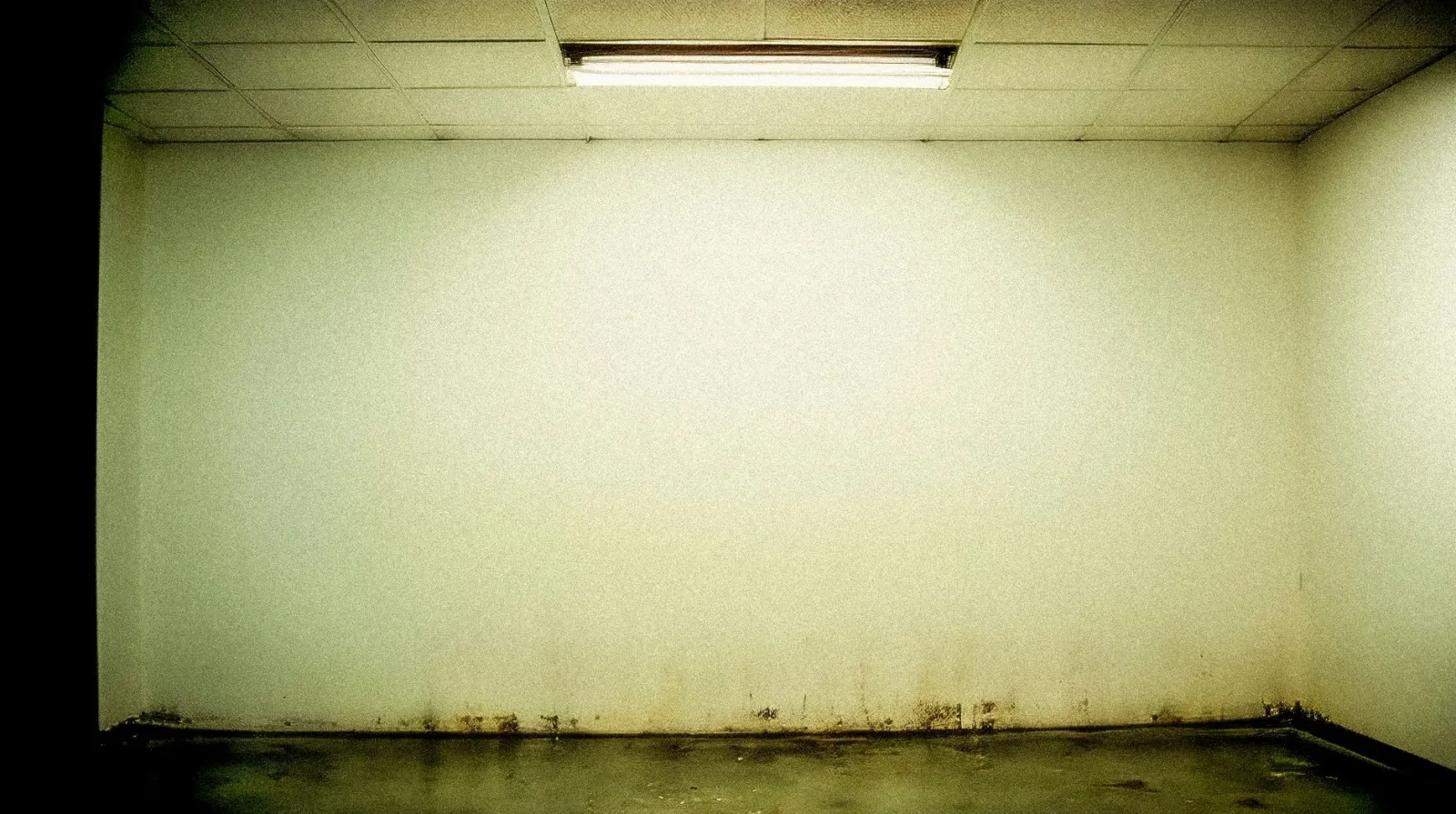
A large basement is a strange beast. It’s the one room in the house where moisture quietly wins if you ignore it. You don’t always see the problem at first — a faint musty smell near the stairs, a cold feeling on the concrete, cardboard boxes that go soft at the corners. Then one day you notice white powder on the walls or dark spots behind a shelf, and you realize the air down there has been holding far more water than it should.
So you start shopping for a dehumidifier, and the choices get confusing fast. Pint capacities, compressor versus desiccant, low-temperature performance, drain options, airflow ratings. The honest answer is that there’s no single best machine for every large basement — but there is a best type and a best size for your specific situation. Get those two things right and the rest is detail. This guide walks you through how to figure out exactly what your basement needs, so you buy once and stop thinking about it.
Start With the Size of the Space, Not the Price Tag
Most people underestimate how much capacity a large basement demands. A dehumidifier’s job is measured in how many pints of water it can pull from the air in 24 hours under standard conditions. Small units are built for a single damp room. A full basement is a different problem entirely.
Here’s a rough way to think about it. A moderately damp basement of around 1,300 square feet usually needs a unit rated in the 30-pint range. A very wet basement of the same size pushes you toward 50 pints or more. Once you’re dealing with a large, open, unfinished basement — say 2,000 square feet or more, with visible dampness — you’re firmly in the territory of high-capacity units, often 70 pints and up.
Concrete example: picture a 2,200-square-foot unfinished basement with bare concrete floors, a sump pit, and a faint musty odor that gets stronger after rain. A 20-pint unit will run constantly, fill its tank twice a day, and still never get ahead of the moisture. A 70-pint unit with a hose draining into the sump pit will hold the space at a stable, dry level without you touching it. Same room, completely different outcome — and the difference is capacity, not brand.
A few practical points to keep in mind:
- Square footage is a starting point, not the whole story. A damp 1,500-square-foot basement can need more capacity than a dry 2,000-square-foot one.
- Open floor plans need more. If your basement has few interior walls, moist air circulates freely and the unit has to work harder.
- Ceiling height matters. A tall basement holds more air volume, which means more water to remove.
- Water intrusion changes everything. If groundwater seeps in after storms, no dehumidifier replaces fixing the drainage — but a bigger unit buys you breathing room.
Compressor or Desiccant? Match the Type to Your Basement’s Temperature
This is the decision most buyers get wrong, and it’s the one that quietly determines whether your dehumidifier actually works in winter.
Compressor dehumidifiers work like a fridge. They cool a coil, moisture condenses on it, and water drips into the tank. They’re efficient and powerful — but their performance drops sharply as the air gets cold. Below roughly 60°F, a compressor unit starts losing efficiency, and near 50°F it may barely run at all. In a cold basement, that’s a real problem.
Desiccant dehumidifiers use a moisture-absorbing wheel and a heater instead. They keep working in cold conditions, sometimes down to near freezing, and they’re lighter. The trade-off is higher energy use and less raw capacity for the money.
Concrete example: a basement in a cold climate that sits around 55°F year-round. A compressor unit rated at 70 pints might only deliver a fraction of that in practice, leaving the space clammy all winter. The same space with a desiccant unit holds dry air reliably because the technology doesn’t care about the cold. If your basement stays above 65°F, a compressor unit is the smarter, more efficient choice.
| Factor | Compressor | Desiccant |
|---|---|---|
| Best temperature range | Above ~65°F | Cold rooms, near freezing and up |
| Efficiency in warm air | High | Lower |
| Capacity for the size | Higher | Moderate |
| Weight | Heavier | Lighter |
| Energy use in cold | Rises as it struggles | Steady |
Drainage and Placement Decide Whether You’ll Actually Keep Using It
A dehumidifier that needs its tank emptied twice a day is a dehumidifier you’ll stop emptying by week two. For a large basement, continuous drainage isn’t a luxury — it’s the difference between a solution and an abandoned appliance.
Most units let you attach a hose to a gravity drain or a sump pit. Set it up that way from day one. If there’s no drain nearby, a condensate pump moves the water up and out to a sink or laundry drain. Either approach means the machine runs unattended for weeks.
Placement matters just as much. Put the unit in the middle of the open space, not tucked in a corner behind furniture. Air has to circulate through it. Leave a foot or two of clearance on all sides, and keep it away from walls that stay wet. In a large basement, one well-placed high-capacity unit usually beats two small ones fighting each other in opposite corners.
Concrete example: a homeowner places a unit in a closed storage nook at the far end of the basement. The nook stays dry; the main room stays damp. Moving the same unit to the center of the open floor, with a hose running to the sump, dries the whole space within a couple of days. Same machine, better result — purely from where it sits.
FAQ
How many pints do I need for a large basement?
For a large, damp basement, aim for at least 50 pints, and 70 pints or more if the space is very wet or over 2,000 square feet. Use the dampness level, not just the square footage, to decide. When in doubt, size up — a bigger unit running less often is more efficient than a small one running nonstop.
Can one dehumidifier handle a whole basement?
Usually yes, if it’s high-capacity and placed centrally with good airflow. Two smaller units only make sense if the basement is divided into separate closed rooms that don’t share air. Otherwise, one powerful unit in the open area does the job more efficiently.
Should I run it all the time?
For a chronically damp basement, yes — set it to a target humidity level and let it cycle on and off automatically. That keeps the space stable rather than letting moisture build up again between runs. Continuous drainage makes this practical.
The Bottom Line
There’s no single best dehumidifier for a large basement, but there is a clear recipe for picking the right one. Match the capacity to your square footage and dampness level — 50 to 70 pints and up for most large basements. Choose compressor technology for warm basements and desiccant for cold ones. Set up continuous drainage so you never have to babysit the tank. And place the unit centrally, with room to breathe.
Get those four things right and any well-built unit in the correct category will keep your basement dry for years. If you want the full picture — including how to measure your basement’s humidity, how to spot hidden moisture problems, and how to maintain a unit so it lasts — there’s a more complete guide on basement moisture control worth reading next.
🔗 Read also
- Air Fryer Lifespan: How Long Before Replacement
- How do I air fry fish fillets without sticking?
- How do I get crispy vegetables in an air fryer without oil?