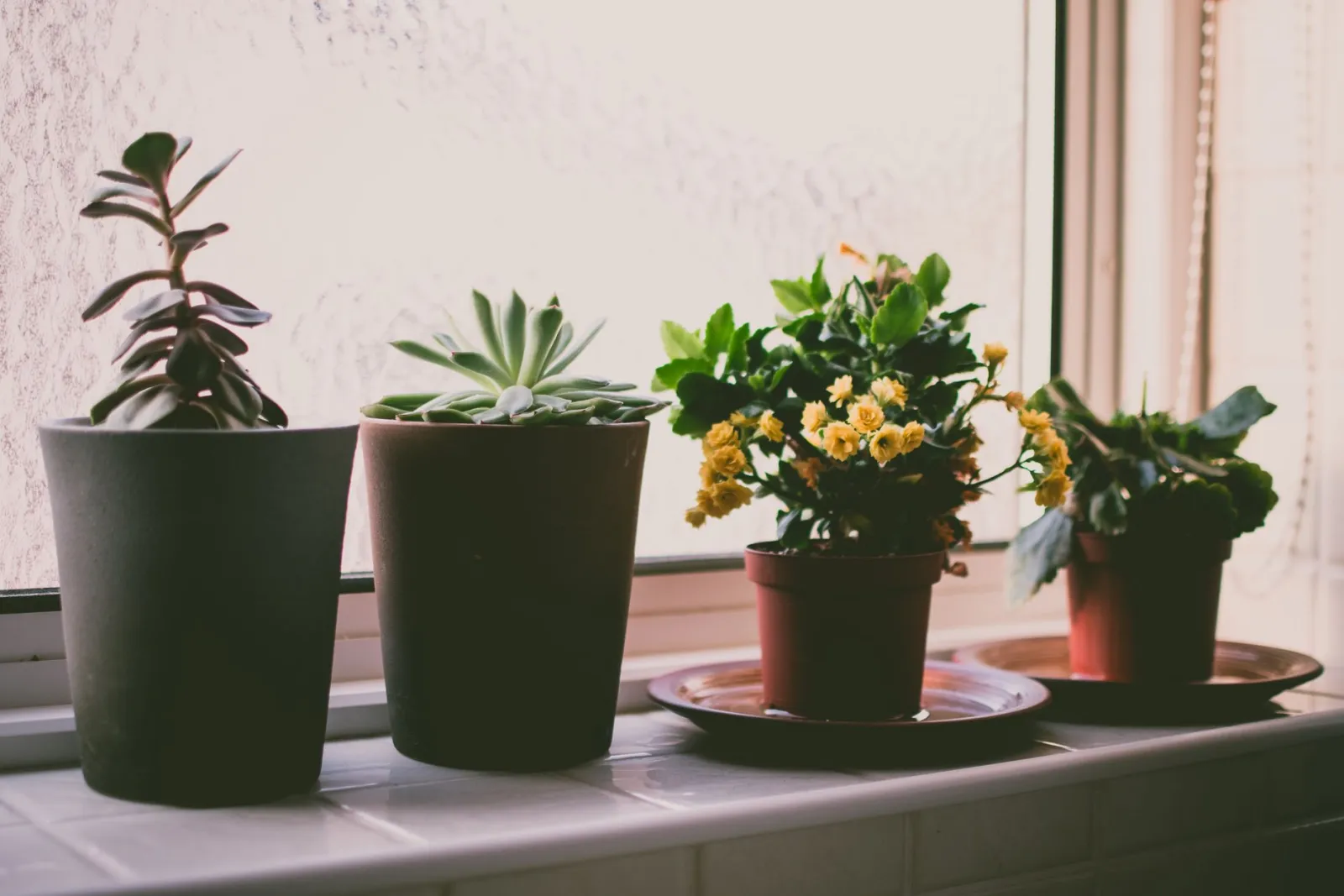
Short answer : The best indoor plants for air purification are those that combine vigorous leaf growth, tolerance for typical indoor light and humidity, and low maintenance needs. Look for species with large total leaf surface area, such as ferns, palms, and broad-leafed tropicals, because foliage mass matters more than the number of pots. Placement also counts: a plant sitting in a dim corner grows slowly and contributes little, while the same plant near a bright window with regular watering stays active. Choose plants that suit your actual conditions, including light levels, watering habits, and whether pets share the space, since some popular houseplants are not safe around animals. Finally, treat plants as a supplement to ventilation and filtration rather than a replacement, and pick varieties you can keep healthy year-round.
In short
- Prioritize plants with large total leaf area, like ferns and broad-leafed tropicals, over many small pots.
- Match each plant to your real light and humidity conditions so it keeps growing instead of stalling.
- Check pet safety before buying, as several common houseplants are unsuitable for homes with animals.
- Use plants alongside ventilation and filtration, not as a substitute for either.
- Choose low-maintenance species you can water and repot consistently for long-term healthy growth.
How Indoor Plants Help Clean Your Air
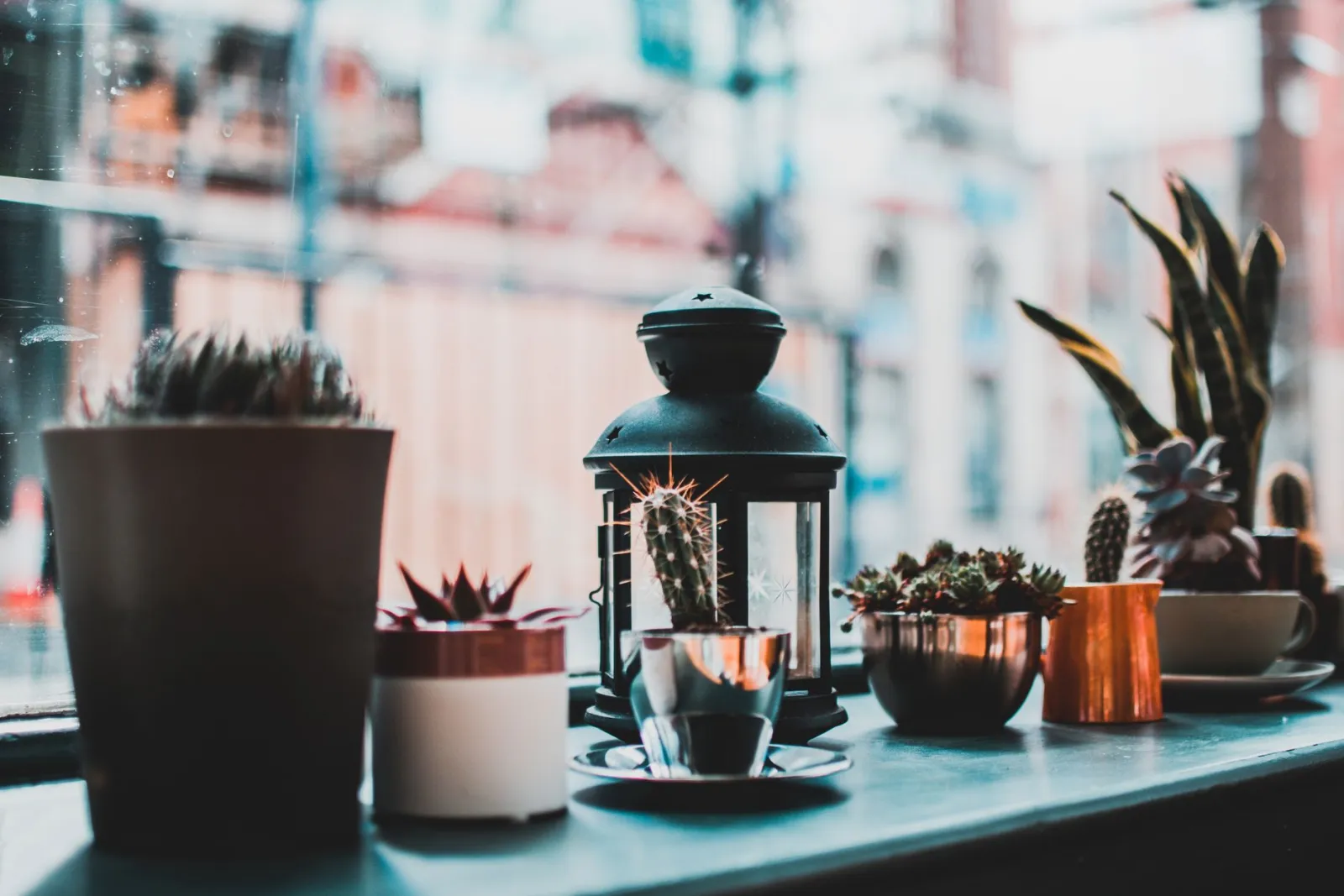
Indoor plants contribute to cleaner air through a combination of passive and active processes, and understanding these mechanisms helps you choose plants that suit your space and expectations. The most discussed pathway is phytoremediation: the absorption of airborne volatile organic compounds through leaf surfaces and their transport to roots, where soil microorganisms break them down. This is the process behind the well-known research on plants removing compounds such as formaldehyde, benzene, and trichloroethylene from sealed chambers. The practical takeaway is that the effect is real but modest in a normal room, because air exchange, room volume, and the amount of leaf surface all matter far more than the plant label on the pot.
The second pathway is everyday gas exchange. Plants take in carbon dioxide and release oxygen during photosynthesis, and they release moisture through transpiration. In a small, closed room, a collection of large, leafy plants can measurably raise humidity and shift the balance of gases. This is why densely planted corners often feel fresher, and why plants are more useful in tight, low-ventilation spaces than in open-plan rooms with constant airflow. The effect scales with total leaf area, not with the number of pots, so a few large specimens typically outperform many small ones.
Plants also intercept particulate matter. Leaves, especially textured or waxy ones, trap dust and fine particles on their surfaces, removing them from the air until the leaves are wiped or rinsed. This is a genuinely useful function in homes near busy roads or in rooms with lots of fabric and carpet, where dust resuspends easily. The catch is maintenance: a dusty leaf stops collecting and starts looking tired, so periodic cleaning with a damp cloth keeps the plant working and keeps its pores open.
Soil and potting mix play an underrated role. The growing medium hosts microbes that degrade captured pollutants, and the root zone is where much of the actual breakdown happens. This means plant choice should consider the root system and the substrate, not just the foliage. It also means you should avoid overwatering, which creates anaerobic conditions and odors that work against the goal of cleaner air.
Set realistic expectations. Plants are a supporting measure, not a substitute for ventilation, filtration, or source control. In a typical bedroom or living room, a well-chosen group of plants adds humidity, traps dust, and contributes a small but real reduction in airborne chemicals, while the dominant factor remains how much fresh air enters the room. Treat plants as one layer of a sensible indoor air strategy, and choose species based on light, maintenance, and leaf area rather than on dramatic claims.
Choosing the Right Plant for Each Room
Choosing the right plant for each room comes down to matching the plant’s native conditions to the light, humidity, and space your room actually offers, rather than picking whatever looks best in a store. The single most limiting factor in most homes is light. A bright room with a large south- or west-facing window can support flowering and high-light species, while a north-facing room or a corner set back from the glass will only suit plants that tolerate low light. Before buying, watch how the light falls in each room across a day: a spot that looks bright to the eye can still be too dim for a demanding plant, while direct afternoon sun can scorch leaves that prefer filtered light.
For bedrooms, low-light tolerance and a compact footprint matter most. Ferns, snake plants, and pothos-type trailing plants cope with indirect light and fit on a nightstand or shelf without crowding the room. Avoid large floor specimens that block walkways, and favor plants that tolerate occasional missed watering, since bedroom routines are easy to forget. Humidity-loving plants generally do better in a bathroom than a bedroom, so save the moisture-lovers for rooms where steam collects naturally.
Bathrooms and kitchens are the easiest rooms to plant, because they tend to run more humid and often have a usable window. Ferns, peace lilies, and other moisture-tolerant species settle in well near a shower or sink where the air stays damp. In kitchens, place plants away from the direct heat of the stove and out of the splash zone of the sink; a windowsill herb or a small foliage plant works well where light is decent. Rooms with no window at all are a poor fit for most plants regardless of species, so treat windowless bathrooms as decoration-only spaces.
Living rooms and home offices usually offer the most flexibility and the best light, so they can host larger statement plants and species that need brighter conditions. This is where you can afford a floor plant that fills an empty corner, provided the corner is not a dark dead zone. For a home office, choose plants that tolerate steady indoor temperatures and don’t demand frequent attention, since a desk plant that sulks when neglected defeats the purpose.
Finally, match plant size to the scale of the room and the traffic through it. A tall floor plant can anchor a large living room but overwhelm a small bedroom, while a cluster of small pots suits a shelf or windowsill better than a single oversized specimen. Think about how much care you will realistically give each room: high-maintenance plants belong where you spend the most time and will notice them, and forgiving plants belong in the rooms you pass through quickly.
Light Requirements Before You Buy
Light is the single most common reason an air-purifying plant fails in a home, and it is worth settling before you spend money on anything. The plants usually recommended for air purification come from very different native environments, so they do not share the same tolerance for shade. Some evolved on tropical forest floors where they receive only filtered, dappled light; others grow in brighter, more open conditions and stall in dim corners. Matching the plant to the light your room actually receives prevents the slow decline—leggy growth, dropped lower leaves, faded foliage—that people often mistake for poor care.
Start by reading the room rather than the plant label. A window that faces south or southwest typically delivers the strongest, longest light of the day, while a north-facing window gives the weakest and most diffuse. East and west windows sit in between, with east offering gentler morning light and west delivering stronger, warmer afternoon sun. Distance from the glass matters as much as direction: light falls off quickly as you move into the room, so a spot a few feet back from a bright window can behave like a much dimmer location. Sheer curtains, balconies, and neighboring buildings all change the picture.
Group plants by their light appetite. The most shade-tolerant air purifiers—those with broad, dark green leaves adapted to low light under a canopy—can sit several feet from a window or in a room that stays bright but never receives direct sun. Moderate-light plants do best near an east or west window or just off a bright south window, where they get soft light without harsh midday exposure. Sun-loving types need the brightest spot you have, ideally with some direct sun, and will struggle in the interior of a room. Placing a shade-tolerant plant in full sun can scorch it just as surely as putting a sun-lover in a dark hallway will leave it weak.
Consider the room’s daily rhythm, not just its brightest moment. A home office used during the day, a bathroom with a small frosted window, and a living room with a large shaded window all present different challenges. Rooms that stay dim through most of the day suit the most tolerant plants; spaces that flood with light for hours can support the thirstier, brighter types. If a spot only gets strong light for part of the year, choose a plant that tolerates the darker season rather than one that needs constant brightness.
Finally, plan for seasonal shifts and practical fixes. Light drops in winter in most homes, and plants near windows may need to move closer to the glass or toward a brighter room until spring returns. If a chosen spot is borderline, a simple floor or table lamp can supplement natural light, and rotating plants keeps growth even. Buying with your room’s real light in mind—rather than the plant’s reputation—is the surest way to keep an air purifier thriving long after it comes home.
Watering and Humidity Basics for Beginners
Watering is where most beginners lose their plants, and the fix is less about a schedule than about reading the pot. The single most useful habit is to check the top inch or two of the growing mix before pouring anything. If it feels moist and clings to your finger, wait. If it feels dry and crumbly and the pot is noticeably lighter when you lift it, it is time. A fixed weekly routine ignores the fact that a plant in a bright warm room dries out far faster than one in a cool corner, and that growth slows dramatically in winter, when most plants need considerably less water than in spring and summer.
How you water matters as much as when. Give the mix a thorough soak until a little drains from the bottom of the pot, then let the excess run off completely. Small daily sips that only wet the surface encourage shallow roots and leave the lower mix either bone dry or, worse, soggy. A pot sitting in a full saucer or a decorative sleeve with no drainage is the most common cause of root rot. If your pot has no drainage hole, either repot into one that does or water very sparingly and tip out any water that collects.
The right pot and mix do half the work. Choose a container with a drainage hole and a growing mix that drains freely rather than dense garden soil. Terracotta dries out faster than glazed ceramic or plastic, which suits plants that resent staying wet; plastic holds moisture longer, which helps plants that prefer consistent dampness. Match pot size to root ball — an oversized pot holds a large reservoir of wet mix around a small root system and stays wet for too long.
Humidity is the other half of the equation, and it is easy to overthink. Most homes sit in a comfortable middle range that suits the majority of foliage plants. Rooms that run dry — near radiators, under air conditioning, or in heated winter air — are the ones that cause trouble, showing up as crispy leaf edges and brown tips. Grouping plants together creates a slightly moister pocket of air around them, and a pebble tray with water below the pot raises local humidity without soaking the roots. Misting gives only a brief lift and is not a substitute for these approaches.
Finally, watch the plant rather than the calendar. Drooping that recovers after watering points to thirst; yellowing lower leaves in constantly wet mix points the other way. Adjust to what the plant tells you, season by season, and you will avoid most beginner mistakes.
Low-Maintenance Picks for Busy Households
For households where weeks slip by between waterings, the practical question is not which plant filters air most aggressively but which one still looks presentable after a stretch of neglect. The plants that tolerate irregular care tend to share a few traits: thick, water-storing leaves or roots, a willingness to accept lower light, and a slow growth rate that reduces how often they need attention. Matching those traits to the room matters more than chasing an exhaustive species list. A plant that sulks in a dark hallway will demand fussing no matter how forgiving its reputation, so place tolerant plants where their preferred conditions already exist rather than trying to engineer conditions around them.
The snake plant family is the standard recommendation for a reason. Its upright, sword-shaped leaves are stiff and leathery, storing moisture that carries the plant through missed waterings, and it accepts everything from bright indirect light to a dim corner. Because it grows slowly, repotting is an occasional chore rather than an annual one. The main risk is overwatering, particularly in cool rooms where soil dries slowly; letting the potting mix dry out between waterings suits it far better than a rigid schedule. It works well in bedrooms, entryways, and offices where nobody wants to fuss.
ZZ plants follow a similar logic with a different look. Their glossy, waxy leaflets on arching stems tolerate low light and store water in fleshy rhizomes underground, so they recover from drought more gracefully than most. They suit a living room corner away from windows or a north-facing room where brighter plants would stretch and pale. The trade-off is that they grow slowly and resent soggy soil, so a well-draining mix and a pot with drainage holes do more for them than any feeding regimen.
For shelves and desks, pothos and spider plants earn their place through sheer resilience. Pothos vines tolerate fluctuating light and bounce back from wilted leaves after a missed watering; they can trail from a high shelf or be trimmed to stay compact. Spider plants throw off plantlets that root easily in soil or water, which makes them a low-effort way to populate several rooms. Both prefer to dry out partially between waterings and will signal thirst with slightly drooping leaves rather than sudden collapse.
A few habits make any of these easier to live with. Grouping plants together raises humidity around them and reduces how often each needs individual attention. Choosing a pot with drainage and a saucer prevents the root rot that kills more neglected plants than drought does. And sizing the plant to the room helps: a large specimen in a bright corner needs less frequent watering than a small pot that dries out quickly. For a busy household, the winning strategy is fewer, tougher plants placed where they naturally thrive, rather than a crowded collection that demands constant triage.
Pet-Safe Options for Homes with Animals
For households with cats or dogs, the plant selection process changes: the priority shifts from filtration performance alone toward plants that can share a room safely with animals that chew, dig, and knock things over. The most reliable approach is to treat pet safety as a filter applied before any other criterion. A plant that offers excellent air purification but poses a risk to a curious pet is not a good fit for that home, no matter how strong its reputation. Several popular air-purifying species fall into this category, so it helps to know which families to approach with caution and which to reach for first.
Among the plants most often recommended for air purification, a few are well known to be problematic around animals. Lilies are a classic example and are best avoided entirely in cat households. Dieffenbachia, often suggested for its large leaves and easy care, is another to skip. Sago palm and certain philodendron and pothos varieties also warrant caution depending on the pet. The practical takeaway is not to memorize an exhaustive list but to verify each plant against a reliable pet-toxicity reference before bringing it home, since common names vary and mislabeling at nurseries is frequent.
Safe alternatives exist that still contribute to a fresher indoor environment. Spider plants are a strong default: they tolerate neglect, adapt to a range of light levels, and produce offshoots that make them easy to propagate. Boston ferns and certain palms are also frequently cited as pet-friendly options, though they demand more consistent humidity and watering. Calatheas and peperomias round out the safer group, offering patterned foliage and compact sizes suited to shelves and side tables. These plants may not match the headline filtration claims of the most-hyped species, but their contribution to humidity and general indoor quality is meaningful, and they carry no chewing risk.
Placement matters as much as species selection. Even safe plants can cause digestive upset if a pet eats large quantities, so elevating pots on stands, hanging them from ceilings, or placing them on high shelves reduces access. For cats, hanging planters and wall-mounted holders work well because they remove the soil-digging temptation entirely. For dogs, keeping plants behind furniture or in rooms the dog does not frequent limits contact. A simple soil cover, such as decorative stones, also discourages digging and keeps potting mix contained.
Consider the pet’s temperament when deciding how much effort to invest in plant-proofing. A cat that ignores greenery may coexist with a wider range of plants than one that treats every leaf as a toy. Puppies and young dogs are more likely to chew indiscriminately, so a stricter approach makes sense during that stage. When in doubt, choose the safer species and place it out of reach; the air-quality benefit of any single plant is modest, and the goal is a home where plants and animals coexist without constant supervision.
Potting, Soil, and Drainage Essentials
The right container and growing medium decide whether an air-purifying plant thrives or stalls. Most houseplants sold for their foliage and filtering capacity come from tropical understories where roots sit in loose, airy, consistently moist but never waterlogged soil. Replicating that balance at home matters more than any decorative pot choice. A container needs at least one drainage hole at the bottom; without it, excess water collects, roots suffocate, and the plant declines regardless of how good the light is. If you want a decorative outer pot, treat it as a sleeve and empty standing water shortly after watering rather than letting the inner pot sit in it.
Potting mix should be light and structured rather than dense garden soil. A general-purpose indoor blend loosened with perlite or coarse bark drains faster and keeps oxygen around the roots, which is what most aroids, ferns, and dracaenas need. Succulent-type plants and others that store water prefer a grittier mix with a higher mineral fraction, while moisture-loving species tolerate a richer, more retentive blend. When repotting, choose a container only slightly wider than the current root ball; a jump to a much larger pot leaves excess wet soil around the roots that dries slowly and invites rot.
Drainage is a system, not just a hole. A layer of gravel at the bottom of a pot without drainage does not create drainage; it simply raises the water table closer to the roots. Instead, ensure the hole is clear, use a saucer that you empty, and let the top layer of soil dry to your fingertip before watering again for most species. Plants in low light dry more slowly and need less frequent watering than those near a bright window, so judge by the soil rather than a fixed schedule.
Match the setup to the situation. A bathroom with high humidity suits ferns and other moisture-tolerant plants in a pot with reliable drainage. A dry, sunny living room favors plants that prefer to dry out between waterings. For large floor plants, a pot with a built-in reservoir or a self-watering insert can help, but check that the roots are not sitting permanently in water. Repot when roots circle the surface or emerge from the drainage hole, typically in spring, and refresh the mix so it stays open and aerated. Getting these fundamentals right keeps foliage healthy and the plant working as intended.
Common Mistakes That Harm Indoor Plants
Overwatering is the most common reason air-purifying plants decline, and it usually happens because people water on a fixed schedule rather than checking the soil. A plant that sits in soggy potting mix develops root rot long before the leaves show it, and by the time yellowing or a soft stem appears, the damage is often advanced. The practical fix is to feel the top layer of soil before watering and let it dry to a depth that suits the species, then water thoroughly and let excess drain away. A pot with no drainage hole, or a decorative outer pot that traps standing water, turns a healthy plant into a drowning one within days.
Light is the second frequent error, and it cuts both ways. Placing a plant that needs bright, indirect light deep in a dim hallway slows its growth and leaves it weak, while putting a shade-tolerant plant in direct afternoon sun can scorch the leaves within a single hot afternoon. Most air-purifying houseplants do best with bright, filtered light near a window that never receives harsh midday sun directly. If a plant stretches toward the light with long gaps between leaves, it is telling you it needs more; if leaves develop pale or brown patches on the sun-facing side, it is getting too much.
Ignoring humidity and airflow creates conditions where plants struggle quietly. Many popular indoor plants come from humid climates, and a dry, heated room leaves leaf edges brown and crisp. Grouping plants together, using a pebble tray, or placing them away from direct heat vents helps, but the more overlooked issue is stagnant air: a plant crammed into a corner with no air movement is more prone to fungal problems and pests. A little gentle circulation and reasonable spacing between pots makes a real difference.
Repotting mistakes and neglect of the root zone also take a toll. Leaving a plant in the same small pot for years compacts the soil and strangles the roots, while potting up too far into an oversized container leaves excess wet soil around the roots that dries far too slowly. Moving up one pot size at a time, and refreshing the soil when it becomes compacted, keeps growth steady. Finally, treating every plant the same is a reliable way to lose a few: a fern, a succulent, and a tropical foliage plant have very different needs for water, light, and humidity, so match your routine to the specific plant rather than applying one schedule to the whole collection.
Budget-Friendly Ways to Start Your Collection
Starting a collection of air-purifying plants does not require a large upfront spend. The most reliable budget strategy is to begin with small specimens rather than mature, floor-ready plants. Young plants in modest nursery pots cost a fraction of their grown counterparts, and many of the species valued for air purification establish quickly when given adequate light and consistent watering. A small plant that doubles in size within a season or two often delivers better long-term value than an expensive mature specimen that sulks after being moved.
Propagation is the single biggest lever for a low-cost collection. Many popular air-purifying species root readily from stem or leaf cuttings in water or a light potting mix, so a single healthy parent plant can yield several new plants over a year. Sharing cuttings with neighbours, friends, or local plant swaps turns this into a near-zero-cost habit. If you buy one well-grown specimen of a species that propagates easily, you effectively gain a small supply of future plants without additional purchases.
Choose species that tolerate a range of conditions rather than ones that demand precise humidity or temperature. Tough, adaptable plants are cheaper to keep because they are less likely to need replacement after a dry spell or a missed watering. Fast growers that tolerate lower light are also forgiving for beginners and tend to be widely available at low cost, which keeps the barrier to entry low while you learn what works in your space.
Potting and supplies are where budgets quietly leak. Reusing containers, cleaning them thoroughly, and buying potting mix in larger bags rather than small ones lowers cost per plant. Grouping plants together to share ambient humidity reduces the need for extra equipment, and simple saucers or trays protect surfaces without expensive furniture. Skip specialized gadgets until you know which plants you intend to keep long term.
Finally, match the scale of your purchases to the space you actually have. A windowsill collection of small plants is cheaper to start, easier to maintain, and lets you test which species thrive before investing in larger specimens. Buy one or two plants at a time, let them settle, and expand only when you are confident in your routine. This gradual approach keeps spending controlled and reduces the risk of losing several plants at once to a single mistake.
Seasonal Care and Long-Term Plant Health
Seasonal care is what separates a plant that merely survives from one that keeps working as part of your indoor environment year after year. The single most common reason air-purifying houseplants decline is not neglect but overwatering, and this risk peaks in winter, when shorter daylight hours slow growth and most plants use far less water than they did in summer. A workable rule is to let the top layer of potting mix dry before watering again, and to expect the interval between waterings to lengthen considerably from the growing season to the dormant one. Pots without drainage holes are the usual culprit behind root problems, so a container with a drainage hole and a saucer is worth more than any watering gadget.
Light is the second seasonal variable. In summer, a plant near a bright window may need no help at all; in winter, the same spot can fall well short of what a light-hungry species needs, and growth stalls or leaves yellow and drop. Rotating pots a quarter turn each week keeps growth even, and moving plants closer to the window as days shorten, or supplementing with a simple grow light, is often enough to carry them through. Species that tolerate low light are the most forgiving in dark winter rooms, while high-light plants are better placed where they receive consistent brightness.
Temperature and humidity shifts matter too. Draughts from doors and windows, hot radiators, and the dry air of heated rooms all stress foliage, and plants placed directly above a radiator or beside an air-conditioning vent tend to suffer browned leaf edges. Grouping plants together creates a slightly more humid microclimate around them, and keeping them away from direct heat sources does more for long-term health than frequent misting. In summer, the reverse applies: intense afternoon sun through glass can scorch leaves that were fine in spring.
Feeding should follow the plant’s growth cycle rather than a fixed calendar. During active growth, a diluted balanced feed at the intervals on the product label supports steady development; during the slow season, most plants need little or none, and feeding a dormant plant can do more harm than good. Repotting is best done as growth resumes, when roots have filled the pot or begun circling, using a mix suited to the species rather than ordinary garden soil.
Finally, long-term health depends on a little routine observation. Wiping dust from leaves restores the surface that does the air-filtering work and lets you spot pests early. Checking the undersides of leaves and the soil surface every week or two catches problems while they are small, and isolating a new plant for a short period before placing it among others limits the spread of anything it may carry.
Frequently asked questions
Which indoor plants are best for air purification?
Look for tough, leafy species that tolerate indoor conditions well: snake plant, peace lily, spider plant, pothos, English ivy, rubber plant, and Boston fern are common choices. Each handles different light and humidity levels, so match the plant to your room rather than chasing a single best option. Dense foliage and large leaves give more surface area, and a mix of species covers more situations. Avoid fussy plants you cannot keep alive, since a struggling plant helps nobody.
How many plants do I need per room?
There is no fixed rule, and claims about a precise number per square metre are unreliable. A practical approach is to group several medium to large plants in the rooms where you spend the most time, rather than scattering one small plant per room. More leaf mass means more potential effect, but light, airflow, and general ventilation matter far more. Start with a few plants you can care for well and add more as you gain confidence.
Do air-purifying plants need special soil?
No special soil is required. A standard well-draining potting mix suited to the species works fine. What matters more is drainage and aeration: most houseplants suffer in compact, soggy soil. Use a pot with drainage holes, and add perlite or similar material if the mix feels heavy. Some growers keep the soil surface lightly disturbed to limit mould, but ordinary potting mix is the normal choice and specialty blends are not necessary.
Are air-purifying plants safe for pets?
Not all of them. Several popular houseplants, including peace lily, pothos, English ivy, and some ferns, can be problematic for cats and dogs if chewed or eaten. Snake plant and spider plant are often listed as safer options, but reactions vary. Before buying, check each species against a reliable pet-safety list, and keep plants out of reach or in hanging baskets. If you suspect your pet has eaten a plant, contact your veterinarian.
How often should I water air-purifying plants?
Watering depends on the species, pot size, room temperature, and season, so a fixed schedule rarely works. Check the soil instead: water when the top layer feels dry to the touch, and reduce frequency in winter when growth slows. Most houseplants prefer slightly dry over constantly wet roots. Always let excess water drain away, and never leave pots standing in water, which invites root rot.
Can low-light rooms still support these plants?
Some can, but not all. Snake plant, pothos, and spider plant tolerate lower light better than most, while ferns and flowering types usually need brighter conditions. In a dim room, place plants near a window if possible, and rotate them so growth stays even. Growth will be slower and watering needs lower. If a spot is genuinely dark, choose the toughest species or add a simple grow light rather than expecting a sun-lover to adapt.
Do these plants really improve indoor air quality?
The evidence is mixed. Ventilation, avoiding strong chemical products, and controlling moisture matter more. Plants do help with humidity and make rooms feel better, which has value. Treat them as a pleasant addition to good indoor habits, not a replacement for opening windows.
What is a reasonable budget for starting out?
You can start cheaply with small plants, cuttings, or divisions from friends, and plain pots with drainage. A modest starter set of a few easy species costs less than one large statement plant. Spend on good potting mix and a watering can rather than fancy containers. Buy from local nurseries or plant swaps where prices are lower and you can inspect the plant’s health before buying.
Full guide :Garden & Balcony
More from this guide :
Was this guide helpful?
Share your experience with the WiseHomeGuides community.