This article contains Amazon affiliate links. As an Amazon Associate we earn from qualifying purchases.
\n
\n
In short :
\n
- \n
- Height is the single most important thing to check, so aim for a tree over 150 cm if your cat likes to climb.
- Make sure the base is stable and the perches are wide enough for your cat to lie flat.
- Look for sisal scratching posts and covers you can wash or replace.
- Skip used trees and buy new, so you know the history and the materials are intact.
- Match the height to your cat’s confidence, and you’ll get years of use from one purchase.
\n
\n
\n
\n
\n
\n
\n\n
Last updated 2026-10-07
\n
? As an Amazon Associate I earn from qualifying purchases. This article contains Amazon affiliate links.
\n
A cat tree is a vertical piece of cat furniture that combines platforms, perches, hiding dens and scratching posts in one structure. It exists because cats are climbers by instinct, and indoor cats have very little vertical territory of their own.
\n\n
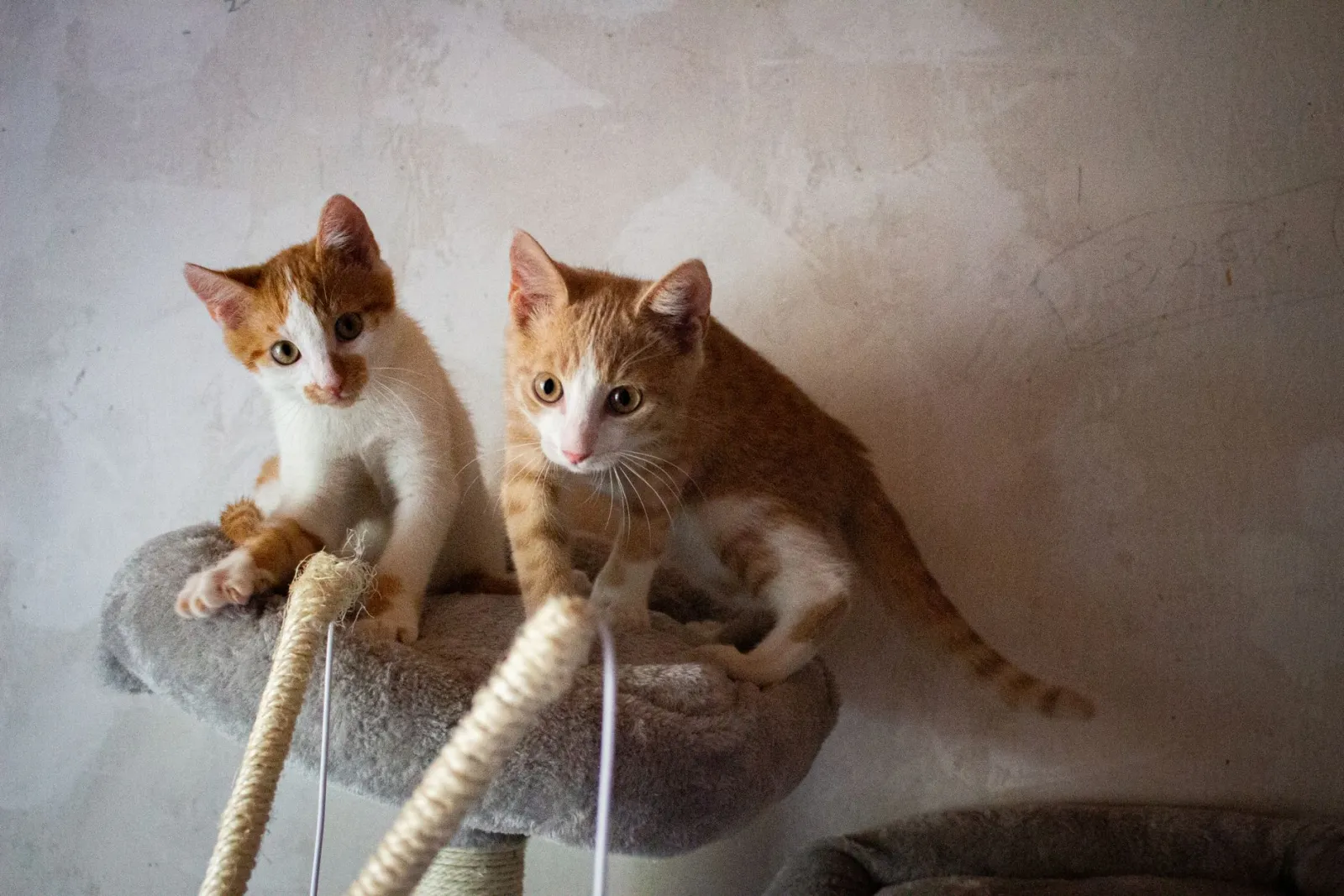
Height makes a cat feel safe. A cat tree gives your cat a place to climb, scratch, sleep and watch the room from above — without using your shelves, wardrobe or curtains. In multi-cat households, that vertical space also reduces tension, because cats can avoid each other instead of competing for the same patch of floor.
\n\n
This guide is based on documented product criteria and the experiences owners report in forums and community threads, not on laboratory testing. The aim is simple: help you decide what to look for before you buy. You can browse the cat tree category on Amazon to see the range of shapes and sizes available.
\n\n
Key features to compare
\n\n
1. Height and vertical layout
\n
Height is the single most important specification. Tall cat trees — generally those over 150 cm — give a cat real climbing distance and a genuine high perch. Shorter models suit kittens, senior cats and nervous cats that prefer low hiding spots. Floor-to-ceiling tension poles are an alternative when you want maximum height with a small footprint.
\n\n
2. Perch size and shape
\n
Perches come in three common shapes: flat platforms, bowl-shaped scoop perches and soft hammocks. A scoop perch supports a curled-up sleeper; a flat platform suits a cat that likes to stretch out and supervise. For large cats, look for perches at least 40 cm across, otherwise your cat will hang over the edge and stop using it.
\n\n
3. Base and stability
\n
A tall structure is only as good as its base. Check the base dimensions, the overall weight and whether anti-slip feet or a wall-anchoring strap are included. A top-heavy tree that sways when your cat jumps onto it will be abandoned quickly.
\n\n
4. Covering material and replaceable parts
\n
Sisal rope wrapped around posts is durable and satisfies scratching instincts. Plush or carpet coverings feel softer but trap more hair. Removable, washable covers and replacement posts are a real advantage, because the scratching surfaces wear out long before the frame does.
\n\n
Pros
\n
- \n
- Protects your furniture. A cat tree with good sisal posts redirects scratching away from sofas and door frames. Cats scratch to mark territory and shed claw sheaths, so giving them a dedicated surface is practical, not just decorative.
- Reduces stress in multi-cat homes. Vertical space lets cats separate themselves. One can rest high up while another stays on the floor, which lowers the chance of confrontation.
- Supports exercise and healthy weight. Climbing uses muscles that a cat would otherwise rarely stretch indoors, especially in apartments without outdoor access.
- Creates a safe resting zone. Enclosed dens and high perches give shy cats somewhere to retreat when visitors arrive or when children are loud.
- Scalable to your space. Options range from compact corner units to king-size cat trees for large cats and multi-cat households, so you can match the footprint to the room.
\n
\n
\n
\n
\n
\n\n
Cons
\n
- \n
- They take up floor space and are bulky. Even a narrow model needs a stable footprint, and tall units dominate a corner of the room.
- Quality varies enormously. Cheap particleboard frames, thin posts and weak joints are common complaints in owner reviews. Poorly built trees wobble and can fail at the connection points.
- Maintenance is ongoing. Sisal frays, carpet holds hair, and dens trap dander. You will need to vacuum regularly and replace worn scratching surfaces.
- Not every cat uses one. Some cats ignore a cat tree completely, particularly if it is placed in a busy or exposed spot.
\n
\n
\n
\n
\n\n
Cat trees for large cats and tall spaces
\n
Large breeds and heavy cats need wider platforms, thicker posts and a broader base. Look for perches with a generous diameter and a frame rated for the weight. Tall cat trees suit confident climbers but must be anchored to a wall for safety. If you are short on floor space, a tall, narrow design with a wide base is usually a better compromise than a short, wide one.
\n\n
Verdict: 4.5 out of 5
\n
A well-built cat tree is one of the most useful purchases you can make for an indoor cat. It solves scratching, boredom and territorial stress in one piece of furniture. The category loses half a point only because build quality varies so widely — the difference between a good tree and a bad one is stability, perch size and the quality of the scratching surfaces.
\n\n
Recommendation: prioritise stability and perch size over decorative extras. Buy the tallest, sturdiest model your room can accommodate, anchor it to the wall, and place it where your cat can see the room but not be trapped by traffic. If you are comparing options, this cat tree selection is a reasonable starting point for judging sizes and layouts side by side.
\n\n
FAQ
\n\n
Is it a good idea to buy a used cat tree?
\n
It can be, if you inspect it carefully. Used cat trees are worth considering when the frame is solid, the posts are not shredded and the fabric is clean. Be cautious with heavily worn scratching surfaces, because they can harbour fleas, eggs and odours from a previous household. If in doubt, brand-new cat condos give you a known history and intact materials.
\n\n
What is the 3-3-3 rule for cats?
\n
The 3-3-3 rule is a guideline for settling a new cat: 3 days to decompress, 3 weeks to learn your routine and 3 months to feel fully at home. A cat tree helps at every stage, because it gives the cat a high, safe vantage point while it adjusts.
\n\n
Why do female cats lift their bum when you pet them?
\n
Lifting the rear end when petted near the base of the tail is a normal reflex, linked to the way cats present themselves during mating behaviour and to heightened sensitivity around the spine. If your cat also flinches or shows pain, have a vet check it.
\n\n
What to look for when buying a cat tree?
\n
Look for a stable base, a height that suits your cat‘s confidence, perches wide enough for your cat to lie flat, sisal scratching posts, and replaceable or washable covers. Check the weight rating, the joint construction and whether a wall anchor is included.
\n\n
Conclusion
\n
Cat trees work because they match how cats actually live: high, safe, scratchable territory. Focus on stability, perch size and scratching material, and you will get years of use out of a single purchase. If you are ready to compare layouts, heights and materials, start with the cat tree range here and read the size specifications carefully before you commit.
\n\n
Written by our editorial team, home specialists since 2015. Learn more.
\n\n
\n\n