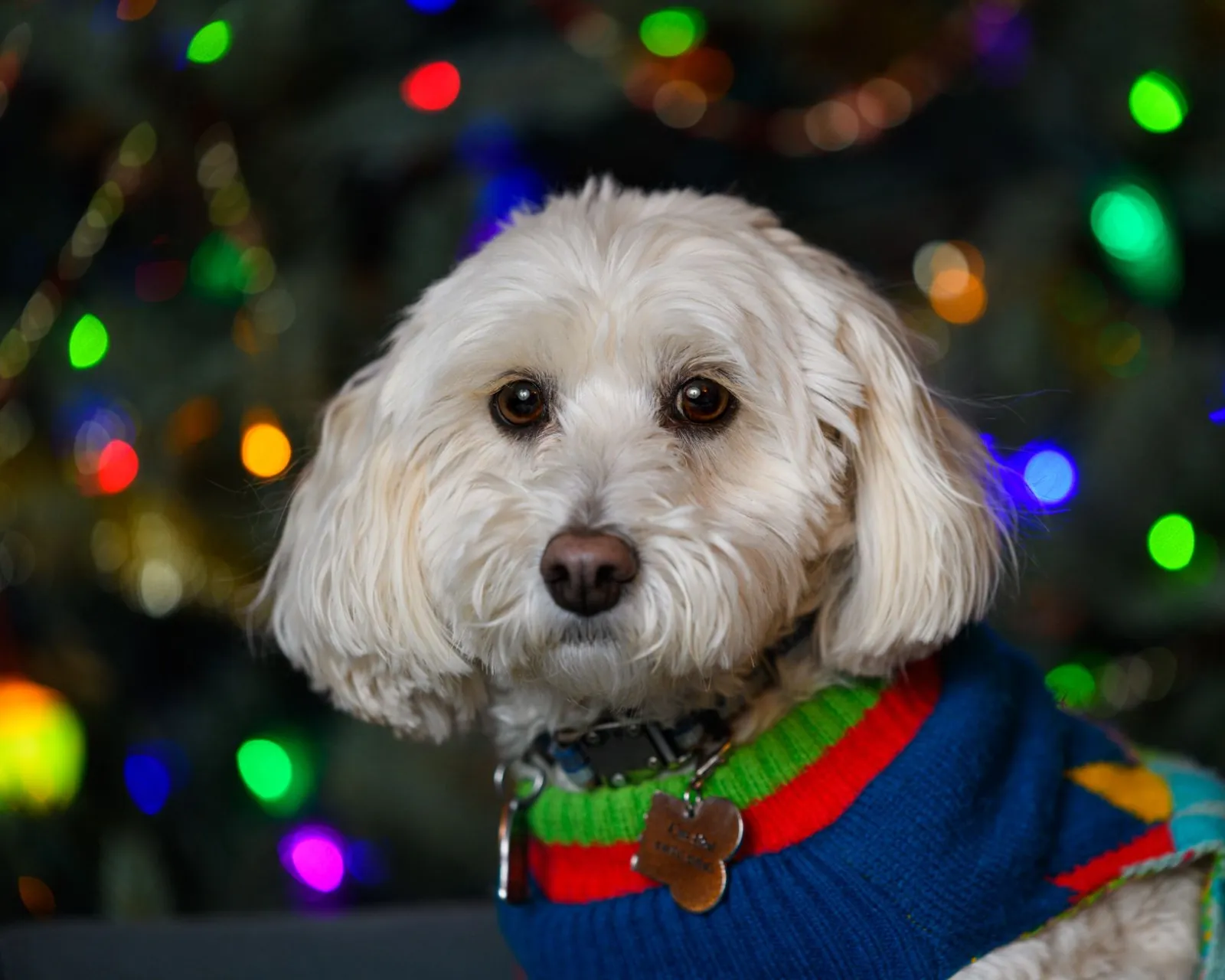
Short answer : A Christmas jumper for a dog is a festive knit or fleece garment designed to keep your pet warm and let them join in the holiday spirit. When buying one, focus on fit first: measure your dog’s chest girth and back length, then compare those numbers to the garment’s size chart rather than guessing by breed or weight. Choose soft, non-itchy materials with a bit of stretch, and check that the neckline and leg openings are loose enough for comfortable movement. Look for easy fastenings like hook-and-loop strips or snap buttons, and make sure the jumper is machine washable for practical everyday use. Finally, let your dog wear it briefly indoors before the big day so they can get used to the feel of it.
In short
- Measure chest girth and back length, then match to the size chart instead of guessing by breed.
- Pick soft, stretchy, non-itchy fabrics that allow free movement and won’t rub the skin.
- Check that neck and leg openings are roomy enough for walking, sitting, and lying down.
- Choose easy fastenings such as hook-and-loop strips or snaps for quick dressing and removal.
- Opt for machine-washable jumpers and let your dog try the garment indoors before the holiday.
Why a Christmas Jumper Suits Your Dog
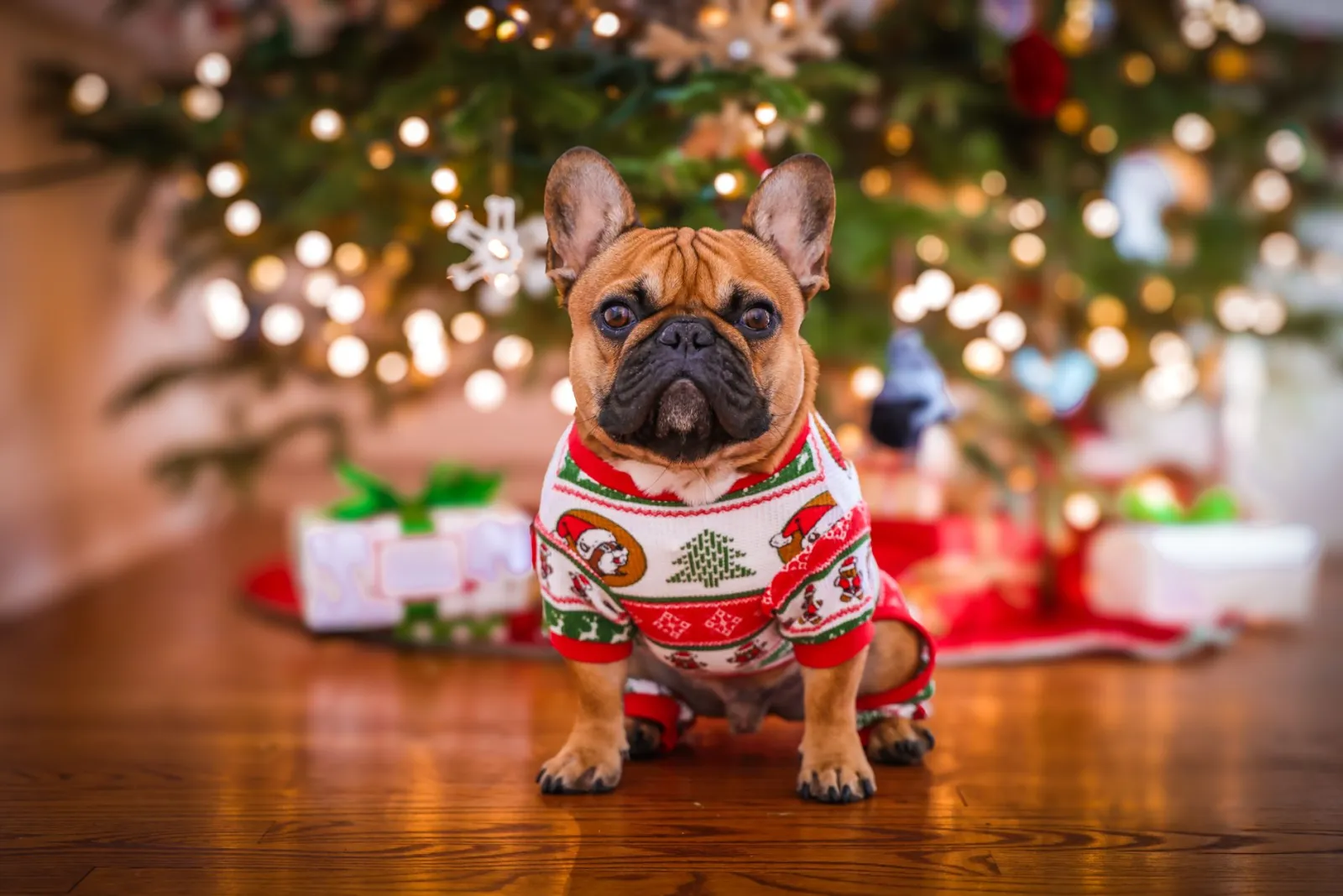
A Christmas jumper suits your dog for reasons that go well beyond a festive photo. The most practical one is warmth. Many of the dogs that end up wearing a jumper are small breeds, short-coated types, seniors, or dogs that spend most of their time indoors and feel the cold on winter walks. A knitted jumper traps a layer of warm air against the body, which takes the edge off chilly mornings and draughty rooms. It is not a substitute for shelter or common sense in harsh weather, but as an extra layer during the cold season it makes outings more comfortable for dogs that shiver easily.
The second reason is comfort during the busy festive period. Christmas brings more visitors, more noise, and more disruption to a dog’s routine. A close-fitting jumper can have a mild calming effect for some dogs, similar to the reassurance of a snug coat, and it keeps long fur away from muddy boots and wet umbrellas at the door. For dogs that are prone to picking up cold and damp on winter walks, a jumper also means less towel-drying and fewer muddy patches on the sofa afterwards.
There is also the practical matter of visibility. Winter days are short, and many walks happen at dusk or in low light. A jumper in a bright colour or with reflective detailing makes a small dog easier to spot near roads, in parks, and on pavements. This matters most for dark-coloured dogs and for those walked on lead in built-up areas, where a driver’s or cyclist’s reaction time is short.
Finally, a Christmas jumper is simply fun, and that has value. Dressing a dog for a photo, a family gathering, or a festive walk is a low-effort way to include the dog in the celebrations. The key is to treat the jumper as an occasional garment rather than everyday wear, and to choose one your dog can move, sit, and toilet in without restriction. A jumper that fits well and is introduced gradually tends to be accepted quickly; one that pulls at the legs or covers the tail will be resisted. The sections that follow explain how to judge fit, fabric, and sizing so the jumper stays a pleasure rather than a nuisance.
Choosing the Right Size for Your Dog
Choosing the right size for your dog is the single most important decision when buying a Christmas jumper, because a poor fit undermines both comfort and safety. A jumper that is too tight restricts movement around the shoulders and chest, can rub under the front legs, and may ride up the back when your dog walks or sits. One that is too loose slips sideways, tangles around the legs, and leaves the belly exposed to cold and wet ground. The goal is a garment that sits close to the body without compressing the coat or pinching at the neck, armholes, or tail base.
Start with two measurements rather than relying on a breed label. The first is the back length, taken from the base of the neck (where the collar naturally sits) to the base of the tail. The second is the chest girth, measured around the widest part of the ribcage just behind the front legs. For most dogs, chest girth is the more reliable guide, since back length alone ignores build. A deep-chested dog and a slender dog of the same back length can need very different sizes. If your dog falls between two sizes, size up for stockier, broad-chested breeds and size down for lean, narrow-chested dogs, provided the neck opening still clears the head comfortably.
Body shape matters as much as raw numbers. Sighthounds and other slender breeds tend to have a pronounced tuck and a narrow waist, so a standard jumper can hang loose at the belly; look for styles with an adjustable belly strap or a closer cut. Bulldogs, pugs, and other broad, short-necked dogs need generous neck openings and a cut that accommodates a wide chest without gaping at the front. Small, fine-boned dogs such as toy breeds often do better in jumpers with higher armholes so the fabric does not drag on the ground or catch on the legs. Long-haired dogs benefit from a smoother lining and a slightly roomier fit to avoid matting.
Pay attention to the openings and fastenings, which determine whether a correctly measured jumper actually stays put. Check that the leg holes sit behind the front legs rather than cutting into the armpit, and that the neck opening lets you fit two fingers underneath without strain. Fastenings along the back or belly should close easily and stay closed during movement. For dogs that wear a harness on walks, consider whether the jumper allows the harness to sit over or under it without bunching; some designs include a leash opening at the back.
Finally, treat sizing as something to verify rather than assume. Measure your dog while standing on a flat surface, keep the tape snug but not tight, and recheck the chest girth if your dog is between seasons of coat thickness. Puppies and dogs whose weight fluctuates may need a roomier fit or a size up. A jumper that meets these checks will keep your dog warm through the festive season without restricting the natural movement of walks, play, and rest.
Fabric and Material Considerations
The fabric of a Christmas jumper for a dog matters more than the festive pattern, because the material determines whether your dog will tolerate wearing it and whether it survives the season. The two most common choices are knitted yarns and fleece, and they behave very differently. A knitted jumper, especially one with a traditional cable or Fair Isle design, looks the part but has limited stretch; it suits dogs that are calm and used to wearing clothing, and it works best as a layer for short photo sessions or indoor time rather than a full day of wear. Fleece is lighter, softer and far more forgiving, which makes it a practical option for dogs that are new to clothing or that move around a lot.
Stretch and fit go hand in hand with the material. A jumper needs to accommodate the chest and the area behind the front legs without pulling tight, so look for fabrics with some give, or knitted pieces with ribbed cuffs and hems that expand and contract. A rigid, tightly woven fabric will restrict movement and is more likely to be shrugged off or chewed. If your dog has a deep chest or a broad build, a fabric with natural elasticity will sit better than a stiff one, and the same applies to very small or slender dogs, where excess fabric bunches and becomes a trip hazard.
Consider what sits underneath the jumper, too. A coarse wool or scratchy synthetic can irritate skin and cause scratching, especially on dogs with a thin coat or sensitive skin, so a soft inner face or a smooth lining is worth looking for. Cotton and cotton-blend knits tend to feel gentler against the coat than rough wool, while fleece has a plush inner surface that most dogs accept readily. If your dog already wears a harness, check that the jumper’s fabric is thin enough at the harness points so it doesn’t bunch or rub.
Think about the conditions the jumper will actually face. Indoors, breathability matters more than weather resistance, since a dog that overheats will pant and try to wriggle free; lightweight knits and fleece breathe well, while thick, dense fabrics trap heat. For outdoor use on cold, dry days, a denser knit holds warmth better, but remember that a jumper is not a waterproof layer and will absorb moisture in rain or wet snow. A jumper that gets damp against the skin loses its insulating value and becomes uncomfortable, so it is best kept for dry conditions or short trips outside.
Finally, weigh practical care against the festive look. Christmas jumpers for dogs get dirty quickly, and fabrics that pill, shed or lose shape after a wash become a nuisance. Knitted pieces with a tight stitch and reinforced seams hold up better than loose, open weaves that snag on claws and collars. Check that any embellishments, such as appliqué motifs or trims, are securely attached, since loose pieces are a chewing risk. A fabric you can machine wash on a gentle cycle and that keeps its shape will get far more use across the season than a delicate novelty piece worn once for a photograph.
Comfort and Fit Checks Before Buying
Comfort starts with the right size, and a Christmas jumper that fits well depends on measuring the dog rather than guessing from breed or weight alone. Take a soft tape and record the neck circumference where a collar naturally sits, the chest girth at the widest point just behind the front legs, and the back length from the base of the neck to the tail. Compare these to the sizing chart for the specific jumper, since sizing conventions vary widely between makers and a size that fits one brand may sit differently in another. When a dog falls between two sizes, choosing the larger one usually gives more room for a layer of fur and avoids a tight fit across the chest.
Mobility is the real test of fit. A jumper should let the dog walk, sit, lie down, and climb stairs without the fabric bunching under the belly or pulling across the shoulders. Watch how the garment behaves at the front legs: sleeves or leg openings that are too narrow restrict the stride, while openings that are too wide let the jumper slide and twist. Around the neck, you should be able to slip a couple of fingers under the collar comfortably; anything tighter risks pressure, and anything looser means the jumper will ride up during walks. The back hem should clear the tail and not drag on the ground.
Consider the dog’s build and coat. Sighthounds and other deep-chested, narrow-waisted breeds often need jumpers cut for their shape, because a standard fit can gap at the waist or strain across the chest. Fluffy, thick-coated dogs may need a roomier cut so the fabric does not compress the coat, while short-haired or lean dogs benefit from a closer fit that keeps warmth in. Senior dogs, puppies, and dogs recovering from minor stiffness may appreciate a jumper that is easy to put on and take off, with simple fastenings and stretchy openings rather than tight pull-over necks.
Practical checks before you commit matter as much as measurements. Look at how the jumper fastens, whether by hook-and-loop strips, buttons, or a step-in design, and picture putting it on a wriggling dog on a cold morning. Check that seams sit flat and that any trim or decoration is securely attached, since dangling pieces invite chewing. Confirm the fabric allows the dog to move and breathe naturally and that the jumper can be washed without losing its shape, as festive knits often need gentle care. Finally, plan for a short trial at home before any outing, so you can spot rubbing, slipping, or restricted movement while the dog is relaxed and safe.
Warmth Without Overheating Your Dog
A Christmas jumper needs to keep a dog comfortable on a cold walk or in a chilly house without turning into a trap for body heat. Dogs do not sweat through their skin the way people do, so a garment that holds warmth too efficiently can leave a dog panting, restless, or trying to wriggle out of it. The goal is a layer that takes the edge off the cold, not one that simulates a heated room. Think of it as a light extra layer rather than a coat for extreme weather.
Fabric choice drives most of this balance. Knitted acrylic and cotton blends are the traditional jumper materials and offer moderate insulation with some breathability, which suits indoor wear, short trips outside, and dogs that only feel the cold mildly. Dense, tightly knit wool holds more warmth and blocks wind better, so it fits dogs that genuinely struggle in low temperatures, older dogs, or short-coated breeds on longer walks. Fleece linings add warmth quickly but reduce airflow, so they work best for brief outings rather than hours indoors. Whatever the material, a jumper that feels clammy or damp against the skin after a few minutes is holding moisture and heat in the wrong way.
Fit is the other half of the equation. A jumper should sit close enough to trap a layer of warm air but loose enough that you can slide a couple of fingers under the chest strap. Too tight and it compresses the coat and restricts movement; too loose and cold air circulates freely, defeating the purpose. Look at the coverage: a jumper that reaches the belly and covers the back keeps the core warm, while one that only drapes over the shoulders leaves the areas that lose heat fastest exposed. Openings at the neck and under the belly let excess warmth escape, so a high, closed collar is better reserved for genuinely cold conditions.
Match the jumper to the situation. Indoors in a heated home, most dogs need nothing at all, and a light knit is only useful for a dog that shivers on cool floors or during a car journey. For garden time and short neighbourhood walks in mild winter weather, a standard knit is enough. Save the thicker, wind-resistant layers for long walks in cold, damp conditions, and always check the dog after a few minutes: panting, a warm chest, or damp fur under the jumper are signs it is too much. A jumper that can be removed easily, with simple fastenings, lets you adjust as the dog moves between outdoors and a warm room.
Finally, consider how the jumper behaves when the dog is active. A piece that bunches under the legs or rides up the back will need constant readjustment and can rub. Stretchy trims at the neck and legs, and a shape that follows the dog’s body rather than hanging square, keep the layer in place while allowing a natural stride. The right balance is a jumper the dog forgets it is wearing: warm enough that it stops shivering, light enough that it moves, plays, and rests without overheating.
Easy On and Off for Daily Use
A Christmas jumper that is awkward to put on tends to stay in the drawer, no matter how festive it looks. The difference between a costume that gets worn all season and one that gets worn once usually comes down to how quickly it goes over the head and off again. Look for a pullover style with a wide, ribbed neck opening that stretches generously over the ears and skull without dragging across the eyes. A neck that is too snug turns dressing into a wrestling match; one with plenty of give slides on in a single motion. For dogs who dislike having anything pulled over their face, a jumper that fastens down the back or along the chest with a row of snaps or a full-length closure is far easier, because you can lay it flat, guide the front legs in, and close it up around the body rather than forcing fabric past the head.
Leg openings matter as much as the neckline. Generous, well-placed armholes let you thread each front paw through without bending the leg at an odd angle, and they reduce the chance of the jumper twisting once it is on. A garment cut with a higher chest and shorter sleeves tends to go on faster than a full-coverage knit that reaches down the legs. If your dog wears a harness for walks, consider a jumper with a dedicated leash opening at the back, so you can clip on without removing the whole outfit, which saves a full dressing cycle every time you head outside.
Fastenings should be easy to work with cold or gloved hands. A few large snaps, a broad strip of hook-and-loop tape, or a simple button placket at the chest are quicker and more forgiving than a long row of tiny buttons or a fiddly zip. Check that the closure sits on the back or side rather than under the belly, where it can catch on fur or pick up snow and grit. Adjustable straps or a slightly elasticated hem help the jumper stay put during a quick toilet break, so you are not re-dressing the dog every time it goes out.
Think about the everyday routine the jumper has to fit into. A dog that goes out several times a day benefits from a design you can remove and replace in seconds, ideally one that folds small enough to tuck into a coat pocket or bag. For a short photo session or a visit, a pull-on knit with a stretchy neck is perfectly practical. For an older or less mobile dog, or one that is sensitive around the legs, a back-fastening style that opens flat is the kinder choice, since it asks for less lifting and manoeuvring. Whichever you choose, practise putting it on and taking it off a couple of times before the event, and reward calm cooperation, so the jumper becomes a familiar part of the routine rather than a struggle.
Washing and Caring for the Jumper
Caring for a Christmas jumper starts with reading the care label before the first wear, because the fibre mix determines almost everything about how you should wash and dry it. Knitted acrylic and polyester blends, which are common for novelty festive knits, tolerate machine washing far better than wool, which can shrink and felt with heat and agitation. If the label is missing or unreadable, treat the jumper as delicate: hand wash in cool water and air dry flat. As a rule, the more metallic thread, appliqué, or light-up elements the jumper has, the more cautious you should be.
For most machine-washable dog jumpers, a gentle cycle at a low temperature with a mild detergent is the safest routine. Turn the jumper inside out and fasten any buttons or Velcro straps so they do not snag the knit or catch on other items. Wash it on its own or with similar colours, since reds and greens in festive designs can bleed, especially on the first wash. Skip fabric softener, which can coat the fibres and reduce the jumper’s ability to wick moisture away from the dog’s coat, and avoid bleach entirely.
Drying matters as much as washing. Heat is the main enemy of knitted dog jumpers: a tumble dryer on a high setting can shrink the garment and distort the leg openings and neckline, which then rub against the dog. Reshape the jumper while it is still damp and dry it flat on a towel or drying rack, away from direct sunlight and radiators. If you must use a dryer, choose the lowest heat setting and remove the jumper while it is still slightly damp. Wool blends should always be air dried flat.
Dogs get dirty in ways jumpers notice: muddy walks, wet underbellies, and everyday wear against the coat. You do not need to wash after every wear. Spot-clean small marks with a damp cloth and mild soap, and air the jumper between outings. A full wash every few wears is usually enough, and more frequent washing shortens the life of the knit. If your dog wears the jumper over a harness or under a coat, it will stay cleaner for longer.
Store the jumper clean and fully dry, folded rather than hung, since hanging can stretch the shoulders and distort the shape over time. Keep it away from damp and from anything that might snag the knit. Check seams, hems, and fastenings before each season and repair loose threads promptly so small holes do not grow. A jumper that is washed gently, dried flat, and stored with care will keep its shape and colour for several festive seasons.
Common Mistakes When Buying Dog Jumpers
The most frequent mistake is buying a jumper by breed or by a rough weight bracket instead of by actual body measurements. Two dogs of the same breed and similar weight can differ noticeably in chest girth and back length, so a jumper that fits one may pull across the chest or ride up on the other. Measure the chest at its widest point behind the front legs, the back length from the base of the neck to the tail, and the neck circumference, then compare those numbers to the size chart rather than guessing. A jumper that is too tight restricts movement at the shoulders and can chafe under the front legs, while one that is too loose sags, catches on furniture and lets cold air underneath.
A second common error is choosing style over function. A thick, chunky knit with decorative pom-poms, dangling trims or a high rolled collar may photograph well but can snag on walks, tempt chewing and obstruct movement or vision. For a dog that will actually wear the jumper outdoors in winter, prioritize a snug fit with a clear opening for the harness or leash attachment, a cut that leaves the belly free for toileting, and a fabric that does not mat when damp. Decorative elements are fine for a short festive photo session but are a poor choice for everyday wear.
Owners also overlook the practical details of putting the jumper on and taking it off. A narrow neck opening that has to be forced over the head is stressful for many dogs, especially those that dislike handling around the ears, so look for a wider neck, a stretchy ribbed collar or a fastener that opens at the chest or back. Check that leg holes are positioned so the front legs move freely and that no seam sits directly under the armpit, where friction is constant. These small construction points determine whether the jumper gets worn or abandoned after one attempt.
Sizing up “to allow for growth” or to layer underneath is another trap. An oversized jumper bunches at the rear, slips sideways and can trip a dog on stairs or during a run. If you want extra warmth, choose a jumper designed for the correct fit and add a thin base layer only if the size chart accounts for it, rather than buying two sizes too large. For puppies, accept that the jumper is a seasonal fit and re-measure before the next winter rather than compromising the current fit.
Finally, many buyers ignore the fabric’s behavior in real winter conditions. A jumper that is warm but not water-resistant becomes heavy and cold once wet, and a knit that holds moisture against the skin is uncomfortable on a damp walk. Consider how the dog will use it: a short trip to the garden needs less protection than a long walk in wind and drizzle, and an indoor festive jumper can be lighter and softer than an outdoor one. Matching the fabric and weight to the actual use, and checking washing instructions before purchase, avoids the common outcome of a jumper that is worn once and then sits unused.
Budget Options and What to Expect
When you start shopping for a Christmas jumper for your dog, it helps to understand that price generally tracks three things: the complexity of the knit or print, the quality of the fastenings, and how much the maker has invested in a proper fit across sizes. At the entry end of the market, you’ll mostly find simple pull-on styles, often made from thinner synthetic yarns or printed fleece, with a straightforward ribbed hem and little shaping around the chest or legs. These are perfectly serviceable for a single festive photo or an hour at a family gathering, and they suit dogs that tolerate clothing only briefly. The trade-off is that cheaper knits tend to stretch out of shape after a few wears and may not hold their colour through repeated washing, so treat them as a short-season purchase rather than something you’ll reuse for years.
Moving up a tier, you begin to see jumpers with more deliberate construction: shaped leg openings, a higher-cut belly panel to keep the garment clear of the ground when the dog moves, and either a harness hole or a leash opening at the back. This mid-range bracket is where most owners land, because it balances durability with the reality that a dog’s measurements can change between one winter and the next. Look for reinforced seams at the neck and leg holes, since these are the points that fail first on cheaper garments, and check whether the closure is a simple slip-over or something adjustable, as adjustable fastenings are far more forgiving if your dog sits between two sizes.
At the upper end, you’re paying for denser, heavier yarns, hand-finished detailing, and a size range that includes broader-chested or longer-backed builds. These jumpers behave more like proper outerwear: they hold their shape, resist pilling, and can be handed down or resold. The practical case for spending more is strongest if your dog wears clothing regularly through the winter, if you have a breed whose proportions are hard to fit off the rack, or if you want a jumper that survives machine washing without matting. If your dog only wears a jumper for a holiday card, the premium is harder to justify.
Beyond the sticker price, budget for the hidden costs that catch people out. A jumper that doesn’t fit properly is money wasted regardless of what you paid, so measure your dog’s chest girth, back length, and neck before ordering, and favour sellers who publish a clear size chart with a tolerance range rather than a single set of numbers. Factor in whether you’ll need a layer underneath for warmth, since a thin decorative knit alone won’t do much on a cold walk, and consider whether the jumper is meant for indoor lounging or outdoor wear, as that changes what you should reasonably expect to spend.
A sensible approach is to set your budget around how often the jumper will actually be worn. For occasional festive use, an inexpensive, simple style does the job and leaves room to replace it next season. For a dog that lives in knitwear from November through January, investing in better yarn and a more precise fit pays off in comfort and longevity. Either way, prioritise fit and freedom of movement over decoration, because a jumper that restricts the shoulders or bunches under the belly will be resisted no matter how festive it looks.
Safety Tips for Festive Dog Clothing
Fit matters more than style when it comes to festive dog clothing. A jumper that is too tight can restrict movement and rub against the skin, while one that is too loose can slip over the head or tangle around the legs. Look for a garment that leaves room for two fingers to slide under the fabric at the chest and neck, and check that leg openings do not cut into the armpits. A dog should be able to walk, sit, lie down, and turn around without the jumper bunching up or dragging on the ground. If the dog freezes in place, walks stiffly, or tries to bite at the fabric, the fit is wrong and the jumper should be adjusted or removed.
Fastenings deserve close attention. Velcro, buttons, snaps, and ties are common on Christmas jumpers, and small loose parts can be chewed off and swallowed. Give every fastening a firm tug before dressing the dog, and check it again after a few minutes of wear, since Velcro can loosen as the dog moves. Ties and dangling cords around the neck or belly should be trimmed or secured so they cannot catch on furniture, crate bars, or branches during a walk. Decorative elements such as bells, pom-poms, sequins, and appliqué pieces are a particular risk for dogs that like to mouth or chew their clothing, so choose designs where trims are stitched down firmly or leave them off altogether for heavy chewers.
Supervision is essential, especially during the first wears. Keep the first session short and stay with the dog, watching for signs of discomfort such as panting, excessive scratching, or attempts to wriggle out of the jumper. Never leave a dressed dog unattended in a crate or alone in a room, and remove the jumper before the dog sleeps or is left alone for any length of time. A jumper is clothing, not a harness, so it should never be used as the attachment point for a lead; always clip the lead to a proper collar or harness underneath or instead of the festive outfit.
Consider the dog’s shape and coat. Short-legged breeds, deep-chested dogs, and dogs with thick or long coats may need a different cut, and a jumper that fits one body type will not suit another. For dogs that overheat easily or have heavy coats, a festive bandana or a jumper worn only for photos and short indoor moments is often more comfortable than full coverage. Watch for overheating indoors: a warm room plus a knitted jumper can quickly become too much, so remove the garment once the photo or visit is over.
Finally, check the jumper before each wear. Look for loose threads, frayed seams, missing buttons, or torn openings, and repair or retire the garment if it is damaged. Wash it according to the care label between wears to keep the fabric clean and free of irritants, and store it somewhere the dog cannot reach it between festive occasions. A few minutes of checking and supervision keeps the Christmas jumper a happy part of the season rather than a hazard.
Frequently asked questions
How do I measure my dog for a jumper?
Use a soft tape measure and take three readings: the neck circumference where a collar sits, the chest girth just behind the front legs, and the back length from the base of the neck to the tail. Have your dog stand squarely on all fours so the measurements are accurate. Write the numbers down and compare them with the size chart of the jumper you are considering, choosing the larger size if your dog falls between two sizes.
What fabric is best for a dog jumper?
Soft knit fabrics such as acrylic or a cotton-blend knit work well because they stretch with movement and feel gentle against the coat. Avoid stiff, scratchy wool that can irritate skin and dense fabrics that trap too much heat indoors. Look for a smooth lining or flat seams around the neck and leg openings, and pick a fabric that holds its shape after washing so the jumper keeps fitting properly through the season.
Can my dog wear a jumper all day?
A jumper is best worn for shorter periods, such as walks, photos, or time in a cool room, rather than continuously. Dogs regulate heat differently from people, and a jumper worn indoors for hours can make them uncomfortable. Take it off for naps, play sessions, and whenever your dog seems restless, panting, or tries to wriggle out of it. Always supervise the first few wears.
How often should I wash the jumper?
Wash the jumper whenever it looks soiled, smells, or after outdoor walks in mud and damp weather. For a jumper worn occasionally, a regular wash keeps it fresh and prevents dirt from matting the knit. Follow the care label, use a gentle cycle, and let it air dry flat so it keeps its shape. Keep a spare jumper on hand so your dog is not without one while it dries.
Will a jumper restrict my dog’s movement?
A well-fitted jumper should let your dog walk, run, sit, and lie down without restriction. The risk comes from sizing that is too tight around the chest or too long on the back, which can catch the legs or drag on the ground. Check that leg openings sit comfortably and that your dog can move freely before you leave it on. If your dog walks stiffly or refuses to move, the fit needs adjusting.
How do I stop my dog chewing the jumper?
Supervise your dog while the jumper is on and redirect chewing toward an appropriate toy. Remove the jumper when you cannot watch your dog, especially during the settling-in period. Make sure the jumper fits well, since a loose or dangling piece invites nibbling. If chewing continues, try a different style with fewer loose edges, and keep the jumper out of reach when it is not being worn.
Are Christmas jumpers suitable for small dogs?
Yes, small dogs can wear Christmas jumpers, and the festive styles are often made in sizes to suit them. The key is choosing a size that matches your dog’s chest and back measurements rather than guessing by breed. Small dogs feel the cold more, so a jumper can be practical on chilly walks. Watch for dangling decorations or loose trims that a small dog could chew or catch.
What should I check before first wear?
Before the first wear, check the seams, the neck opening, and the leg holes for loose threads or rough edges. Try the jumper on indoors for a few minutes and watch how your dog moves, sits, and lies down. Confirm the jumper does not cover the eyes or drag on the ground, and remove any tags. Let your dog get used to it gradually with treats and praise.
Put it into practice : How can I estimate my dog’s adult size?
Work out your own case in 30 seconds:
Methodology
This calculator produces an indicative estimate based on the parameters you enter. The ranges used reflect typical market tiers in the pets space and are neither a commercial offer nor a guarantee. Prices and availability may vary.
Read next :
Full guide :Pets
More from this guide :
Was this guide helpful?
Share your experience with the WiseHomeGuides community.