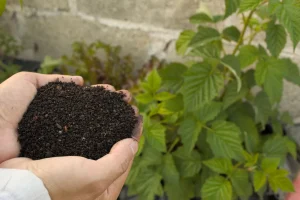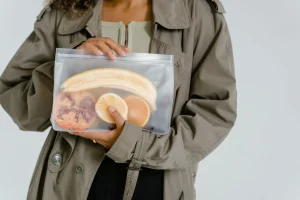
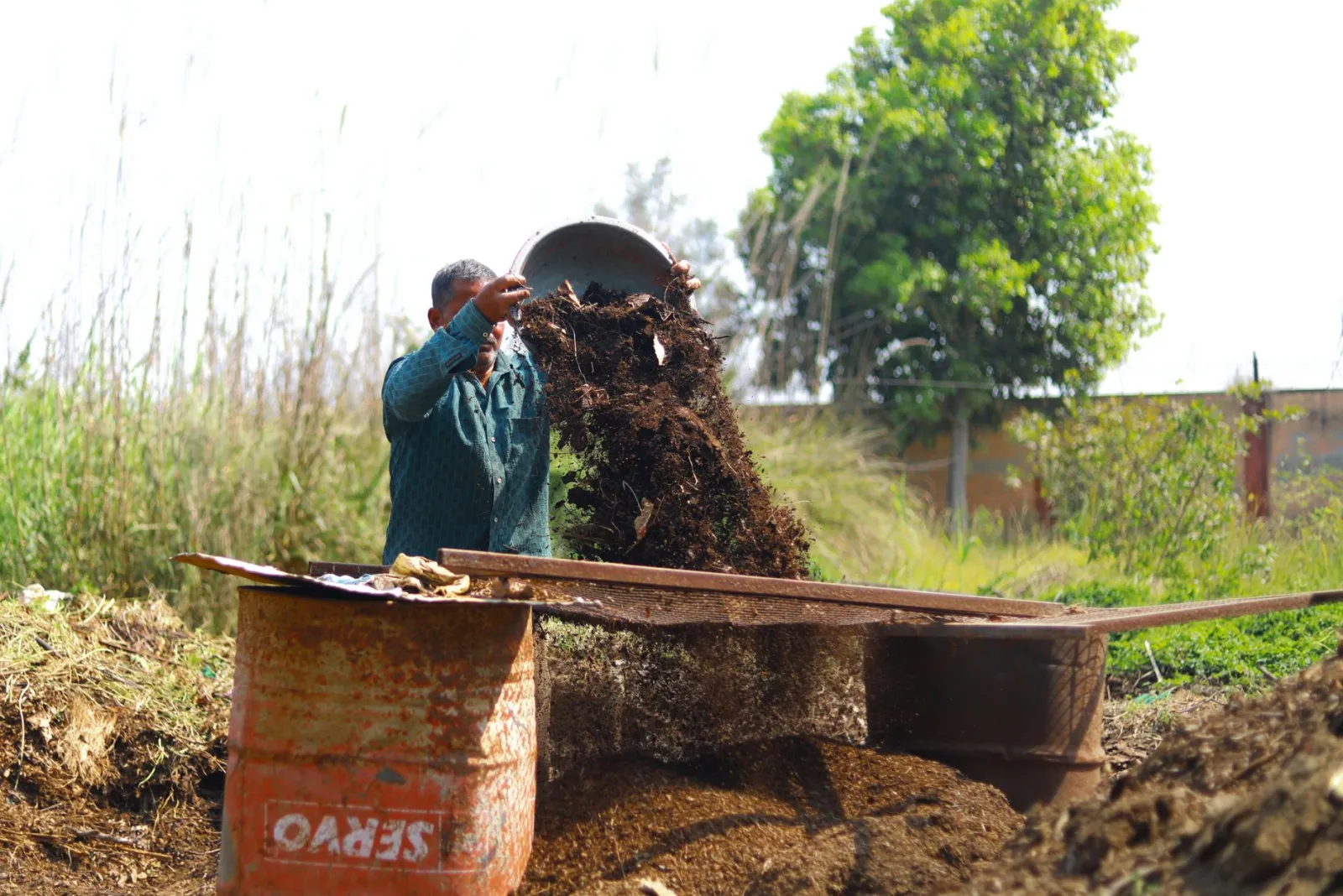
Short answer : Searching for “compost near me” usually means you want a place to drop off food scraps and yard waste, or a local source of finished compost for your garden. Start with your municipal waste department, which often lists drop-off sites, community compost hubs, and curbside collection programs on its website. Garden centers, farms, and community gardens are other common sources of finished compost, and some accept yard waste in return. For pet owners, keep pet waste out of compost bins meant for food scraps, since most home and municipal systems are not designed to handle it. Confirm hours, accepted materials, and any residency requirements before you load up the car.
In short
- Check your city or county waste department first for drop-off sites and collection schedules.
- Community gardens and allotments often accept yard waste and share finished compost with members.
- Ask garden centers and farms whether they sell or give away aged compost in bulk.
- Keep dog and cat waste out of food-scrap compost; bag it for regular trash instead.
- Confirm accepted materials, opening hours, and residency rules before transporting scraps or compost.
How to Find a Compost Site Near Your Home
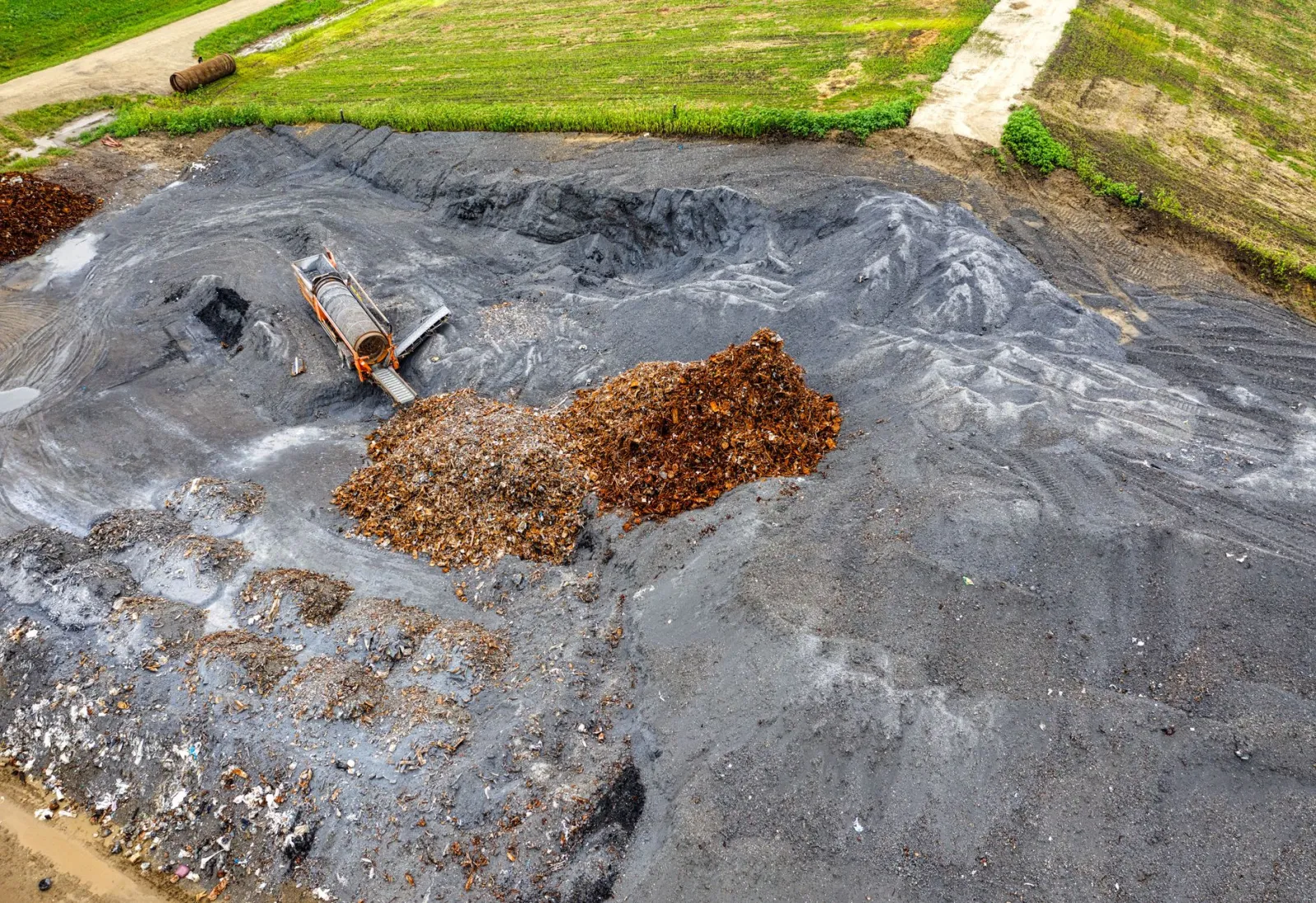
Finding a compost site near your home starts with knowing which type of site you actually need, because the options differ in what they accept and how you use them. A municipal or county drop-off site typically takes yard trimmings and often food scraps, and it is designed for residents who bring material in bins or bags during posted hours. A community garden compost hub tends to be smaller and more local, sometimes reserved for members who contribute material and turn the pile. A private composting facility or farm accepts larger volumes and may charge a fee or require a minimum load. Deciding whether you are dropping off a few kitchen scraps each week or a carload of leaves each fall will point you toward the right kind of site before you search.
The most reliable starting point is your local government. City or county waste and recycling departments usually publish a list of composting drop-off locations, and their solid waste pages often note whether yard waste and food scraps are handled separately. A quick call to the department that handles trash and recycling for your address can confirm hours, accepted materials, and whether proof of residency is required. Because programs open, close, and change their rules, confirming directly with the site or the department is worth the effort rather than relying on an outdated directory.
Geography matters more than people expect. A site that is a short drive away is far more likely to become part of your routine than one across town, especially if you are hauling food scraps weekly. Think in terms of how you will transport material: a sealed container in the car for kitchen scraps, or bags and bins for yard waste. Sites near allotments, garden centers, or transfer stations are common because they already handle organic material. If you live in an apartment or have limited outdoor space, look for neighborhood or community garden programs that accept small household contributions.
When you evaluate a site, ask practical questions rather than just checking it off a map. Does it accept the specific materials you generate, such as coffee grounds, eggshells, or branches? Are there limits on volume or bag size? Is the site staffed, and does it require you to separate material before arrival? For pet owners, confirm explicitly whether pet waste or bedding is accepted, since many programs exclude it. A site that fits your actual waste stream and schedule will save you repeated trips and frustration.
Finally, consider the alternatives if no convenient site exists. Some areas offer curbside organics collection that functions like a compost drop-off without the drive, and community groups sometimes run periodic collection events. Checking your municipal website, asking at a local garden center, and inquiring with nearby community gardens will usually surface at least one practical option close to home.
What to Bring and What to Leave at Home
What you bring to a compost drop-off or collection point largely determines whether the material breaks down cleanly or causes problems for the site operators. The safest rule of thumb is to separate your scraps the way a kitchen would: fruit and vegetable peels, coffee grounds and paper filters, tea leaves, crushed eggshells, and stale bread or grains all belong in the mix. These are the “greens” that feed the pile, and they should arrive reasonably fresh so they don’t turn into a soupy, foul-smelling mess before they reach the bin. If your site accepts “browns” as well, shredded plain cardboard, newspaper without glossy inserts, dry leaves, and small twigs help balance moisture and are usually welcome.
Contamination is the single biggest reason loads get rejected, so think carefully about packaging. Compostable-looking bags, cutlery, and cups are often not accepted because many facilities can’t process them within their turnaround time, and some only take items carrying a specific certification. When in doubt, leave the “compostable” plastic at home and bring loose scraps in a reusable container you take back with you. Produce stickers, rubber bands, twist ties, and the little plastic clips on tea bags are easy to overlook but should be removed before the material goes in.
Certain items should stay out of your home bin entirely, regardless of how convenient it would be to toss them in. Meat, fish, bones, dairy, and greasy leftovers attract pests and create odors in a backyard setup, and many drop-off sites prohibit them for the same reason. Pet waste, including cat litter and dog feces, is generally excluded because of the pathogens involved, and this matters especially for households with dogs and cats where waste volume adds up quickly. Treated or painted wood, charcoal ash, and anything containing chemicals also have no place in a compost stream.
For pet owners, the practical routine is to keep a small lidded container on the counter for veggie scraps and a separate, clearly labeled bin for anything that must go to landfill. That separation prevents the common mistake of tossing a soiled paper towel or a greasy pizza box into the compost when it actually belongs in the trash. If your site publishes an accepted-items list, read it once and post it near your bin so everyone in the household follows the same rules.
Finally, match your container to the trip. A sturdy bucket with a lid travels better than a flimsy bag, and a container you can rinse keeps odors down between drop-offs. Bring only what the site explicitly accepts, keep the load free of packaging and stickers, and you’ll make each visit count without creating extra work for the people running the pile.
Composting Pet Waste: What You Need to Know
Composting pet waste is one of the most misunderstood topics for home composters, and it deserves a clear distinction up front. Dog and cat feces are not the same material as grass clippings or vegetable scraps, and the difference matters for both your bin and your household. The core issue is that pet waste can carry pathogens that a backyard compost pile rarely gets hot enough to destroy, so the decision to compost it should rest on whether your system can reliably reach and hold high temperatures, not on convenience.
The practical dividing line runs between dog waste and cat waste. Dog feces can be composted in a dedicated system that is kept separate from food gardens, ideally a buried digester or a closed bin designed for the purpose, where the material breaks down over a long period. Cat litter is a different problem: most conventional clumping litters are made from clay or silica that will not break down, and even biodegradable litters carry the same pathogen concerns as the feces themselves. If you compost cat waste at all, it belongs in a system you never use on edible crops.
Temperature and time are the two criteria that separate safe from risky. A backyard pile that only reaches warm, not hot, conditions will break down pet waste slowly but will not reliably kill pathogens, so the finished material should be treated as a soil amendment for ornamental beds, trees, and shrubs only, never for vegetables, herbs, or anything grown at ground level for eating. A long curing period matters as much as the initial breakdown; the material should sit undisturbed well beyond the point where it looks finished.
Location and containment are where most home composters get into trouble. Pet waste bins should sit away from wells, drainage paths, and vegetable beds, with a lid or soil cover to keep rain from carrying material into runoff. A buried digester works well in a yard with space, while a closed tumbler or dedicated bin suits smaller lots, provided it is emptied into a separate curing area rather than straight onto garden beds. Keeping a separate tool for pet waste avoids cross-contamination with the compost you use on food crops.
For pet owners without the space or appetite for a dedicated system, the honest answer is that municipal or commercial collection is often the better route, and many areas that offer curbside organics collection accept pet waste in specified bags. If you are searching for compost near me options, ask directly whether the facility accepts pet waste and how it processes it, since acceptance policies vary widely. The guiding principle is simple: compost pet waste only in a system you control completely, keep it away from anything you eat, and treat the finished material as landscaping amendment rather than garden soil.
Kitchen Scraps vs. Yard Waste: Sorting Basics
Kitchen scraps and yard waste behave very differently in a compost pile, and mixing them without a plan is one of the most common reasons a home compost system turns slimy or stalls out. The practical distinction comes down to moisture, particle size, and the carbon-to-nitrogen balance each material brings. Understanding which category a given material belongs to, and roughly how much of each you need, lets you keep a bin working steadily whether you are composting in a backyard tumbler, a stationary bin, or a worm bin.
Kitchen scraps are the nitrogen-rich, wet side of the equation. Fruit and vegetable peels, coffee grounds and filters, tea leaves, stale bread, and crushed eggshells all fall here. They break down quickly and attract the most attention from flies, rodents, and pets, so they need to be buried in the center of the pile and covered with a layer of dry material each time you add them. Because scraps are dense and wet, a little goes a long way; a household typically produces far more green material by volume than a pile can absorb without a steady supply of browns to match.
Yard waste is usually the carbon-rich, dry side, though not uniformly. Fallen leaves, straw, shredded paper, cardboard, and dry plant stalks are classic browns that add structure and airflow. Fresh grass clippings, green plant trimmings, and weeds without seed heads sit closer to the green end and should be treated more like kitchen scraps. Woody material such as branches and thick stems breaks down very slowly and is better chipped or composted separately. The key sorting habit is to keep a stockpile of dry browns near the bin so you can add a handful or two every time you empty the kitchen container.
The working rule most home composters follow is to layer roughly two to three parts browns to one part greens by volume, then adjust based on what the pile tells you. If it smells sour or feels matted and wet, you have too many greens and need more browns and turning. If it is dry and nothing seems to be breaking down, add moisture and a batch of kitchen scraps. Particle size matters as much as ratio: chopping scraps smaller and shredding leaves or cardboard speeds decomposition noticeably, while whole items sit for months.
Pet owners have an extra sorting consideration. Dog and cat waste, and soiled cat litter, should stay out of a home compost bin that will be used on food gardens, because home piles rarely reach the temperatures needed to break down pathogens reliably. Keep a separate system or dispose of it through municipal services. Similarly, meat, dairy, and oily cooked food are best kept out of open backyard bins to avoid pests, even though some sealed systems can handle them. When in doubt, sort conservatively: keep the bin to plant-based scraps and yard trimmings, and the pile will stay manageable.
Community Compost Drop-Offs vs. Curbside Programs
When you search for “compost near me,” you will typically find two very different types of service: a community drop-off site where you bring your material yourself, or a curbside program that collects from your home. They serve the same goal but suit different households, and understanding the trade-offs helps you pick the one you will actually keep using.
Community drop-off sites are usually run by municipalities, gardens, or volunteer groups and accept material at set locations during set hours. Their main advantage is that they often accept a wider range of inputs than a home bin, including things many backyard composters avoid, and they typically handle the material at a larger scale where temperatures and turning are managed more consistently. The catch is logistics: you need to store scraps without odor between trips, transport them, and arrive during opening hours. For a household that produces only a small volume or lives a short walk from a site, this is manageable. For a busy family with a full bin of kitchen waste, the trip can become a chore that quietly stops happening.
Curbside programs flip that equation. Collection comes to you on a fixed schedule, usually weekly or every other week, which removes the transport burden and tends to produce higher participation because the barrier is low. The trade-off is that you have less control and less visibility: you must follow the program’s accepted-materials list closely, since contamination in a shared stream can spoil a whole load, and you generally cannot compost items the program excludes. Curbside service also depends on where you live; it is common in denser urban and suburban areas and often absent in rural ones.
For pet owners, the distinction matters in practical ways. Most community and curbside programs restrict or prohibit pet waste and soiled bedding because of pathogen and contamination concerns, so neither replaces a dedicated home system for that material. If managing pet waste is a priority, a home composter you control is usually the better fit, and the drop-off or curbside service handles your kitchen scraps instead.
A sensible approach is to use both where available: a curbside or drop-off service for everyday food scraps, and a home bin for yard trimmings and any material you want to process yourself. Check your local program’s accepted-items list and collection schedule before committing, and confirm whether the finished compost is available back to residents, which is often a real benefit of community sites.
Keeping Compost Odors and Pests Away from Pets
Odors and pests are the two complaints that most often push pet owners to give up on composting, and both are usually management problems rather than inevitable side effects of having a bin. The core principle is simple: a compost pile should smell like damp earth, not like rot. When it smells sour or ammonia-like, that is a signal that anaerobic conditions have developed, often because the pile is too wet, too compacted, or overloaded with nitrogen-rich material. Pets are far more sensitive to these smells than people are, and a dog that finds a bin interesting will keep returning to it.
The single most effective habit is covering every addition of food scraps with a generous layer of brown material, such as dry leaves, shredded cardboard, straw, or untreated sawdust. This “bury the treasure” approach traps odors at the source and makes the surface far less appealing to noses and paws. Keep a stockpile of browns next to the bin so covering takes seconds rather than becoming a chore you skip. Turning the pile occasionally restores airflow and interrupts the anaerobic pockets that produce the worst smells. If the pile is genuinely soggy, adding more browns and turning it is usually more useful than trying to dry it out from the surface.
For pet owners, the most important separation is between pet waste and the compost bin. Dog and cat feces should never go into a home compost system, both because of the pathogens they can carry and because they are a powerful attractant. Scoop waste promptly and dispose of it separately, and keep the bin well away from the areas where pets relieve themselves. The same logic applies to pet food: leftover wet food, kibble, and meat scraps belong in the rubbish or a dedicated system, not in an open pile. These are the materials most likely to draw rodents, flies, and determined dogs.
Physical barriers do most of the remaining work. A bin with a secure, weighted lid stops raccoons and keeps dogs from nosing the contents loose. If you use an open pile or a tumbler, a simple fence or a ring of wire mesh around the base discourages digging and keeps the pile from becoming a scratching post. Site the bin away from fences and walls that animals use as travel routes, and avoid placing it directly against a pet’s favourite patrol path. For households with curious dogs, a lidded, enclosed bin is generally a better fit than an open heap, simply because it removes the temptation entirely.
Pests follow food, so the practical rule is to keep the bin’s surface free of recognizable food at all times. Bury scraps deep in the centre of the pile, where they break down fastest, rather than leaving them on top. Fruit flies and wasps are drawn to exposed sugary material, so cover melon rinds and fruit trimmings immediately. If rodents appear, the usual causes are accessible food, a bin that is too dry and open, or a lid that does not close properly; correcting those three things resolves most problems. A well-managed bin, kept slightly moist but never wet, covered with browns, and turned now and then, stays odor-neutral and uninteresting to pets, which is exactly what you want.
Using Finished Compost in Your Garden Safely
Finished compost is a stable, earthy-smelling material that should no longer heat up or contain recognizable food scraps. Before you spread it, run a simple readiness check: it should be crumbly and dark, with a mild forest-floor smell rather than a sour or ammonia odor. If it still smells sharp or you can identify original ingredients, it needs more time and turning. This matters especially for pet owners, because immature compost can carry pathogens, and for anyone using manure-based inputs, where proper maturation reduces risk.
For vegetable beds and annual flowers, work a moderate layer into the top few inches of soil before planting, or spread it as a thin surface mulch around established plants. Compost is a soil amendment, not a substitute for soil, so blend it with existing soil rather than filling a bed with pure compost. A light, even application feeds soil life and improves structure without overwhelming young roots. Keep it a little away from stems and crowns so the material doesn’t hold moisture directly against plant tissue.
For lawns, the practical approach is a thin, raked-in topdressing in spring or early fall, watered in afterward. Too thick a layer smothers grass and traps thatch, so spread it thinly and let it settle. For trees and shrubs, apply compost as a ring mulch around the drip line rather than piling it against the trunk, since mounded compost against bark invites rot and pests. A modest ring that tapers away from the trunk is safer than a cone.
Pet owners should treat compost with extra care. Keep dogs out of finished compost piles and freshly amended beds, since even mature compost can contain molds and residues that upset animals that dig or scavenge. If your compost includes pet waste, do not use that batch on edible crops; reserve it for ornamental plantings or dispose of it, and keep separate bins so the distinction is clear. Wash hands after handling compost and keep the pile covered to discourage pets from investigating.
Timing and restraint matter as much as placement. Apply compost when plants are actively growing and can use the nutrients, and avoid heavy applications right before winter when uptake slows. Fresh compost applied too generously can tie up nitrogen or burn tender seedlings, so start modest and observe how plants respond. Store leftover compost in a covered pile or bin to keep it from drying out or becoming waterlogged, and it will remain usable for later topdressing and bed preparation.
Compostable Bags and Pet Waste Bags Explained
The distinction matters because a bag labeled compostable is not automatically something you can toss into your backyard bin. Home compostable bags are designed to disintegrate at the lower, more variable temperatures a garden pile reaches, while industrial-only bags typically need the sustained heat of a commercial facility to break down properly. When you are searching for compost near me options, check which certification a bag carries before assuming it belongs in your home system.
For a home compost pile to handle a compostable bag, the pile needs to be actively managed and running hot enough for long enough. A passive, cold pile that just sits there will often leave bag fragments intact for a long time, which defeats the purpose. If your pile is small, rarely turned, or mostly finished compost, compostable bags are a poor fit and are better sent to a municipal food-waste collection program that accepts them.
Pet waste bags are a separate question, and the honest answer is that most should not go into a home compost pile at all. Even bags marketed as compostable are usually intended for industrial or municipal processing, and dog and cat waste carries pathogens that a backyard pile rarely gets hot enough to neutralize. Many home composters therefore keep pet waste out of the pile entirely and use compostable pet bags only where a municipal collection service explicitly accepts them. The bag being compostable does not make the contents safe for a garden you will later use on vegetables.
Practical criteria help you sort this out. Match bag thickness to your use: thin bags for kitchen caddies that get emptied often, thicker ones for outdoor or pet use where puncture resistance matters. Check whether your local waste service accepts compostable bags in food-waste bins, because many do not, and a bag that contaminates a recycling or composting stream is worse than a plain one. Keep a separate small bin for pet waste so it never gets mixed into the garden pile by habit.
The simplest rule is to treat compostable bags as a convenience that only works when the destination matches the bag. When in doubt, confirm what your local compost near me program or municipal service actually accepts, and default to keeping pet waste out of home compost regardless of what the bag is labeled.
Seasonal Composting: Winter and Summer Tips
Winter composting slows down but does not have to stop. Cold temperatures reduce microbial activity, so a pile that turns quickly in autumn may sit nearly dormant in deep frost. The practical response is to shrink the active volume and insulate it: a smaller, well-built heap or a fully enclosed bin retains heat better than a sprawling open pile, and a lid or fitted cover keeps rain and snow from waterlogging the material. Because decomposition stalls below freezing, the goal in winter shifts from fast breakdown to holding material in good condition until spring. Chopping scraps and bedding into smaller pieces before adding them helps them break down faster once warmth returns, and keeping a stock of dry brown material such as shredded paper, cardboard, or dry leaves lets you balance wet kitchen waste even when garden trimmings are unavailable.
Moisture management matters more in winter than many people expect. A pile that is too wet becomes anaerobic and smells, while one that is too dry simply stalls. Squeeze a handful of material: it should feel like a damp sponge, not drip freely. In snowy or rainy climates, position the bin where it drains well and avoid low spots that collect meltwater. Pet owners dealing with used bedding, fur, or waste from small animals should keep in mind that carnivore and dog or cat waste does not belong in a compost heap intended for garden use, regardless of season, because of pathogen risk; herbivore bedding such as from rabbits or guinea pigs is a more suitable addition when mixed thoroughly with browns.
Summer brings the opposite challenge: heat accelerates decomposition but also dries material out and can push a pile past the point where it stays aerobic. During hot, dry spells, check moisture more often and water the heap when the centre feels dry. Turning regularly keeps air moving and prevents the core from overheating or turning matted and foul-smelling. A pile that is working well warms noticeably in the centre and shrinks in volume over days to weeks; if it stops shrinking and smells sour, it is likely too wet or too compacted. Shade helps in extreme heat, and adding fresh green material keeps the microbial population fed.
Seasonal transitions are where most problems appear. In autumn, an abundance of fallen leaves gives you a large carbon source, so stockpile some for use through winter and spring rather than adding them all at once. In spring, the first warm days reactivate the pile, and turning it then mixes in winter’s accumulated material and restarts active decomposition. For households with pets, plan where the bin sits so it is reachable in snow and mud, and keep a covered container for kitchen scraps close to the door to reduce trips. Matching your routine to the season, rather than fighting it, keeps a home compost system productive year-round.
Common Composting Mistakes and How to Avoid Them
The most common composting mistake is imbalance between greens and browns. Greens are wet, nitrogen-rich materials like kitchen scraps and fresh grass clippings; browns are dry, carbon-rich materials like fallen leaves, shredded cardboard, and straw. When the pile is too green, it turns slimy, smells sour, and attracts flies. When it is too brown, decomposition stalls and the pile sits unchanged for months. A practical test is to squeeze a handful: it should feel like a wrung-out sponge, damp but not dripping. If it drips, add browns and turn; if it crumbles dry, add greens or a little water.
The second frequent error is poor aeration. Compost needs oxygen, and a pile that is never turned becomes compacted and anaerobic, producing a rotten odor and slow breakdown. Turning the pile periodically, especially when you add new material, keeps air moving and speeds the process. For pet owners, this matters because buried waste and matted layers create pockets where odors build up. Keep the pile structure loose rather than heaping it into a dense mound.
A third mistake is adding the wrong materials. Meat, dairy, oily foods, and pet waste from carnivorous animals do not belong in a standard backyard bin, as they cause odors and attract pests. Diseased plants and weeds that have gone to seed can survive a cool pile and spread problems later. Pet owners should also keep dog and cat waste out of compost intended for vegetable gardens, since standard home systems do not reach the temperatures needed to break it down safely.
Moisture and particle size round out the common failures. Oversized chunks, whole branches, and unshredded cardboard decompose very slowly; chopping material into smaller pieces dramatically increases the surface area available to microbes. Similarly, a pile that is too small struggles to hold heat, while one that is too large becomes hard to turn. Aim for a size you can comfortably manage with a fork or aerator.
Finally, patience and placement matter. Many people expect finished compost in weeks, but a cool backyard pile typically takes several months to a year depending on conditions. Siting the bin in partial shade with good drainage, and keeping it away from fences and pet traffic, prevents soggy conditions and unwanted digging. Checking the pile weekly and adjusting as you go is more effective than any single fix.
Frequently asked questions
What does ‘compost near me’ usually mean?
When people search ‘compost near me,’ they are typically looking for local options to drop off food scraps and yard waste, buy finished compost, or find a community composting program. It can also mean locating a municipal yard waste site or a neighbor who accepts organic material. The phrase is broad, so results often mix drop-off sites, pickup services, and retailers. Clarifying whether you need disposal, finished compost, or a collection service helps you sort through what’s actually available in your area.
Can I compost dog or cat waste at a community site?
Most community compost sites do not accept dog or cat waste because it can carry pathogens that standard composting temperatures may not reliably eliminate. Pet waste also tends to be high in nitrogen and can create odor and contamination issues for programs serving gardens and food crops. Some sites accept it only through dedicated pet waste composting systems with verified heat treatment. Always check the specific site’s accepted materials list before dropping anything off, since rules vary widely between programs.
Are compostable pet waste bags accepted everywhere?
No, compostable pet waste bags are not accepted everywhere, and many programs explicitly reject them. Even bags labeled compostable often break down too slowly for the short cycles used by community sites, and they can contaminate finished compost if they don’t fully degrade. Confirm with your local site before including any bagged material in a drop-off.
What items should never go into a compost bin?
Keep out meat, fish, dairy, and greasy foods, which attract pests and create odor. Avoid pet waste from dogs and cats, along with cat litter, because of pathogen concerns. Do not add diseased plants, invasive weeds with seeds, or anything treated with persistent herbicides. Plastic, glass, metal, and synthetic fabrics never belong in compost. Also skip glossy paper, receipts, and coated cardboard. When in doubt, leave it out, since contamination can ruin an entire batch and burden the people running the site.
How do I keep my dog out of the compost pile?
Use a sturdy lid or a fully enclosed bin rather than an open pile, and secure it with a latch or weighted cover. Place the bin away from your dog’s usual patrol routes and fencing lines. Avoid adding tempting food scraps like meat or dairy that strongly attract dogs. You can also install a simple low fence or barrier around the pile. Supervise your dog outdoors near the bin, and redirect them to a different area with a consistent cue so the compost stays off-limits.
Is finished compost safe to use around pets?
Finished compost is generally safe around pets once it is fully mature, meaning it no longer heats up and has an earthy smell rather than a sour one. Fresh or partially finished compost can contain harmful organisms, so keep pets away until it has cured. When you spread compost in the yard, let it settle and water it in before allowing dogs back on the area. Store finished compost in a covered container so pets cannot dig into it or eat it.
Do I need to pay to use a local compost drop-off?
It depends on the program. Many municipal yard waste and food scrap drop-offs are free to residents, often funded through local waste services, while some private or nonprofit sites charge a fee or require a membership. Some programs sell finished compost to offset costs, and a few offer free drop-off only during certain hours or for certain materials. Check your city’s waste department page or call the site directly to confirm whether there is a cost and what rules apply.
How often should I turn or empty my compost container?
Turn the contents roughly every week or two to add oxygen and speed decomposition, and turn more often if you notice odor or slow breakdown. Empty or harvest the container when the material at the bottom looks dark, crumbly, and earthy, which typically happens after several weeks to a few months depending on conditions. In warm weather, activity is faster, so check more frequently. If the bin fills quickly, empty it in stages and start a fresh batch with the unfinished material.
Read next :Dog Food for Dogs with Pancreatitis: A Buyer’s Guide · Dining Table Height: A Complete Guide to Choosing the Right Size · Bed Covers for Dogs: Protect Your Bed and Keep Your Dog Comfortable · Best Lawn Mower: A Complete Buying Guide for Homeowners · Compostable Food Waste Bags: A Practical Buying Guide
Put it into practice : How do I use a compost bin step by step?
Work out your own case in 30 seconds:
Methodology
This calculator produces an indicative estimate based on the parameters you enter. The ranges used reflect typical market tiers in the eco and energy savings space and are neither a commercial offer nor a guarantee. Prices and availability may vary.
Read next :Fish Tanks and Stands: A Complete Guide to Choosing and Setting Up
Read next :Best Lawn Mowers 2026: A Complete Buying Guide
Full guide :Sustainable Home
More from this guide :
Was this guide helpful?
Share your experience with the WiseHomeGuides community.