This article contains Amazon affiliate links. As an Amazon Associate we earn from qualifying purchases.
In short :
- Check the label on the machine itself, not just the showroom card, and confirm the country of origin on the spec sheet.
- Know the difference: “Made in USA” means virtually all parts are domestic, while “Assembled in USA” allows imported components.
- A US company name proves nothing, so treat any unqualified claim as unverified until you see documentation.
- Once origin checks out, compare tub material, rack coating, filtration, sound rating, and the energy and water figures side by side.
- Aim for under 45 decibels if you have an open-plan kitchen, and measure your door swing before you buy.
A dishwasher qualifies as made in USA when its label states “Made in USA” or “Assembled in USA” and the manufacturer’s specification sheet confirms the country of origin. Comparing these appliances comes down to four verifiable criteria: documented assembly origin, tub and rack materials, published sound rating, and the energy and water figures on the yellow EnergyGuide label.
How do you confirm a dishwasher is actually made in the USA?
The only reliable method is reading the country-of-origin field on the specification sheet and the label on the appliance itself, because a US-based company name does not guarantee US assembly. A manufacturer can be headquartered in America while its units are built in Mexico, China, or Europe, and even domestically assembled machines often contain imported components.
Follow this verification sequence:
- Look for the “Made in USA” or “Assembled in USA” label on the appliance, not only on the showroom display card.
- Request the model’s specification PDF and read the country-of-origin field, usually listed near the electrical ratings.
- Distinguish the two claims: “Made in USA” means all or virtually all parts and processing are domestic; “Assembled in USA” means the unit was put together here, often with imported parts.
- Treat any unqualified “Made in USA” claim as unverified until the seller backs it with documentation, since that claim must meet the “all or virtually all” standard.
Concrete example: a shopper sees a dishwasher with an American-sounding name and assumes domestic build. The spec sheet shows final assembly abroad. That is not a defect, but it changes the calculation for anyone whose priority is supporting domestic manufacturing or getting faster parts access.
Which build features matter most when comparing these dishwashers?
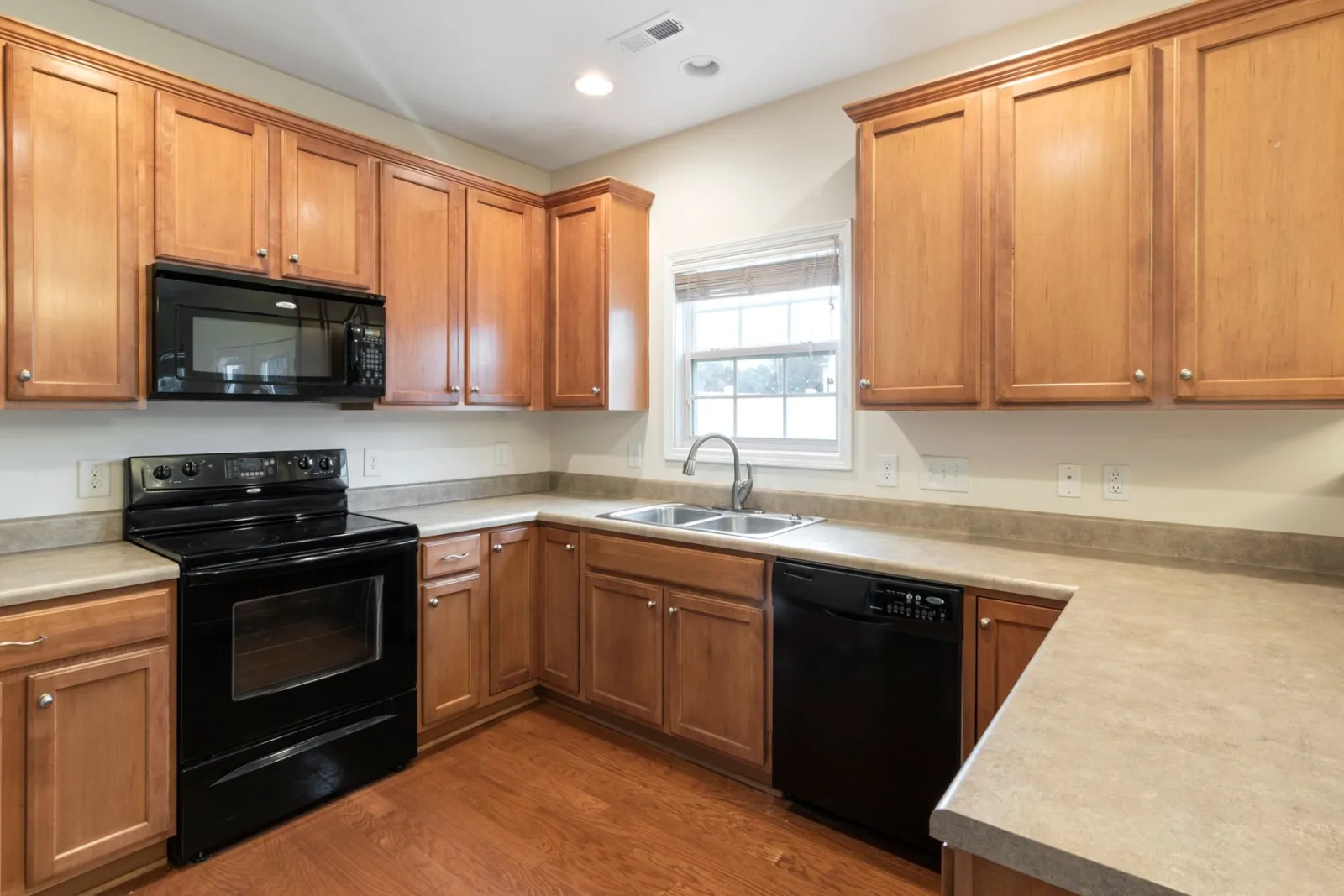
Focus on tub material, rack construction, and filtration, because these three determine how the machine holds up over a decade of daily use. Stainless steel tubs resist staining and retain heat better than plastic tubs, which can discolor and hold odors. Nylon-coated racks outlast vinyl-coated ones, which tend to peel at the tines after a few years.
| Feature | What to look for | Why it matters |
|---|---|---|
| Tub material | Stainless steel | Better heat retention, no staining, quieter operation |
| Rack coating | Nylon-coated, adjustable tines | Resists peeling; flexible loading |
| Filtration | Self-cleaning or manual-clean filter | Manual filters need monthly rinsing but handle food debris better |
| Sound rating | Published decibel figure | Under 45 dB is quiet for open-plan kitchens |
| Water use | Gallons per cycle on the energy label | Directly affects running cost |
Real-world case: a household with hard water notices a white film on glasses after two years with a plastic-tub unit. A stainless tub does not fix the water chemistry, but it wipes down far more easily and resists the staining plastic tubs accumulate.
What do the energy and water figures on the label actually tell you?
The yellow EnergyGuide label gives two comparable numbers: estimated yearly energy use in kilowatt-hours and estimated yearly cost based on national averages. These let you compare models objectively, regardless of marketing language about eco cycles.
Read the label this way:
- Yearly kWh — lower is better; compare only models of similar size and configuration.
- Water gallons per cycle — a difference of a few gallons per cycle adds up across hundreds of cycles a year.
- Cycle options — a quick wash or half-load setting cuts consumption further, but only if you will actually use it.
Concrete example: two dishwashers look identical on the showroom floor, yet one uses noticeably less energy per year on its label. Over a decade that gap is real money, and it usually tracks with a better-insulated tub, which also means a quieter machine.
How do you match a US-assembled dishwasher to your kitchen and habits?
Measure the opening, check door swing clearance, and think honestly about how you load. A machine that fits perfectly but forces awkward loading will annoy you every day.
Practical checklist before buying:
- Measure width, height, and depth of the cabinet opening — standard width is 24 inches, but confirm on your own cabinets.
- Check whether the open door will hit an adjacent cabinet or drawer.
- Decide between a standard rack layout and an adjustable third rack for cutlery.
- Confirm the sound rating if the kitchen opens onto a living area.
- Verify local service availability for the model — domestic assembly often means faster parts access, but confirm it rather than assume.
Real situation: a small galley kitchen with a drawer directly opposite the dishwasher. A standard door swing blocks it completely. Choosing a model with a shorter door swing solves a problem no spec sheet headline would flag.
FAQ
Does “Made in USA” mean every part is American?
No. The stricter “Made in USA” claim requires that all or virtually all of the product be made domestically, while “Assembled in USA” allows imported components. Check the exact wording on the label and spec sheet.
Are US-assembled dishwashers more reliable?
Assembly location alone does not determine reliability. Tub material, filtration design, and service network matter more. A well-built imported unit can outlast a poorly built domestic one.
What sound rating should I aim for?
Under 45 decibels is quiet enough for open-plan living. Above 50 dB becomes noticeable during conversation. The figure is published on the spec sheet, so compare it directly.
Bottom line
Confirm the country of origin on the label and spec sheet, then compare tub material, rack coating, filtration, sound rating, and energy figures side by side. That is the whole method, with no guesswork involved. For a broader look at how these criteria fit into the full buying decision, a more complete guide on the general topic is available on the site.
Was this guide helpful?
Share your experience with the WiseHomeGuides community.