This article contains Amazon affiliate links. As an Amazon Associate we earn from qualifying purchases.
In short :
- Stability matters more than anything else when you pick a cat tree.
- Get the height right too: around 1.2 to 1.5 metres suits most single cats, taller for big breeds or multiple cats.
- Check the materials, scratching surfaces, and resting spots your cat will actually use.
- Skip anything wobbly, no matter how good it looks.
- Nail those basics and your cat will use it daily for years.
You’ve probably seen it happen. You buy a cat tree, your cat ignores it for a week, then suddenly claims the top platform as a throne and refuses to come down. Or the opposite: the thing wobbles, your cat jumps off mid-climb, and it becomes an expensive clothes rack. The difference between those two outcomes rarely comes down to luck. It comes down to a handful of choices you make before you click “add to cart.”
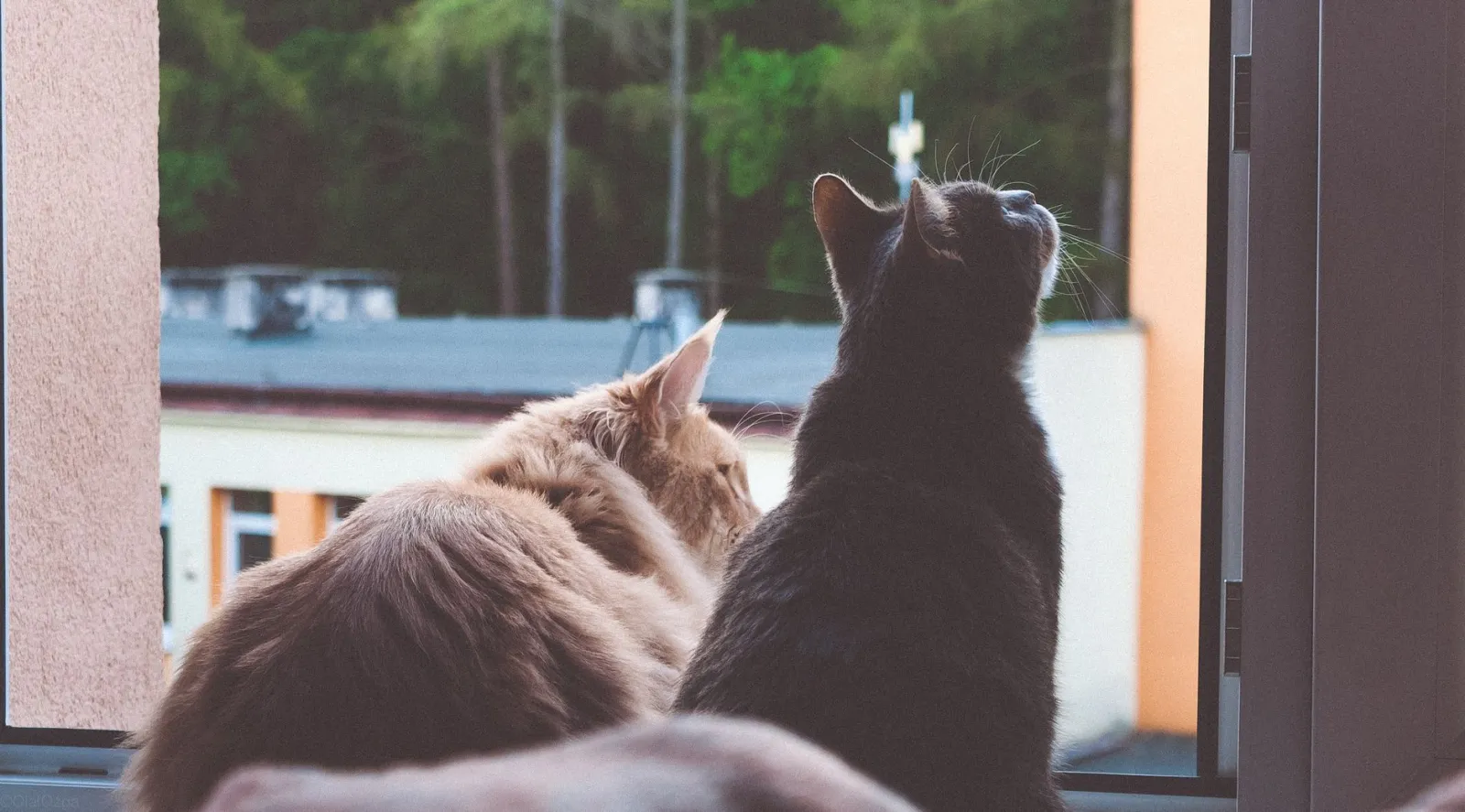
A cat tree isn’t just furniture. For an indoor cat, it’s territory: a place to scratch, climb, perch, hide, and watch the room from above. Cats are both predators and prey animals, and vertical space gives them the security that floor-level living never quite provides. That’s why the right cat tree can transform a nervous cat into a relaxed one, and the wrong one can sit untouched for years.
This guide walks through the criteria that actually matter when you’re choosing a cat tree house. No brand names, no prices, just the practical benchmarks you can check yourself — in the shop, or from your sofa before ordering.
Size and height: match the tree to your cat and your room
Height is the first thing to get right, and it’s where most buyers underestimate. A cat tree should let your cat stretch fully upward while scratching, and ideally reach a perch where it can look down on the room. For a single average-sized adult cat, a tree around 1.2 to 1.5 metres tall usually hits that sweet spot. Larger breeds or multi-cat households often do better with something taller, closer to 1.8 metres or more.
But height alone means nothing without a footprint that fits your space. A tall, narrow tree in a small flat can feel like a tower in a phone booth. Measure the corner or wall you have in mind before you shop — width, depth, and ceiling clearance. A common mistake is buying for the cat’s size and forgetting the human’s living room. If the tree blocks a doorway or crowds a radiator, you’ll resent it, and it may end up in the garage.
Here’s a quick way to think about it. If your cat likes to sit on top of doors or wardrobes, it wants height. If it prefers curling up in a box under the bed, it may value a cosy cave more than a summit. Watch where your cat already chooses to rest — that tells you more about the right size than any spec sheet.
Stability: the single most important factor
A wobbly cat tree is a rejected cat tree. Cats are famously cautious about surfaces that shift under their paws, and a tree that sways when they jump onto it will be avoided after one bad experience. Stability comes from three things: a wide, heavy base, a low centre of gravity, and solid construction at the joints.
When you’re assessing one, push gently against the top platform. If it rocks noticeably, walk away. Check that the base is broad relative to the height — a rough rule is that the base should be at least a third of the total height in width. For very tall trees, look for the option to anchor the unit to the wall; many come with a strap or bracket for exactly this reason, and using it is not overkill. It’s sensible.
Real-life example: a household with two active young cats and a tall tree placed on a wooden floor. Without wall anchoring, the tree slid a few centimetres every time the cats launched onto it, and one cat stopped using the top level entirely. A simple anti-slip pad under the base plus the wall strap solved it within a day. Stability isn’t a luxury feature — it’s the foundation everything else rests on.
Materials and surface: what your cat’s paws will actually feel
The covering matters more than the frame in daily use. Sisal rope or sisal fabric is the standard for scratching posts because it has the right texture and durability — it lets claws sink in and shed, which is exactly what scratching is for. Carpet can work too, but looped carpet can catch claws, and some cats dislike the feel. Fleece and plush coverings are comfortable for resting platforms but useless for scratching.
Look at how the sisal is attached. Wrapped tightly and glued along the full length, it lasts. Stapled loosely at the ends, it unravels within weeks and becomes a dangling hazard. Run your hand along the post — if you can feel gaps or loose coils, that’s a weak point.
For the platforms, check that the surface is either removable and washable, or easy to vacuum. Cats shed, occasionally vomit, and track litter. A tree with fixed, non-washable fabric on every level becomes a cleaning nightmare. Removable covers or smooth surfaces on the main perches make a real difference over the years.
Scratching surfaces: vertical, horizontal, and enough of them
Cats scratch for many reasons — marking territory, stretching, maintaining claws — and they have preferences. Some scratch vertically on posts, others horizontally on flat surfaces. A good cat tree offers both: at least one tall vertical post your cat can stretch against, and ideally a slanted or flat scratching area.
How much is enough? For a single cat, one tall post plus one flat surface is a reasonable minimum. In a multi-cat home, add roughly one scratching option per cat, plus one extra. This reduces competition and the risk that one cat guards the only good post.
Placement matters here too. Cats scratch most where they already spend time, often near where they sleep or where the family gathers. If the scratching post is tucked in a forgotten corner, expect the sofa to remain the favourite. Positioning the tree near a window or in the main living area dramatically increases how much it gets used.
Comfort and resting spots: beds, caves, and perches
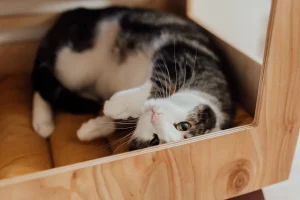
Climbing is only half the job. A cat tree also needs somewhere genuinely comfortable to sleep, because cats spend the majority of the day resting. Look for at least one deep, padded perch or a cave-style hideout. Shallow, flat platforms are fine for perching but poor for napping.
Cave beds suit cats that like to hide, especially in busy households or homes with children and dogs. Open perches suit confident cats that want to monitor everything. If you’re unsure which your cat prefers, a tree that combines both gives it the choice — and cats love choice.
Check the padding. Thin foam compresses flat within months. A perch with a firm, thick cushion holds its shape and stays comfortable. If the cushions are removable, even better: you can wash them and, if needed, replace them without buying a whole new tree.
Safety and build quality: the details that prevent accidents
Sharp edges, exposed staples, and unstable joints are the three things to scan for. Run your fingers along the edges of platforms and inside the cave openings. Anything rough or protruding can injure a paw or catch a collar.
Think about the materials used in finishes and adhesives, especially if the tree will sit in a small, poorly ventilated room. A strong chemical smell out of the box is a warning sign — air it out thoroughly before letting your cat use it, and if the smell lingers for days, consider returning it.
Finally, consider the weight and how it’s assembled. A tree that’s easy to put together with clear instructions and solid hardware is more likely to stay tight over time. Check the joints periodically; screws loosen with use, and a quick tighten every few months keeps the whole structure safe.
Ease of cleaning and maintenance
This is the criterion buyers forget until it’s too late. Over a year, a cat tree collects fur, dust, and the occasional hairball. If you can’t easily clean it, it becomes a health and hygiene problem.
Prioritise removable, machine-washable covers on the main resting areas. For the sisal posts, a vacuum with a brush attachment handles most of the fur. Avoid trees where fabric is glued permanently to every surface — you’ll be stuck spot-cleaning with a damp cloth forever.
Also think about replacement parts. Sisal posts wear out, especially with enthusiastic scratchers. A tree that lets you swap a single post rather than replace the entire unit saves money and waste over its lifetime.
Value and longevity: thinking beyond the first week
A cat tree is a long-term purchase. The cheapest option often fails within a year: sagging platforms, unravelling sisal, a base that’s lost its grip. The better question isn’t “what’s the lowest price” but “how many years will this last, and how much of it can be maintained?”
Consider how the tree fits your cat’s life stage. A kitten will grow; a senior cat may need lower platforms and easier access. If you have multiple cats, a larger, more robust tree usually outlasts two cheap ones. And if you move house, a modular or lighter tree is easier to transport than a heavy, one-piece monolith.
Real-life example: a household bought a small, cheap tree for a kitten. Within eight months the cat had outgrown it, the platforms sagged, and they replaced it entirely. A slightly larger, sturdier tree from the start would have lasted years — and cost less overall.
FAQ
Is it worth getting a cat tree?
For most indoor cats, yes. A cat tree provides vertical territory, a dedicated scratching outlet, and a secure resting place, which can reduce stress and protect your furniture. It’s most worth it if your cat already seeks high spots or scratches furniture. If your cat is a floor-dweller with no climbing interest, a smaller perch or wall shelf may be enough.
Are cat trees good for cats?
They can be excellent for cats’ wellbeing when they match the cat’s needs. Climbing and scratching are natural behaviours, and a stable tree gives cats exercise, mental stimulation, and a sense of security. The key is choosing one that’s stable, appropriately sized, and placed where your cat actually spends time. A poorly chosen tree helps no one.
What can I use instead of a cat tree?
You can substitute with wall-mounted shelves, a sturdy bookcase with cleared levels, window perches, or a simple scratching post paired with a cosy bed. These work well if space is limited. What matters is offering vertical space, a scratching surface, and a comfortable resting spot — whether or not it’s all in one piece of furniture.
Conclusion
Choosing the right cat tree comes down to matching it to your cat’s habits and your home’s reality. Prioritise stability above all, then size, materials, scratching surfaces, comfort, safety, and ease of cleaning. Get those right and you’ll have a piece of furniture your cat uses daily for years — not a dust collector. If you’d like a broader overview of cat furniture in general, a more complete guide on the topic is available elsewhere on the site.
Also read :
Full guide :Pets
More from this guide :
Was this guide helpful?
Share your experience with the WiseHomeGuides community.