In short :
- The price of dog teeth cleaning is driven less by the cleaning itself than by everything around it: anaesthesia, bloodwork, X-rays, monitoring and extractions.
- A simple scale-and-polish costs far less than a full procedure with radiographs and several teeth removed.
- Always ask for a written itemised estimate, confirm whether X-rays are included, and agree on a spending cap before you go in.
- Brushing your dog’s teeth several times a week cuts the number of cleanings, extractions and anaesthetics over a lifetime.
- Insurance may help, but the real savings come from daily habits and a monthly set-aside.
Dog teeth cleaning cost depends less on the cleaning itself than on what surrounds it: anaesthesia, pre-operative bloodwork, dental X-rays, monitoring and any extractions. A straightforward scale-and-polish sits at the low end; a full dental procedure with radiographs and several removed teeth can multiply the bill several times over. Location, clinic type and your dog’s age and health complete the picture.
The surprise usually comes later, at the front desk, when a quote lands that is far higher than expected. Understanding what you are actually paying for turns that shock into a decision you can plan for — and, often, reduce.
What this guide covers
- What does professional dog teeth cleaning actually involve?
- What drives the cost of a dog dental cleaning?
- How does the type of cleaning change what you pay?
- How can you tell whether a dental quote is fair?
- When does your dog really need a professional cleaning?
- How can you reduce dental costs over your dog’s lifetime?
- Does pet insurance cover dog teeth cleaning?
- What else do owners ask about dog dental cleaning costs?
- What is the smartest way to budget for your dog’s dental care?
What does professional dog teeth cleaning actually involve?
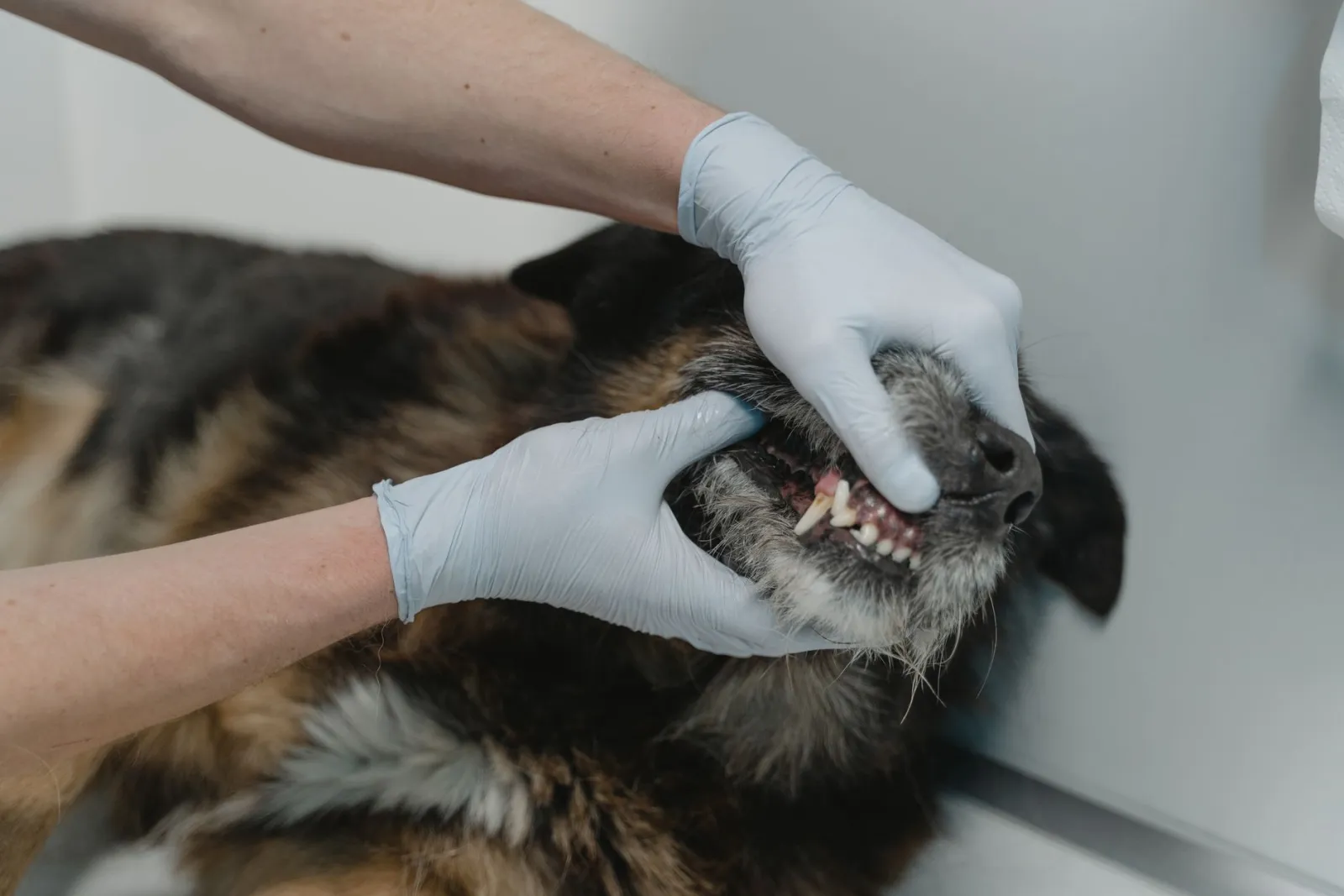
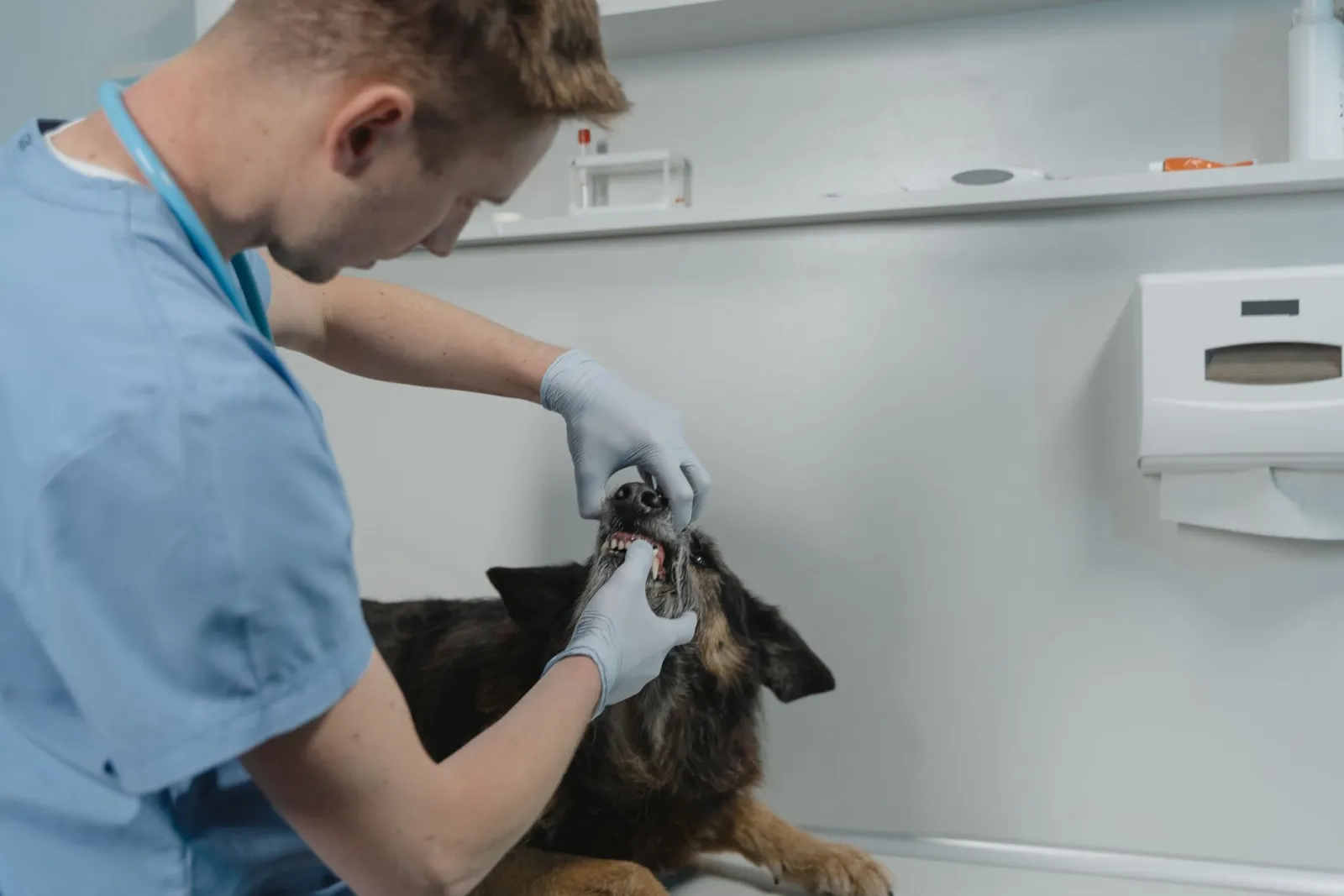
A professional cleaning — vets call it a dental prophylaxis — is a medical procedure carried out under general anaesthesia that removes plaque and hardened tartar from both above and below the gumline, then records the condition of every tooth.
The sequence is fairly standard across clinics. An intravenous catheter is placed, anaesthesia is induced and the airway is protected with a tube so no water or debris reaches the lungs. The vet or technician then scales each tooth with an ultrasonic tip and hand instruments, probes the gum pockets with a thin measuring tool, takes dental X-rays, polishes the enamel to smooth the surface, and flushes the mouth. Every finding goes onto a dental chart — a tooth-by-tooth map that becomes the baseline for future visits.
Here is a concrete illustration of why the final figure so often differs from the initial estimate. An owner books a “dental” for a seven-year-old spaniel with smelly breath and is quoted for a routine scale and polish. The X-rays taken during the procedure reveal a fractured upper molar with infected roots and two loose incisors. The bill reflects a procedure that lasted considerably longer and required far more skill than the one originally priced.
Time matters too. The cleaning itself usually takes somewhere between thirty and sixty minutes; the extraction work, the anaesthetic recovery and the admission and discharge routines stretch that into most of a day. That half-day block — staff, monitoring equipment, oxygen, anaesthetic drugs — is a large part of what you are paying for, not the scraping itself.
What drives the cost of a dog dental cleaning?
Seven factors explain almost all of the variation between one quote and another: anaesthesia protocol, X-rays, extractions, your dog’s size and health, the clinic’s location and type, what is bundled into the fee, and the take-home medication.
Anaesthesia is the single biggest line item. It scales with body weight, with the length of the procedure, and with how closely your dog needs to be monitored. A young, healthy dog having a short procedure needs less drug and less monitoring than a twelve-year-old with a heart murmur, who may need an ECG, intravenous fluids and a dedicated nurse watching vital signs throughout.
Dental X-rays are the second big variable, and the one most often left out of a cheap-looking quote. A tooth can look perfectly clean at the crown while the root is rotting away below the gumline — you cannot see that without imaging. Clinics that include full-mouth radiographs as standard charge more up front and, in my experience reviewing estimates, save owners money by catching problems before they become surgical cases.
Extractions are priced per tooth, and not all teeth cost the same. A single-rooted incisor comes out relatively simply; a large multi-rooted carnassial tooth may need sectioning, careful elevation and suturing. Ten extractions can transform the bill entirely.
Geography and clinic type do the rest. A general practice in a rural area and a referral dentistry service in a large city are running different cost structures — rent, staffing, equipment, specialist qualifications.
How does the type of cleaning change what you pay?
There are four broad levels of dental care for dogs, and they differ far more in what they actually achieve than in what they appear to cost on the day.
At one end sits home care — brushing, dental chews, water additives. The recurring outlay is small, but it only works if it is done consistently, and it prevents rather than treats. At the other end sits advanced periodontal treatment performed by a veterinary dentist: root planing under the gum, gingival surgery, sometimes crown work. That is a referral-level procedure with a referral-level bill.
In between are two options that owners frequently confuse. Non-anaesthetic “cleaning” — the kind offered at some grooming salons and clinics — removes visible tartar from the crown of the tooth with hand tools. It makes the mouth look better and does nothing for the gum pocket, which is where periodontal disease actually destroys tissue. It also cannot detect disease under the gum. Full prophylaxis under anaesthesia is the only option that addresses the whole tooth, including the part you cannot see.
| Approach | What it removes | Anaesthesia | Time commitment | Cost profile |
|---|---|---|---|---|
| Home brushing and chews | Soft plaque, before it hardens | None | A few minutes daily | Lowest, spread over years |
| Non-anaesthetic scaling | Visible tartar on the crown only | None | Under an hour, no recovery | Low per visit, but does not treat disease |
| Full prophylaxis with X-rays | Plaque and tartar above and below the gumline | General | Most of a day | Mid to high, the standard of care |
| Prophylaxis plus extractions | Everything above, plus diseased teeth | General, longer | Most of a day plus a recheck | Highest, priced per tooth |
| Referral periodontal surgery | Disease deep in the gum and bone | General, specialist team | Full day, possible overnight | Specialist tier |
A realistic example: an owner of a nine-year-old toy poodle spends a small amount every year on dental chews and never brushes. By the time the dog is nine, four teeth are loose and the gums are receding — the resulting procedure costs more than eight years of daily brushing would have. That is the pattern worth internalising. Cheap prevention and expensive treatment are not competing options; they are two ends of the same timeline.
How can you tell whether a dental quote is fair?
A fair quote is itemised, written down, and honest about what happens if the vet finds something unexpected once your dog is under.
Ask for the estimate in writing before the appointment and read it line by line. If it says only “dental cleaning” with one figure, ask what is excluded. A quote that looks lower than the clinic across town may simply be a quote for less.
Then ask the questions that predict the final bill. How much does an extraction add, and does that price change by tooth? Are X-rays included or optional? What is the charge if the procedure runs long? Is the post-operative check-up included, or is that a separate visit? Does the clinic call you mid-procedure for authorisation before removing teeth, and what is the spending cap you should set in advance?
One owner I heard from set a cap in advance and asked the clinic to phone if extractions would push past it. The call came: two teeth needed to go, one of them a large molar. She approved, the dog recovered well, and there were no surprises at discharge. That single conversation — cap and call — is the most useful thing you can arrange before the day.
Also check who performs the work. In many practices a trained veterinary technician or nurse does the scaling and polishing while the vet handles the examination and any surgery. That is normal and perfectly safe. What is not normal is a clinic that will not tell you.
When does your dog really need a professional cleaning?
Your dog needs a professional cleaning when there is tartar visible on the teeth, redness along the gum margin, persistent bad breath, or gum pockets deeper than normal — and the only way to know for certain is a veterinary examination, ideally with the dog anaesthetised so the back of the mouth and the gum pockets can be assessed properly.
Periodontal disease is usually graded from 1 to 4. Grade 1 is gingivitis alone — red, swollen gums with no attachment loss. Grade 2 involves early attachment loss; grade 3 means significant loss, and grade 4 means advanced disease with mobile teeth and bone loss. Grades 1 and 2 are where a cleaning plus good home care genuinely reverses or halts the process. Grade 3 and 4 mean extractions are likely.
What can you check at home? Lift the lip and look at the gumline along the upper canine teeth. Yellow-brown crust on the tooth surface is tartar. Press gently on the gum beside a tooth — it should be firm and pink, not puffy and dark. And smell your dog’s breath at close range: consistently foul breath is not normal, whatever the internet says.
Some dogs need attention sooner than others. Toy breeds — poodles, Yorkshire terriers, dachshunds, Chihuahuas — crowd their teeth into a small jaw and tend to develop tartar earlier and faster. Flat-faced breeds often have rotated teeth that trap debris. Dogs that chew only on one side, or that have stopped chewing hard food altogether, are worth a closer look. A large-breed dog with a good home routine might go several years between professional cleanings; a toy breed with crowded teeth may need one annually. Age is not a reason to skip it either — senior dogs benefit as much as young ones, provided pre-anaesthetic screening clears them.
How can you reduce dental costs over your dog’s lifetime?
The cheapest dental care is the care that prevents the procedure in the first place — daily brushing removes soft plaque before it mineralises into tartar, and that single habit changes the whole cost curve.
Brushing works best with a soft pet toothbrush and an enzymatic toothpaste made for dogs. Human toothpaste is not a substitute: it often contains xylitol and fluoride, both of which are toxic to dogs, and the foaming action is unpleasant for them. Start with a finger brush and a dab of paste, let your dog lick it, and build up over two or three weeks. The target is most days of the week; four or five sessions a week still makes a real difference compared with none.
Beyond brushing, look for chews and diets that carry a recognised veterinary oral health claim — products tested against a published standard for plaque or tartar reduction. Not every “dental” chew on the shelf has that backing. Size the chew to your dog’s mouth: too small and it is a choking risk, too hard and it can crack a molar, which turns a prevention strategy into a surgical one.
Timing is the other lever. Ask your vet to chart your dog’s teeth at every annual exam and to tell you the grade. A grade 1 that gets cleaned early is a short, straightforward procedure. The same mouth two years later, with three loose teeth and receded gums, is a long one. Booking the cleaning when your dog is already due for other anaesthetic work — a lump removal, a routine procedure — spreads the anaesthetic risk and often the cost of the anaesthetic itself.
Finally, budget deliberately. Divide a realistic annual dental figure by twelve and set it aside monthly, or open a dedicated savings pot. Owners who do this stop making decisions based on what is in the current account and start making them based on what the dog needs.
Does pet insurance cover dog teeth cleaning?
Sometimes — but the answer depends almost entirely on when you bought the policy and whether the dental work counts as treatment for illness or as routine maintenance.
Most policies draw a line between dental disease, which is an illness and may be covered, and routine dental care, which is preventive and usually is not. Cleanings done purely because tartar has built up typically fall on the excluded side. Extractions performed because of periodontal disease or a fractured tooth often fall on the covered side, subject to the policy’s excess and annual limits.
The critical detail is timing. Dental disease that existed before the policy started, or that appears during the waiting period, is usually excluded as a pre-existing condition — permanently. That is why the worst moment to shop for insurance is the week after your vet says “he needs a dental”.
Read the wording before you buy. Look for the phrase “dental illness” and check whether it is covered, what the waiting period is, whether there is a separate annual dental limit, and whether the policy requires an annual dental check to keep the cover active. If your dog is a toy breed with crowded teeth, that clause matters more than the headline premium.
What else do owners ask about dog dental cleaning costs?
Is anaesthesia-free cleaning cheaper and safer?
It is cheaper on the day, and it carries no anaesthetic risk — but it also treats almost nothing. Hand scaling removes tartar from the visible crown and leaves the disease-causing plaque undisturbed inside the gum pocket. Many vets will not offer it precisely because it creates a false sense of security. If cost is the barrier, ask about payment plans or a staged approach instead of opting for a cosmetic procedure that postpones the real one.
How often should a dog have a professional cleaning?
There is no universal schedule. Small breeds with crowded mouths often need one every twelve months; larger dogs with good home care may go two or three years. The deciding factor is the grade of disease at each annual examination, not the calendar. Ask your vet to record the grade every year so you can see the trend rather than guess at it.
Can I just let the vet do it during a routine appointment?
No. A proper prophylaxis requires general anaesthesia, and that requires a dedicated appointment with fasting beforehand, pre-anaesthetic screening and a recovery period. A “quick clean” during a vaccination visit is not a cleaning — it is a look at the front teeth.
Why do some dogs need extractions and others don’t?
Because the disease process differs. A dog whose tartar has been managed with brushing for years may have healthy gums under a thin film of plaque. A dog that has never had home care often has bone loss around the roots that nothing but removal can fix. X-rays decide this, not the appearance of the crown.
What happens if I skip the cleaning altogether?
The disease keeps progressing silently. The practical consequence is straightforward: the bill does not disappear, it arrives later, larger, and with a dog in more discomfort.
What is the smartest way to budget for your dog’s dental care?
Plan for the procedure you hope never to need. That means three things running in parallel: a daily brushing habit that keeps plaque from hardening, an annual examination that records the grade of disease, and a monthly set-aside that turns a four-figure surprise into a planned expense.
When the day comes, arrive with a written itemised estimate in hand, a spending cap agreed in advance, and a clear instruction that the clinic should call you if extractions change the picture. Ask whether X-rays are included. Ask what the recheck costs. Those three questions separate a prepared owner from an unlucky one.
And keep the long view. A dog brushed four or five times a week for a decade will very likely need fewer procedures, fewer extractions and fewer anaesthetics than a dog whose mouth is inspected once a year at vaccination time. The savings are real, but they are not the point — a dog that can chew comfortably at twelve is.
For the practical side of the routine, our companion guides on brushing a dog’s teeth step by step and on choosing dental chews that actually carry a health claim go deeper into the daily habits. If you are reading a veterinary estimate and not sure what the lines mean, the guide to understanding a vet bill walks through each item.
To choose the right model : Washing machine cleaning: best methods compared
Work out your own case in 30 seconds:
Methodology
This calculator produces an indicative estimate based on the parameters you enter. The ranges used reflect typical market tiers in the cleaning and maintenance space and are neither a commercial offer nor a guarantee. Prices and availability may vary.
Read next :Cat Litter Wood Pellets: A Complete Buying Guide
Read next :Coffee Machine for a Cafe: A Practical Buying Guide for Home and Business
Full guide :Cleaning & Maintenance
More from this guide :
Was this guide helpful?
Share your experience with the WiseHomeGuides community.