In short :
- Water new grass seed lightly but often: about 5 to 10 minutes, two to three times a day, for the first two weeks.
- Your only real goal is keeping the top inch of soil damp, never soggy and never dry.
- Yes, you can overwater — puddles, runoff or sour-smelling soil mean you should cut back.
- If nothing shows after two weeks, don’t panic yet; many grasses take 10 to 21 days.
- Once seedlings appear, water longer and less often, then switch to deep weekly soakings.
New grass seed needs about 5 to 10 minutes of light watering two to three times a day until germination, enough to keep the top inch of soil constantly moist but never soggy. Once seedlings appear, sessions get longer and less frequent, and by roughly week nine you switch to about an inch of water per week in one or two deep soakings.
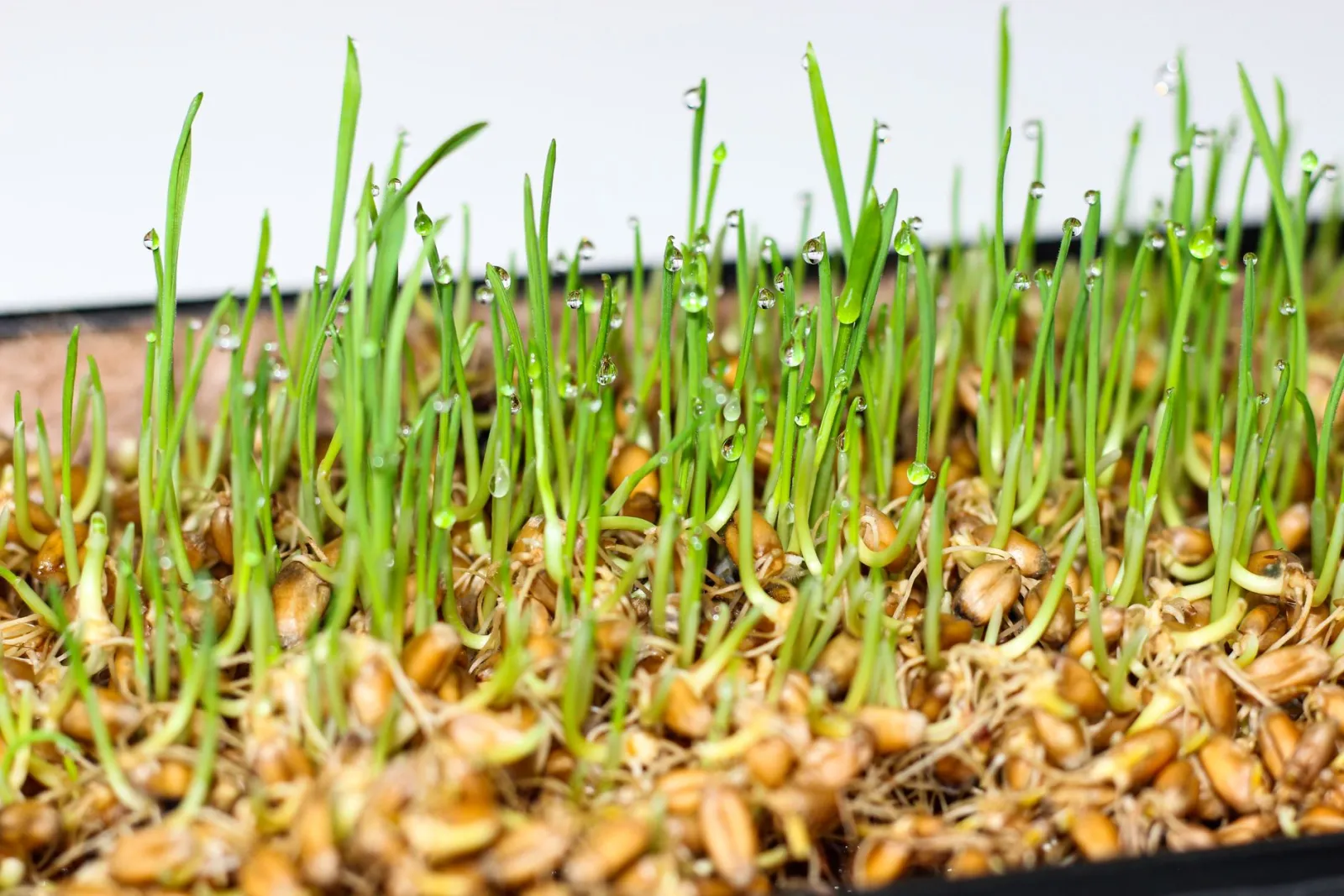
That short answer hides the part most people get wrong: it’s not the amount in litres that matters most in the first fortnight, it’s how shallow and how frequent the waterings are. A seeded lawn is a fragile thing. Seeds sit on or just under the surface, with no root system to reach down for moisture. If that top layer dries out for even half a day, germination stalls. If it stays waterlogged, the seed rots. The whole art is threading a narrow path between those two failures, and the schedule changes as the grass grows.
How much water should I use for new grass seed?
Use light, frequent waterings in the first two weeks — roughly 5 to 10 minutes per session, two to three times a day — then increase depth and reduce frequency as the seedlings establish.
The goal in the germination phase is simple to state and fiddly to execute: keep the top inch of soil consistently damp. Not wet, not dry. A short burst from a hose or sprinkler that wets the surface without creating runoff does the job. Think of it as misting a seed tray rather than soaking a flowerbed.
Timing matters as much as volume. Midday watering in hot weather loses a lot to evaporation before it ever reaches the seed, so early morning and late afternoon sessions are more efficient. On a warm, breezy day you may genuinely need that third pass around midday to stop the surface crusting over.
Here’s a concrete case that trips people up. Someone seeds a bare patch in late spring, waters generously once each morning, and watches nothing come up. The surface looks damp at 8 a.m. and bone dry by 2 p.m. — the seed has been baking for six hours. Splitting the same total amount into three short sessions would have kept it alive.
The table below summarises how the rhythm shifts over the first two months:
| Stage | Frequency | Session length | What you’re aiming for |
|---|---|---|---|
| Weeks 1–2 (germination) | 2–3 times daily | 5–10 minutes | Top inch constantly damp, no puddles |
| Weeks 3–4 (early seedlings) | Twice daily | 10–20 minutes | Protecting fragile new roots |
| Weeks 5–8 (establishment) | Every other day | 20–30 minutes | Deeper soak to pull roots downward |
| Week 9 onward (mature) | 1–2 times weekly | Deep soak, about 1 inch total per week | Deep roots, drought resilience |
Can you over water lawn seed?
Yes — overwatering is just as damaging as underwatering, and it’s the more common mistake because it feels like helpfulness.
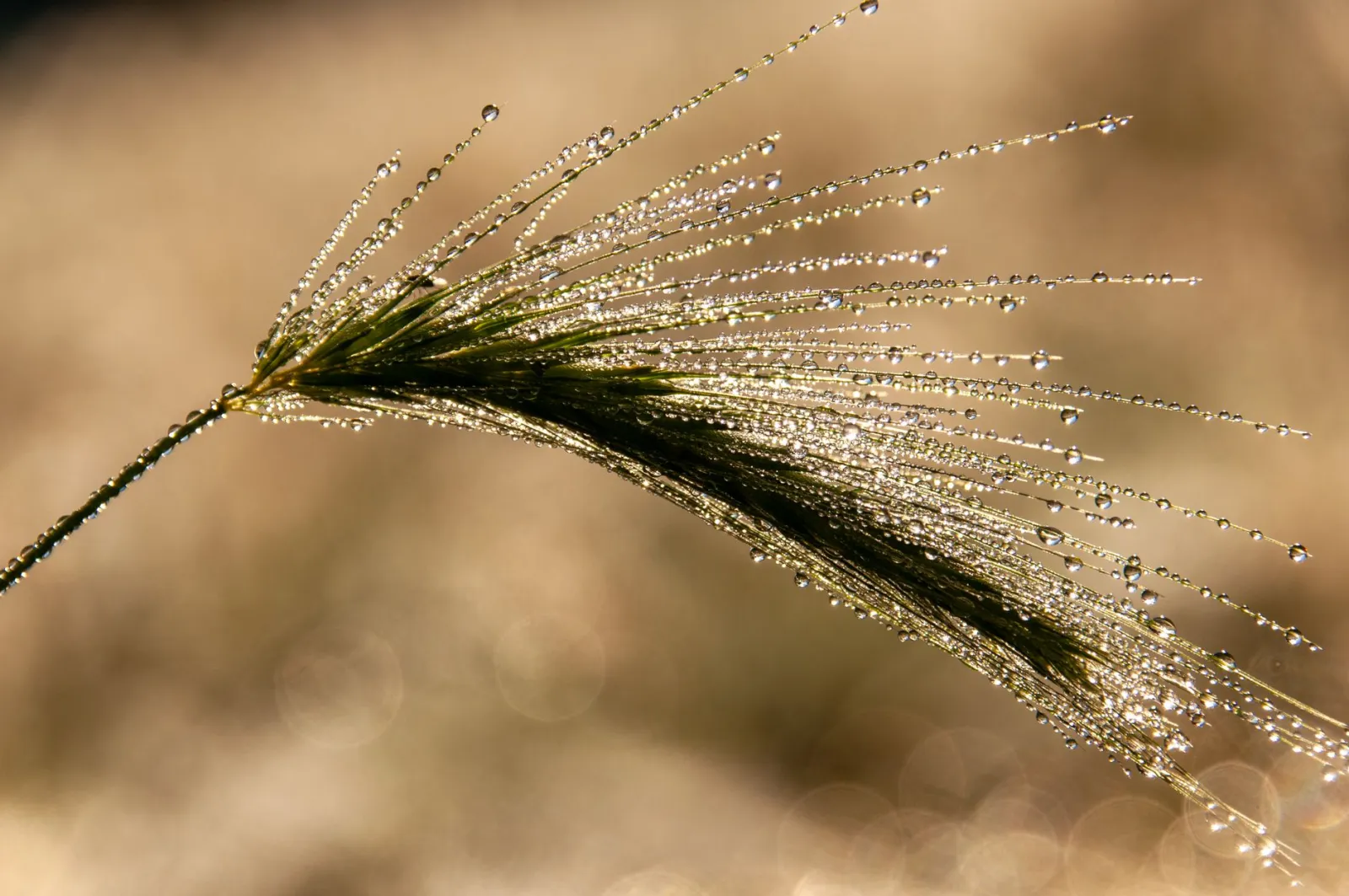
Seeds need moisture and oxygen. Flood the soil and you squeeze the air out of the top layer, which encourages rot and fungal disease before the seed has even sprouted. You’ll spot it as a sour, musty smell, a slimy surface, or seed that clumps together in muddy patches. Water that pools or runs off the surface is water doing harm, not good.
A useful test: press a finger into the soil. Damp and crumbly is right. Squeaky-wet with water rising around your fingertip is too much. If footprints stay compressed in the soil after you walk across it, the ground is saturated.
Slopes and heavy clay soils are the classic overwatering traps. On a slope, a long watering session simply runs off downhill, carrying seed with it, while the top of the slope stays dry. Short, repeated passes that just wet the surface work far better than one long soak. On clay, water sits on top rather than soaking in, so you need less per session and more patience between them.
Why hasn’t my grass seed germinated in 2 weeks?
Two weeks is often simply too early — many common lawn grasses take 10 to 21 days to sprout, and some slower types need three to four weeks — but moisture failure, temperature and seed-to-soil contact are the usual culprits when nothing shows.
Start with the calendar. Cool-season grasses typically germinate in about a week to ten days in favourable conditions; warm-season types can take longer. If you’re at day 14 with no green fuzz at all, you’re at the edge of normal rather than past it — but it’s worth checking the basics.
Moisture is the first suspect. Did the surface dry out at any point, even for a few hours? A single dry spell can kill germinating seed outright. Temperature is the second: seed sown into cold soil sits dormant, and seed sown in scorching heat struggles to stay damp. Third is seed-to-soil contact. Seed scattered on top of hard, compacted ground with no light raking or rolling may never absorb enough moisture to trigger germination.
A practical check: scratch gently at the surface in a corner. If you find swollen, softened seeds, germination is underway and you just need to wait. If the seeds are still hard and dry, your watering isn’t reaching them. If they’re mushy, you’ve overdone it.
Can you just scatter grass seed on a lawn?
You can scatter seed over an existing lawn, but bare scattering alone gives patchy, disappointing results — the seed needs contact with soil and consistent moisture to take.
Broadcasting seed onto a thick, thatchy lawn usually ends with seed sitting on top of dead material, drying out before roots can form. The reliable approach is to rough up the surface first: rake to expose soil, scratch the top layer, then spread the seed and press it in lightly. A thin layer of topsoil or compost over the seed helps hold moisture exactly where it’s needed.
Overseeding an existing lawn works best in early autumn or early spring, when soil is warm but the air is mild and evaporation is slower. Watering follows the same logic as a bare patch: light and frequent at first, then deeper and less often. If you’re patching a small area, a watering can with a fine rose gives you far more control than a sprinkler blasting a whole garden.
Frequently asked questions
How much water should I use for new grass seed?
Enough to keep the top inch of soil damp — typically 5 to 10 minutes of light watering, two to three times a day, for the first two weeks. Don’t aim for a set volume per square metre at this stage; aim for consistent surface moisture without runoff or puddles.
Can you over water lawn seed?
Absolutely. Saturated soil loses oxygen, and seed can rot or develop fungal problems before sprouting. If water pools, runs off, or the soil smells sour, cut back the frequency and shorten each session.
Why hasn’t my grass seed germinated in 2 weeks?
Often it’s just early — many grasses need 10 to 21 days. If conditions have been right and still nothing appears, check whether the surface dried out, whether the soil was too cold or too hot, and whether the seed actually made contact with soil rather than sitting on thatch.
The bottom line
Water new grass seed in short, frequent bursts — 5 to 10 minutes, two to three times a day — keeping the top inch of soil consistently moist until germination. As seedlings appear, lengthen each session and space them out, then shift to deep, infrequent watering once the lawn is established. Watch the soil, not the clock: a finger pressed into the ground tells you more than any schedule.
For the wider picture — soil preparation, timing, overseeding and long-term lawn care — a more complete guide on establishing a lawn from seed is available on the site.
Put it into practice : What should I use to clean indoor plant leaves?
Was this guide helpful?
Share your experience with the WiseHomeGuides community.