In short :
- Forget the calendar and use the finger test instead.
- Push a finger one to two knuckles into the soil and water only when it feels dry at that depth.
- Small pots and terracotta pots dry out faster, so check them more often.
- Always use pots with drainage holes and match each plant to the right light.
- Water thoroughly when the top layer is dry, and you will rarely overwater or underwater again.
Should you water every Sunday? Every three days? Only when the leaves droop? If you have ever watched a perfectly healthy plant turn yellow after an extra splash “just to be safe,” you already know that watering frequency is the single most misunderstood part of indoor plant care. There is no universal schedule — a fern in a bright bathroom and a cactus on a dark shelf have almost nothing in common. What matters is learning to read the soil, the pot, and the plant itself. This guide gives you a simple, repeatable method so you can stop guessing and start watering with confidence.
There Is No Fixed Schedule — Learn the Finger Test Instead
The most reliable rule: water only when the top layer of soil feels dry. Forget the calendar. Temperature, season, pot size, and light all change how fast soil dries, so a rigid weekly routine will eventually fail — too much water in winter, too little in summer.
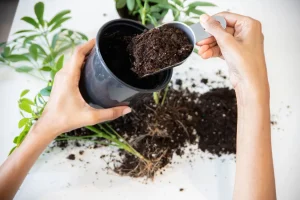
The practical method is the finger test. Push a finger one to two knuckles deep into the soil. If it feels moist, wait. If it feels dry at that depth, it is time to water. Here is a concrete case: a plant sitting near a radiator in January may need water every ten days, while the same plant by a sunny window in July might dry out in four. The finger test catches that difference instantly; a calendar does not.
- Small pots dry faster than large ones — check them more often.
- Terracotta pots wick moisture through the walls and dry out quicker than glazed or plastic ones.
- Succulents and cacti prefer the soil to dry almost completely between waterings.
- Ferns and tropical plants like the top layer slightly moist, but never soggy.
When you do water, water thoroughly until a little drains out of the bottom, then empty the saucer. A small daily splash only wets the surface and leaves the roots below thirsty — a common cause of weak, wilting plants.
Match Watering to Light and Drainage
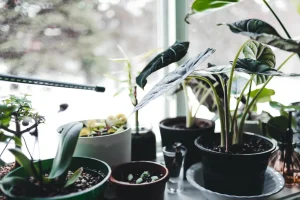
Watering and light are a package deal. A plant in bright, indirect light uses water faster than one in a dim corner, because photosynthesis drives water uptake. Put a thirsty tropical plant in a dark spot and the soil stays wet for weeks — the perfect recipe for root rot. The fix is simple: place light-loving plants near a bright window (indirect for most foliage plants, direct for cacti and succulents), and water accordingly.
Drainage is just as important. A pot without holes traps water at the bottom, and roots sitting in stagnant water suffocate and rot. Always choose pots with drainage holes, or use a decorative outer pot as a cachepot and remove the inner pot to water. Picture this: a plant that keeps yellowing despite careful watering is often sitting in a pot with no drainage, drowning quietly. Repotting into a container with holes frequently solves the problem.
One more detail worth knowing: water quality and temperature matter more than most people think. Room-temperature water is gentler on roots than cold tap water, and letting water sit briefly can reduce chlorine. It is a small habit with a real effect on plant health.
How to Read the Warning Signs
Plants tell you what they need — you just have to know what to look for. Yellowing lower leaves and mushy stems usually mean too much water. Crisp, brown edges and drooping leaves often signal too little. Curling leaves can point to either extreme, so check the soil to confirm before acting.
Here is a useful comparison to guide your diagnosis:
| Sign | Likely Cause | What to Do |
|---|---|---|
| Yellow, soft lower leaves | Overwatering | Let soil dry out; check drainage |
| Crisp brown tips and edges | Underwatering or low humidity | Water more evenly; raise humidity |
| Wilting despite wet soil | Root rot | Repot, trim damaged roots, improve drainage |
| Slow growth, pale leaves | Too little light | Move closer to a bright window |
A real-world example: a plant with brown, crispy leaf tips placed near a heater is usually suffering from dry air, not thirst. Misting or grouping plants together can help, and moving it away from the heat source often stops the browning within a few weeks.
Frequently Asked Questions
Should I cut the brown tips off my plant?
Yes, you can trim brown tips to keep the plant looking tidy, but cut only the dead tissue and follow the natural shape of the leaf with clean scissors. Trimming does not fix the cause, though — brown tips usually mean dry air, inconsistent watering, or a buildup of minerals in the soil. Address the underlying issue so new growth stays healthy.
How often do you water indoor plants?
There is no single answer. Water when the top one to two knuckles of soil feel dry. In practice, most indoor plants need watering roughly every one to two weeks, but that varies with season, light, pot size, and plant type. Always check the soil rather than following a fixed schedule.
How long should you leave indoor plants outside?
A few hours to a couple of days is plenty for most plants, and only in suitable weather — mild temperatures, no harsh midday sun, and no strong wind. Tropical plants can scorch quickly in direct sun, so introduce them gradually. Bring them back inside before cold nights or heavy rain.
How do I keep my indoor plants healthy?
Focus on the basics: the right light, watering only when the topsoil is dry, pots with drainage holes, and occasional feeding during the growing season. Wipe dusty leaves so they can breathe, remove dead foliage, and check for pests now and then. Consistency beats intensity — small, regular care keeps plants thriving.
The Bottom Line
So, how often should you water indoor plants? As often as the soil tells you to — no more, no less. Skip the calendar, use the finger test, and water thoroughly only when the top layer is dry. Match each plant to the right light, always provide drainage, and learn to read the early warning signs. Do those things and you will rarely overwater or underwater again.
For a broader look at light, feeding, repotting, and seasonal care, a more complete guide to indoor plant care is available on the site — this article is your focused starting point for getting watering right.
Put it into practice : What should I use to clean indoor plant leaves?
Was this guide helpful?
Share your experience with the WiseHomeGuides community.