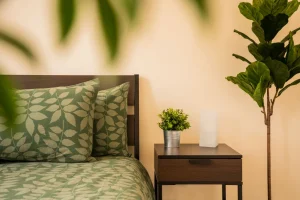

Short answer : Indoor plants in the UK thrive when you match each plant to the light and humidity your home actually offers, rather than to how it looks in a shop. Most houseplants sold here cope with typical centrally heated rooms, but they differ in how much light they need and how often they want watering, so choosing species suited to a bright windowsill, a shaded corner or a draughty hallway prevents most common problems. Care comes down to a few steady habits: water only when the top of the compost feels dry, keep pots draining freely, and protect plants from cold draughts and radiators. Getting these basics right matters more than any special product.
In short
- Match each plant to the light in its spot: bright windowsills, shaded corners and draughty hallways suit different species.
- Water when the top of the compost feels dry, not on a fixed schedule, and always let excess water drain away.
- Central heating dries the air, so group plants together or place humidity lovers away from radiators.
- Check leaves and compost regularly for pests and remove affected foliage early before problems spread.
- Choose UK-suitable houseplants that tolerate normal room temperatures rather than demanding specialist conditions.
Why Indoor Plants Suit UK Homes

UK homes present a particular set of conditions that many houseplants handle well, and understanding those conditions is the first step to choosing plants that will actually thrive rather than merely survive. The typical British home is neither tropical nor desert: it sits somewhere in between, with moderate temperatures, limited but consistent natural light, and indoor air that tends to be drier than a greenhouse but far from arid. Rooms facing north or shaded by neighbouring buildings receive soft, indirect light for much of the day, which suits a large group of foliage plants that scorch in direct sun but sulk in deep shade. South-facing rooms, by contrast, can deliver strong light through windows even in winter, giving sun-loving plants enough energy to keep growing.
Central heating shapes the indoor environment more than many people realise. Radiators and heated rooms keep temperatures steady through the colder months, which prevents the sharp drops that damage tender plants, but they also dry the air considerably. Plants that tolerate average indoor humidity, or that store water in fleshy leaves and stems, cope with this far better than delicate ferns and other moisture-loving species. Placement matters here: a spot away from radiators and draughts, but still within reach of window light, is usually the most reliable position for a houseplant through winter.
The UK climate also affects how plants are watered and how often. Because indoor air is often cool and light levels are lower for much of the year, compost dries out more slowly than in warmer, sunnier climates. Overwatering is a common pitfall, and plants that prefer to dry out between waterings tend to be more forgiving in British homes than those demanding consistently damp soil. A simple check of the top few centimetres of compost before watering avoids most problems, and it is worth adjusting the frequency with the seasons rather than following a fixed schedule.
Practical constraints in UK homes point towards certain plant types. Flats with small windows, rented accommodation where permanent fixtures are impractical, and rooms used heavily by families all favour plants that are compact, tolerant of irregular care, and easy to move. Trailing plants suit shelves and high ledges where floor space is limited, upright foliage plants work well in corners that receive indirect light, and smaller specimens fit windowsills without blocking daylight. Thinking about where a plant will actually sit, and how much light and attention that spot receives, is more useful than choosing purely on appearance.
Finally, the British indoor environment rewards plants that adapt to seasonal change. Light levels swing noticeably between summer and winter, and heating patterns shift with them. Species that slow their growth in low light and resume when days lengthen are far easier to manage than those that demand constant conditions year-round. Choosing plants that match the light, warmth, and humidity your home naturally provides reduces the need for intervention and makes caring for indoor plants a realistic, ongoing pleasure rather than a struggle against the environment.
Light Levels in British Homes: North, South, East and West
Light in a British home is rarely uniform. The direction a window faces is the single most useful guide to what will grow there, because it determines both the intensity and the duration of daylight a plant receives. A north-facing window gives the weakest, most indirect light and stays fairly consistent through the day; a south-facing window delivers the strongest light and the longest hours of it; east and west sit in between, with east offering gentler morning light and west giving stronger, warmer afternoon sun. Understanding these differences lets you match a plant to a spot rather than forcing a plant to cope with the wrong one.
North-facing rooms suit plants that evolved under a forest canopy, where light is soft and diffuse. Ferns, snake plants and other low-light tolerant foliage cope well here, growing slowly but steadily. The trade-off is that soil dries very slowly in these conditions, so watering needs to be restrained and the compost allowed to dry noticeably between drinks. In winter, a north-facing windowsill can become genuinely dim, and growth may pause almost entirely; that is normal rather than a sign of failure.
South-facing windows are the brightest position in most homes and can support flowering plants and sun-loving foliage that would struggle elsewhere. The catch is intensity at midday in summer, when direct sun through glass can scorch leaves that are not adapted to it. A sheer curtain or a position slightly back from the glass softens this while keeping light levels high. South-facing rooms also warm up more, so plants there dry out faster and may need more frequent watering than the same plant in a cooler room.
East-facing windows catch the gentler morning sun and are often described as a safe middle ground. Many common houseplants are comfortable here, receiving a few hours of softer direct light followed by bright indirect light for the rest of the day. West-facing windows receive stronger afternoon sun, which suits plants that enjoy warmth and brightness but can be harsh in a hot summer. Both orientations are forgiving choices for someone unsure where to place a new plant.
Beyond direction, distance from the window matters as much as the window itself. Light falls off quickly as you move into a room, so a spot a couple of metres back from a bright window can be closer to shade than to full light. Reflective walls, shelving height and whether a window is obscured by buildings or trees all shift the reality. A practical approach is to observe how a spot feels at different times of day and to watch the plant’s response over a few weeks, adjusting position before assuming a watering problem.
Understanding UK Central Heating and Humidity
UK homes present a particular challenge for houseplants because central heating creates conditions that are the opposite of what most tropical species experience in nature. During the heating season, typically from October through April, indoor air becomes noticeably drier as warm radiators and underfloor systems raise the temperature while lowering relative humidity. A room that feels comfortable to you at around twenty degrees Celsius may hold far less moisture in the air than the balmy, humid forest understorey where many popular houseplants originate. Understanding this gap is the first step to keeping foliage healthy rather than crispy.
The practical consequences show up in predictable ways. Leaf tips brown and curl on ferns, calatheas, and other thin-leaved species. Buds drop before opening on flowering plants. New growth emerges smaller and paler than older leaves. Soil in terracotta pots dries from the top down within days rather than weeks. These are not signs of neglect so much as signs that the air around the plant is too dry and the root zone is cycling too fast. Recognising the pattern helps you respond to the cause rather than repeatedly watering, which can lead to waterlogged compost and root problems.
Placement relative to heat sources matters enormously. A plant sitting directly above or beside a radiator experiences a stream of hot, dry air that strips moisture from leaves faster than the plant can replace it. Moving it even a metre or two away, or onto a shelf where air circulates more gently, often solves the problem without any other intervention. Similarly, plants placed close to south-facing windows in heated rooms face a double stress of strong light and dry warmth. Grouping plants together creates a small microclimate where transpiration from neighbouring leaves raises local humidity, which benefits the whole collection.
For humidity itself, the most reliable approaches are simple and low-cost. Grouping plants in clusters, using a pebble tray beneath pots so water evaporates around the foliage without soaking the compost, and keeping plants out of direct draughts from radiators all help. Rooms with naturally higher humidity, such as bathrooms with windows and kitchens, suit moisture-loving species far better than a heated living room. A humidifier can help in a dedicated plant room, but it is rarely necessary if you choose species that tolerate drier air.
The most effective strategy is matching plants to the conditions your home actually provides. Succulents, cacti, and many upright foliage plants cope well with dry, warm air. Ferns, calatheas, and other forest-floor species need more consistent moisture and are better suited to naturally humid rooms or to positions away from radiators. Choosing with the heating season in mind means less remedial work and healthier plants year-round.
Choosing Indoor Plants for Beginners
Choosing indoor plants for the first time is less about finding the most striking specimen and more about matching a plant to the conditions your home actually offers. The most common reason a beginner’s houseplant fails is a mismatch between the plant’s native environment and the light, warmth and humidity of the room it ends up in. Before looking at individual plants, it helps to assess where the plant will live: how much natural light reaches the spot during the day, whether it sits near a radiator or draughty window, and how often you are realistically willing to water. A plant that suits your routine will thrive far more reliably than one that demands constant attention.
Light is the single most useful criterion to start with. A bright windowsill facing south or west gives strong, direct sun for much of the day, which suits succulents and other sun-loving plants but can scorch the leaves of forest-floor species. An east-facing sill offers gentler morning light that many foliage plants tolerate well. North-facing rooms and corners set back from windows provide low, indirect light, where shade-tolerant plants are the safer choice. If you cannot tell how bright a spot is, observe it at midday: if you can comfortably read a book there without switching on a lamp, most foliage houseplants will cope.
Watering habits matter as much as light. Beginners often overwater, and in the UK’s relatively cool, low-light winters, soil dries out slowly. Plants that store water in thick leaves or stems forgive occasional neglect and dislike sitting in wet compost, making them a forgiving starting point. Plants with thin, soft leaves generally need more consistent moisture and are less tolerant of both drought and waterlogging. A simple rule is to check the top of the compost before watering and to let it dry to the touch for most plants, more so in winter than in summer.
Think about the room’s use and your household. A busy kitchen or bathroom tends to be warmer and more humid, which suits plants that prefer moisture in the air. A cool bedroom or hallway suits plants that tolerate lower temperatures. If you have pets or small children, check whether a plant is safe to have within reach before bringing it home, and place anything questionable out of the way. Finally, consider the plant’s eventual size and growth habit: a fast-growing climber will soon need support, while a slow-growing rosette stays compact for years. Starting with a small number of robust, well-matched plants lets you learn how your home’s conditions behave through the seasons before expanding your collection.
Indoor Plants That Tolerate Low Light
Low light in a UK home rarely means darkness. It usually means a north-facing window, a spot a few metres back from a bright window, a hallway, or a room where the only daylight arrives filtered through net curtains or bounced off neighbouring buildings. These conditions still offer usable light, just at lower intensity and often for fewer hours, especially through the short winter days. The plants that cope best are those that evolved beneath a forest canopy, where they received dappled, indirect light rather than direct sun. The practical test is simple: if you can comfortably read a book without switching on a lamp during the day, most shade-tolerant houseplants will manage; if you need a light on at midday, choose only the toughest candidates and expect slow growth.
Among the most reliable choices are the classic foliage plants grown for their leaves rather than flowers. The cast iron plant (Aspidistra elatior) is famously forgiving of neglect and poor light, though it grows slowly and rewards patience. Snake plants (Sansevieria) and ZZ plants (Zamioculcas zamiifolia) store water in thick leaves and rhizomes, which lets them endure dim corners and irregular watering; they are well suited to hallways and offices where light is limited and attention sporadic. Peace lilies (Spathiphyllum) tolerate lower light and will often signal thirst by drooping, making them useful for people who like visible feedback. Philodendrons and pothos, with their trailing stems, adapt to shaded shelves and can be pinched back to stay compact.
A useful distinction is between plants that merely survive low light and those that actively grow in it. Survivors such as the cast iron plant may hold their foliage for months without producing much new growth, which is acceptable in a decorative corner but disappointing if you expect expansion. Others, including many ferns and calatheas, prefer brighter indirect light and will decline in genuinely dark spots, developing pale or leggy growth as they stretch toward whatever light exists. Legginess, small new leaves, and a gap between leaf nodes are the clearest signs that a plant is receiving too little light rather than too much water or the wrong temperature.
Placement matters as much as species choice. A plant placed directly against a north-facing window receives more usable light than the same plant several metres into the room, because light intensity falls off quickly with distance from the glass. Rotating pots a quarter turn each week keeps growth even, and wiping dust from leaves helps them capture the limited light available. In winter, moving shade-tolerant plants closer to the window is often enough to keep them ticking over until spring, when longer days and stronger light resume. Avoid the temptation to compensate for low light with extra watering or feeding, since slow growth means the plant uses less water and nutrients, and excess of either does more harm than the dim conditions themselves.
Pet-Safe Indoor Plants for Homes with Cats and Dogs
Cats and dogs explore the world with their mouths, and houseplants sit right at nose and paw level. If you share your home with pets, the practical approach is to treat plant selection as a safety filter applied before anything else, rather than an afterthought once a plant is already on the shelf. The starting point is knowing which plants are widely recognised as safe around cats and dogs, and which are best avoided entirely in a pet household.
Among genuinely pet-safe options, several are also forgiving houseplants, which matters because a plant that struggles and drops leaves creates more opportunities for chewing. Spider plants are a classic example: they tolerate a range of light levels, produce trailing plantlets that can be potted on, and are well known as safe around cats and dogs. Calatheas and their close relatives offer patterned foliage for shaded spots and are likewise considered non-toxic to pets, though they prefer consistent moisture and indirect light. Ferns such as the Boston fern suit bathrooms and other humid corners, and certain palms work well as larger floor plants in bright rooms. Always confirm the safety status of a specific plant at the point of purchase, since common names overlap and a “safe” label on one plant does not transfer to a lookalike.
Placement does as much work as plant choice. Even a safe plant can be knocked over, chewed to shreds, or used as a litter tray, so tall shelving, hanging planters, and wall-mounted pots keep foliage out of reach of determined dogs and curious cats. In households with climbers, a trailing plant in a high hanger is often more practical than the same plant on a low table. For floor plants, a sturdy, heavy pot reduces tipping, and a layer of large decorative stones on the soil surface discourages digging.
Some pets are more persistent than others, and a plant that is ignored by a settled older dog may be irresistible to a young cat. Where chewing is a habit, it helps to offer alternatives: a pot of cat grass or a tough, safe plant in a spot the pet is allowed to investigate can redirect attention away from more delicate specimens. Observing where your pet naturally gravitates — a sunny windowsill, a hallway corner — lets you put the robust, safe plants there and reserve fragile or less-tolerant plants for rooms the pet does not use.
Finally, remember that “pet-safe” refers to the plant itself, not everything that comes with it. Soil, fertiliser, and any treatments applied to the plant deserve the same scrutiny as the leaves, and pets should not be able to reach potting mix or newly fed pots. If you are unsure whether a plant or a pet’s reaction to one is a concern, speak to your vet rather than relying on general guidance.
Plants to Avoid If You Have Pets
If you share your home with a cat, dog, or a free-roaming rabbit, plant selection needs a different filter than aesthetics alone. The plants that cause the most trouble are rarely the exotic, hard-to-find species; they are common, affordable houseplants sold in supermarkets and garden centres precisely because they are easy to grow. The practical approach is to know which plant families carry the greatest risk, then decide whether to exclude them entirely or place them strictly out of reach. This is general guidance for choosing plants, not veterinary advice, so check with your vet if you are concerned about a specific exposure.
The aroid family is the one to learn first. Members include peace lilies, philodendrons, monsteras, pothos (devil’s ivy), arrowhead plants and ZZ plants. Their tissues contain insoluble calcium oxalate crystals, and the reaction in a pet that chews a leaf or stem tends to be immediate and unpleasant: drooling, pawing at the mouth, and visible oral discomfort. The severity usually tracks with how much was chewed, so a single nibbled leaf on a large monstera is a different situation from a puppy shredding a trailing pothos. Because these plants are trailing or vining, they are often placed at exactly the height a cat can reach from a sofa arm or windowsill, which makes them a poor choice for climbers.
Several other common houseplants deserve caution for different reasons. Lilies are best kept out of any household with cats, and even the pollen can be a concern if it brushes against fur that is later groomed. Sago palms and cycads are risky for dogs that chew, and their stiff, low fronds sit right at mouth level. Dieffenbachia and dumb cane share the aroid mechanism and are frequently sold as large floor plants. Aloe vera, jade plants, rubber plants, snake plants and English ivy all appear on common caution lists, though reactions vary by species and by animal.
Placement solves more problems than plant choice alone. A hanging planter fixed to a ceiling joist, a high shelf above a doorway, or a closed cabinet with grow lights keeps soil, leaves and fallen debris away from curious mouths. Be aware that cats can reach most surfaces given a chair or counter as a stepping stone, so height alone is not a guarantee. Dropped leaves and spent flowers matter too; a fallen peace lily leaf on the floor is as accessible as one on the plant.
If you want the look of large foliage without the worry, choose from safer structural options such as calatheas, spider plants, Boston ferns, parlour palms and prayer plants, and reserve the riskier species for rooms your pets do not use. Keep the original plant label or a photo of it, so you can identify the plant quickly if a pet does chew something.
Watering Indoor Plants in a UK Climate
Watering is where most houseplants are lost, and the UK climate makes the timing less obvious than it looks. British homes rarely experience the long, hot, dry summers of warmer countries, so indoor compost often stays damp for longer than new owners expect. The single most useful habit is to check the compost before watering rather than following a fixed weekly schedule. Push a finger into the top few centimetres of the mix; if it feels moist and clings to your skin, wait. If it feels dry and loose, it is usually time to water. For larger pots, a bamboo cane or wooden skewer pushed deep into the compost and left for a few minutes will show whether moisture is present lower down, which matters because the surface can dry while the root zone stays wet.
Seasonality drives the rhythm far more than the calendar month. From roughly late spring through summer, when light levels are high and windows are open, plants are actively growing and use water quickly, so you may be watering some plants every few days. From autumn through winter, shorter days and lower light slow growth dramatically, and many plants need only occasional watering, sometimes just enough to stop the compost drying out completely. Central heating complicates this: warm, dry indoor air increases evaporation from leaves and the compost surface, so a plant near a radiator may dry faster in January than one in a cool, shaded corner. Group plants by their water needs rather than treating the whole collection identically.
Water quality and method matter in a UK context. Much of the country has hard tap water, which can leave white mineral deposits on leaves and the compost surface, and some plants are sensitive to the minerals and to the chlorine and fluoride present in mains supply. Leaving water to stand overnight helps with chlorine, and filtered or rainwater is a sensible choice for sensitive plants. Water the compost, not the foliage, and let excess drain away freely rather than leaving the pot sitting in a saucer of water, which suffocates roots and encourages rot. A pot with a drainage hole is essential; decorative outer pots should be emptied after watering.
Different plant types call for different approaches. Succulents and plants with thick, fleshy leaves or stems store water and prefer to dry out substantially between waterings, and they are far more likely to suffer from overwatering than underwatering. Ferns and other plants from humid, shaded environments prefer consistently moist compost and resent drying out completely. Plants in small pots dry faster than those in large pots, and a plant in a bright, warm spot dries faster than one in a cooler, dimmer corner. When in doubt, it is safer to underwater than to overwater, because most plants recover from a missed watering but few recover from prolonged waterlogging.
Potting, Compost and Drainage Basics
Getting the potting medium right matters more than most beginners expect, because the majority of houseplant problems in UK homes trace back to roots that are either suffocating or sitting wet for too long. The goal is a structure that holds enough moisture for the plant to drink without staying saturated, and enough air pockets for roots to breathe. A useful rule of thumb is that the mix should feel crumbly and light in the hand, not dense or claggy, and water should pass through it rather than pool on the surface.
General-purpose compost sold for containers is a reasonable starting point for many easygoing foliage plants, but it tends to be rich and water-retentive. For plants that resent wet roots — succulents, cacti, snake plants, most palms and many aroids — you want to open it up. Blending in a gritty, airy component such as perlite, coarse bark, or horticultural grit in a generous proportion transforms a heavy mix into something free-draining. As a qualitative guide, a free-draining blend for succulents and cacti should be dominated by the gritty, inorganic portion, while a balanced mix for ferns and calatheas leans toward moisture retention with just enough grit to keep it open.
Drainage is as much about the pot as the compost. Every container needs at least one drainage hole, and water must be able to escape freely. A decorative outer pot without holes is fine only if you empty it shortly after watering rather than letting the plant stand in the run-off. When repotting, size up modestly — a pot one size larger is usually enough. Dropping a plant into a much bigger container leaves a large volume of wet compost around roots that cannot use it, which is a common cause of rot.
Timing and technique matter too. Repot in spring or early summer when the plant is actively growing and can recover, rather than in the dormant winter months. Loosen the root ball gently, tease out circling roots, and set the plant so the base of the stem sits at the same level it did before — burying it deeper can cause the stem to rot. Firm the compost lightly to remove large air pockets but do not compress it hard, then water to settle the mix.
Finally, match the mix to how you water and to the plant’s needs. If you tend to water generously and often, choose a more open, gritty blend; if you are an infrequent waterer, a slightly more retentive mix suits plants that like even moisture. Refresh or top-dress compost periodically, since container mixes break down over time and lose their airy structure, becoming compacted and less free-draining.
Seasonal Care: Winter and Summer Routines for UK Houseplants
Winter in the UK is less about cold and more about darkness and short days. Light is the limiting factor for most houseplants between late autumn and early spring, so the single most useful adjustment is to move plants closer to the brightest window you have, and to pull curtains back during daylight hours. Growth slows markedly, which means watering should slow too: let the top few centimetres of compost dry out before watering again, and expect some plants to need water only every couple of weeks rather than weekly. Cold draughts from single-glazed windows and doors are a real risk, so avoid leaving tender plants directly against glass on frosty nights. Central heating dries the air, and while most foliage plants tolerate this, ferns and other moisture-loving types benefit from grouping plants together or standing pots on a tray of damp pebbles to raise local humidity.
Summer brings the opposite challenge: strong light through south- and west-facing windows can scorch leaves, particularly on plants that naturally grow under canopy. A sheer curtain or moving plants a metre back from the glass usually solves this without losing too much light. Longer days and warmer temperatures mean faster growth and faster drying compost, so watering frequency increases and feeding becomes worthwhile for actively growing plants. Water early in the morning where possible so foliage has dried by evening, which reduces the risk of fungal problems. If you ventilate rooms on hot days, keep an eye on plants near open windows, as sudden draughts and direct sun together can stress them.
The transition periods matter as much as the seasons themselves. In autumn, reduce watering and stop feeding as growth slows, and bring any plants that spent summer outdoors back inside before night temperatures drop noticeably. In spring, as light returns, resume feeding and watch for a growth spurt that signals it is time to repot or take cuttings. A simple routine of checking compost moisture weekly with a finger, rotating pots a quarter turn each week for even growth, and wiping dust from leaves so light reaches them properly will carry most houseplants through both extremes. The key principle is to let the plant’s own growth rate set the pace for water and feed, rather than following a fixed calendar.
Frequently asked questions
Which indoor plants are easiest to keep alive in a UK flat?
Spider plants, pothos, snake plants, ZZ plants and heartleaf philodendron cope well with the typical UK flat: central heating, variable light and occasional neglect. They tolerate missed waterings and don’t demand high humidity. Snake plants and ZZ plants prefer to dry out between waterings, which suits busy households. Spider plants and pothos grow quickly and forgive imperfect conditions. Avoid fussy plants like calatheas until you have reliable light and humidity.
How often should I water indoor plants in the UK?
There is no fixed schedule; check the compost instead. Push a finger into the top few centimetres and water only when it feels dry. Growth slows in winter, so most plants need less frequent watering then, while active summer growth needs more. Pots with drainage holes and a free-draining mix reduce the risk of overwatering, which is a common cause of houseplant decline in UK homes. Always empty excess water from saucers.
Are indoor plants safe for cats and dogs?
Some common houseplants are toxic to pets if chewed, including lilies, dieffenbachia, peace lilies and some philodendrons. Keep toxic plants out of reach or choose pet-safe alternatives, and contact your vet if you suspect your pet has eaten a plant. Check each species before bringing it home.
Which houseplants do well in low-light rooms?
Snake plants, ZZ plants, pothos, spider plants and many ferns tolerate lower light than most. North-facing rooms and corners away from windows suit these better than sun-loving plants like succulents or cacti. Even low-light plants need some natural light, so place them near a window where possible and rotate them for even growth. Avoid dark hallways with no daylight, where most plants will struggle over time.
Why are the leaves on my indoor plant turning yellow?
Yellowing leaves usually point to watering problems: soggy compost from overwatering, or prolonged drought. Check drainage, let the top layer dry before watering again, and remove water from saucers. Other causes include sudden cold draughts, too little light, or natural ageing of older leaves. Inspect the undersides for pests such as spider mites. Adjust one factor at a time and watch new growth before changing anything else.
Do indoor plants need misting in heated UK homes?
Misting gives only brief humidity and can encourage leaf problems if water sits on foliage. Most common houseplants cope with normal indoor humidity, though ferns and calatheas appreciate more moisture. Grouping plants together, using a pebble tray, or placing them away from radiators helps more reliably than spraying. Increase humidity in dry winter months and ensure good airflow so leaves dry between waterings.
What compost should I use for indoor plants?
Use a free-draining houseplant compost rather than heavy garden soil. A mix with added perlite or grit suits most plants and helps prevent waterlogging. Succulents and cacti need a grittier, faster-draining mix, while ferns prefer something that holds moisture. Repot when roots fill the pot, usually in spring, and choose a container with drainage holes. Avoid reusing old compost that may harbour pests.
How do I stop fungus gnats appearing in houseplant soil?
Fungus gnats thrive in consistently damp compost, so let the top layer dry between waterings and avoid overwatering. Use pots with drainage, empty saucers, and keep the surface clear of fallen leaves. Yellow sticky traps catch adults, and a layer of grit or sand on the surface can deter egg-laying. Check new plants before bringing them home, and isolate any infested pot until the problem settles.
Read next :Fridge Magnets: Practical Guide for a Home Full of Pets · Best Lawn Mowers 2026: A Complete Buying Guide · Best Compost Bins for a Cleaner Home and Garden · Fish Tanks and Stands: A Complete Guide to Choosing and Setting Up · Compost Near Me: A Practical Home and Pet Owner’s Guide
Put it into practice : How do I grow balcony pot plants?
Work out your own case in 30 seconds:
Methodology
This calculator produces an indicative estimate based on the parameters you enter. The ranges used reflect typical market tiers in the gardening space and are neither a commercial offer nor a guarantee. Prices and availability may vary.
Read next :Cathay pacific: what do you need to know?
Read next :Rain Barrel Stand: How to Choose the Right One
Full guide :Garden & Balcony
More from this guide :
Was this guide helpful?
Share your experience with the WiseHomeGuides community.