This article contains Amazon affiliate links. As an Amazon Associate we earn from qualifying purchases.
In short :
- A fountain is worth it if your cat drinks too little or is drawn to running water.
- Watch your cat for a few days first to see if it paws at the bowl or chases taps.
- Pick a quiet model that’s easy to clean, since upkeep is what actually makes the difference.
- Skip it if your cat already drinks well from a bowl or you won’t keep up with filters.
- Moving water plus consistent cleaning is what helps, not the gadget itself.
Cats are famously low-maintenance drinkers. They lap a little, walk away, and seem perfectly fine. Meanwhile, you refill the same bowl every morning and watch the level barely drop. So when someone suggests spending money on a fountain that keeps water moving and filtered, the honest first question is: does this actually change anything for the cat, or is it just a gadget for the human?
The short answer is that moving water solves a real, well-documented problem. Cats evolved from desert-dwelling ancestors with a naturally low thirst drive, and many of them simply don’t drink enough still water. A fountain doesn’t cure anything, but it can nudge daily intake upward by making water more appealing. Whether it’s worth it for your cat comes down to a handful of concrete factors you can check before buying. Here’s how to judge each one.
Step 1 — Match the fountain to your cat’s drinking style
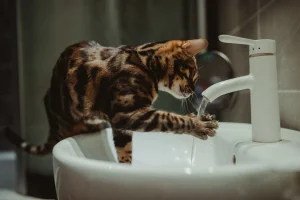
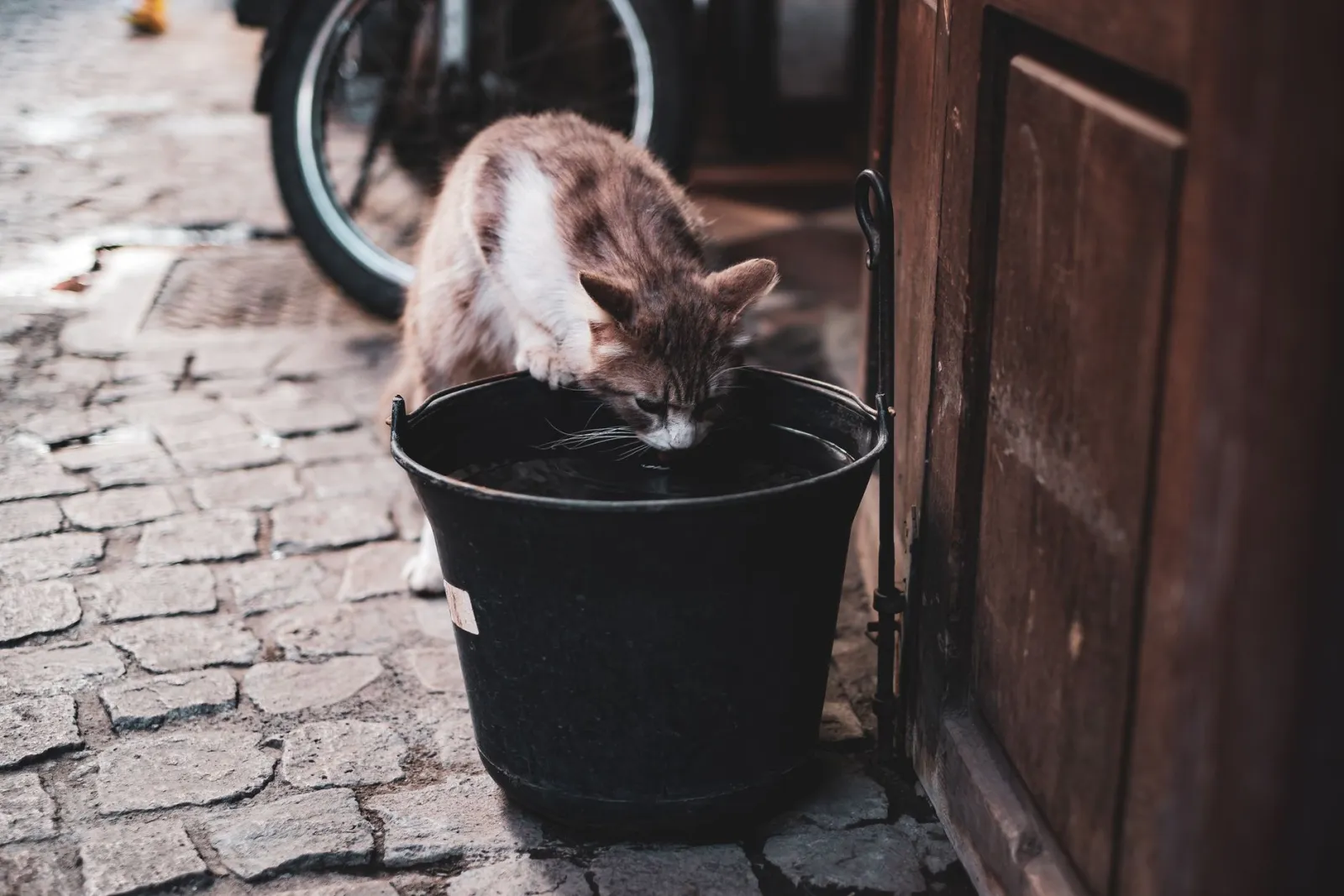
Not every cat wants the same thing from water. Some love a gentle stream they can lick straight off the surface. Others prefer a quiet pool and get startled by splashing. And a few will only drink from the moving part, ignoring the still basin entirely. Before anything else, spend three days watching your cat at the current bowl. Does it paw at the surface? Stare at dripping taps? Ignore the bowl for hours and then suddenly drink a lot at once?
Those little behaviours tell you a lot. A cat that bats at the water is often reacting to the surface, which is a strong signal that a flowing design will appeal. A cat that drinks in one long, calm session may do better with a design that offers a large, quiet pool alongside the stream. If you can, look for a fountain with an adjustable flow so you can dial it down if your cat seems nervous.
Practical example: a common complaint is a cat that drank happily from a fountain for two weeks, then stopped. Almost always, the flow was too strong or the pump got noisy. Choosing a model with a low-flow setting from the start avoids that dead end.
Step 2 — Check the noise level before you commit
This is the criterion people underestimate most. A fountain runs continuously, day and night. A soft trickle is pleasant; a low hum or a gurgle that keeps you awake at 3 a.m. is not. More importantly, a noisy pump can scare a skittish cat away from its own water source — which defeats the entire purpose.
Noise comes from two places: the pump itself and the way water falls back into the reservoir. A design where water slides down a ramp is usually quieter than one where it splashes into a basin. If you can hear a demo unit in a store, stand two metres away and listen for a few minutes. Online, read the quietest feedback carefully rather than the loudest — reviewers who mention noise at night are describing the real experience.
At home, you can test a fountain the same way you’d test a new appliance: fill it, place it where you intend to keep it, and leave the room for ten minutes. If you notice it from the next room, your cat will notice it from across the house. Quieter is almost always the safer bet.
Step 3 — Weigh how often you’ll actually clean it
Here’s the uncomfortable truth about fountains: they need more maintenance than a bowl, not less. Moving water stays fresher, but the pump, the filter and the crevices collect hair, food particles and a thin biofilm over time. If you won’t keep up with cleaning, a fountain can become less hygienic than a simple bowl you rinse daily.
So the real question is how easy the design makes routine care. Look for parts that come apart without tools, a wide opening you can reach with a sponge, and as few tight corners as possible. Fountains with lots of decorative nooks look charming and are a nightmare to scrub. A plain, open basin with a removable pump is far friendlier in daily use.
Think about your own habits honestly. If you already rinse a bowl every day, a fountain fits your rhythm: a quick rinse daily, a deeper clean weekly, and a pump scrub every couple of weeks. If you tend to let things slide, choose the simplest design you can find, because a complicated one will sit dirty and unused.
Step 4 — Understand filtration and what it does (and doesn’t) do
Filtration is the feature most marketed and least understood. A carbon filter mainly reduces odours and catches some debris; it does not sterilise water or remove everything dissolved in it. What it genuinely helps with is keeping the water tasting neutral so your cat keeps drinking — which is the whole point.
Filters are consumables, so factor in replacing them on a schedule. A clogged filter restricts flow, makes the pump work harder and gets noisy. If you notice the stream weakening, that’s usually the filter, not a broken pump. Rinsing the filter under running water between changes extends its life a little, but it won’t last forever.
One useful check at home: run the fountain without a filter for a day and compare how your cat responds. Some cats don’t care either way. If yours drinks noticeably more with a fresh filter in place, filtration is earning its keep for you. If not, you can prioritise a simpler, easier-to-clean design instead.
Step 5 — Size, capacity and placement in your home
Capacity matters more than it looks. A small reservoir means frequent refills, and if the water drops below the pump’s intake, the motor runs dry and can fail. For a single cat, a modest capacity lasts several days; for two or three cats, or a warm room, you’ll refill far more often than the box suggests.
Placement is just as important. Cats often prefer water away from their food — an old instinct that food near a water source could contaminate it. Try placing the fountain in a quiet corner, away from the litter box and away from heavy foot traffic. If your cat ignores it for a week, move it somewhere else before giving up. Location changes behaviour more often than people expect.
Also consider the surface underneath. Fountains can splash, and a wooden floor or a carpet edge won’t thank you. A shallow tray or a mat underneath solves it in seconds and saves you a bigger cleanup later.
Step 6 — Power, safety and everyday reliability
Most fountains run on mains power, which means a cable near a water source — so check that the cable entry and the plug are positioned sensibly, and that the unit sits stable and can’t be tipped by an enthusiastic paw. Cordless or battery options exist and free up placement, but they trade convenience for charging routines you’ll need to keep up with.
Reliability shows up in small details: a pump that can be removed and cleaned without dismantling the whole unit, spare parts that are easy to find, and a design that keeps running if the water level dips slightly. Read how long owners say their unit lasted before problems started, and pay attention to complaints about pumps failing after a few months — that’s the most common weak point.
At home, a simple test after setup: unplug it, plug it back in, and check the flow returns to normal within a minute. If it stutters or needs priming every time, that’s a sign the pump and reservoir aren’t well matched for daily life.
Quick comparison: fountain vs. bowl
| Aspect | Still bowl | Water fountain |
|---|---|---|
| Appeal to cats | Depends on the cat | Often higher, thanks to movement |
| Maintenance | Rinse daily, minimal fuss | Daily rinse plus weekly deep clean |
| Ongoing costs | None beyond water | Replacement filters over time |
| Noise | Silent | Varies widely by design |
| Best for | Cats that drink well already | Cats that drink too little |
FAQ
Will a fountain really make my cat drink more?
Many cats do drink more from moving water, because movement signals freshness and cats are naturally drawn to it. Some cats ignore fountains entirely. The honest way to know is to try one and watch your cat for a week — if intake doesn’t change, a clean bowl in a better location may serve you just as well.
How often should I clean a cat fountain?
Rinse the basin and refill daily, give it a proper wash with warm water and a mild soap once a week, and clean the pump every two to four weeks depending on how many cats you have. More cats means more hair and more frequent cleaning. Never let the water level drop so low that the pump runs dry.
Is a fountain safe to leave running all day?
Yes, that’s how they’re designed to work. Keep the cable tidy and away from where water splashes, place the unit on a stable surface, and check the pump stays submerged. If you’re away for long stretches, a larger capacity reduces the risk of the pump running dry before you’re back.
The verdict: worth it, but on your terms
A cat water fountain is worth it if your cat drinks too little, if it’s drawn to running water, and if you’ll genuinely keep up with cleaning and filter changes. It’s not worth it if your cat already drinks well from a bowl, or if a complicated design will end up neglected. The fountain isn’t the magic — the appeal of moving water plus consistent, clean upkeep is what moves the needle.
So start with the checks above: watch your cat’s drinking habits, prioritise a quiet and easy-to-clean design, and place it where your cat actually wants to drink. Get those right and a fountain earns its place in the routine. If you’d like to zoom out and compare this against the wider world of cat care essentials, a more complete guide on the general theme covers the bigger picture.