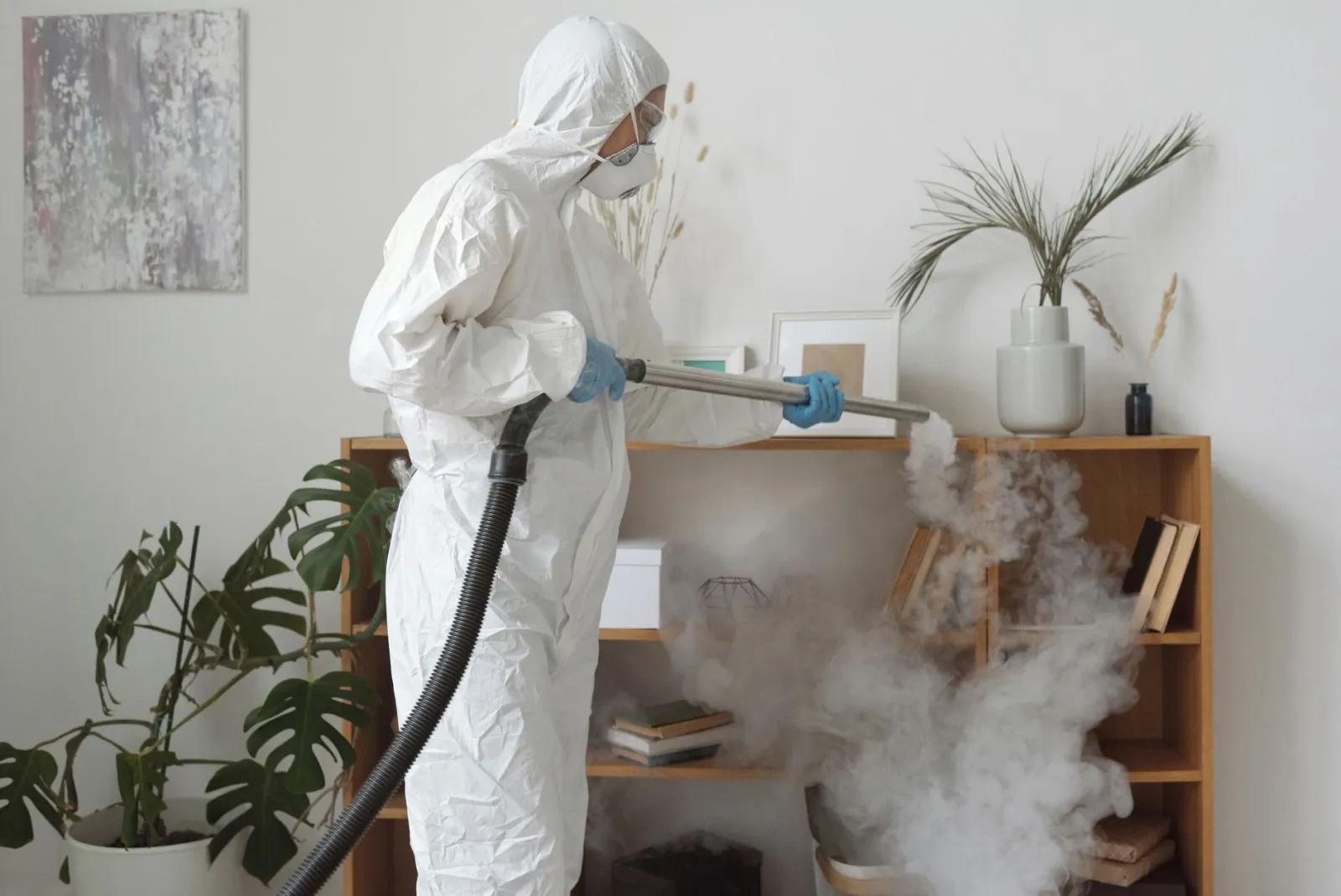
This article contains Amazon affiliate links. As an Amazon Associate we earn from qualifying purchases.
\n
\n
In short:
- Focus on steam temperature and pressure first, since those two numbers decide whether the machine actually cleans.
- Pick a tank you can refill without waiting, and check the heat-up time before you buy.
- Moisture control and drying matter as much as cleaning power, so avoid machines that soak the carpet.
- Get a proper carpet brush head, check the weight when full, and make sure spare parts exist.
- Steam works well as maintenance, and yes, you can absolutely do it yourself with slow passes and good ventilation.
\n
\n\n
Steam Cleaner for Carpets: How to Choose Without Wasting Money
\n\n
Steam cleaning a carpet sounds simple: heat water, push the tool, watch the dirt disappear. In practice, the results depend on a handful of technical details that most buyers only discover after the first use. A machine that heats slowly, spits too much water, or loses pressure after ten minutes will leave your carpet damp for hours and your patience thinner than the pile.
\n\n
This guide walks through the criteria that actually matter when you’re choosing a carpet steam cleaner. No brand names, no prices, no hype. Just the parameters you can verify yourself, plus the questions people ask most often before buying. If you’ve ever wondered whether steam is genuinely worth it on carpet, or whether you can do the job yourself, you’ll find clear answers below.
\n\n
1. Steam temperature and pressure: the two numbers that decide everything
\n\n
Steam cleans by transferring heat to the fibres. The hotter the steam at the nozzle, the faster it breaks down grease, dust mites, and the sticky residue left by spilled drinks. Look for a machine that reaches a genuine steam temperature above 100°C at the outlet — many entry-level units drop well below that once the water tank starts emptying. Pressure matters just as much: without enough force, the steam never penetrates the base of the carpet, and you’re basically warming the surface.
\n\n
A practical test at home: fill the tank, let the machine heat fully, then point the nozzle at a cold ceramic tile for ten seconds. If the tile is hot to the touch and the steam jet visibly pushes a light object, the pressure is usable. If the steam dribbles out weakly, the carpet will stay wet and the cleaning will be superficial. Also check how long the machine holds pressure continuously — some models need a pause every few minutes to rebuild steam, which doubles your working time on a large room.
\n\n
2. Water tank capacity and refill design
\n\n
Tank size is a trade-off. A small tank keeps the machine light and easy to carry up stairs, but you’ll refill it every few square metres. A large tank lets you clean a whole living room without stopping, at the cost of a heavier unit. For carpet work, where you often move slowly and deliberately, a tank that lasts at least fifteen minutes of continuous steaming is a reasonable benchmark.
\n\n
Pay attention to how the tank opens. Some designs require you to wait for the machine to cool completely before refilling — that’s a twenty-minute pause in the middle of your job. Others let you top up while warm, which is far more practical. A concrete example: if you’re cleaning a three-seat sofa and a medium rug in one session, a warm-refill system saves you roughly half an hour of waiting. That’s the difference between finishing before lunch and finishing after.
\n\n
3. Heat-up time: the hidden time killer
\n\n
Nobody mentions heat-up time in the shop, but it shapes your whole routine. A machine that takes two minutes to be ready encourages you to tackle small jobs — a stain here, a pet accident there — without planning. A machine that takes eight to ten minutes turns every cleaning into a project, and you’ll use it less often.
\n\n
When comparing options, ask yourself how you’ll actually use the device. If your goal is quick spot-cleaning, prioritise fast heat-up. If you plan weekly deep cleans, a slower machine with better pressure may serve you better. A useful observation: people who buy slow-heating machines for occasional use often report leaving them in the cupboard. Speed of readiness, not raw power, is what keeps a tool in rotation.
\n\n
4. Drying time and moisture control
\n\n
The biggest complaint about carpet steam cleaning is dampness. Over-wetting a carpet can lead to musty smells, browning of the fibres, and even mould if the underlay stays wet. The machine itself plays a role: a well-designed unit releases steam rather than a spray of hot water, and some include a suction or extraction function that pulls moisture back out.
\n\n
Check whether the tool lets you control the steam output. Variable triggers or adjustable flow let you reduce moisture on delicate or thin carpets and increase it on thick, soiled pile. A concrete case: on a low-pile office carpet, full steam for two passes is usually enough, while a deep shag rug needs slower movement and less water per pass. After cleaning, ventilate the room and, if possible, run a fan or dehumidifier. A carpet that dries within a few hours is a carpet that won’t develop odours.
\n\n
5. Attachments and carpet-specific tools
\n\n
A steam cleaner is only as good as what touches the floor. For carpets, you want a dedicated brush head with stiff bristles that can agitate the fibres while steam is applied. A plain nozzle designed for tiles won’t lift embedded dirt from pile. Look for a head that glides rather than snags, and check that brushes are replaceable — worn bristles stop cleaning effectively long before the machine dies.
\n\n
Other attachments matter if you plan to use the device beyond carpets. A squeegee for windows, a small brush for upholstery, or a triangle tool for corners can justify the purchase. But be honest about your needs: buying a machine loaded with accessories you’ll never use adds weight and complexity. A practical example: if your main target is a single staircase carpet, a compact unit with one good brush head beats a bulky multi-tool kit every time.
\n\n
6. Build quality, weight, and manoeuvrability
\n\n
Carpet cleaning involves pushing and pulling against resistance. A heavy machine becomes exhausting after ten minutes, especially on stairs or in tight rooms. Check the weight when the tank is full, not empty — that’s the figure you’ll actually carry. A well-balanced unit with a swivel head and a long hose lets you reach under furniture without dragging the whole body along.
\n\n
Build quality shows in small details: how the hose connects, whether the plastic feels brittle, whether the cable is long enough to cross a room without an extension lead. A concrete observation: hoses that kink easily are one of the most common failure points reported by long-term users. If you can handle the machine before buying, flex the hose and check the joints. If you’re buying online, read reviews that mention durability after several months, not just first impressions.
\n\n
7. Safety features and surface compatibility
\n\n
Steam and heat can damage certain materials. Before buying, confirm the machine is suitable for the carpet types you own. Natural fibres like wool, jute, or sisal can shrink or discolour under high heat, and some synthetic blends are sensitive too. A machine with adjustable temperature and a clear compatibility guide is safer than one that only runs at full blast.
\n\n
Look for basic safety features: a pressure cap that won’t open under load, a thermal cut-off, a cord long enough to avoid stretching, and a cool-touch handle. If you have pets or children, a locking trigger prevents accidental steam release. And always test any machine on a hidden patch of carpet — under a sofa or in a corner — before treating a whole room. A two-minute patch test can save you from a permanent mark.
\n\n
A real-life example: the hallway carpet after winter
\n\n
Picture a typical household at the end of winter. The hallway carpet — the one that takes every pair of wet boots, the dog’s muddy paws, and the daily foot traffic between the front door and the kitchen — has gone grey in the middle and developed a faint musty smell near the skirting boards. It’s not ruined, but it’s clearly overdue. This is exactly the scenario where the buying criteria above either pay off or fall apart.
\n\n
The job starts with preparation. The carpet is vacuumed thoroughly first, because steam alone doesn’t remove loose grit — it just turns dust into mud that gets pushed deeper into the pile. Furniture is moved aside, and a hidden patch under the radiator is tested with a short steam pass to confirm the fibres don’t discolour. Windows are opened, and a fan is placed at one end of the hallway to keep air moving from the start, not after the cleaning is finished.
\n\n
Then comes the part where machine choice shows. With a warm-refill tank and steady pressure, the work moves in slow, overlapping passes — roughly a metre at a time, letting the brush head agitate the pile before moving on. The variable trigger is set low for the first pass to loosen the surface grime, then raised slightly for the high-traffic strip down the middle. Because the machine releases steam rather than spraying water, the carpet feels damp rather than soaked, and the fan plus open windows dry it within a few hours.
\n\n
Now imagine the same job with the wrong machine. A slow-heating unit means a long wait before the first pass, and by the time the hallway is half done, the tank needs a cool-down refill. A machine with no flow control drenches the pile, the musty smell gets worse before it gets better, and the carpet is still damp the next morning. The difference isn’t the price tag — it’s whether the criteria in this guide were checked before buying. The same hallway, the same effort, two very different outcomes.
\n\n
Les erreurs à éviter (common mistakes to avoid)
\n\n
Most disappointing carpet steam cleaning results come down to a handful of avoidable mistakes. None of them require expensive equipment to fix — they require knowing what to watch for before and during the job.
\n\n
- \n
- Skipping the vacuum first. Steam on a dusty carpet pushes grit into the base of the pile, and the machine has to work harder for a worse result. Always vacuum thoroughly, ideally twice, before any steam touches the fibres. This single step does more for the final look than upgrading the machine.
- Over-wetting the carpet. More water does not mean more cleaning. Excess moisture reaches the underlay, where it lingers, causes musty odours, and can brown the fibres from below. Use the lowest steam setting that visibly lifts dirt, keep the tool moving, and never let the carpet feel squelchy underfoot.
- Ignoring the fibre type. Wool, jute, sisal, and some synthetic blends react badly to high heat and can shrink or discolour. Check the manufacturer’s care guidance for your carpet and always run a patch test in a hidden spot. A two-minute test beats a permanent mark in the middle of the living room.
- Rushing the passes. Steam needs contact time to break down grease and lift embedded dirt. Moving the head quickly across the surface only warms it. Slow, overlapping passes — one metre at a time — are what actually remove the grime, especially in high-traffic strips.
- Cleaning without ventilation. A closed room traps moisture, and the carpet stays damp far longer than it should. Open windows, run a fan or dehumidifier, and start the airflow before you begin rather than after. Good ventilation is part of the cleaning, not an afterthought.
- Expecting steam to fix everything. Steam is excellent maintenance and refreshes pile, but it won’t remove deep-set stains, pet odours trapped in the underlay, or years of neglect in one session. For stubborn problems, professional extraction or a dedicated stain treatment may be the honest answer — and knowing that saves you from blaming the machine.
\n
\n
\n
\n
\n
\n
\n\n
Frequently asked questions
\n\n
Do steam cleaners really work on carpets?
\n
Yes, for maintenance-level cleaning. Steam loosens surface grime, refreshes the pile, and helps with dust mites and light odours. It works best on carpets that are vacuumed regularly and cleaned before dirt becomes deeply embedded. It is not a substitute for deep extraction on heavily soiled or stained carpets, and results depend heavily on pressure, contact time, and moisture control.
\n\n
What is the best steam cleaner for carpet?
\n
There’s no single best model — the right choice depends on your carpet type, the size of the area, and how often you’ll use it. Prioritise genuine steam temperature and pressure, a tank you can refill without a long cool-down, fast heat-up if you want spot cleaning, adjustable steam flow, and a proper carpet brush head with replaceable bristles. A machine that fits your routine will outperform a more powerful one that stays in the cupboard.
\n\n
Is steam worth it in a carpet cleaner?
\n
Steam adds real value when you want to refresh carpets between deeper cleans, tackle light odours, or reduce dust mites without chemicals. It’s less useful if your carpets are heavily soiled or if the machine soaks the pile. The deciding factor is moisture control: a machine that releases steam rather than spraying water, combined with good ventilation, makes steam genuinely worthwhile.
\n\n
Can I steam clean a carpet myself?
\n
Absolutely. With slow, overlapping passes, a patch test on a hidden area, thorough vacuuming first, and good ventilation, a household steam cleaner handles routine carpet cleaning well. Check your carpet’s fibre compatibility, keep the steam setting low to moderate, and let the carpet dry fully with airflow before walking on it. For deep-set stains or persistent odours, a professional extraction service may still be the better call.
\n\n
The bottom line
\n\n
Choosing a carpet steam cleaner comes down to a short list of verifiable details: real steam temperature and pressure, a tank you can refill without waiting, heat-up time that matches how you’ll actually use it, moisture control, a proper brush head, sensible weight, and surface compatibility. Get those right and the machine earns its place in your cupboard. Get them wrong and it becomes another gadget that promised more than it delivered. Test on a hidden patch, vacuum first, ventilate well, and let the results speak for themselves.
\n\n
\n\n
Also read :
Sources
\n
- \n
- Amazon Associates programme (affiliate disclosure)
\n
\n\n\n\n\n
🔗 Read also
Full guide :Appliances
More from this guide :
Was this guide helpful?
Share your experience with the WiseHomeGuides community.