In short :
- Seat height is the one thing that matters most, so pick a box high enough that your knees stay level with or below your hips.
- Look for a slight recline with lumbar support and firm cushions that hold their shape, not soft ones you sink into.
- Solid armrests let you push yourself up without that deep forward lunge that strains your back.
- The real test is simple: sit in it, check your feet are flat and your back feels supported, then try standing.
- Every back is different, so treat these as starting points and always try the box in person when you can.
\n
\n\n
Spending a sunny afternoon in the garden should feel like a reward, not a punishment. Yet for many older adults, the moment they sink into a garden chair is the moment their lower back starts to complain. The culprit is rarely the garden itself. It is the garden storage box: units that are too low, too soft, too deep, or shaped in a way that forces the spine into a curled position and keeps it there for an hour. Choosing the rightgarden storage box for an elderly person with back pain is not about luxury or style. It is about geometry, support, and how easy the piece is to get in and out of. Get those three things right, and a simple bench can be kinder to the back than an expensive lounge set.
\n\n
This guide walks through the practical criteria that matter most: seat height, back support, armrests, cushion firmness, and how the garden storage box is used in real gardens. No brands, no prices — just the mechanical logic of what helps a painful back and what quietly makes it worse.
\n\n
Start with seat height: the single most important number
\n\n
If you change only one thing, change this. A garden storage box that is too low is the classic trap for anyone with back pain. When the hips sit below the knees, getting up requires a deep forward bend and a strong push from the thighs — exactly the movement that strains a sensitive lumbar spine. The body has to lever itself out of a hole, and the back pays for it.
\n\n
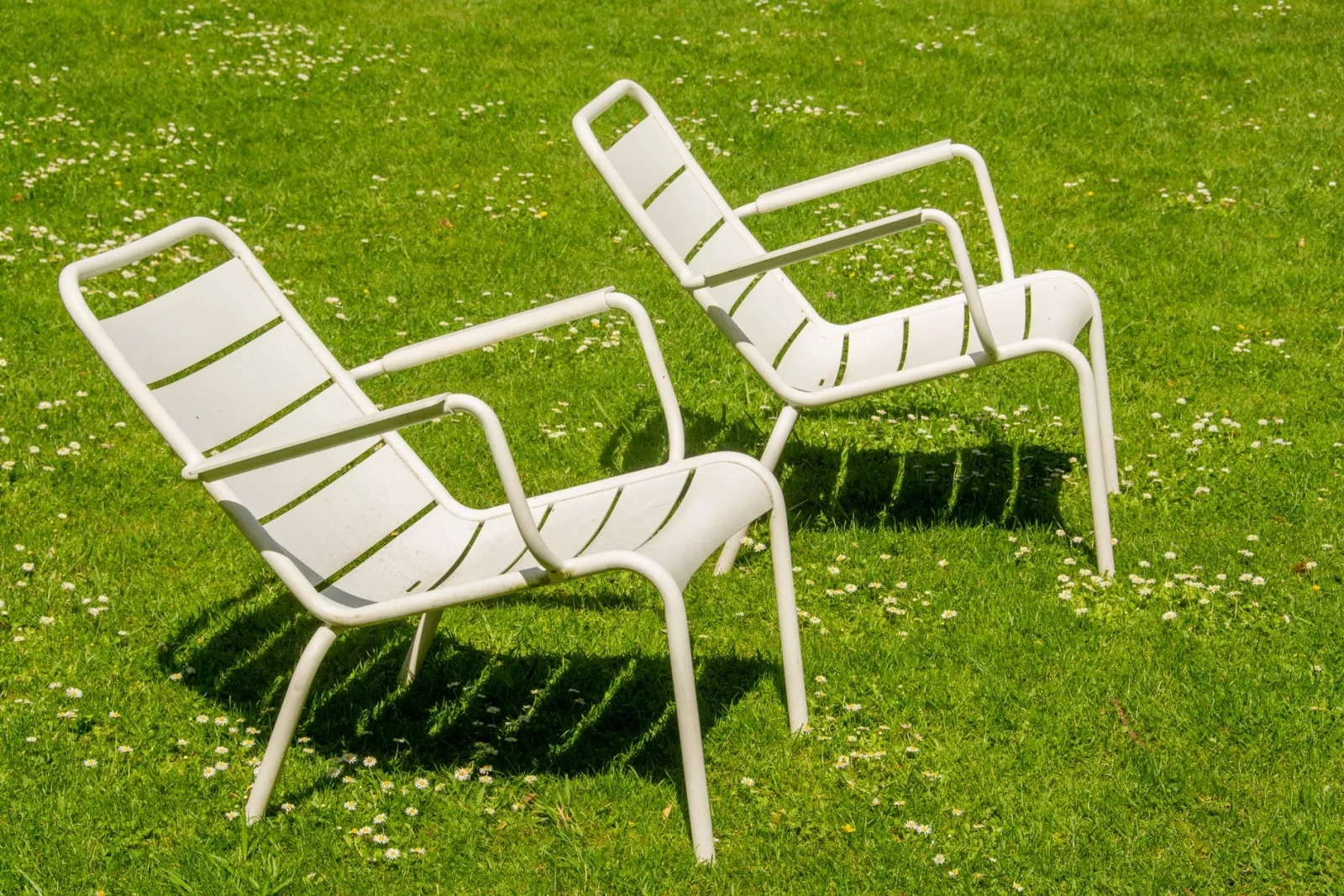
A practical target is a seat height that lets the knees sit level with, or slightly below, the hips when seated. For most older adults this lands somewhere around the height of a standard dining chair, which is why many people with back pain instinctively prefer a firm dining-style garden storage box over a low, deep lounge chair. The feet should rest flat on the ground with no dangling and no tucking.
\n\n
Concrete example: A deep, low garden storage box with a soft, sagging seat looks inviting, but it forces the sitter to slide the hips forward and round the lower back to stay balanced. After twenty minutes, that rounded position becomes an ache. A higher, firmer seat lets the same person sit upright with the spine in its natural curve — and stand up without a struggle.
\n\n
When you cannot test a garden storage box in person, measure a seat you already find comfortable at home and use that height as your reference. It is a far more reliable guide than a photo.
\n\n
Back support and recline: enough to rest, not enough to slump
\n\n
A good garden storage box for a painful back does two things at once. It supports the natural inward curve of the lower spine, and it lets the upper body rest without collapsing. These are not the same as a deep recliner.
\n\n
Look for a backrest with a slight recline — enough that the shoulders can relax, but not so much that the head tips back and the lower back flattens into a C-shape. A backrest that is too upright is tiring over a long lunch; one that leans too far back is hard to rise from and encourages slouching.
\n\n
- Lumbar curve: The lower back needs a gentle inward support, not a flat board. A small cushion or a shaped backrest at waist height can make a huge difference.
- Backrest height: Shoulder-height support is more restful than a low back that stops at the waist, especially for longer sitting.
- Armrests: Often overlooked, but they do double duty. They take weight off the spine while seated and give a firm push-off point when standing.
\n
\n\n
Concrete example: Picture a garden storage box with a straight, hard back and no arms. It looks sturdy, but with nothing to push against, an older person has to rock forward using only leg and back strength to stand. Add armrests and the same person can push up through the arms, sparing the spine entirely. That single feature can decide whether a garden storage box gets used or avoided.
\n\n
Cushions, materials, and the firmness question
\n\n
Soft is not the same as comfortable. This is where many people with back pain get caught out. A thick, squishy cushion feels wonderful for five minutes and then lets the body sink into a position that offers no support at all. Firmness is what keeps the spine aligned.
\n\n
Aim for cushions that hold their shape under weight — firm enough that you do not bottom out, but with a little give so pressure points are not punished. Removable, washable covers matter too, because damp or compacted cushions lose their supportive quality over a season.
\n\n
| Feature | Helps a painful back | Works against it |
|---|---|---|
| Seat height | Knees level with or just below hips | Low seat, hips below knees |
| Cushion firmness | Firm, holds shape | Very soft, sinks under weight |
| Armrests | Present and solid | None, or flimsy |
| Backrest | Slight recline, lumbar support | Deep recline or flat board |
| Weight & movement | Easy to shift, stable | Heavy, awkward to reposition |
\n\n
Materials play a supporting role. A frame that flexes or wobbles makes the sitter tense up to stay balanced — the opposite of relaxation. Stable, rigid frames are generally kinder, and a surface that does not get scorching hot or freezing cold means less shifting around to stay comfortable.
\n\n
Concrete example: A folding garden storage box with a thin, hard seat and no arms is light and easy to store, but on a patio it offers no lumbar support and no push-off point. For a short coffee break it is fine; for a long family lunch it becomes a source of discomfort. Matching the garden storage box to the length of time it will be used is just as important as the piece itself.
\n\n
How the garden storage box will actually be used
\n\n
Think about the real routine, not the ideal one. Will the person sit for ten minutes with a cup of tea, or for two hours over a meal? Will they move the garden storage box themselves, or can someone help? Is the ground uneven, making a stable base more important? These details shape the right choice far more than any catalogue description.
\n\n
For long sitting, prioritise support and armrests. For brief sitting, ease of movement and storage may matter more. And consider a small footrest: raising the feet slightly can take pressure off the lower back during longer rests, provided the seat is high enough to keep the knees comfortable.
\n\n
Concrete example: A person who reads in the garden for an hour benefits from a firm seat, armrests, and a slight recline. The same person, using a low, deep garden storage box for that hour, ends up shifting constantly and stands up stiff. The garden storage box has not changed — only whether it matches the activity.
\n\n
FAQ
\n\n
Is a rocking or reclining garden storage box good for back pain?
\n
It can be, if it stops in a supportive position and has armrests. Gentle motion sometimes eases stiffness, but a garden storage box that reclines too far is hard to rise from and encourages slouching. Choose one that locks into a slightly reclined, upright position rather than sinking fully back.
\n\n
Are cushions always better than a bare seat?
\n
Not automatically. A firm cushion adds comfort and a little height, which often helps. A very soft one does the opposite by letting the body sink out of alignment. If a bare seat is already at the right height and firmness, a thin cushion may be all that is needed.
\n\n
What is the easiest way to tell if a garden storage box will suit a painful back?
\n
Sit in it. Check that your feet rest flat, your knees are level with or below your hips, your lower back feels supported, and you can stand using the armrests without a deep forward lunge. If any of those fail, the garden storage box will likely cause discomfort over time.
\n\n
The short answer
\n\n
Garden storage box that suits an elderly person with back pain tends to share a few quiet qualities: a seat high enough that the hips are not below the knees, a firm cushion that holds its shape, a backrest with a slight recline and lumbar support, and solid armrests for pushing up. Get those right and the garden becomes somewhere to linger rather than somewhere to endure.
\n\n
Every back is different, so treat these as starting criteria rather than fixed rules — and always test a garden storage box in person when you can. For a broader look at choosing outdoor garden storage box around comfort, safety, and long-term use, a more complete guide on the general theme is available on the site.
\n\n\n\n