In short :
- A cushion deco is a decorative cushion you put on furniture for looks and comfort, not for sleeping on.
- It adds color, texture, and personality to a plain sofa, chair, or bed without any commitment.
- Go for a mix of sizes and fabrics, and arrange them in odd numbers for the best look.
- On a small sofa, two well-chosen cushions can be plenty.
- Start with one flat-looking spot, pick two or three cushions that echo colors already in the room, and see how it feels.
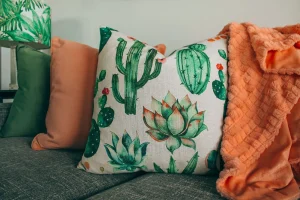
Think about the last time a room felt instantly warmer the moment you walked in. Chances are, a cushion deco had something to do with it. A cushion deco — short for decorative cushion — is a soft, filled fabric accessory placed on furniture purely for visual and comfort purposes, rather than for sleeping support. That distinction matters. A pillow you sleep on serves a functional role; a cushion deco exists to add color, texture, shape, and personality to a space.
You will find them scattered across sofas, armchairs, benches, window seats, and even beds. They come in countless shapes, sizes, and fabrics, and they are one of the fastest, most affordable ways to refresh a room without touching a single wall. But knowing what they are is only half the story. Knowing how to choose and place them is where the real value lies.
What Exactly Counts as a Cushion Deco?
The term covers a broad family of soft furnishings, but a few core characteristics separate a cushion deco from an ordinary pillow.
- Purpose: It is decorative first, functional second. Comfort is a bonus, not the main goal.
- Size: Usually smaller than a standard sleeping pillow, though oversized floor versions exist.
- Shape: Squares and rectangles dominate, but round, bolster, and even novelty shapes are common.
- Cover: Often removable, allowing you to swap the look without replacing the filling inside.
- Placement: Rests on top of seating or bedding rather than forming the base layer.
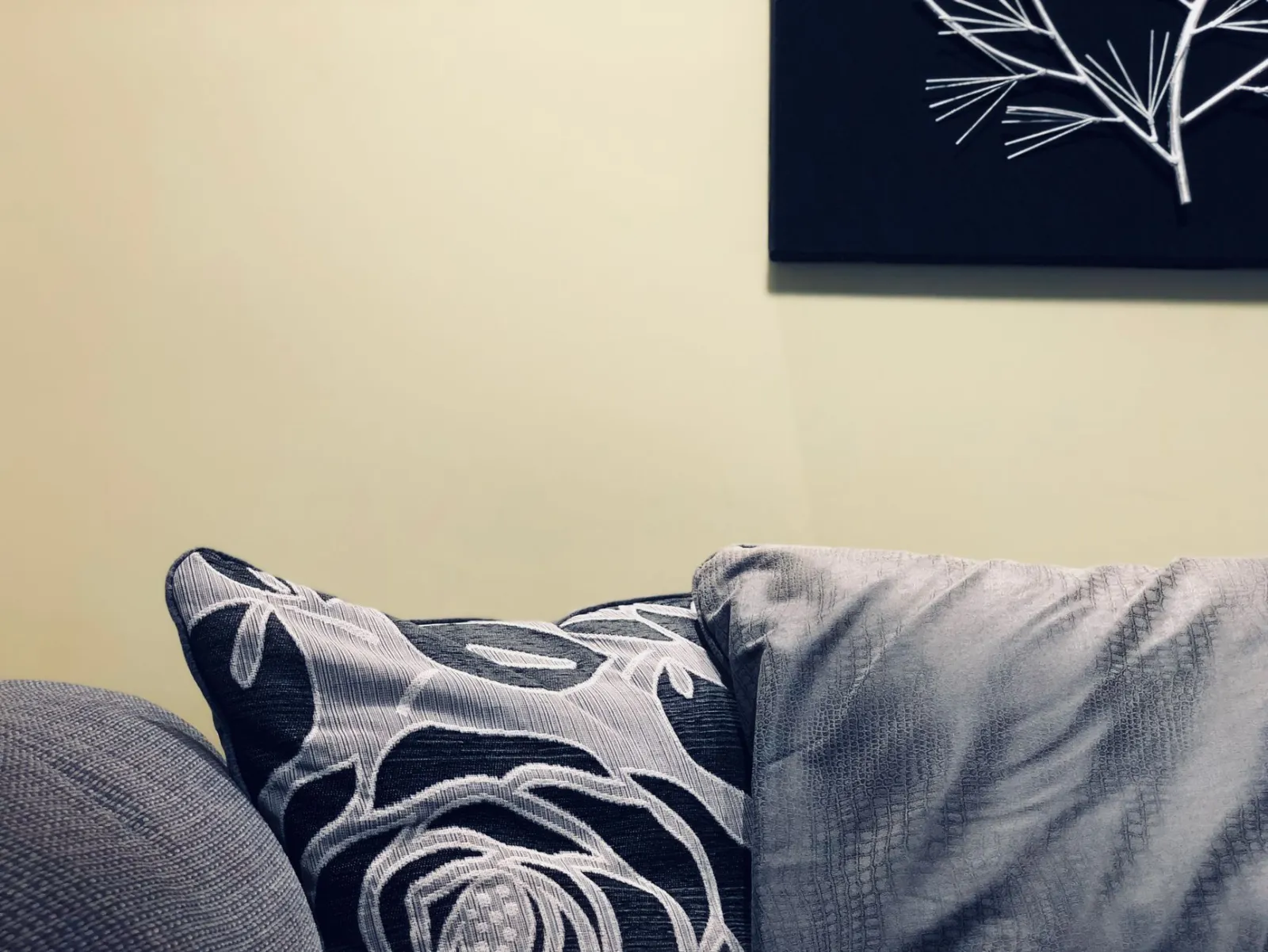
A quick example makes this concrete. Imagine a plain grey sofa in a neutral living room. On its own, it reads as practical but forgettable. Add two square cushion decos in a warm mustard tone and one rectangular lumbar cushion in a textured weave, and the same sofa suddenly looks intentional, layered, and inviting. Nothing about the furniture changed — only the accessories did.
That is the quiet power of these pieces. They act as the jewelry of a room: small, removable, and surprisingly transformative.
Why They Matter More Than You Might Think
It is tempting to treat decorative cushions as an afterthought — something you grab at the last minute to fill an empty corner. In practice, they do several jobs at once, and understanding those jobs helps you use them well.
They introduce color and pattern without commitment
Painting a wall or reupholstering a sofa is a big decision. Swapping a cushion cover takes seconds and costs little. If you are unsure whether a bold emerald or a soft terracotta suits your space, testing it on a cushion is a low-risk experiment. Live with it for a week. If it feels wrong, change it.
They add texture where surfaces are flat
A room full of smooth, hard finishes can feel cold. A linen cushion, a chunky knit, or a velvet square introduces tactile contrast. Run your hand across a smooth leather sofa, then across a boucle cushion resting on it — the difference is immediate and pleasing.
They create visual layering
Designers rarely place a single cushion alone. They build layers: a large neutral base, a mid-sized patterned middle, and a small accent on top. This stacking technique gives depth to otherwise flat seating. Consider a bed dressed with two large square cushions against the headboard, two medium ones in front, and one small lumbar cushion centered — the arrangement reads as considered and complete.
They signal comfort and welcome
There is a reason hotel lobbies and cozy reading nooks are full of them. Soft accessories communicate that a space is meant to be enjoyed, not just looked at. A bench by a window with a single cushion and a folded throw invites you to sit. The same bench bare feels like a waiting area.
How to Choose and Place Them Well
Good cushion styling is not about buying more — it is about choosing deliberately. Here are practical guidelines you can apply today.
- Start with size. A common rule is that a cushion should fill roughly two-thirds of the seating area it sits on. On a standard armchair, a 45 cm square works well. On a large sofa, mix 50 cm squares with a 30 x 50 cm lumbar.
- Work in odd numbers. Three or five cushions usually look more natural than two or four. Odd groupings feel relaxed rather than rigidly matched.
- Mix, don’t match. Pair a solid with a pattern, a smooth fabric with a textured one, a warm tone with a cool one. Identical sets can look flat.
- Respect the room’s palette. Pull one or two colors from existing art, rugs, or curtains. A cushion that echoes a hue already present ties the space together.
- Think about the filling, not just the cover. A firm, full filling holds its shape; a limp one sags within days. Feather-and-down blends feel luxurious but need fluffing, while polyester fills are firmer and lower maintenance.
Here is a simple comparison to help you decide based on where the cushion will live:
| Location | Typical Size | Best Filling Feel | Practical Tip |
|---|---|---|---|
| Sofa | 45–50 cm square | Medium-firm | Mix two sizes for depth |
| Armchair | 40–45 cm square | Firm | One or two is enough |
| Bed | 50–65 cm square | Firm for back row | Layer large behind small |
| Bench or window seat | 30 x 50 cm lumbar | Medium | Add a folded throw |
Notice how the recommendations shift with context. A cushion that works beautifully on a bed may look oversized and awkward on a narrow bench. Match the piece to the place.
Frequently Asked Questions
Are cushion decos and throw pillows the same thing?
Largely yes — the terms overlap. “Throw pillow” is the more common phrase in some regions, while “cushion deco” emphasizes the decorative role. Both describe soft accessories placed on furniture for visual effect and light comfort rather than for sleeping.
How many cushions should I put on a sofa?
For a standard three-seater, three to five cushions usually strike the right balance. Fewer than three can look sparse; more than five can feel cluttered and leave little room to actually sit. If your sofa is small, two well-chosen cushions may be plenty.
Can I use cushion decos outdoors?
Yes, but choose covers made from weather-resistant fabrics and bring them inside during heavy rain or prolonged damp. Even treated fabrics fade over time in direct sun, so rotating them periodically helps extend their life.
The Bottom Line
A cushion deco is a decorative soft accessory used to add color, texture, comfort, and personality to furniture — nothing more complicated than that. Yet the impact is far from minor. With a few well-chosen sizes, a thoughtful mix of fabrics, and an odd-numbered arrangement, you can transform a plain sofa or bed into something that feels genuinely designed.
Start small. Pick one spot in your home that feels a little flat, choose two or three cushions that echo colors already in the room, and see how the space responds. If you would like to go deeper into styling techniques, fabric choices, and seasonal swaps, a more complete guide on decorative cushions is available on the site.