In short :
- Grow what you actually eat every week, not what looks good in a catalogue.
- Keep it close to the back door and design it around easy harvesting.
- Herbs, cut-and-come-again leaves and a few summer fruiting crops are your reliable core.
- Get the soil right with compost and mulch, and sort out water access and netting.
- Start with one or two beds and resow in small batches as you go.
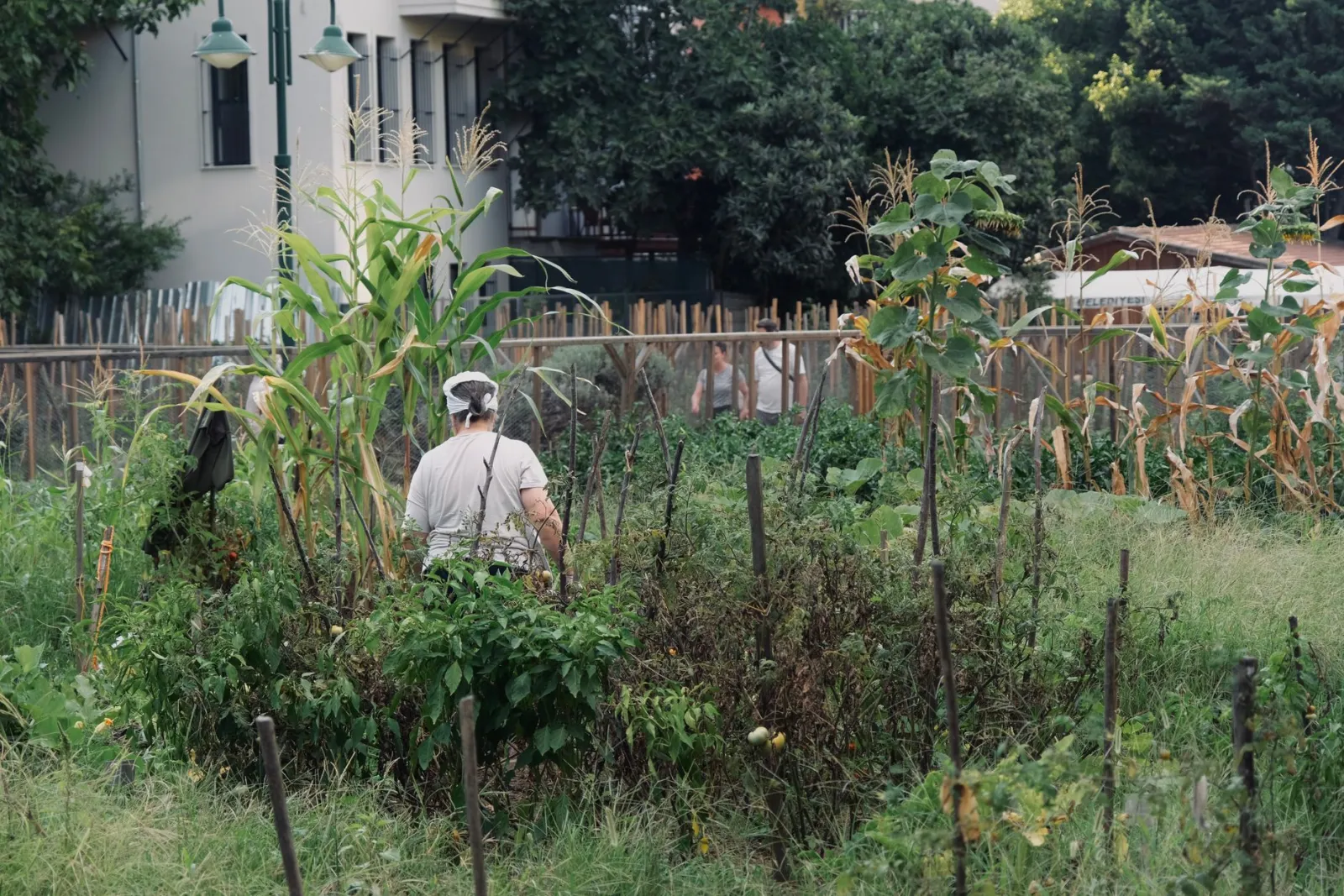
A kitchen garden is not a vegetable plot with a fancy name. It is the piece of ground — or the collection of containers — you keep close enough to the back door that you actually use it while cooking. That proximity changes everything about what belongs in it. You are not planning a farm; you are planning a supply line for your kitchen. So the real question is not “what can I grow?” but “what will I genuinely pick, week after week, and what does that require in terms of layout, soil and structure?”
This guide focuses on that specific angle: the contents and practical make-up of a kitchen garden. It covers what to plant, how to organise the space, and which supporting elements earn their place. If you want the broader picture — history, styles, seasonal planning — a more complete article on the general theme is available elsewhere on the site.
Start with what you actually eat, not what looks good in a catalogue
The single most reliable filter for a kitchen garden is your own shopping basket. Walk through a normal week of meals and note which fresh ingredients you buy repeatedly and in small quantities. Those are your candidates. A kitchen garden works best when it replaces the small, frequent purchases — the bunch of parsley, the bag of salad leaves, the two courgettes — rather than trying to replace a weekly shop.
Concretely: if you cook pasta twice a week and always buy a bunch of basil, that basil belongs in the plan. If you buy a cabbage once a month because a recipe demands it, it probably does not. A useful exercise is to keep a two-week list of every fresh herb, leaf and vegetable you bring home. The pattern that emerges is your planting list, and it will be shorter and more honest than any beginner’s seed order.
The core categories worth covering
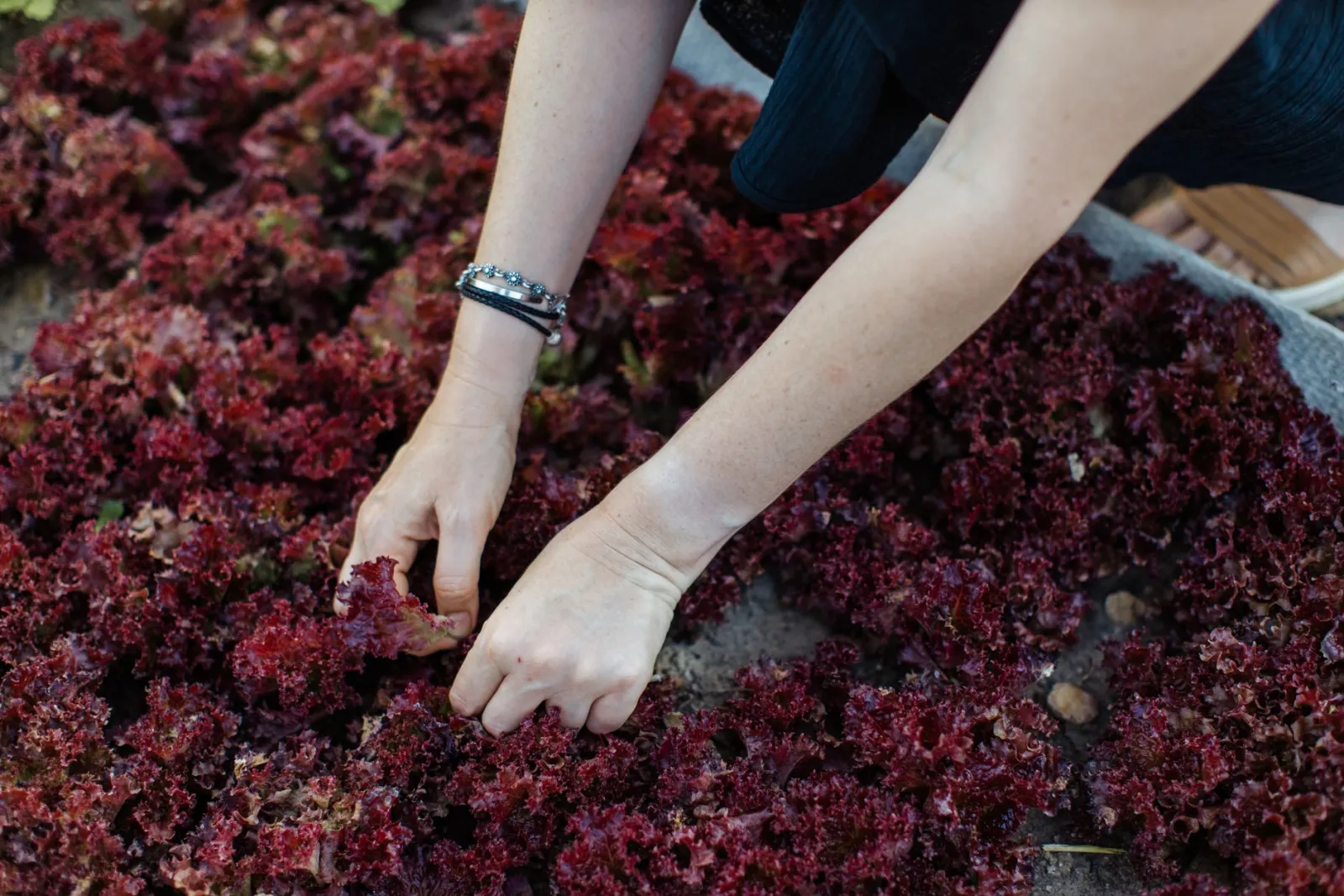
- Cut-and-come-again leaves: lettuce, rocket, mizuna, spinach. These regrow after cutting, so a small area keeps producing over a long season.
- Culinary herbs: parsley, chives, thyme, sage, mint. Perennial herbs are low-effort and expensive to buy in small bunches. Keep mint in its own pot — it spreads aggressively and will take over a bed.
- Fruiting crops for summer: tomatoes, courgettes, dwarf beans. These give the biggest flavour difference between home-grown and shop-bought, but they need space and sun.
- Root and bulb crops: radishes, spring onions, carrots. Quick, compact, and useful for filling gaps between slower crops.
- A small cutting patch of flowers: not decoration for its own sake — flowers such as calendula or borage bring pollinators and predatory insects that help the edible crops.
A realistic example: a bed of about one square metre sown with rocket and lettuce in succession can supply salad for two people through spring and autumn, provided you resow every few weeks rather than sowing everything at once. That last point is where most beginners lose their crop — a single sowing gives a glut followed by nothing.
Design the space around harvesting, not around looks
Proximity is the defining feature of a kitchen garden, and it has practical consequences. Beds placed within a few steps of the kitchen door get picked; beds at the bottom of the garden get forgotten and bolted. If your only sunny spot is far away, that is worth knowing before you plant, because it will shape what you grow there — sturdy crops you harvest in one go, rather than delicate leaves you need to pick daily.
Layout decisions that pay off
- Raised beds or defined plots. They keep soil workable, make paths clear, and stop you treading on the growing area. A bed narrow enough to reach the middle from either side — roughly 1.2 metres wide — means no compacted soil and no awkward stretching.
- Permanent paths. Grass or bare soil turns to mud on wet days. A defined path means you can harvest in the rain without destroying the bed edges.
- A water source nearby. A water butt or a tap close to the beds matters more than most beginners expect. Salad crops in summer need consistent moisture, and a long walk with a watering can is the fastest route to neglected plants.
- Vertical space. Climbing beans, cordon tomatoes and peas use height rather than ground area. A simple frame or netting turns a narrow strip into a productive one.
- A small working area. A patch of hard standing or a sturdy bench for potting on, washing harvests and storing tools saves countless trips.
Here is a common real-world case: a gardener with a narrow side return of two metres by six, mostly shaded, tries to grow tomatoes there and gets poor yields. Moving the tomatoes to the sunniest wall and using the shaded strip for lettuce, chard and mint — which tolerate less sun — turns a disappointing space into a useful one. The layout question is really a light question.
Soil, structure and the supporting cast
What goes in a kitchen garden includes the invisible infrastructure. Soil quality determines yield more than variety choice does. Most edible crops want a fertile, well-drained soil with plenty of organic matter, and the practical way to get there is to add compost regularly rather than to dig hard. A no-dig approach — layering compost on top of the beds each year — preserves soil structure and reduces weed pressure, which matters when you are harvesting small amounts often.
Elements worth including
- Compost area or bin: kitchen and garden waste becomes next year’s fertility. Keep it accessible, not hidden behind a shed.
- Mulch: a layer on the soil surface conserves moisture and suppresses weeds. Straw, leaf mould or well-rotted compost all work.
- Simple protection: netting against birds and butterflies, fleece against late frost. Without it, cabbage whites and pigeons can wipe out a crop in days.
- Succession sowing plan: a written or noted schedule of what to resow and when. This is the difference between a garden that produces steadily and one that produces once.
- Companion planting: pairing crops that help each other — for instance, growing fast radishes between slow carrots to mark the rows and use the space.
A concrete observation from countless small gardens: the beds that get a yearly compost top-up and a mulch layer need far less watering and weeding than bare-soil beds a few metres away. The difference is not the plants; it is what is in the ground.
Quick comparison: what belongs where
| Element | Priority | Why it matters |
|---|---|---|
| Salad leaves and herbs | High | Frequent harvest, high shop value, small space |
| Fruiting crops (tomatoes, courgettes) | High if sunny | Big flavour gain, needs sun and space |
| Root crops | Medium | Useful gap-fillers, less frequent picking |
| Compost and mulch | High | Drives yield more than variety choice |
| Flowers for pollinators | Medium | Supports pest control and pollination |
| Long-term storage crops (maincrop potatoes, winter squash) | Low in small plots | Take space for a single harvest |
Frequently asked questions
What is called a kitchen garden?
A kitchen garden — sometimes called a potager — is a dedicated space for growing edible plants for household use: vegetables, herbs, salad leaves and some fruit. What distinguishes it from a general vegetable plot is intent and position: it is designed around supplying the kitchen, usually placed close to the house, and often combines productivity with a tidy, structured layout.
What should be in a kitchen garden?
At minimum: the herbs and salad leaves you use most often, a few fruiting crops suited to your sun and space, quick crops to fill gaps, and the infrastructure that keeps them producing — compost, mulch, water access and simple netting. Add a small patch of pollinator-friendly flowers. The contents should follow your cooking habits, not a generic list.
How can I create a kitchen garden?
Pick the sunniest spot near your door, define beds narrow enough to reach across, improve the soil with compost, and start small with a handful of crops you actually eat. Sow salad and herbs in small batches every few weeks rather than all at once. Add structure — paths, a water source, netting — as you go, and expand only once the first beds are working.
What are the 7 different types of kitchen gardens?
Kitchen gardens are commonly grouped by layout and setting rather than by strict rules. The usual distinctions include: the traditional walled potager with formal beds; the raised-bed garden; the container or balcony garden; the allotment plot; the cottage-style mixed garden where edibles sit among flowers; the no-dig or deep-bed garden; and the indoor or windowsill garden for herbs and micro-leaves. Most real gardens blend several of these.
The short answer
A kitchen garden should contain three things: crops you will genuinely harvest often, a layout that makes harvesting easy, and soil kept fertile enough to keep producing. Herbs, cut-and-come-again leaves and a few summer fruiting crops form the reliable core; compost, mulch, water access and netting are the quiet essentials that make the difference. Start with one or two beds, follow your own shopping list, and resow in small batches. For the wider picture — styles, seasonal calendars and long-term planning — see the more complete guide on kitchen gardens elsewhere on the site.
Put it into practice : What tea towels should I get for my kitchen?
Was this guide helpful?
Share your experience with the WiseHomeGuides community.