
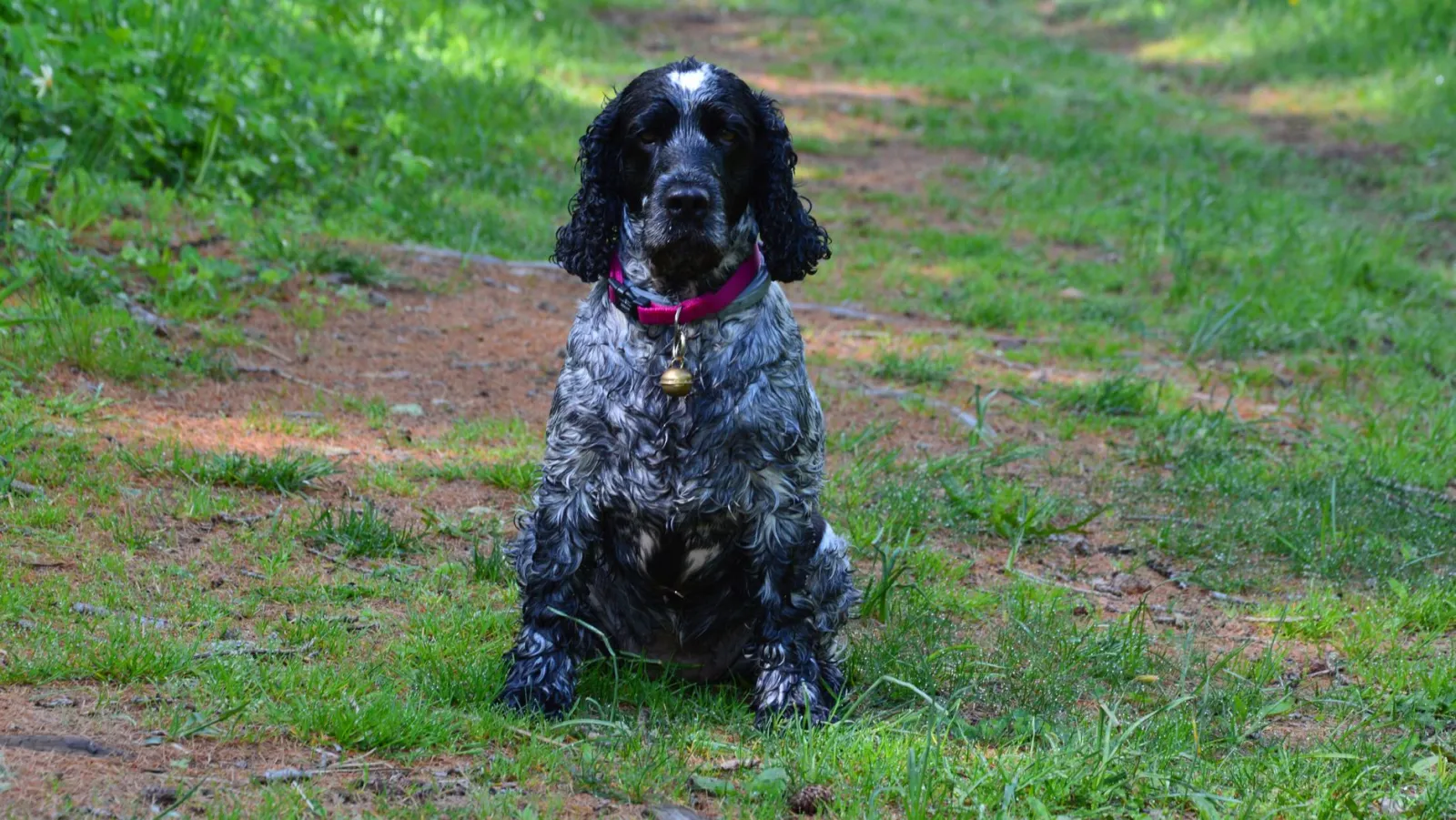
Short answer :The best dog tracker for you depends less on the device itself than on how your dog spends its time, so start by matching the collar’s tracking technology to your environment. GPS collars that rely on cellular coverage work well in open areas with reliable signal, while collars using radio frequency or Bluetooth are better suited to dense cover or places where mobile reception is patchy. Battery life, waterproofing, collar weight and fit, and whether the app gives live location or only periodic updates all shape daily usefulness. Decide whether you need real-time tracking, geofence alerts, or simple recall training support, then choose a collar that covers those needs without adding unnecessary bulk to your dog’s neck.
In short
- Match tracking technology to your terrain: cellular GPS for open areas, radio or Bluetooth for dense cover.
- Check battery life against how long your dog is typically outdoors before needing a recharge.
- Confirm the collar is waterproof and rated for the swimming and weather your dog encounters.
- Weigh the device and collar size against your dog’s build so it stays comfortable and secure.
- Decide whether you need live location, geofence alerts, or training cues before comparing options.
What a Dog Tracker Actually Does
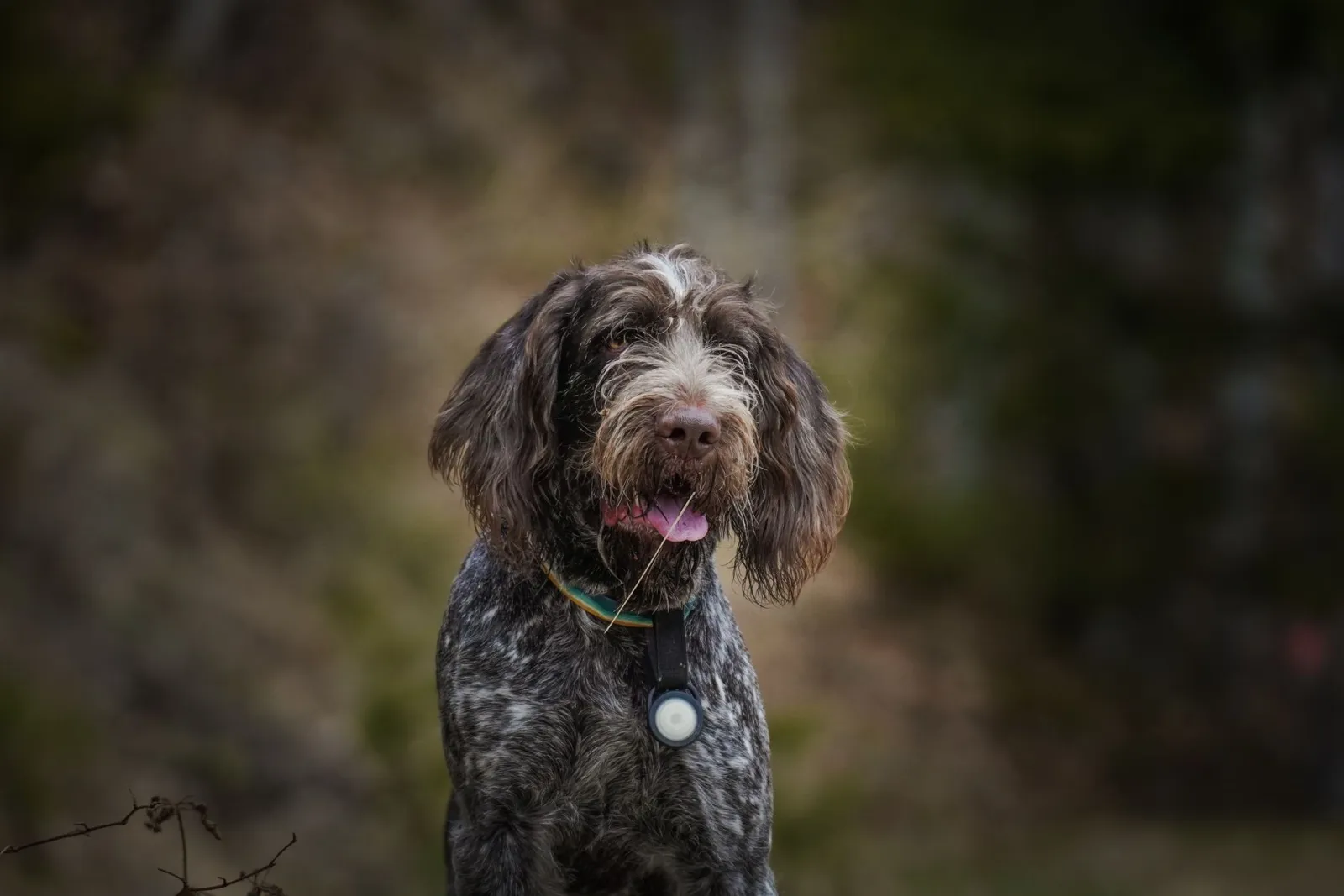
A dog tracker is a GPS device that reports where your dog is, but the useful part is how it reports that location and what happens when the connection fails. Most trackers combine a GPS receiver that fixes the dog’s position with a radio or cellular link that carries that position to your phone or a handheld controller. The GPS fix tells you where the dog is; the link determines whether you can see it right now. Some devices rely on cellular coverage, which works over long distances where signal exists but drops in remote or underground areas. Others use a direct radio link between collar and handset, which needs no subscription and works in places without cell service, but its range is limited and shrinks with terrain and vegetation. Many trackers pair the two so the radio link handles close-range work and cellular takes over at distance.
The practical value shows up in specific situations. A dog that bolts through an open gate is usually found by watching the live position update and walking toward it. A dog that goes quiet in dense cover is found by following a bearing and distance reading rather than a map pin. For working or hunting dogs ranging far out of sight, the tracker acts as a constant situational display, showing direction and distance continuously so the handler can recall the dog before it drifts too far. For a dog that slips a collar in the yard, a short-range radio tracker is often enough and avoids dependence on a network.
What separates a useful tracker from a frustrating one is the quality of its feedback loop. Update rate matters: a position that refreshes every few seconds lets you track a moving dog, while a slow refresh leaves you guessing. Battery life trades directly against update frequency and link type, so a device that runs for days typically reports less often. The interface matters too, because a bearing-and-distance readout is faster to act on in the field than a map you have to interpret. Alerts for leaving a defined area, and a history of where the dog has been, add value for owners who want to understand patterns rather than only react to an escape.
A tracker is not a fence and not a training tool. It tells you where the dog is; it does not keep the dog in, and it does not replace recall training or a secure enclosure. It is also not a substitute for identification, since a tag and microchip still bring a lost dog home faster than a device that has run out of battery. The realistic expectation is a tool that shortens the search when something goes wrong, and that works best when you understand its range limits, its power needs, and the terrain you actually walk in.
GPS Versus Radio Frequency Trackers
Before comparing features or brands, it helps to understand the two underlying technologies, because the choice between them shapes everything else: range, battery life, terrain performance, and ongoing cost. GPS trackers determine position by receiving signals from satellites, then relay that position to your phone either over a cellular network or a dedicated radio link. Radio frequency (RF) trackers work differently: a handheld receiver or app shows the direction and proximity of a transmitter on the dog’s collar by measuring signal strength, without calculating coordinates at all. Each approach solves a different problem, and neither is universally better.
GPS trackers excel when you want to know where the dog is on a map, review where it has been, or find it in unfamiliar terrain. Because they report an actual position, they are the natural fit for dogs that range widely, for hunting and hiking in open country, and for any situation where you may be some distance away or out of sight. The trade-offs are battery life and coverage. Continuous position reporting drains a battery far faster than a simple radio beacon, so most GPS units balance update frequency against runtime, and some rely on cellular coverage that can be thin in remote areas.
RF trackers shine at close-to-medium range in dense cover, thick woodland, or built-up areas where satellite reception and cellular signals are unreliable. They typically run far longer on a charge because transmitting a simple beacon uses little power, and they do not depend on any network. The catch is that they show direction and signal strength rather than a map position, so they guide you toward the dog rather than telling you exactly where it is, and their useful range depends heavily on terrain and obstacles between you and the collar.
A practical way to decide is to match the technology to your typical use. If your dog works open fields, you want a map view, or you need to check in from a distance, GPS is the more informative choice. If you mostly walk in heavy woodland, want a device that keeps running for days between charges, and are comfortable homing in on a signal, RF suits that pattern well. Many owners of dogs that range far end up valuing a combined approach, using GPS for the big picture and RF-style proximity for the final approach.
Finally, consider the practical costs each technology implies. GPS units often involve ongoing data or subscription considerations and more frequent charging, while RF systems tend to be simpler to keep powered but demand more skill from the handler in reading the signal. Think about your terrain, how far your dog typically roams, and how often you are willing to recharge before committing to either path.
Key Criteria for Choosing a Tracker
Before comparing individual devices, it helps to define what a tracker actually needs to do for your dog and your routine. The criteria below are the ones that most often separate a tracker that gets used daily from one that ends up in a drawer.
Range and coverage come first, because they determine where the tracker works at all. A short-range radio-based system is dependable within its own limits but stops being useful once your dog moves beyond that perimeter, which makes it a poor fit for open countryside, large properties, or dogs that roam. Cellular trackers depend on mobile network coverage, so their reliability varies with where you walk: strong in towns and along populated trails, weaker in remote valleys or dense forest. Satellite-based tracking is the option that keeps working where cellular signal is absent, at the cost of bulkier hardware and slower position updates. Think honestly about your typical walking terrain before choosing between these approaches.
Battery life is the second decisive factor, and it interacts directly with how you plan to use the device. A tracker meant to be worn only on off-leash outings can be smaller and lighter, since it is charged between sessions. A tracker worn continuously needs enough endurance to last through full days without constant recharging, and the practical figure to look at is runtime under real conditions rather than best-case claims. Consider also how the device recharges and whether you can top it up easily at home or in a car.
Weight and fit matter more than many buyers expect, especially for small or slender dogs. A bulky unit on a light dog affects comfort and willingness to wear it, so match the hardware to your dog’s size and to a collar or harness it already tolerates. Look at how the tracker attaches, whether the mount stays secure during rough play, and whether the whole assembly sits close to the body rather than swinging.
Finally, evaluate the software behind the tracker. Live location updates, geofence alerts that notify you when the dog leaves a defined area, and a clear history of where the dog has been are the features that make a tracker genuinely useful in the moment you need it. Check how alerts reach you, how readable the map interface is on a phone, and whether the app stays responsive when you are moving. A tracker with modest hardware but a well-designed app often serves better than a powerful unit with a confusing interface.
Battery Life and Charging Considerations
Battery life is one of the few specifications that directly shapes how you will actually use a GPS collar, because a tracker that dies mid-walk is worse than no tracker at all. The number printed on the box rarely matches real-world performance, so it helps to understand what drives consumption before comparing devices. GPS fixes, cellular or radio transmission, and standby listening all draw power at different rates, and the balance between them determines whether a collar suits a weekend hiker or a dog that roams a large property daily.
The single biggest variable is update frequency. A collar set to report a position every few seconds will drain far faster than one reporting every few minutes, and the gap can be dramatic rather than marginal. For most owners, continuous second-by-second tracking is unnecessary; a live mode used during an active search, combined with a slower routine interval the rest of the time, stretches runtime considerably. Look for a device that lets you adjust this interval yourself, ideally with a remote command, so you can switch to high-frequency tracking only when the dog is actually missing.
Signal conditions matter as much as settings. A collar that loses cellular coverage will often boost its power to reacquire a connection, and heavily wooded or hilly terrain forces longer GPS acquisition times, both of which shorten battery life. A dog kept mostly in open suburban areas will typically see better endurance than one working dense cover or deep valleys. If your typical terrain is challenging, plan for shorter runtime and treat the advertised figure as an optimistic ceiling rather than a promise.
Charging design deserves close attention because it affects daily practicality. Consider how the collar charges: a magnetic or clip connector is quicker to attach than a tiny plug, and a fully sealed charging method avoids the weak point of exposed ports on a device that gets wet and muddy. Think about charge time as well as runtime; a collar that needs many hours to refill is inconvenient if you rely on it every day. Some designs use a separate charging clip or dock, which is fine as long as you keep it accessible and don’t lose it.
Finally, match battery expectations to your routine. An owner who walks a dog on a leash in fenced areas may only need the collar for occasional outings and can tolerate modest runtime with frequent charging. Someone tracking a working or roaming dog across large ground needs enough endurance to cover a full day without intervention, plus a low-battery alert sent to the phone so a dying collar never comes as a surprise. A device that warns you early and holds a reserve for a final position report is far more useful than one that simply goes silent.
Waterproofing and Rugged Build Quality
Waterproofing is where many trackers fail in real-world use, because dogs do not respect product categories. A collar that lives on a swimming retriever, a mud-loving terrier, or a dog that walks in steady rain will be soaked, dunked, and coated in grit far more often than the box suggests. The practical question is not whether a tracker is “waterproof” but what level of water exposure it is built to survive and whether that matches your dog’s routine. Look for an explicit ingress protection rating rather than vague marketing language. A rating expressed as two digits tells you both dust and water resistance, and the second digit is the one that matters most here: a higher water digit means protection against jets or temporary immersion, while a low one may only cover splashes. For a dog that swims or retrieves in water, you want a unit rated for immersion, not merely rain.
Build quality matters just as much, because water resistance depends on seals, gaskets, and port covers staying intact. A rubber flap over a charging port is only as good as its fit; if it works loose, the rating is meaningless. Examine how the housing closes, whether buttons are sealed, and whether the antenna or strap attachment points are reinforced. Dogs push through brush, squeeze under fences, and roll on abrasive ground, so a tracker that feels flimsy at the seams or has exposed connectors is a liability. A rugged housing with overmolded edges and a recessed screen or no screen at all tends to survive knocks better than a glossy, glass-fronted unit.
Think about the environments your dog actually encounters. A suburban dog that walks on pavement and grass in light weather needs far less than a working or hunting dog that crosses streams, wades through marsh, or spends hours in wet undergrowth. Salt water and mud are harsher than fresh rain, and repeated exposure to either stresses seals and metal contacts. If your dog swims in the sea, rinse-and-dry habits between outings matter, and a tracker with fewer exposed ports is easier to keep clean. For cold-weather use, consider whether the housing becomes brittle and whether the strap and buckle stay flexible when temperatures drop.
The strap and mount are part of the rugged build, not an afterthought. A tracker is only as secure as the collar it sits on, so look for a mounting system that keeps the unit flat against the neck rather than dangling where it can catch on branches. Wide, durable webbing and a reliable buckle reduce the chance of loss, and a design that holds the tracker snugly limits rattle and wear. Weight distribution matters too: a heavy unit on a thin strap shifts and chafes, while a balanced mount stays put during runs and shakes.
Finally, treat waterproofing and ruggedness as ongoing conditions rather than fixed features. Seals age, port covers stretch, and cases crack after repeated impacts, so inspect the housing periodically and replace worn straps before they fail. A tracker rated for harsh conditions still deserves sensible care: close port covers fully, rinse off salt and mud, and dry the unit before charging. Matching the rating and build to your dog’s real exposure, rather than the best-case scenario, is what keeps a tracker working season after season.
Fit and Comfort for Your Dog
Fit is where a tracker either becomes part of your dog’s daily routine or gets left in a drawer. A GPS collar unit adds weight and bulk to whatever your dog already wears, so the first thing to weigh up is how that extra load sits on your dog’s frame. A small, light unit on a toy or miniature breed can feel like a backpack, while the same device on a large working dog is barely noticeable. As a general guide, the lighter and more compact the unit relative to your dog’s size, the more likely your dog will simply ignore it. Look at the physical dimensions of the housing as well as the weight, because a bulky box on a narrow neck can twist or catch.
How the tracker attaches matters just as much as the device itself. Some units clip onto an existing collar, some slide onto a purpose-made strap, and others are built into a collar as a single piece. A clip-on unit that hangs loosely can swing and bounce when your dog runs, which is both distracting and a snag risk in undergrowth. A unit that sits snugly against the neck, with the strap threaded through or the housing held flat, tends to stay put and cause less rubbing. Check that the attachment method suits the collar width you already use, or that the tracker comes with a strap you can adjust to your dog’s neck measurement.
Neck shape and coat type change how a collar behaves. Sighthounds and other dogs with narrow heads and slender necks can slip out of a loose collar, so a tracker collar needs to be adjustable enough to sit securely without being tightened to the point of discomfort. Thick-coated breeds can hide a collar entirely, which makes the position of the unit and any buttons or charging ports worth thinking about before you commit. Dogs with sensitive or folded skin around the neck benefit from a smooth, rounded housing and a strap with soft edges rather than hard plastic digging in.
Think about when your dog will actually wear it. A tracker used only for off-lead walks in open country can be a slightly heavier unit that you put on for those outings. A tracker meant for round-the-clock wear, including indoors and overnight, needs to be light enough and comfortable enough that your dog forgets it is there, with a battery life that matches that pattern of use. If your dog wears a harness for walks, check that the tracker and harness do not interfere with each other at the neck and shoulders.
Finally, build in an adjustment period. Put the tracker collar on for short periods at first, watch for scratching, head shaking, or attempts to paw it off, and check underneath the strap for redness or chafing. A well-fitted tracker should stay in roughly the same position after a walk rather than sliding round to the side or under the chin. If your dog keeps working at it, the fit or the weight is usually the culprit, not the idea of tracking itself.
Subscription Plans and Ongoing Costs
Most GPS dog trackers do not work straight out of the box without a data plan. The collar hardware is only half of the system; the location data travels over a cellular or dedicated radio network, and that connectivity is what you pay for month after month. Understanding this split between the one-time purchase and the recurring fee is the single most important step in budgeting for a tracker, because over the life of a dog the subscription can easily outweigh the cost of the device itself.
The first concrete criterion to compare is the billing structure. Some plans are billed monthly with no commitment, which suits owners who want to try a tracker for a season or who only need coverage during hunting months or travel. Others offer annual plans that lower the effective monthly rate in exchange for paying upfront, and some bundle multi-year coverage into the initial purchase. Ask yourself how long you realistically expect to use the tracker. If you are buying for a puppy, you are committing to many years of service, so a plan with predictable long-term pricing matters more than a low introductory rate that rises after the first year.
Coverage type drives cost as much as billing. Trackers that rely on cellular networks need a SIM and a data allowance, and the plan usually scales with how much live tracking and history you use. Devices that use a dedicated radio link between handset and collar often carry a simpler, cheaper subscription because they do not depend on a mobile operator, but their range is limited. Decide whether you need nationwide cellular tracking for a dog that roams far, or whether a shorter-range radio system covers your property and local walks. Paying for cellular coverage you never use is a common waste.
Look closely at what each tier includes beyond basic location. Real-time update frequency, the ability to store and review a history of routes, geofence alerts that notify you when the dog leaves a set area, and the number of users who can log in are typical differentiators. A plan that throttles location refresh to infrequent intervals is frustrating when a dog is actually missing, so confirm the update rate you get at each price level. Also check whether the plan covers one collar or several, since multi-dog households should not pay full price per device.
Finally, read the fine print on contract length, cancellation, and what happens if you stop paying. Some services let you pause the plan during months you do not need it, which is valuable for seasonal users, while others keep charging until you actively cancel. Confirm whether the collar retains any basic function without a subscription, and whether reactivation later carries a fee. Treat the subscription as a fixed part of your dog’s ongoing care budget, compare the total cost over several years rather than the first payment, and choose the plan whose coverage and features match how and where your dog actually spends time.
Setting Up and Testing Your Tracker
Setting up a GPS tracker well is mostly about preparation done before the collar ever goes on the dog. Start by charging the device fully and completing any firmware update the companion app offers, since a unit that ships with older software may behave differently from the instructions you read online. Pair the tracker with your phone while you are indoors and calm, not in the field, because pairing is the step most likely to fail under time pressure. Take a few minutes to explore the app’s map, battery indicator, and alert settings so you know where each control lives before you need it in a hurry.
Fit matters as much as configuration. The collar should sit snug enough that the tracker’s antenna stays upright and the unit does not swing to the side of the neck, yet loose enough that you can still slide a couple of fingers underneath. A tracker that flips underneath the neck can lose satellite visibility and report poorly. Check the contact points and the mounting clip or pouch, and confirm the collar’s own ID tag is still attached so the dog remains identifiable even if the electronics fail.
Testing should follow a deliberate sequence. First, walk the boundary of your yard or a familiar park with the tracker in hand and watch how the position marker moves on the map; this teaches you the device’s real-world accuracy and the lag between the dog’s actual position and the dot on screen. Next, run a short supervised session with the dog wearing it, letting them move out of sight behind a building or hedge, and note how quickly the app refreshes and whether the signal recovers. Finally, test the alert features by triggering a geofence or a notification and confirming it reaches your phone promptly.
Pay attention to the practical limits you discover. Dense tree cover, steep terrain, and buildings all degrade GPS reception, and a tracker that performs crisply in open ground may update slowly in a wooded ravine. Learn the difference between the live tracking mode, which drains the battery faster, and the lower-power reporting mode you might use on a routine walk. Knowing roughly how long a full charge lasts under each mode helps you decide when to recharge rather than discovering a dead battery mid-hike.
Finish with a routine: a quick pre-walk check of battery level and app connectivity, and a periodic re-test of the geofence after any app update or move to a new area. Store the charger and a note of the device’s setup steps somewhere you will find them, and keep the app logged in on a second family phone so more than one person can locate the dog. A tracker only earns its value when its setup has been rehearsed, so treat the first few outings as practice runs rather than the real test.
Common Mistakes When Buying Trackers
The most frequent mistake is buying on the strength of a single headline feature rather than how the tracker actually behaves in daily use. A device that reports a location every few minutes looks impressive in a product description, but if your dog slips a harness in a wooded area, what matters is how quickly the collar refreshes once movement is detected and whether it pushes an alert the moment the animal leaves a boundary. Shoppers often compare trackers by the size of the coverage map while ignoring update frequency, alert latency, and battery behavior under real conditions. Read the specifications for how often position is sent during normal tracking versus during a live-tracking session, because these are usually very different.
A second common error is underestimating battery life in the way the dog will actually use the device. A tracker rated for many days of standby can drop to a much shorter window once live tracking, frequent position updates, and cellular reporting are all active at once. Owners who assume the quoted figure applies during an active search are often surprised when the collar dies mid-recovery. Think about your routine: a dog that stays in a fenced yard needs far less endurance than one that accompanies you on long hikes or spends hours off-lead in open country. Match the charging rhythm to your habits, and consider whether a low-battery warning reaches you before the device goes dark.
Fit and attachment are routinely overlooked. A tracker that is too bulky on a small or short-legged dog can shift, rub, or get caught on brush, and a mount that relies on a single clip can fail under a sudden pull. Look at how the unit attaches to the existing collar or harness, whether it sits flat against the neck, and whether the housing is rated to resist water and dust for the kind of terrain you cover. A dog that swims, rolls in mud, or works through dense cover needs a different level of sealing than a companion that walks on pavement.
Many buyers also skip the subscription and coverage question until after purchase. Cellular trackers depend on a network plan, and the quality of that coverage varies by region and terrain; a device that performs well in a city can be patchy in valleys or remote trails. Check whether the plan is required for the features you care about, what happens when coverage drops, and whether the tracker falls back to another positioning method. Finally, avoid choosing purely on price: a cheap device with a poor mount, short real-world runtime, or weak alerting ends up costing more in frustration than a well-matched tracker that fits your dog and your routine.
Budget Planning for a Dog Tracker
Budget planning for a dog tracker starts with separating the purchase price from the ongoing cost of ownership. The upfront cost of the device is only one part of the equation; a tracker is a subscription-dependent service in most cases, and the monthly or annual fee for cellular data and platform access often outweighs the hardware price over the life of the product. Before comparing devices, decide what you can comfortably commit to each month for connectivity, because a cheap collar paired with an expensive plan is rarely the better deal. Ask yourself how long you expect to keep the tracker in service; a multi-year horizon makes a higher upfront cost with a lower subscription more attractive, while a short-term need favors a device with no long-term contract.
The subscription tier matters as much as the subscription itself. Entry-level plans typically refresh location at longer intervals and may limit how often you can request an on-demand position, while higher tiers shorten the update interval and add features such as geofence alerts or location history. For a dog that stays in a fenced yard and only needs a backup safety net, a basic tier is usually sufficient. For a dog that ranges widely, slips the leash on walks, or is used for hunting or hiking off-trail, the faster refresh rate of a premium tier is worth the added monthly cost, because a stale position is of little use when the animal is moving quickly.
Hardware durability is a budget line item in disguise. A tracker rated for water and dust resistance and built with a reinforced housing will survive rain, mud, and rough play, whereas a fragile unit may need replacing within a season. Factor in the cost of the mounting system as well: a collar attachment that fits securely and can be swapped between collars extends the useful life of the device and avoids buying a second unit for a second dog. If you have more than one dog, check whether the plan allows multiple devices on a single account, since bundled subscriptions are often more economical than separate ones.
Battery life shapes both convenience and cost. A tracker with a long runtime between charges reduces the risk of the device being dead when you need it, and it also means fewer charging cycles and a longer service life. Consider how you will charge the unit and whether a spare battery or charging cradle is worth the extra outlay. For working dogs or dogs that spend long days outdoors, a device with a generous battery reserve is a practical investment rather than a luxury.
Finally, set aside a small contingency for accessories and replacements: a spare collar mount, a charging cable, or a replacement band. These small costs add up, and budgeting for them upfront prevents surprises. The wisest approach is to total the hardware price, the annual subscription, and an estimated accessory allowance, then compare that total across the options that meet your dog’s actual tracking needs rather than the most feature-heavy device on the shelf.
Frequently asked questions
What is the best dog tracker for escape artists?
For dogs that slip out repeatedly, look for a tracker that combines live location updates with a virtual fence and instant escape alerts. Real-time tracking matters more than historical logs, because you need to follow a moving dog, not review where it went. A collar that sends a notification the moment the dog leaves a safe zone gives you a head start. Choose a model with a secure, tamper-resistant mount and a battery you can check remotely, so a dead tracker never surprises you.
How accurate are GPS dog trackers in rural areas?
In open rural areas, GPS trackers generally report positions with good accuracy because the receiver has a clear view of the sky. Accuracy drops in dense woodland, deep valleys, or near steep terrain that blocks satellite signals. Many trackers compensate by combining GPS with other positioning methods or by using the mobile network to relay data. Expect the reported point to be approximate rather than exact, and use the live map plus signal strength to narrow down where your dog actually is.
Do dog trackers require a monthly subscription?
Most GPS dog trackers that send live locations to your phone rely on a cellular connection, and that connection is usually paid through a monthly or annual subscription. The plan covers the SIM data and the tracking app service. Some trackers include a basic free tier with limited updates, while others bundle the first period into the purchase price. Radio-based trackers generally need no subscription because they communicate directly with a handheld receiver. Always check the plan terms before buying.
How long do dog tracker batteries usually last?
Battery life depends heavily on how the tracker is used. Frequent live tracking, constant location updates, and strong signal transmission drain the battery faster, while standby mode with occasional checks lasts much longer. Cold weather also reduces runtime. Most trackers are designed to be charged regularly, often every few days when tracking actively. Look for a model with a clear low-battery warning and a charging routine you can keep, because a dead tracker is useless when your dog escapes.
Are dog trackers waterproof for swimming dogs?
Water resistance varies by model, so check the rating rather than assuming. Many trackers are built to withstand rain, splashes, and brief immersion, but not every device is suited to a dog that swims regularly or dives into ponds. Look for an explicit water-resistance rating and a sealed charging port. If your dog swims often, choose a tracker rated for submersion and rinse it after muddy or saltwater exposure to keep the contacts and seals working.
What is the difference between GPS and radio trackers?
GPS trackers receive satellite signals to determine position and usually send that position to your phone over a cellular network, giving you a map view and history. Radio trackers use a handheld receiver and a directional antenna to follow a signal, with no satellites or mobile data involved. GPS offers precise coordinates and app features but depends on coverage and a subscription. Radio works in remote areas without cellular service but requires you to actively follow the signal direction.
How do I fit a tracker collar correctly?
Fit the collar so it sits snug but not tight, with room for about two fingers between the strap and your dog’s neck. The tracker unit should rest on the side or top of the neck, not under the throat where it can press or catch. Check that the antenna, if present, points upward and is not trapped under the strap. Recheck the fit after walks, since a loose collar can rotate and a tight one can rub. Trim excess strap and secure the loose end.
Can a dog tracker work without cellular coverage?
It depends on the technology. GPS trackers that rely on a mobile network to send locations to your phone will lose that link in areas without coverage, even if the device still records positions internally. Radio trackers do not need cellular service because they communicate directly with a handheld receiver, making them useful in remote countryside. Some GPS devices store track logs and upload them once coverage returns. If you often walk off-grid, consider a radio tracker or a model with offline logging.
Work out your own case in 30 seconds:
Methodology
This calculator produces an indicative estimate based on the parameters you enter. The ranges used reflect typical market tiers in the pets space and are neither a commercial offer nor a guarantee. Prices and availability may vary.
Read next :DIY Kitchens UK: A Practical Planning Guide
Read next :Solar Panels for Campervan: Complete Buyer’s Guide
Quelques modèles disponibles sur Amazon
Les prix et la disponibilité peuvent varier sur Amazon.
Full guide :Pets
More from this guide :
Was this guide helpful?
Share your experience with the WiseHomeGuides community.