In short :
- There’s no single easiest dog — it’s the one that fits your actual routine.
- Look for four things: a stable friendly temperament, strong food motivation, moderate exercise needs, and a size you can handle on a leash.
- Labs and Goldens suit active families, while a Cavalier or a Greyhound fits calmer homes.
- An assessed adult rescue often beats any puppy for a first-timer, since its temperament is already known.
- Skip puppies if low-maintenance is your priority, and plan your first three months around the 3-3-3 rule.
The easiest dog for beginners is a calm, eager-to-please breed with moderate exercise needs and a forgiving temperament — typically a Labrador Retriever, Golden Retriever, Cavalier King Charles Spaniel or Greyhound. “Easiest” means the dog tolerates training mistakes, settles quietly at home, and matches a first-time owner’s daily routine without extreme demands.
Notice what that definition does not say. It does not promise a dog that trains itself, never chews a shoe, or needs no walks. No breed works that way. What it does promise is a wider margin for error — and for a first-time owner, that margin is everything. The breed you choose should fit your actual life: your hours away from home, your energy, your floor space, your patience on a rainy Tuesday. Below, I break down what genuinely makes a dog beginner-friendly, which profiles suit which households, and the questions people ask most before bringing a first dog home.
What actually makes a dog easy for a first-time owner?
A dog is easy for beginners when four traits line up: a stable, friendly temperament, strong food motivation, moderate exercise needs, and a size you can physically handle on a leash. Breed reputation matters less than these four practical factors.
Food motivation is the quiet hero here. A dog that will work for a piece of kibble learns “sit” and “come” in a handful of repetitions instead of dozens. A dog that ignores treats turns every training session into a negotiation. Temperament stability comes next: some breeds are genetically more reactive to strangers, noise, or other dogs, and a reactive dog demands skills a beginner has not built yet. Exercise needs are the make-or-break factor most people underestimate. A high-drive working breed that needs two hours of structured activity will redecorate your sofa if it gets forty minutes.
Consider a concrete case. Two households each bring home a puppy. One chooses a calm companion breed and walks it twice a day for thirty minutes; the puppy naps through the afternoon and greets guests politely by month three. The other chooses a herding breed bred to work all day, gives it the same routine, and finds the dog pacing, nipping heels, and barking at the window by evening. Same owner effort, wildly different outcomes — because the breed’s baseline needs did not match the home.
The traits to check before you commit
- Biddability: does the breed historically work with people and take direction easily?
- Energy ceiling: can the dog be content with one solid walk plus garden time, or does it need a job?
- Size and strength: can you hold the leash if the dog lunges? A strong, heavy adolescent is hard to manage for anyone new to handling.
- Grooming load: double coats shed heavily and need regular brushing; some coats need professional trimming every few weeks.
- Vocalness and guarding instinct: breeds bred to alert or protect bark more — a real issue in flats and thin-walled homes.
Which beginner dog fits your lifestyle?
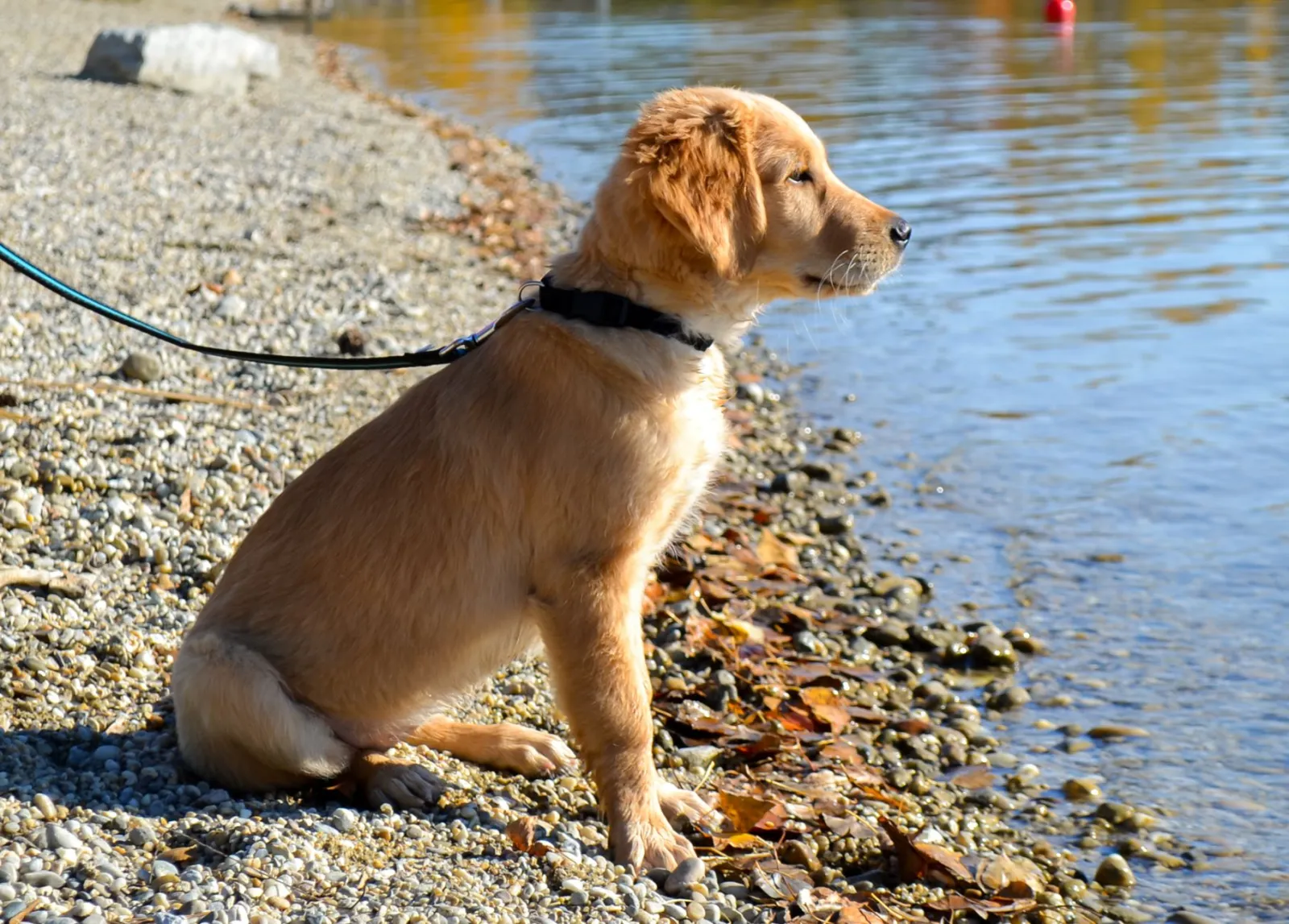
The right beginner dog depends on your daily rhythm, not on a single “best breed” list. Match the dog’s natural energy and sociability to your own, and the first year becomes far smoother.
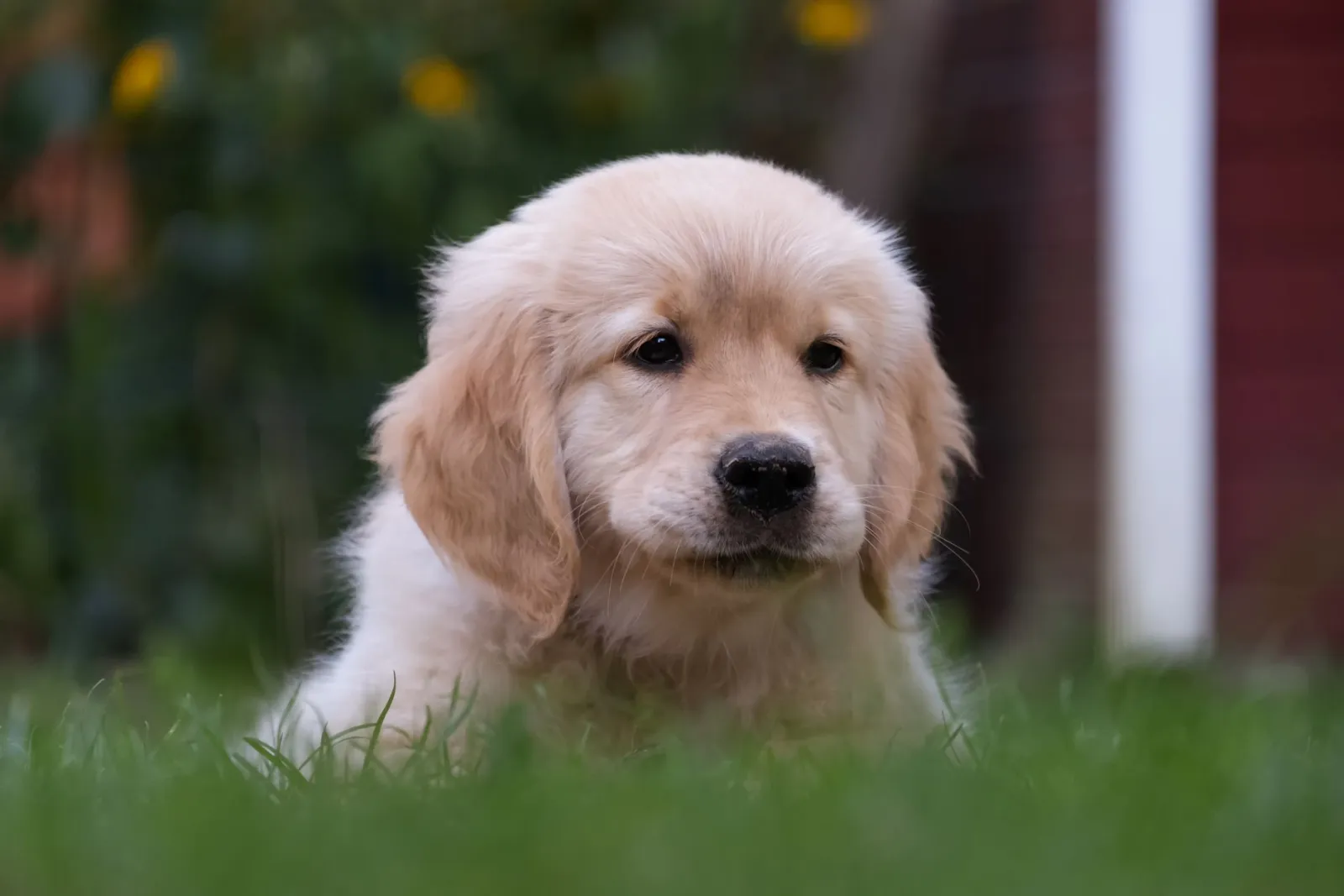
For active families with a garden and time for daily walks, retrievers are the classic answer — friendly, food-driven, and patient with children. Be honest about the puppy phase, though: young retrievers are boisterous and mouthy, and they need consistent training and plenty of exercise or they will test every boundary. For calmer households, small companion breeds and sighthounds fit a quieter routine. Greyhounds, despite their racing reputation, are famously couch potatoes indoors and need only short bursts of exercise — a genuine option for apartment dwellers who like a calm companion.
Here is a practical comparison to steer your shortlist. It reflects general breed tendencies, not individual dogs — every dog is an individual, and a well-run rescue assessment or a responsible breeder will tell you more than any chart.
| Profile | Typical beginner-friendly traits | Watch out for | Best fit |
|---|---|---|---|
| Retriever type (Labrador, Golden) | Friendly, food-motivated, eager to please, good with kids | Boisterous puppy phase; heavy shedding; needs daily exercise | Active families with garden and time |
| Small companion breed | Affectionate, adaptable to flats, moderate exercise | Can be vocal; some need regular grooming | Calmer households, apartments |
| Sighthound (Greyhound type) | Calm indoors, gentle, low exercise indoors | Strong prey drive outdoors; must stay leashed in open areas | Quiet homes, short daily walks |
| Mixed-breed rescue (adult) | Temperament often assessed before adoption; skips puppy chaos | Unknown history; choose a shelter that tests behaviour | Owners who want a known adult temperament |
What is the 3-3-3 rule for dogs?
The 3-3-3 rule is a widely used guideline for settling a new dog: roughly three days to decompress, three weeks to settle into routine, and three months to feel fully at home. It is a rule of thumb, not a law — timings vary by dog and history.
In the first three days, expect a shut-down or overexcited dog: appetite changes, hiding, or clinginess are normal. Keep things boring and predictable — no visitors, no dog park, short toilet breaks. Around three weeks, the dog starts testing boundaries and showing its real personality; this is when gentle, consistent training pays off. By three months, most dogs have mapped the household rhythm and relax. For a rescue with an unknown past, expect the curve to stretch longer, and build in extra patience rather than assuming something is wrong.
Which dog is calmest and lowest-maintenance?
The calmest, lowest-maintenance dogs tend to be adult sighthounds, small companion breeds, and mature mixed-breeds — dogs that mature into settled adults and need moderate rather than intense daily activity. Puppies of any breed are never low-maintenance.
Low-maintenance does not mean no-maintenance. A calm dog still needs daily walks, mental enrichment, and company — a bored calm breed becomes a destructive one. The honest shortcut for a beginner is adopting a known adult dog whose temperament has been assessed in foster care: you skip the puppy chaos and know what you are getting. Ask the shelter specific questions — how the dog behaves on walks, with children, alone at home, and around food. Those four answers tell you more than any breed label.
Frequently asked questions
Which dog is most ADHD?
No breed has ADHD in the clinical sense, but high-drive working breeds — herding, terrier, and sporting lines bred for constant activity — show the most restless, high-energy behaviour. These dogs need a job, structured exercise, and mental work; they are a poor fit for a first-time owner who wants a calm companion.
What is the easiest dog to own for beginners?
For most beginners, a Labrador or Golden Retriever suits active families, while a Cavalier-type companion breed or a Greyhound suits calmer homes. The easiest dog is the one whose energy, size, and grooming needs match your daily routine — an adult rescue with an assessed temperament often beats any puppy for a first-timer.
What is the calmest low-maintenance dog?
Greyhounds and similar sighthounds are notably calm indoors, and small companion breeds adapt well to flats. Adult mixed-breeds in foster care are often the lowest-maintenance choice, because their temperament is known before adoption. Avoid puppies of any breed if low-maintenance is your priority.
The bottom line
There is no single easiest dog — only the easiest dog for your household. Match energy, size, and grooming to your real routine, prioritise a stable temperament over appearance, and consider an assessed adult dog to skip the puppy phase. Once you have your shortlist, plan the first three months around the 3-3-3 rule, keep training short and food-rewarded, and build a predictable daily rhythm. For a broader look at choosing and settling a first dog, a fuller guide on the site covers the whole process step by step.
Was this guide helpful?
Share your experience with the WiseHomeGuides community.