This article contains Amazon affiliate links. As an Amazon Associate we earn from qualifying purchases.
In short :
- Pick decor that survives real life with a dog, not just looks good on a shelf.
- Check the material first: solid wood, powder-coated metal, stoneware, and tight natural fibers beat thin ceramics, glass, and lightweight resin.
- Keep anything delicate above waist height, and put tough, unembellished pieces at floor level where tails and paws hit.
- Stick to two or three themed pieces per room tied by a shared color or material so it doesn’t feel like a display.
- Above all, choose for the life you actually live, starting with the pieces your dog will physically touch.
What makes dog-themed home decor work in a real home?
Dog-themed home decor works when it fits your daily life: durable materials, washable surfaces, safe finishes, and a style that blends with your existing interior. Choose pieces you can clean easily, scale to your room, and secure against chewing or knocking. The goal is decor that celebrates your dog without creating extra work or hazards.
A house with a labrador and two children teaches you fast that decoration and practicality have to coexist. A ceramic figurine on a low shelf lasts about a week. A woven basket by the door survives years. The difference is rarely taste — it is material choice, placement, and how well the piece handles muddy paws, tail swipes, and the occasional enthusiastic greeting. This guide walks through the criteria that actually matter when you are choosing dog-themed decor for a lived-in home.
Material durability: what will survive a wagging tail?

Check the material before anything else. Decor placed at tail height or floor level takes constant impact, so prioritize solid wood, powder-coated metal, stoneware, or tightly woven natural fibers over thin ceramics, glass, and lightweight resin.
Think about where the piece will sit. A shelf above waist height can handle delicate ceramics and framed prints. A console table by the front door cannot — that is exactly where a dog spins when the doorbell rings. For floor-level items like baskets, doorstops, or statues, solid wood and metal resist tipping and cracking far better than hollow or thin-walled pieces.
A common pitfall is buying a lightweight decorative object that looks sturdy in photos but shifts with a single nudge. At home, test stability with a firm press on the top corner: if it rocks or slides on a smooth floor, add a felt or rubber pad underneath, or move it higher. Heavier bases and wider footprints are your friends in a busy household.
Cleanability: how easy is it to wipe, wash, or vacuum?
Choose surfaces you can wipe in under a minute. Glazed ceramic, sealed wood, metal, and machine-washable textiles handle drool, dust, and muddy contact far better than untreated porous materials.
Porous surfaces — unsealed clay, raw linen, untreated rattan with deep crevices — trap dirt and odors. If a piece sits near the food bowl or the back door, that matters. A sealed finish means a damp cloth does the job; an unsealed one means scrubbing and, eventually, replacement.
For textile decor like cushions, throws, or wall hangings, check whether the cover removes and washes. A practical test: run a damp finger across a hidden area. If the surface darkens and stays damp-looking, it will stain. If water beads or wipes clean, you are onto something durable.
Safety: which finishes and shapes should raise a flag?
Prioritize non-toxic finishes, stable shapes, and no small detachable parts. Dogs chew, lick, and knock things over, so decor within reach should be free of loose pieces, sharp edges, and finishes that flake.
Watch for these red flags on pieces at floor or mouth level: dangling cords, glued-on embellishments that can pop off, painted surfaces that chip easily, and tall thin objects that topple. A curious puppy will investigate anything new — a decorative piece that shatters into shards is a genuine risk, not a hypothetical one.
Ask how a piece is finished. Water-based paints, natural oils, and sealed glazes are safer choices than heavily lacquered surfaces that flake under chewing. For anything within a dog’s reach, prefer rounded edges and weighted bases. If a decorative item wobbles when you tap it, it will wobble more under a nose.
Scale and proportion: will it fit your room and your dog?
Match the size of the decor to both the room and the animal. Oversized pieces crowd small spaces; tiny pieces disappear in large rooms and invite knocking. A large dog needs wider clearance around floor decor than a small one.
Measure the actual spot before you buy. A console table 40 cm deep leaves little room for a broad decorative piece plus a bowl of keys. A hallway 90 cm wide cannot absorb a floor statue that juts out 30 cm — that is a trip hazard for humans and a target for tails.
Consider sightlines too. A dog-themed print above a sofa should relate to the sofa’s width — roughly two-thirds of it reads as balanced. A floor basket should sit clear of door swings and feeding stations. When in doubt, go one size smaller; oversized decor in a tight space feels cramped within a week.
Style integration: how do you avoid a cluttered look?
Choose a consistent palette and repeat it in two or three places. Dog-themed decor reads as intentional when it echoes your existing colors and materials rather than competing with them.
A single accent color — say, a warm rust — carried through a cushion, a framed print, and a small sculpture ties the theme together. Scattering a dozen unrelated dog motifs across every room creates visual noise. The strongest interiors treat the theme as a subtle thread, not a banner.
Ask yourself whether the piece would still look good if the dog motif were removed. If yes, it is well-designed decor that happens to be dog-themed. If no, it may be a novelty item that loses appeal quickly. That test saves a lot of returns.
Placement and traffic flow: where does it actually go?
Map your dog’s daily routes before placing anything. Feeding stations, doorways, the path to the garden, and favorite nap spots are high-traffic zones where decor gets bumped, chewed, or knocked over.
Walk the route your dog takes from the back door to the water bowl. Anything placed along that line will be brushed by a tail or a shoulder. Put decorative pieces on wall-mounted shelves, high consoles, or corners outside the main path. Floor decor belongs in low-traffic corners, weighted and stable.
A practical example: a decorative basket beside the sofa looks charming until it becomes the spot where a dog drops a toy and digs. Either accept that role — choose a sturdy, washable basket — or move it out of reach. Placement decisions like this prevent most decor casualties.
Maintenance and longevity: what will this look like in two years?
Judge long-term upkeep, not just first impressions. Materials that fade in sunlight, shed fibers, or need special cleaning cost you time every month.
Textiles near windows fade; natural fibers near damp areas can mildew; untreated wood near a water bowl swells. Check whether a piece needs special care — hand washing, oiling, dusting between crevices — and be honest about whether you will do it.
Sunlight test: place a candidate textile in indirect light for a few days and compare an exposed edge with a covered one. Fading shows up fast on cheap dyes. For wood, check whether the finish is sealed on all sides, not just the visible face — unsealed undersides absorb moisture and warp.
Frequently asked questions
Is dog-themed decor safe around puppies that chew?
Keep chewable decor out of reach until the chewing phase passes. At floor level, use solid, unembellished materials with no loose parts. Anything with cords, glued details, or soft painted surfaces should sit above waist height.
How much dog-themed decor is too much?
When the theme starts to crowd out the room’s function. A good rule: two or three themed pieces per room, tied by a shared color or material. More than that and the space starts to feel like a display rather than a home.
Can dog-themed decor work in a formal living room?
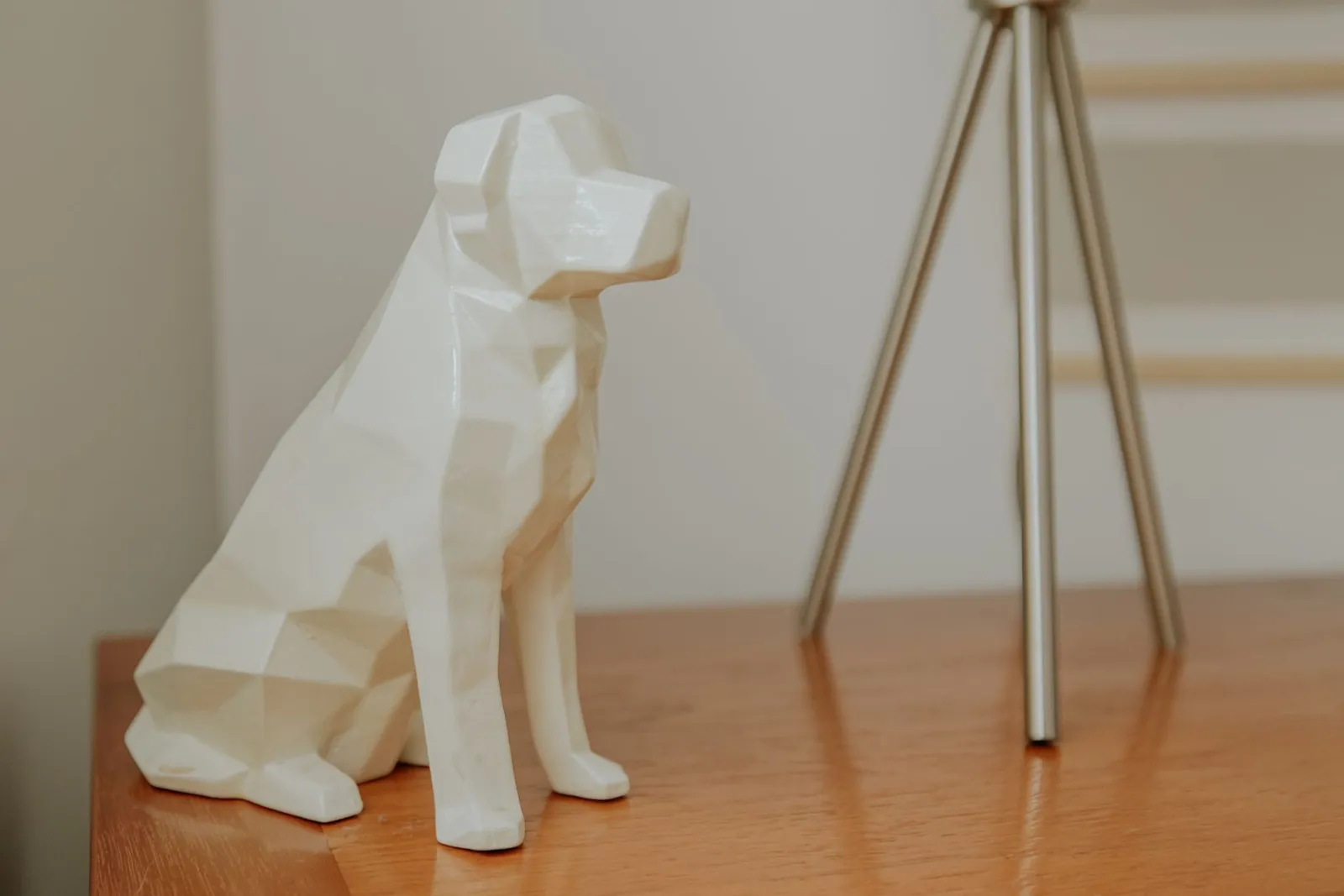
Yes, if you choose restrained pieces — a framed print, a sculptural object in a neutral finish, a subtle textile. Avoid novelty shapes and bright cartoon motifs in rooms meant for calm and conversation.
Conclusion: choose for the life you actually live
Dog-themed home decor succeeds when durability, cleanability, safety, scale, style, placement, and upkeep all line up with your household. Start with the pieces your dog will physically encounter, test stability and wipeability before committing, and keep the theme to a few well-chosen accents. For a broader look at decorating around pets and family life, a more complete guide on the general theme is available on the site.
Go further : What is the easiest dog for beginners?
Work out your own case in 30 seconds:
Methodology
This calculator produces an indicative estimate based on the parameters you enter. The ranges used reflect typical market tiers in the pets space and are neither a commercial offer nor a guarantee. Prices and availability may vary.
Was this guide helpful?
Share your experience with the WiseHomeGuides community.