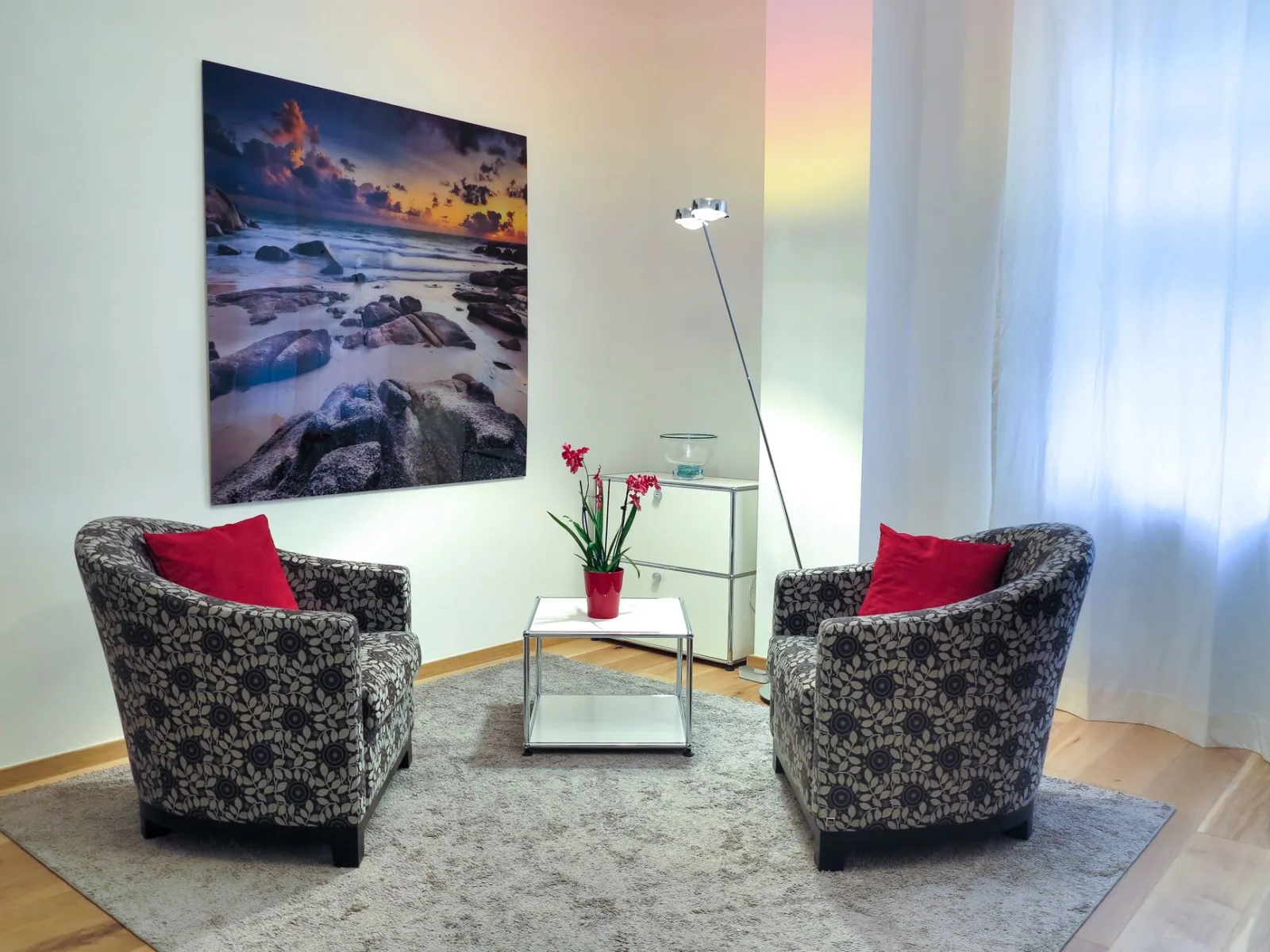
Short answer : A floor lamp from Argos is a practical way to add overhead-style light without ceiling work, and the range covers reading lamps, arc designs and adjustable task models. When choosing one, check the height against your seating so the shade sits near eye level when you are seated, and confirm the base is heavy enough to stay stable on carpet or near pets. Think about the bulb fitting and whether you want a dimmable or switched option, plus where the cable will run so it does not become a trip hazard in a busy room.
In short
- Measure ceiling height and seating position before buying so the shade lands at a comfortable level.
- A weighted base matters on carpet and in homes with pets that brush against the lamp.
- Check the bulb fitting and wattage the lamp accepts before you commit to a model.
- Choose an adjustable or arc design when the lamp must light both a sofa and a reading chair.
- Plan the cable route and switch position so the lead does not cross a walkway.
What Is a Floor Lamp and Why It Matters in Your Home
A floor lamp is a freestanding light fixture that rests directly on the floor rather than on a table or desk, consisting of a weighted base, a vertical stem or pole, and a shade or diffuser at the top that directs light into the room. Unlike ceiling fixtures, which are fixed in place and require an electrician to move, a floor lamp can be repositioned at will, which makes it one of the most flexible lighting tools in a home. Most designs fall into a few broad categories: task lamps with adjustable arms or heads that aim light at a specific spot, reading lamps with shades that throw a concentrated pool of light downward, and ambient or torchiere styles that bounce light off the ceiling to brighten a whole room indirectly.
The reason a floor lamp matters is that overhead lighting alone rarely produces a comfortable room. A single ceiling fixture tends to flatten a space, casting even light that leaves corners dim and eliminates the contrast that makes a room feel layered. A floor lamp adds a second, lower source of light at roughly seated eye level, which softens shadows, reduces glare, and gives a room depth. In practice, combining a ceiling light with one or two floor lamps lets you switch between bright general illumination for cleaning or hosting and a softer, localized glow for relaxing in the evening.
Floor lamps also solve practical problems that other fixtures cannot. In a rented flat where you cannot rewire or install new ceiling points, a floor lamp is the simplest way to add light exactly where it is needed. In a living room with no convenient side table, it provides reading light without consuming surface space. In a bedroom corner or a home office, an adjustable task lamp can be angled over a chair or desk and then turned away when the work is done. Because they need only a nearby wall socket, they work in hallways, alcoves, and finished basements where permanent wiring is awkward or expensive.
Choosing well comes down to a few concrete considerations. Height matters: a lamp whose shade sits below shoulder height when you are seated will glare into your eyes, while one that is too tall can overpower a small room. The base should be heavy enough and wide enough that the lamp does not tip when nudged, particularly in households with children or pets. Shade shape controls the spread of light — a narrow shade concentrates it for reading, while a wide or open shade spreads it more evenly. Finally, think about the switch: a foot-operated or inline switch is far more convenient than one hidden under the shade, especially when the lamp sits behind a sofa or chair.
Key Features to Consider When Choosing a Floor Lamp
Before you compare styles or finishes, it helps to understand which technical and practical factors actually shape how a floor lamp performs in daily use. The first is light direction and purpose. Uplighters bounce light off the ceiling to create soft ambient illumination, which suits living rooms and corners where you want atmosphere rather than a focused beam. Task-oriented designs direct light downward or can be angled, making them better for reading chairs, desks, or hobby areas. Many floor lamps fall somewhere in between, and adjustable heads or arms give you the flexibility to shift between ambient and directional use.
Height and proportions matter as much as the light itself. A lamp that is too short next to a sofa or armchair tends to glare into the eyes of anyone seated, while an overly tall model can dominate a small room. As a rule of thumb, the shade should sit roughly at or slightly above eye level when you are seated, so the bulb is shielded from direct view. Consider the footprint too: a slim base fits neatly beside a narrow reading nook, whereas a weighted or tripod base offers more stability in busier rooms and high-traffic spots.
Control over brightness and colour temperature strongly affects usability. A dimmable lamp lets you move from bright light for reading or crafts to a low glow for evening relaxation without changing bulbs. Where dimming is not built in, an inline switch or a compatible dimmable bulb can achieve a similar effect. Colour temperature is worth checking as well: warmer light tends to feel cosy and is often preferred in lounges and bedrooms, while cooler, brighter light suits tasks that demand concentration. Some lamps offer adjustable colour settings, which adds versatility if the lamp will serve more than one role.
Build quality and safety deserve attention, especially in households with children or pets. A sturdy, well-weighted base reduces the risk of tipping, and a shade that stays cool or is positioned away from easy reach is safer in family spaces. Cable length and switch placement influence where the lamp can realistically stand relative to a socket, and a foot switch is convenient when your hands are full. Finally, think about maintenance: shades and joints that are easy to clean and bulbs that are simple to replace will keep the lamp useful for years rather than becoming a hassle. Matching these features to how and where you will actually use the lamp is the surest way to choose well.
Types of Floor Lamps: Reading, Arc, and Task Lighting
Floor lamps are not a single category of product. The way a lamp directs its light determines what it is actually good for, and choosing well means matching the light pattern to the activity it will serve. Reading lamps, arc lamps, and task lamps each solve a different problem, and understanding those differences is more useful than comparing decorative finishes.
Reading floor lamps are built around a focused, adjustable light source. The shade is typically compact and angled downward, often on a pivoting or tilting arm, so the light falls onto a book, a chair, or a lap rather than flooding the room. The practical requirement here is control: you want a pool of brighter light over the page with minimal glare spilling into the eyes of someone sitting beside you. A reading lamp works best placed just behind and slightly to the side of the seat, at roughly shoulder height when you are seated, so the light comes over your shoulder onto the page. These lamps suit a corner armchair, a bedside position, or the end of a sofa where one person reads while others watch television.
Arc floor lamps take the opposite approach. A long curved arm carries the shade out over a seating area, so the base sits well away from the furniture and the light arrives from above, often from a considerable height. This makes them useful where floor space is tight but overhead light is missing, such as above a low sofa or a dining nook that has no ceiling fixture. The trade-off is that arc lamps generally spread light more broadly and less precisely than reading lamps, so they work as ambient or accent lighting rather than as a light for close work. Because the arm extends far from the base, stability matters: check that the base is heavy enough for the reach of the arm, and place it where it will not be knocked.
Task floor lamps sit between these two. They are designed for practical work at a desk, a hobby table, or a craft station where a table lamp would crowd the surface. The head is usually directional, and the lamp is tall enough to throw light down onto the work area from above and slightly forward. Look for a head that can be aimed independently of the stand, and a height that puts the light source above eye level when you are seated, which reduces shadows cast by your own hands.
In practice, many rooms need more than one type. A reading lamp beside the main chair, an arc lamp providing general light over the seating group, and a task lamp at a desk each do a distinct job, and combining them gives layered light that is more comfortable than a single bright source. When choosing, start from the activity, then work back to the shape of the light.
How to Match a Floor Lamp with Your Interior Style
Matching a floor lamp to your interior style comes down to reading three signals in a room: the dominant materials, the visual weight of the furniture, and the overall level of ornament. Start with materials. A room anchored by pale oak, linen, and matte plaster reads as calm and natural, so a lamp with a wood-toned base, a fabric drum shade, or a woven or paper shade will feel native to that space. In a room with lacquered surfaces, glass, polished metal, or dark stone, a slim metal stem with a crisp shade fits the sharper edges. When a room mixes both, choose the lamp that echoes the material you want to reinforce rather than the one you want to soften.
Visual weight matters as much as finish. In a small living room or a bedroom with low furniture, a floor lamp with a thin stem and a compact shade keeps sightlines open and does not crowd the seating. In a double-height space or a room with a heavy sofa and deep armchairs, an oversized shade or a substantial base gives the lamp enough presence to hold its corner. As a rule of thumb, the shade should sit roughly at eye level or slightly below when you are seated, so the light falls where you read or converse rather than into your eyes.
Style families give you a useful shortcut. In a contemporary or minimalist room, favor clean geometry: a straight stem, a simple cylindrical or cone shade, and a single neutral finish, letting the light do the work. In a traditional or transitional room, a turned base, a pleated or tapered fabric shade, and warm brass or bronze tones sit comfortably alongside moldings and classic upholstery. For industrial or loft spaces, exposed hardware, a tripod base, or a large metal shade suits brick, concrete, and raw timber. In a Scandinavian-leaning room, light wood, white metal, and an unlined fabric shade keep the palette airy.
Function should narrow the choice further. A reading lamp beside an armchair wants a shade you can angle or a design that throws light downward in a focused pool, while an ambient lamp in a corner is better with a diffusing shade that spreads a soft glow across the ceiling and walls. If the lamp shares a room with a task like a desk or a dining table, keep its output secondary so it complements rather than competes with the main light source. Consider the switch too: a foot switch suits a lamp placed behind a sofa, while a reachable inline or stem switch works better beside a chair.
Finally, treat the lamp as part of the room’s rhythm rather than a standalone object. Repeat a finish already present in the door handles, curtain rod, or table legs so the lamp feels intentional, and keep the shade’s color within a shade or two of the wall or upholstery for a quiet look, or use it as the one contrasting note in an otherwise restrained scheme. Before committing, check the lamp’s height against the furniture it will stand beside and confirm the shade does not block a walkway or a view. A lamp that fits the room’s materials, weight, and daily use will look styled even when nothing else in the space changes.
Placement Tips for Floor Lamps in Living Rooms and Bedrooms
Placement is what separates a floor lamp that simply fills a corner from one that genuinely shapes how a room feels and functions. The first decision is the lamp’s job: is it there to light a reading chair, to wash a wall with soft ambient glow, or to anchor a seating arrangement visually? A reading lamp needs to sit close to the chair or sofa, with the shade roughly at seated eye level so the light falls onto the page rather than into the reader’s eyes. An ambient lamp, by contrast, works better set back from the main seating group, near a wall or in a corner, where its light can bounce and spread instead of creating a bright hotspot. Deciding the purpose first prevents the common mistake of buying a striking lamp and then hunting for somewhere to put it.
In living rooms, the strongest placements follow the architecture of the seating area. Tuck a floor lamp just behind or beside the end of a sofa to frame the conversation zone and add a layer of light at the height people actually sit. Placing one in a dark corner opposite a window balances the daylight during the day and gives the room depth after dark. Avoid positioning a lamp directly in front of a walkway between the door and the main seating, where it becomes an obstacle; instead, let it sit slightly outside the traffic path. When a room has a focal point such as a fireplace or a media unit, a pair of floor lamps flanking it can create symmetry, though a single lamp offset to one side often feels more relaxed and less formal.
Bedrooms call for gentler placement. A floor lamp beside a bed can replace a bedside table lamp when table space is scarce, but keep the shade above mattress height and angled so the light does not shine across a sleeping partner. In a reading nook or beside an armchair, position the lamp so the shade sits just above and slightly behind the shoulder of the person seated. For general bedroom ambiance, a lamp placed in a corner away from the bed casts a soft wash that is easier on the eyes than overhead light, which is why many people prefer to leave ceiling fixtures off in the evening and rely on floor lamps instead.
Scale and proportion matter as much as position. A tall lamp in a low-ceilinged room can crowd the space, while a short lamp beside a deep sofa can look lost and throw light at an awkward angle. As a rule of thumb, the top of the shade should sit somewhere between the height of the sofa back and the height of the tallest seated person’s shoulder, so the light is usable without glare. In larger rooms, a lamp that feels slightly oversized reads as intentional; in small rooms, a slimmer profile keeps sightlines open. Finally, think about the cord and switch: placing a lamp near an outlet and within easy reach of a seat means it will actually be used, and a foot switch or inline switch is far more convenient than fumbling behind furniture.
Energy Efficiency and Bulb Options for Floor Lamps
When choosing a floor lamp, the bulb you put in it matters as much as the fixture itself. The light source determines how much electricity the lamp draws, how often you need to replace it, and what kind of atmosphere it creates in the room. Before buying, check the lamp’s stated bulb compatibility and maximum wattage, since this tells you which options are safe and practical. A fixture designed for a low-wattage bulb will not perform well with a high-output one, and exceeding the recommended rating can shorten the lamp’s life or create a safety risk.
LED bulbs are the most efficient choice for most floor lamps today. They convert a large share of the electricity they use into light rather than heat, so a modest wattage produces brightness comparable to a much higher-wattage traditional bulb. This makes them well suited to lamps that stay on for long evening stretches, such as a reading lamp beside an armchair or a corner lamp that lights a living room after dark. Because they run cooler, they are also a sensible option for enclosed or fabric shades where heat buildup would otherwise be a concern.
Compact fluorescent bulbs offer good efficiency too, though they take a short time to reach full brightness and are less pleasant to dim. Halogen and traditional incandescent bulbs are the least efficient: they give off a great deal of heat for the light they produce and use noticeably more electricity for the same brightness. They can still suit a lamp used only briefly, but for a fixture that runs for hours each day, the running cost adds up quickly compared with an LED equivalent.
Colour temperature is worth considering alongside efficiency. Bulbs described as warm white tend to feel cosy and are a natural fit for living rooms and bedrooms, while cooler, whiter light suits task lighting such as reading or working at a desk. If your lamp has a dimmer or a three-way switch, confirm the bulb is rated for dimming, otherwise it may flicker or behave unpredictably at lower settings.
Finally, think about how the lamp will be used. A lamp left on for long periods benefits most from an efficient LED, while an accent lamp switched on only occasionally is less sensitive to running costs. Matching the bulb type to the lamp’s rating, the shade’s ventilation, and your daily usage pattern keeps the fixture both functional and economical over time.
Safety Considerations for Floor Lamps with Pets and Children
Floor lamps introduce two distinct hazards in a home with pets and young children: the risk of the lamp tipping over and the risk of the electrical cord or bulb being reached. The most important physical factor is stability. A lamp with a wide, heavy base is considerably harder to knock over than one with a slim, lightweight foot, and a tall, top-heavy design is more vulnerable to a bump from a running dog or a child leaning against it. When choosing a floor lamp for a household with pets or toddlers, weight distribution matters more than overall style: a substantial base that sits low to the ground resists tipping far better than a decorative pedestal that looks elegant but shifts easily. If the lamp will stand in a busy walkway or near a play area, anchoring it to the wall with a furniture strap or placing it behind a heavier piece of furniture reduces the chance of an accidental topple.
Cord management is the second practical concern. A loose power cord trailing across the floor is a tripping hazard for adults and an inviting chew toy for puppies and cats. Routing the cord along a wall, tucking it behind furniture, or using a cord cover keeps it out of reach and reduces the risk of a pet chewing through the insulation. For households with rabbits or rodents that roam free, cords should be kept off the floor entirely, since these animals tend to gnaw on anything within reach. A lamp positioned close to a wall outlet shortens the exposed cord length and simplifies this task.
Heat is the third consideration. Traditional incandescent bulbs and halogen bulbs run hot enough to cause a burn if a child or pet touches the shade or bulb directly, and a cat brushing against a hot shade can react suddenly and knock the lamp over. Choosing a lamp that accepts cooler-running bulbs, or one with a shade that fully encloses the bulb, lowers this risk. Keeping the lamp switched off when unsupervised, and choosing a design where the bulb is not exposed at the top or sides, are simple precautions.
Placement ties these factors together. A floor lamp set in a corner, beside a sofa, or behind a side table is far less likely to be bumped than one standing in the middle of a room or beside a doorway. Keeping the lamp away from the edges of play areas and out of the path between a pet’s bed and its food bowl reduces accidental contact. For homes with climbing cats, a tall lamp should be weighted at the base or placed where a jump onto the shade is unlikely. Finally, checking that the lamp has a stable switch and no exposed wiring, and replacing any damaged cord promptly, keeps the fixture safe over time.
Maintenance and Care for Long-Lasting Floor Lamps
Dust is the most common reason a floor lamp starts to feel dim or unreliable, and it accumulates on the shade, the bulb surface, and the inner reflector far faster than most people expect. A quick pass with a dry microfiber cloth over the shade and a gentle wipe of the bulb once it has fully cooled will keep light output consistent and prevent overheating, since a dusty bulb traps heat against the glass. For fabric shades, a soft brush attachment on a vacuum works better than a damp cloth, which can leave water marks or distort the fabric. Metal and painted finishes should be wiped with a barely damp cloth and dried immediately, while exposed brass or copper benefits from an occasional application of a thin protective wax to slow tarnishing. Avoid abrasive cleaners and solvents, which dull lacquered finishes and can remove printed patterns.
The switch, cord, and plug deserve routine inspection because they are the parts most likely to fail silently. Check the cord periodically along its full length for cracks, kinks, or flattening where it passes under furniture or against a wall, and confirm the plug fits snugly in the socket without wobble. If the lamp flickers when the switch is toggled or the cord is moved, stop using it until the connection is checked, as loose wiring is a genuine fire risk. Keep the cord away from radiators and never run it beneath a rug, where heat builds up and foot traffic grinds the insulation. For lamps with a foot switch, keep the mechanism free of dust and grit so it continues to click cleanly.
The base and joints are where stability is won or lost. On weighted or tripod bases, tighten any visible screws or bolts a couple of times a year, since vibration and movement gradually loosen them. If the lamp has an adjustable arm or a pivoting head, clean and lightly lubricate the joint only if the manufacturer specifies a lubricant; otherwise, simply keep the joint free of dust and avoid forcing it past its intended range, which is the usual cause of a sagging or floppy arm. On tall lamps, check that the base sits flat and that adjustable feet, where present, are evenly set so the lamp does not rock.
Bulb choice and replacement affect both performance and longevity. Always match the bulb type and wattage to what the fixture specifies, and switch the lamp off and let the bulb cool before handling it, since oils from skin can shorten the life of some bulb types. When a bulb fails repeatedly in the same socket, the cause is usually a loose connection or a fixture rated below the bulb’s demand rather than a faulty bulb. Keeping a spare of the correct type on hand avoids the temptation to fit an oversized bulb that runs too hot for the shade.
Storage and seasonal care matter for lamps that move between rooms or go into storage. Before storing, unplug the lamp, remove the bulb, and wrap the shade separately to prevent dents and fabric creases. Coil the cord loosely rather than wrapping it tightly around the stem, which stresses the internal wires. A lamp treated this way will hold its finish, stay steady, and light a room reliably for years rather than months.
Floor Lamps vs. Table Lamps: Which Suits Your Space?
When deciding between a floor lamp and a table lamp, the first thing to assess is what surface space you actually have. A table lamp needs a stable, dedicated surface at roughly waist or chest height: a side table beside a sofa, a bedside nightstand, a console in a hallway, or a desk. If that surface is already crowded with books, plants, or a charging station, adding a lamp creates clutter and forces you to rearrange everything around it. A floor lamp asks for nothing more than a patch of open floor, which makes it the more practical choice in rooms where horizontal surfaces are scarce or where you want to keep them clear for daily use.
The second criterion is the height and direction of the light you need. Table lamps sit low, so they cast light downward and outward at close range, which suits reading in an armchair, task work at a desk, or a soft pool of light on a nightstand. Floor lamps stand tall and can throw light across a wider area, either upward for ambient glow or downward over a seating group. In a living room with high ceilings or a dark corner, a floor lamp generally fills the vertical space better, while a table lamp tends to feel more intimate and contained.
Think about how the room is used and how often you move things. Table lamps are easy to relocate, swap between rooms, and store, which helps in rented flats or rooms whose layout changes with the seasons. Floor lamps are heavier and usually stay put once placed, but that permanence is an advantage in a settled living room where you want a reliable anchor of light beside a sofa or reading chair. In tight bedrooms, a slim floor lamp tucked into a corner can free the nightstand for essentials, whereas a table lamp keeps light close to the bed for late reading.
Traffic and safety matter too. A floor lamp introduces a base and a cable at foot level, so in narrow hallways, playrooms, or busy walking routes it can become a trip hazard or get knocked over. A table lamp lifted off the floor removes that risk entirely, which is why it often wins in households with young children or pets. Conversely, in a large open-plan space, a floor lamp placed behind a sofa or beside an armchair lights the seating zone without occupying the table you use for drinks and remotes.
A practical approach is to combine both rather than choose one. Use a floor lamp for overall ambient light and to define a corner or reading nook, and add a table lamp where you need focused, close-range light on a specific surface. Match the scale to the room: a tall floor lamp can overwhelm a small bedroom, while a small table lamp can disappear in a spacious living area. Judge each spot by the surface available, the height of light you need, and the foot traffic around it, and the right choice usually becomes obvious.
Budget-Friendly Floor Lamp Options Without Compromising Style
When shopping for a floor lamp on a budget, the smartest approach is to separate what actually affects how a lamp looks and performs from what merely adds cost. The shade material, the base weight, and the quality of the switch are the parts you interact with daily, so these deserve your attention. Decorative flourishes, elaborate multi-arm designs, and heavy solid-metal construction are where prices climb fastest, and they rarely change how well the lamp lights a room. A simple silhouette with a well-proportioned fabric or paper shade can look just as considered as an expensive statement piece, especially in a corner where it reads as a quiet accent rather than a focal point.
Material choice is the clearest lever for keeping costs down without a visible style penalty. Powder-coated steel and painted finishes cost far less than brushed brass or solid wood while offering a clean, modern look that suits most interiors. Lighter bases are cheaper to produce and ship, but check that the base is wide and weighted enough that the lamp will not tip when nudged, particularly in households with children or pets. A slightly heavier base is usually worth a small premium over the flimsiest option, since stability is the one compromise that shows up in daily use.
Think about where the lamp will live before deciding how much to spend. A reading lamp beside an armchair needs a shade that directs light downward and a height that puts the bulb near shoulder level when seated, so prioritize an adjustable or angled shade over decorative detailing. A lamp used mainly to soften a dark corner in the evening can be simpler and cheaper, since it only needs to cast a warm ambient glow rather than focus light on a task. Matching the lamp to a single clear job keeps you from paying for features you will never use.
Small practical details are worth a moment’s check because they determine whether a budget lamp lasts. Look for a switch that feels firm rather than loose, a cord long enough to reach your nearest outlet without an extension, and a shade that attaches securely rather than resting loosely on the frame. Compatibility with standard bulb fittings gives you flexibility to choose the warmth and brightness you want later, which matters more to the final look than the lamp’s price tag. Buying a modest lamp with a good shade and swapping in a bulb you like often beats spending more on the fixture itself.
Finally, resist the pull of trends that date quickly. Neutral shades, slim profiles, and simple finishes stay versatile across rooms and redecorations, so a low-cost lamp in a timeless shape keeps earning its place. If you want a touch of character, let a textured shade or a warm bulb do the work rather than an ornate frame. Bought this way, an affordable floor lamp reads as a deliberate choice rather than a compromise, and it leaves room in the budget for the things that genuinely improve a room.
Frequently asked questions
What should I look for when buying a floor lamp?
Start with the purpose: task lighting for reading needs a focused shade and a stable base, while ambient lighting suits a wider, softer shade. Check the base weight so it will not tip, the switch type and location, and whether the cord length fits your outlet position. Confirm the bulb type and wattage the fixture accepts, and measure the footprint so it fits without blocking walkways.
How do I choose the right height for a floor lamp?
Match the lamp to its job. For reading beside a sofa or chair, the shade bottom should sit near eye level when you are seated so light falls on the page without glare. For ambient corner lighting, a taller lamp works well. Measure your ceiling and furniture first, and check the shade does not block sightlines or doorways.
Can a floor lamp be used as the main light source in a room?
It can in small rooms or as the primary light in a corner seating area, provided the lamp gives enough brightness and spreads light well. A single narrow-beam lamp usually leaves dark zones, so pair it with a wider shade or a second light. In larger rooms, treat a floor lamp as part of a layered lighting plan rather than the only source.
Are floor lamps safe around pets and children?
Safety depends on stability and placement. Choose a lamp with a weighted base, keep cords tucked away or covered, and place the lamp where it is unlikely to be knocked. Avoid exposed hot bulbs at pet or child height, and consider a shade that encloses the bulb. Secure the cord and keep the lamp away from play areas and traffic paths.
What type of bulb is best for a floor lamp?
Use the bulb type and maximum wattage stated on the lamp’s label. For reading, a bulb with a warm-to-neutral colour temperature and enough brightness for the task works well; for ambience, a softer, warmer bulb suits. LED bulbs run cooler and use less energy, which helps in enclosed shades. Match the base fitting exactly before buying.
How do I clean and maintain my floor lamp?
Unplug the lamp before cleaning. Dust the shade with a soft brush or vacuum attachment, and wipe metal or glass parts with a barely damp cloth, then dry. Avoid harsh cleaners on fabric shades. Periodically check the cord for wear, tighten the base and joints, and replace bulbs promptly so the fixture is not strained.
Can I use a floor lamp with a dimmer switch?
Yes, if the lamp and bulb support dimming. Some floor lamps have a built-in dimmer; others work with an inline dimmer or a dimmable bulb and compatible switch. Check that the bulb is labelled dimmable, since non-dimmable bulbs may flicker or hum. Confirm the switch rating matches the bulb’s load before use.
Where can I find affordable floor lamps?
Look at general homeware stores, online marketplaces, second-hand shops and clearance sections, where basic designs are often budget-friendly. Compare the base material, shade quality and switch type rather than price alone, since a stable base and replaceable bulb matter for long-term value. Check return policies and whether the bulb is included before buying.
Read next :Fridge Magnets: Practical Guide for a Home Full of Pets · Best Lawn Mowers 2026: A Complete Buying Guide · Best Compost Bins for a Cleaner Home and Garden · Fish Tanks and Stands: A Complete Guide to Choosing and Setting Up · Compost Near Me: A Practical Home and Pet Owner’s Guide
Put it into practice : How do I choose a floor polisher’s power and accessories?
Work out your own case in 30 seconds:
Methodology
This calculator produces an indicative estimate based on the parameters you enter. The ranges used reflect typical market tiers in the eco and energy savings space and are neither a commercial offer nor a guarantee. Prices and availability may vary.
Full guide :Appliances
More from this guide :
Was this guide helpful?
Share your experience with the WiseHomeGuides community.