This article contains Amazon affiliate links. As an Amazon Associate we earn from qualifying purchases.
In short :
- Match the hose diameter to your run length first: ½ inch for small plots, ⅝ inch for most gardens, ¾ inch for long runs.
- Check the wall construction and fittings, since cheap two-layer walls kink and thin tubes kill your flow.
- Make sure it handles UV and frost, because that’s what stops cracking in UK conditions.
- A ⅝-inch hose with a multi-layer wall, brass fittings and a long warranty suits most domestic gardens.
- Ignore celebrity endorsements and feature lists — diameter, construction, fittings, flexibility and warranty are what actually matter.
What makes a garden hose worth buying in 2026?
A good garden hose in 2026 is one that delivers steady water flow, resists kinking under real-world use, and survives UV exposure and frost without cracking. Focus on five things: internal diameter, wall construction, fittings, flexibility across temperatures, and warranty length. Everything else is secondary.
Most hoses fail for boring reasons. A cheap two-layer wall kinks at the reel, a thin inner tube restricts flow to a trickle, or the connectors leak at the tap after one season. Choosing well means understanding what each specification actually does in your garden, not chasing the longest list of features. The criteria below are the ones that matter when you’re standing in an aisle or scrolling a product page.
What internal diameter should you choose?
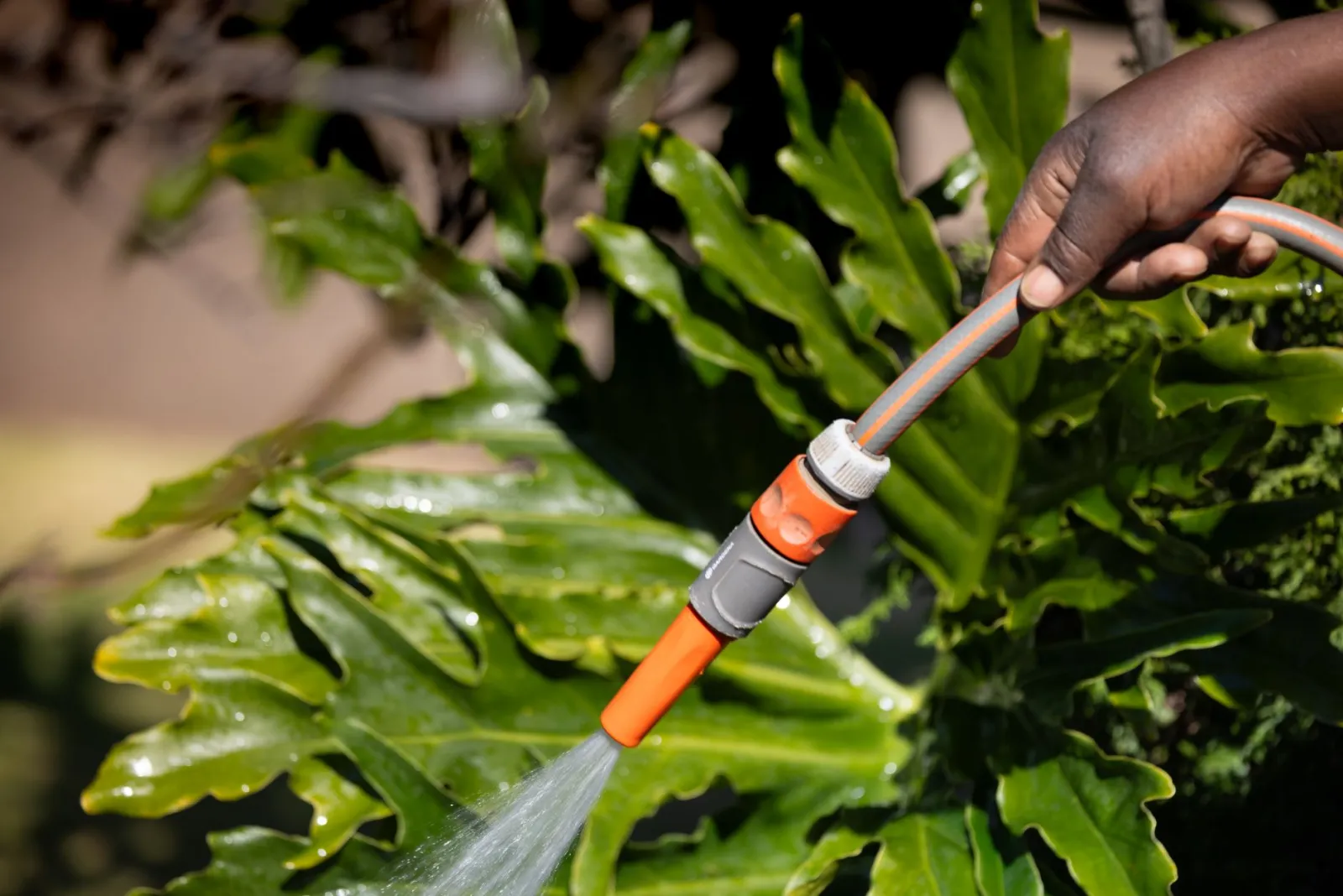
Match the diameter to the distance and the flow you need. A 12.5 mm (½ inch) hose suits small gardens and short runs; 15 mm (⅝ inch) is the versatile middle ground for most domestic plots; 19 mm (¾ inch) is for long runs or high-demand watering where pressure matters.
Diameter governs flow more than pressure does. A narrow hose over a long distance loses considerable flow to friction, so a sprinkler at the far end of a 30-metre ½-inch run often underperforms compared with the same sprinkler on a ⅝-inch hose. If your tap is at one corner and your beds at the other, going up one size is usually the smarter move than buying a “high pressure” hose.
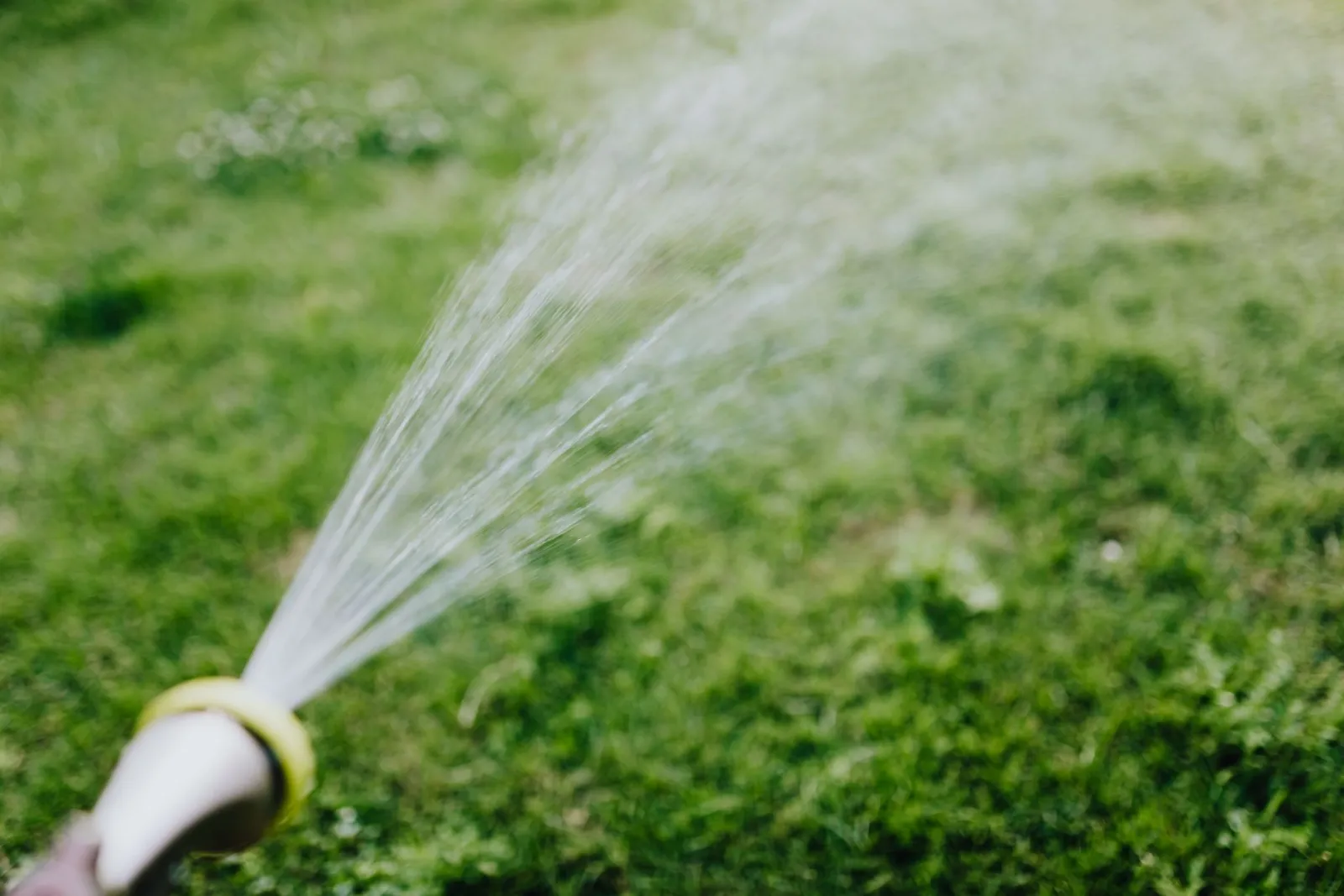
Practical test: connect the hose, run a sprinkler at the furthest point, and observe the spray pattern. Uneven or drooping arcs signal flow loss. If your garden is under about 15 metres of run, ½ inch is fine; beyond 20 metres, step up to ⅝ inch.
How much does wall construction and layer count matter?
Layer count is a useful shorthand, but the quality of each layer matters more than the number. A three-layer hose with a smooth inner liner and a reinforcing mesh typically outperforms a five-layer hose built from cheap compounds.
Look for a smooth inner tube (it reduces friction and improves flow), a woven or cross-woven reinforcement (this is what resists kinking and bursting), and an outer cover that feels supple rather than waxy. A hose that feels stiff and shiny in the shop often becomes brittle after a summer on the lawn.
At home, do the “coil test”: unroll three metres on a flat surface, then try to fold it back on itself. A well-built hose resists the fold and springs back; a poor one creases sharply and stays creased. That crease becomes a permanent weak point.
Which fittings and connectors should you check?
Fittings cause more leaks than hose walls do. Check that connectors are solid brass or a reinforced composite rather than thin plastic, and that they’re secured with a proper clamp rather than a push-fit alone.
Brass resists corrosion and holds its thread; plastic threads strip after a few seasons of screwing onto a tap. A quick-release coupling is convenient, but only if the O-ring is replaceable — otherwise the whole connector becomes waste when the seal perishes.
Test at home: connect to the tap, turn on full, and run your hand along each joint. Any dampness means a poor seal. Wrap a dry tissue around the joint — a wet patch after a minute tells you exactly where the leak is.
How flexible should a hose be across seasons?
Flexibility is a seasonal issue, not just a comfort one. A hose that’s supple in July can turn rigid in a cold snap, and rigid hoses crack at the bends. Look for a stated operating range that covers frost conditions if you garden in a cold climate.
Coil a metre of hose tightly and hold it for a few seconds. A good hose relaxes back toward its natural curve; a poor one keeps the kink. Also check how it behaves when empty and cold — many hoses stiffen dramatically once the water is drained, which makes winter storage and spring redeployment a wrestling match.
If you leave a hose out year-round, prioritise cold flexibility over maximum pressure rating. A hose rated for high pressure but stiff at low temperatures will fail at the reel long before it fails at the nozzle.
What pressure rating and burst resistance do you actually need?
Domestic tap pressure is typically modest, so a very high burst rating is mostly insurance against surges and accidental kinks, not a daily requirement. What matters is that the hose holds its shape under normal pressure without ballooning at the couplings.
Check the stated burst pressure and, more importantly, the working pressure. A hose with a comfortable working margin handles the occasional pressure spike when a nozzle is closed suddenly. Hoses that balloon visibly near the connector are telling you the reinforcement is weak at the joint.
Quick home check: fit a shut-off nozzle, run full pressure, then close the nozzle. Watch the hose near the tap for a few seconds. Any bulging or sweating at the joint is a warning sign.
Why does UV and frost resistance change everything?
Sun and frost are the two silent killers of garden hoses. UV exposure degrades the outer cover, causing it to chalk, crack, and eventually split; frost expands trapped water and bursts the wall from inside.
Look for a hose described as UV-stabilised and check whether it’s rated for sub-zero storage. Even a good hose benefits from being drained and stored under cover over winter, but a hose rated for cold conditions gives you a buffer if you forget.
Practical habit: after each use, drain the hose and coil it loosely rather than tightly. Tight coils under tension create permanent kinks that no amount of UV resistance will fix.
How long should a warranty be, and what does it cover?
A long warranty is only useful if it covers the failures that actually happen: kinks, splits, and coupling leaks. Read what’s excluded — wear from frost damage or improper storage is often excluded, which is precisely how most hoses die.
Compare warranty length alongside construction quality. A ten-year warranty on a well-built hose is meaningful; a twenty-year warranty on a thin wall is marketing. Think of the warranty as a confidence signal, not a substitute for checking the layers.
Keep your receipt and note the purchase date. If a hose fails within its warranty, a clear record of when and how it was used makes a claim far easier to pursue.
Frequently asked questions
What are the best garden hoses in 2026, according to reviews?
Reviews consistently favour hoses with a smooth inner liner, woven reinforcement, brass fittings, and a long warranty. The specific names change year to year, but the criteria don’t. Read reviews for patterns — repeated mentions of kinking, leaking couplings, or splitting after one season are more informative than a single glowing write-up.
What is the best garden hose on the market in the UK?
There’s no single answer, because the best hose depends on garden size, tap pressure, and how you store it. In the UK, hoses rated for cold conditions and UV exposure tend to fare better, given the climate. Match diameter to run length first, then check construction and fittings.
Which garden hose is considered the best overall?
The “best overall” label usually goes to a hose that balances flow, kink resistance, and durability across a wide range of gardens. A ⅝-inch hose with a multi-layer wall, brass fittings, and a long warranty fits that description for most domestic plots.
What garden hose does Monty Don use?
Public figures’ tool choices are often based on personal preference and aren’t a reliable buying guide. Focus instead on the criteria that apply to your garden: diameter, construction, fittings, flexibility, and warranty. Those will serve you better than any celebrity endorsement.
Practical conclusion
Choosing a garden hose in 2026 comes down to matching diameter to your run length, checking wall construction and fittings, and confirming seasonal flexibility and warranty terms. Get those right and you’ll avoid the common failures — kinks, leaks, and splits — that make a cheap hose expensive in the long run. For a broader look at the full range of options and how they compare across categories, a more complete guide on the general topic is available on the site.
Go further : What garden furniture fits a small balcony?
Was this guide helpful?
Share your experience with the WiseHomeGuides community.