This article contains Amazon affiliate links. As an Amazon Associate we earn from qualifying purchases.
In short :
- Measure what you’ll actually store first, then add a little headroom for airflow and easy access.
- Pick your material by climate and how much upkeep you’ll tolerate: plastic resists rot but can fade or crack in cold, wood looks natural but needs sealing.
- Check waterproofing and drainage carefully, since a damp box ruins whatever’s inside.
- Make sure the lid and access work smoothly for daily use, and only bother with a lock if you store valuables.
- Fit beats features every time, so match the box to your space, your contents, and your weather.
Why the Right Storage Garden Box Matters More Than You Think
A garden box isn’t glamorous. Nobody invites friends over to admire it. Yet anyone who has spent a winter tripping over coiled hoses, hunting for the secateurs, or discovering that last season’s cushions turned into a damp, mildewed mess knows the quiet frustration of a bad storage choice. The right box disappears into your routine. The wrong one becomes a daily annoyance—a lid that warps, a base that floods, a lock that seizes after the first frost.
Choosing well comes down to a handful of practical criteria, not brand names or flashy features. Below, I walk through the factors that actually decide whether a storage garden box serves you for a decade or disappoints you by the second season. Each section gives you something concrete to check, a rough benchmark to aim for, and a simple way to test it before you commit.
Capacity and Footprint: Match the Box to What You Actually Store
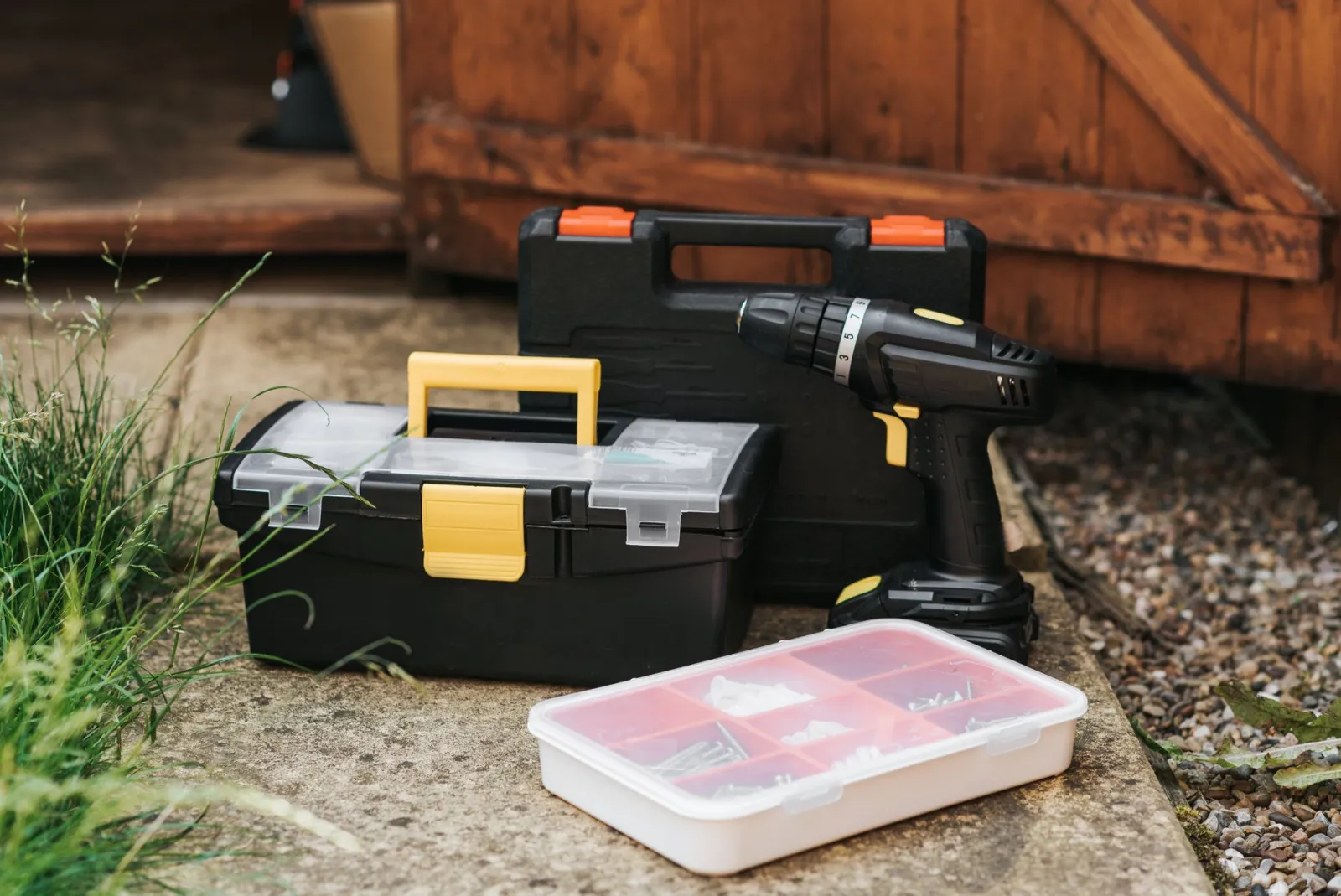
Start by listing what will live inside. Garden boxes typically hold cushions, tools, hoses, kids’ toys, firewood, or a mix. The mistake is buying by eye—a box that looks generous in the shop can swallow far less than expected once you account for awkward shapes. Cushions, for instance, don’t stack as tightly as the manufacturer’s marketing photos suggest.
As a working range, small boxes suit a few tools and gloves, mid-sized ones handle a season’s cushions or a coiled hose plus accessories, and large boxes are for bulky items like loungers or multiple cushion sets. Measure the footprint you can spare before you shop, and leave clearance for the lid to open fully—many people forget the lid arc and end up shuffling the box away from a wall every time they reach inside.
A useful home test: pile everything you plan to store in one spot and measure the pile’s height, width, and depth. That rough volume tells you more than any label. If your pile is tall and narrow, a deep box with a small footprint beats a wide, shallow one.
Material and Weather Resistance: The Make-or-Break Factor
Outdoor storage lives a hard life—sun, rain, frost, and temperature swings. The material determines how gracefully it ages. Resin and plastic resist rot and are light to move but can become brittle in sustained cold and may fade under strong sun. Wood looks warm and blends into planting schemes, yet untreated timber warps and rots unless it’s properly sealed. Metal is sturdy and secure but can rust at seams and become uncomfortably hot in direct sun.
Check how the material handles water at the joints, not just the panels. Water pools and seeps through the weakest point—usually the base and lid seal—so look for a design that sheds water rather than trapping it. UV stability matters too: a box left in full sun all day needs material rated to resist fading and cracking.
You can gauge durability at home with a simple observation. Leave a sample of the material—or an offcut if one is available—outside for a couple of weeks through rain and sun, then check for warping, discoloration, or brittleness. It’s a rough proxy, but it reveals more than a showroom finish ever will.
Waterproofing and Drainage: Keeping Contents Dry
A box that keeps rain out but traps condensation inside is a false friend. Sealed lids stop direct rain, yet warm days and cool nights create moisture that settles on your stored items. The best designs balance a tight lid with some ventilation or a raised base that keeps contents off the ground.
Look for a raised floor, a slight slope to the lid, and seals around the opening. Avoid boxes that sit flush on paving with no gap underneath—water gathers there and creeps in. If the box has no drainage, condensation has nowhere to go.
Here’s a practical test: after a heavy rain, open the lid and run a hand along the inside base. Any pooling or dampness signals a design that will eventually damage what you store. A dry interior after a downpour is the benchmark you want.
Lid, Access, and Ease of Use: The Everyday Ergonomics
You’ll open this box constantly, so how it opens matters. Hinged lids are convenient but need clearance behind and above; a lid that slams shut on fingers or requires two hands is a nuisance. Removable lids are simpler but can blow away in wind or be awkward to lift when heavy.
Consider the height of the opening relative to your reach, especially if you’ll store heavy items low down. A box that forces you to bend deeply or lift a lid overhead quickly becomes tiresome. Check whether the lid stays open on its own—gas struts or a simple prop make a real difference.
Test the motion in the shop or at home: open and close the lid several times, imagining you’re holding a cushion in one hand. If it feels awkward now, it will feel worse in the rain with cold fingers.
Security and Locking: Deterrence Without Overkill
If you store valuable tools or equipment, a lockable box adds peace of mind. But security is about deterrence, not fortress-building. A simple hasp that accepts a padlock, combined with a sturdy lid and solid hinges, discourages casual theft. Flimsy locks on thin plastic offer little more than a gesture.
Check that hinges are concealed or reinforced—exposed screws are an easy target. A lock that rusts shut after a wet winter is worse than none, so look for weather-resistant locking hardware. Balance the level of security against what you actually store; a box for kids’ toys doesn’t need the same protection as one holding power tools.
At home, test the lock mechanism after a few weeks outdoors. If it stiffens, a drop of lubricant and a design that shields the keyhole from rain will keep it working.
Assembly, Portability, and Placement
Some boxes arrive flat-packed and need assembly; others come ready to use. Assembly isn’t a dealbreaker, but check whether the fixings are weather-resistant and whether the instructions are clear. A box that wobbles after assembly suggests weak joints that will loosen over time.
Portability matters if you’ll move the box for cleaning or rearrange the garden. Heavy boxes with no handles or wheels are a pain to shift. Consider whether you need to relocate it seasonally—say, from a sunny spot to a sheltered one.
Test stability by giving an assembled box a gentle nudge; it shouldn’t rock or flex. Place it on level ground, and if it’s on soil, set it on a paved base to prevent sinking and moisture ingress.
Frequently Asked Questions
How do I know what size box I need?
Measure the volume of what you plan to store, then add a little headroom for airflow and easy access. A box that’s slightly larger than your pile is better than one that’s crammed full.
Is plastic or wood better for outdoor storage?
Plastic resists rot and is low-maintenance but can fade or crack in extreme cold. Wood looks natural but needs sealing and can warp if neglected. Choose based on your climate and how much upkeep you’re willing to do.
Do I need a lockable box?
Only if you store valuables. For everyday garden items, a sturdy lid and solid hinges are usually enough. A lock is a deterrent, not a guarantee.
Conclusion: Choosing Well Comes Down to Fit, Not Features
The best storage garden box is the one that fits your space, your contents, and your climate—not the one with the longest feature list. Prioritize capacity and footprint, then material and waterproofing, then the everyday ergonomics of the lid and access. Security and assembly are secondary unless your situation demands them.
If you want the broader picture—covering maintenance, placement, and long-term care across all garden storage—a more complete guide on the general theme is available. For now, measure your pile, check the seals, and test the lid. That’s how you choose a box that quietly does its job for years.
Go further : Best Garden Storage Box for Seniors With Back Pain
Run the numbers with our calculator : How many plants for my balcony
Was this guide helpful?
Share your experience with the WiseHomeGuides community.