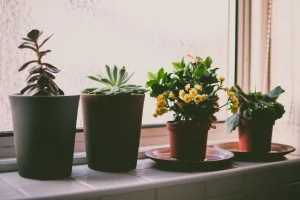
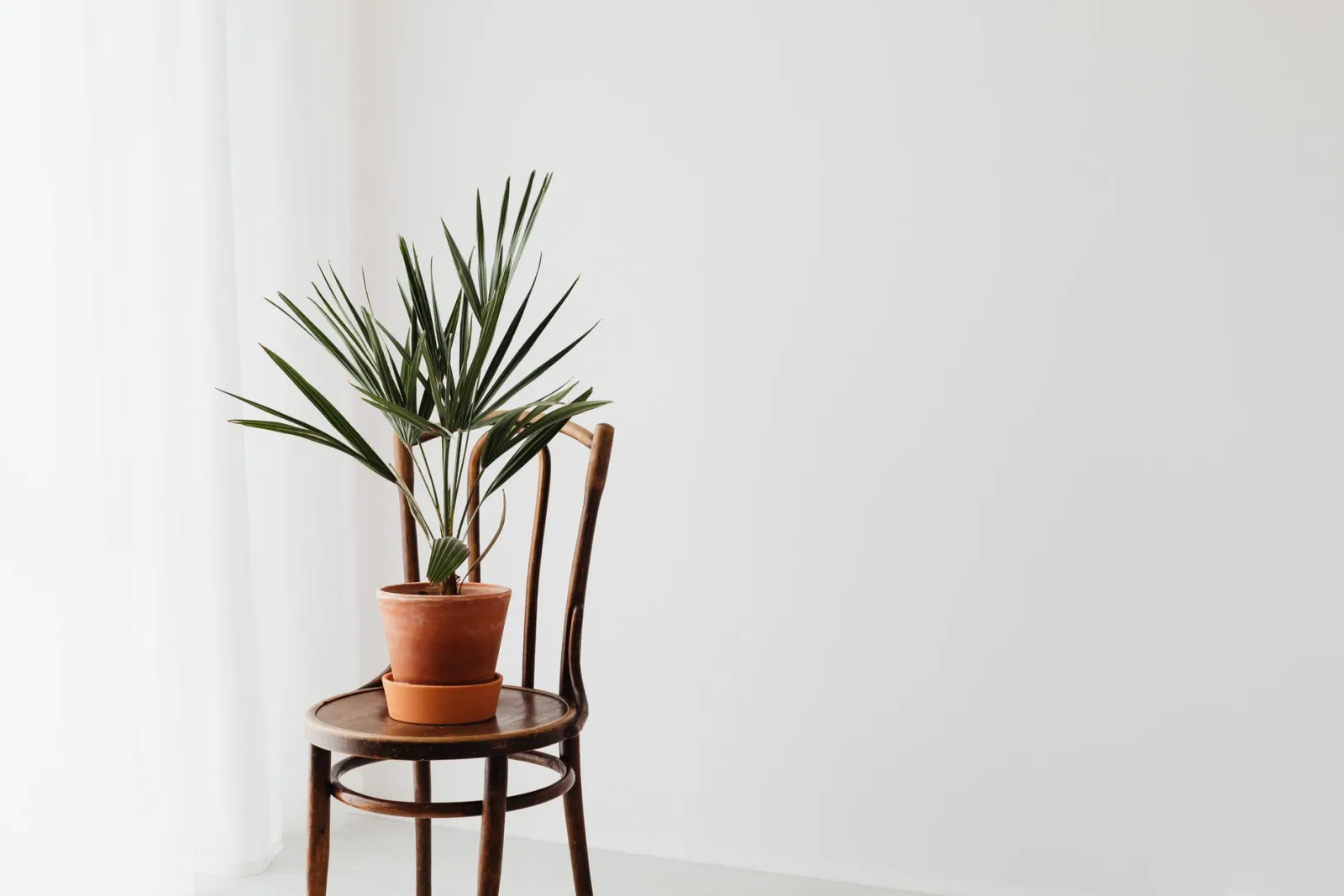
Short answer : Safe indoor plants for dogs are those that are generally recognized as non-toxic to pets when chewed or brushed against, so you can place greenery in living spaces without constant worry. The most reliable approach is to choose plants known for pet-safe status, such as spider plants, Boston ferns, and certain palms, then place them room by room according to your dog’s habits. Keep in mind that even non-toxic plants can cause mild stomach upset if eaten in large amounts, and any plant should be kept out of reach of determined chewers. A room-by-room plan helps you match plants to light levels and traffic while keeping soil, fertilizer, and fallen leaves away from curious noses.
In short
- Choose plants recognized as non-toxic to dogs, like spider plants and Boston ferns, for low-risk greenery.
- Place tall or hanging plants out of reach in rooms where your dog spends the most time.
- Keep potting soil, fertilizer, and fallen leaves cleaned up, since these can tempt chewing dogs.
- Match each plant to its room’s light and humidity rather than forcing one type everywhere.
- Rotate or elevate plants in high-traffic areas so dogs can’t easily nibble leaves or stems.
Why Indoor Plant Safety Matters for Dog Owners
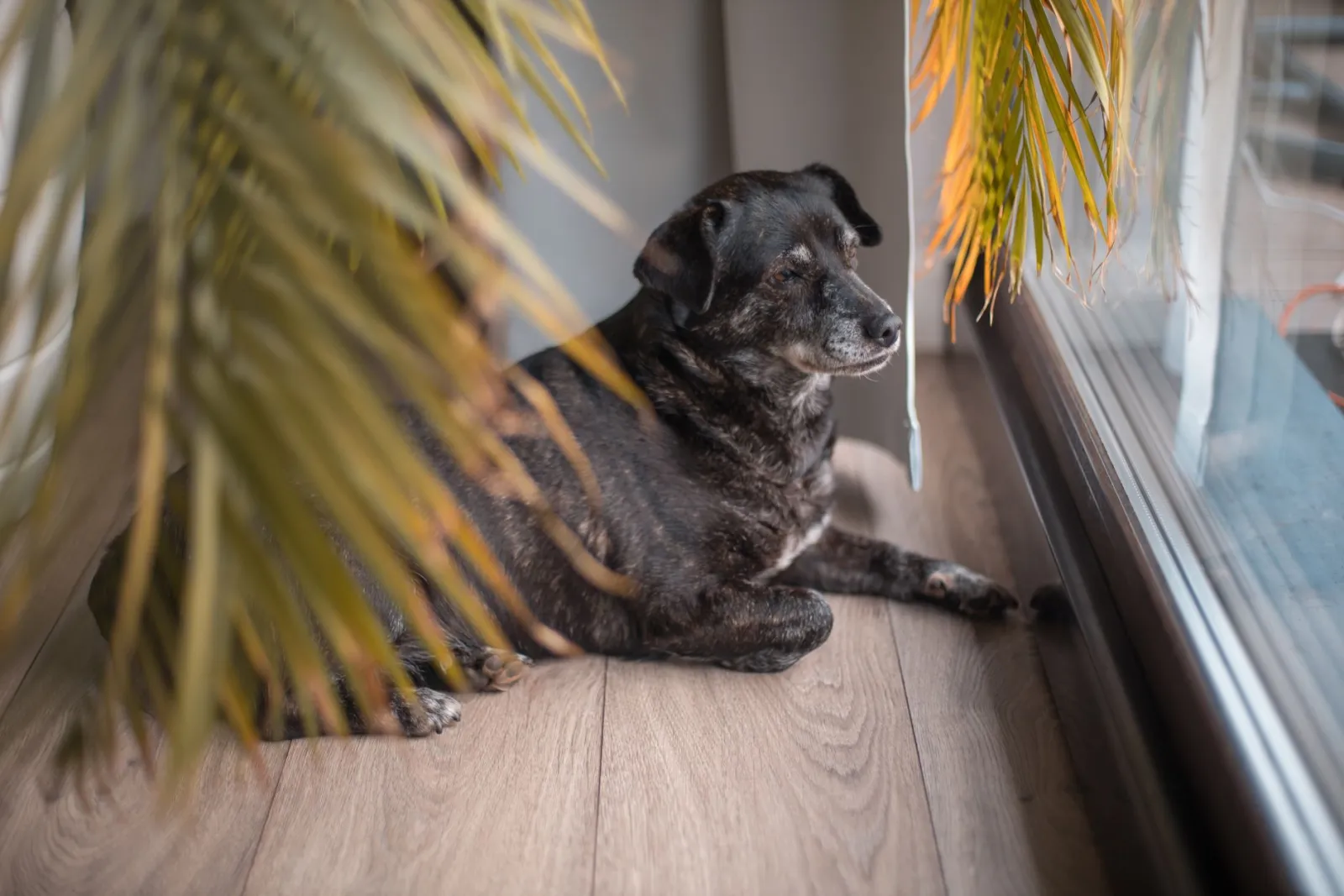
Dogs explore their environment mouth-first, and houseplants sit squarely in that path. A leaf at tail height, a pot on the floor, a trailing vine within reach of a curious nose: these are everyday encounters, not rare accidents. That is why plant safety deserves a place in your setup decisions rather than being an afterthought once a puppy arrives.
The core issue is that dogs and houseplants share the same indoor space in ways that owners often underestimate. A dog’s eye level is low, and many popular houseplants are kept on the floor, on low shelves, or in planters that a dog can easily investigate. Chewing is a normal canine behavior, especially for puppies and young dogs, and indoor plants offer an appealing texture and smell. Even a well-trained adult dog may nibble out of boredom, curiosity, or habit when a new plant appears in a familiar spot.
Safety matters because the consequences of a bad match are practical and disruptive. A dog that chews an unsuitable plant may drool, vomit, or seem uncomfortable, which means a stressful cleanup, a worried evening, and possibly a trip to the vet. Beyond the acute incident, repeated nibbling damages the plant itself, so you end up replacing greenery and rethinking your layout. The goal is not to eliminate plants but to choose ones that tolerate occasional attention and to place them where a dog cannot easily reach.
Room-by-room thinking helps because risk is not uniform across a home. A low windowsill in a hallway, a floor planter beside a sofa, or a trailing plant near a dog bed all create different levels of exposure. High shelves and hanging planters reduce access, while floor-level pots in busy areas invite investigation. Matching plant choice to placement is often more effective than relying on training alone, since a dog’s curiosity can override good manners when something new and interesting appears.
Finally, plant safety is part of general household planning, alongside keeping food, medications, and cleaning supplies out of reach. A simple habit of checking what goes into a pot, where it sits, and how easily a dog can reach it turns plant ownership into a low-stress part of daily life. The sections that follow break this down room by room, so you can build a collection that looks good and fits the way your dog actually lives.
How to Read Plant Labels and Toxicity Warnings
Plant labels are written for gardeners, not for dog owners, so the first skill to learn is translation. A tag that says “ornamental,” “tropical,” or “houseplant” tells you nothing about safety. What matters is the botanical name, usually printed in smaller italics beneath the common name. Common names are unreliable across regions and languages, while the Latin genus and species stay consistent. When a label lists only a nickname, look for the scientific name on the back of the tag or on the pot’s care card before bringing the plant home.
Toxicity warnings come in a few recognizable forms. Some nurseries print an explicit caution such as “not for ingestion” or “keep away from children and pets.” Others use a symbol system, often a small icon of a hand or a crossed-out mouth, with a key printed elsewhere on the tag or shelf. A warning phrased as “mildly irritating sap” is different from one that flags a plant as hazardous if chewed, so read the exact wording rather than scanning for the word “toxic.” If a tag carries no warning at all, treat that as silence, not as a guarantee of safety.
Pay attention to which part of the plant the warning addresses. Labels sometimes note that the berries, sap, or seeds are the concern while the foliage is not, or the reverse. For a dog that investigates pots at nose level, a warning about fallen fruit matters more than one about stems. Similarly, a plant described as safe to touch but not to eat is a poor fit for a household with a chewer, even though it poses no risk to a dog that simply brushes past it.
Labels also carry care instructions that indirectly signal risk. Plants marketed as needing “high humidity” or “keep out of reach of drafts” are often the same ones that drop leaves or exude sap when stressed, and dropped material is what dogs encounter on the floor. A tag recommending gloves during repotting is a practical hint that the sap deserves respect. Cross-check the botanical name against a reputable pet-safety plant list before purchase, and keep the original tag in a drawer so you can identify the plant later if a dog does sample it.
Understanding the Difference Between Toxic and Non-Toxic Plants
The word “toxic” gets used loosely in plant shopping, and that looseness causes two opposite mistakes: panicking over a harmless fern or bringing home a plant that can seriously harm a dog. It helps to separate the categories that actually matter. Some plants are genuinely dangerous when chewed or eaten in ordinary amounts. Some cause only mild irritation, such as drooling or mouth discomfort, and resolve on their own. Others are mechanically hazardous rather than chemically toxic, like a cactus spine or a sharp-edged leaf. And a large group is simply non-toxic, meaning a dog that nibbles a leaf is unlikely to suffer more than a bad taste. Knowing which bucket a plant falls into tells you how much caution is warranted.
The most reliable way to classify a plant is to check it against a recognized authority rather than a store label or a social media post. Veterinary toxicology databases and university extension services maintain searchable lists by common and botanical name, and they distinguish between plants toxic to dogs, plants toxic to cats, and plants safe for both. This distinction matters in a multi-pet home, because a plant that is fine for a dog may be dangerous to a cat, and vice versa. Botanical names are the key to accurate lookup, since common names overlap confusingly: several unrelated plants are all called “lily,” and only some are truly dangerous.
Toxicity is also a matter of dose and plant part, not a simple yes or no. For many plants, the highest concentration of irritating compounds sits in the sap, bulbs, seeds, or roots rather than the mature leaves. A dog that brushes past a plant is in a very different situation from a dog that digs up and chews a bulb. This is why placement and access matter as much as species selection: a mildly irritating plant kept on a high shelf is effectively a non-issue, while the same plant within reach of a bored puppy is a real risk. Think in terms of exposure, not just the plant’s label.
Practical judgment follows from these categories. If you want the lowest-risk approach, choose plants that appear on reputable non-toxic lists and place them where a dog can’t easily graze. If you already own a plant you’re unsure about, identify it by its botanical name and verify it before deciding where it lives. Keep in mind that “non-toxic” does not mean “edible” or “safe to eat in quantity” — it means a dog is unlikely to be seriously harmed by casual contact or a small nibble. No plant list replaces a conversation with your veterinarian if a dog has actually eaten something and is showing signs of distress.
The takeaway for a room-by-room plan is to sort every plant into three practical tiers: avoid entirely, keep out of reach, and low concern. That sorting, done once with reliable references, lets you decorate with confidence instead of guessing at each new purchase.
Safe Indoor Plants for Living Rooms and Bedrooms
Living rooms and bedrooms are where dogs spend the most unsupervised time, which makes plant selection there a matter of placement as much as species. The practical starting point is to favor plants with non-toxic foliage and to keep anything questionable out of reach rather than relying on training alone. A dog brushing past a low coffee-table plant, a tail sweeping a floor pot, or a curious nose investigating a bedside shelf are all routine contact points, so the safest approach is to treat the floor and low surfaces as the dog’s zone and reserve higher levels for plants.
For living rooms, choose greenery that tolerates indoor light and holds up to occasional knocks. Spider plants, Boston ferns, and parlor palms are common choices for non-toxic foliage and work well on plant stands or hanging baskets where trailing leaves stay above a dog’s reach. Larger floor specimens such as areca palms or rubber plants suit a corner but are best placed behind a low barrier or in a sturdy, weighted pot that resists tipping during play. Avoid clustering plants along walkways between the sofa and the door, since that is exactly where a dog will push through at speed.
Bedrooms call for a different logic: the dog may sleep in the room, so plants near the bed, on nightstands, or on the floor beside the mattress get close, prolonged contact. Compact, non-toxic options like certain succulents, prayer plants, or small ferns on a high shelf reduce that exposure. Keep trailing plants out of reach of a dog that likes to chew, and skip anything that drops leaves or berries onto the floor, since fallen debris is often more tempting than the plant itself.
A few concrete criteria help across both rooms. Match pot weight to the plant’s height so a nudge does not topple it, and use saucers to contain soil and water that a dog might investigate. Position plants so leaves do not hang into a dog’s standing height, and group them where a dog is less likely to loop during play. Where a plant’s status is uncertain, treat it as off-limits and relocate it rather than gamble.
Finally, think in terms of use cases: a plant near a sunny window where a dog naps, a floor pot by a sofa where toys land, or a bedside shelf within sniffing range each carries different risk. Placing non-toxic plants at height, weighting pots, and keeping the floor clear of tempting debris turns a living room or bedroom into greenery that coexists with a dog’s daily routine.
Dog-Safe Plants for Kitchens and Dining Areas
Kitchens and dining areas present a distinct set of conditions for houseplants, and they also present a distinct set of temptations for dogs. Food prep surfaces, open bins, and floor-level crumbs mean a dog’s nose is often working overtime in these rooms, which raises the odds that a plant gets investigated, nudged, or chewed. Choosing greenery that tolerates kitchen conditions while being safe around a curious muzzle is mostly a matter of matching the plant to the light, humidity, and traffic the room actually offers.
Light is the first filter. Kitchens vary enormously: a bright windowsill above a sink behaves very differently from a dim corner beside a pantry or a dining nook lit only in the evening. Several dog-safe choices are genuinely adaptable to medium light, which suits dining rooms and interior kitchen walls, while others want the stronger, more consistent light of a south- or west-facing sill. Before buying, watch where the light falls across a full day rather than guessing from a single bright moment. A plant that sulks in low light tends to drop leaves, and fallen leaves on a kitchen floor are exactly what a dog will find first.
Humidity and moisture are the second consideration. Kitchens generate steam and splashes, and a plant placed too close to a sink, dishwasher, or kettle can end up with soggy soil or scorched leaves. Position greenery a comfortable distance from splash zones and heat sources, and choose plants that tolerate ordinary indoor humidity rather than demanding constant misting. Plants that prefer their soil to dry out somewhat between waterings are forgiving in a room where watering schedules can be irregular.
Placement strategy matters as much as species. Countertops and dining tables are best treated as dog-free zones for plants, not because the plants are unsafe but because a dog stretching up to investigate can topple pots, scatter soil, and create a mess that invites further chewing. Floor-standing plants in sturdy, weighted containers are more stable around a dog that brushes past. Hanging planters and wall-mounted holders keep foliage out of reach entirely and suit smaller kitchens where floor space is tight.
For the dining area specifically, think about sightlines and routine. A plant set in the middle of a table or on a low sideboard sits right where a dog passes on its way to and from meals, so it will be inspected regularly. Taller floor plants placed against a wall, away from chair legs and walking paths, are less likely to be disturbed. Finally, remember that even dog-safe plants can cause stomach upset if a dog eats a large quantity of foliage, so keeping plants physically out of reach remains the simplest safeguard in the rooms where food and dogs already share space.
Pet-Safe Options for Bathrooms and Low-Light Corners
Bathrooms and dim corners are often treated as plant dead zones, but they suit a specific group of houseplants that tolerate low light and, just as importantly, are not a hazard to a curious dog. The main challenge is matching the plant to the conditions rather than forcing a light-loving species into a dark room. Before choosing anything, look at how much natural light the space actually receives: a bathroom with a frosted window or a bright skylight behaves very differently from an interior hallway with no window at all. Plants that manage in genuinely low light tend to grow slowly and need less water, which is convenient in a room where humidity stays high and soil dries out more slowly than elsewhere.
For bathrooms with some indirect light, several dog-safe choices work well. The parlor palm and other small palms tolerate moderate shade and handle the occasional burst of bathroom humidity without complaint. Spider plants are another reliable option; they accept lower light and their arching leaves stay out of reach on a shelf or hanging basket, which keeps them clear of a dog that likes to investigate. Boston ferns appreciate the moisture in the air and do well in a bathroom that stays bright but never sunny. These plants are non-toxic to dogs, so a dropped frond or a leaf nibbled at the edge is not a concern in the way it would be with many common decorative houseplants.
For truly dim corners with little or no natural light, be realistic about what will survive. Most plants described as low-light still need some ambient daylight to stay healthy over months, and a windowless interior corner will eventually weaken even tolerant species. A practical approach is to rotate plants between a brighter room and the dim spot every few weeks, or to choose the hardiest shade-tolerant, dog-safe plants and accept slower growth. Cast iron plants and snake plants are frequently recommended for low light and are considered non-toxic to dogs, though their tolerance should not be read as a substitute for at least indirect light.
Placement matters as much as species selection. In a bathroom, keep plants on high shelves, wall-mounted holders, or the back of a deep ledge so trailing leaves are out of reach of a dog that jumps or mouths things. Floor-level pots invite digging and chewing, so reserve the floor for sturdy, larger specimens only if your dog shows no interest. Also consider the practical side of a humid room: saucers and drip trays prevent water damage, and a pot that drains freely keeps roots from sitting in stagnant water, which is better for the plant regardless of the room.
Finally, treat the bathroom as a rotation station rather than a permanent home for most greenery. Ferns, spider plants, and small palms can spend stretches in the humidity, then move to a brighter spot to recover. This keeps the display looking healthy and gives you flexibility without relying on plants that need strong light. Whatever you choose, confirm each species is listed as non-toxic to dogs before it goes in, since bathroom décor is often within easy reach of a pet passing through.
Plants to Avoid: Common Houseplants That Are Toxic to Dogs
Before you fill a shelf or a windowsill, it helps to know which familiar houseplants are the ones most often flagged as a concern for dogs, so you can either skip them or place them well out of reach. The plants below are common in homes precisely because they are easy to grow and attractive, which is exactly why they end up within a dog’s reach.
Several popular statement plants are widely listed as problematic. Lilies, sago palms, and dumb cane are frequently named among the more serious offenders, and they tend to be large floor plants that sit right at a curious dog’s nose level. Aloe vera, pothos, and philodendron are equally common and are often kept on low tables or trailing from shelves where leaves dangle into reach. English ivy, dieffenbachia, and oleander round out the list of plants worth keeping off the floor entirely. The pattern is clear: the trailing, leafy, and floor-standing plants are the ones most likely to be investigated.
The practical lesson is about placement as much as avoidance. A trailing pothos on a high shelf is a different risk than the same plant on a low console, because dogs explore with their mouths and a hanging vine invites a tug. If you already own one of these plants and are attached to it, treat it as a display piece for high, stable spots rather than a floor plant, and keep dropped leaves and trimmings off the ground, since fallen foliage is easy for a dog to mouth during a wander.
Watch for the everyday situations where exposure becomes likely: repotting sessions that leave soil and cuttings on the floor, pruned stems set down temporarily, and plants near a dog’s favorite sleeping or chewing spot. A dog that chews furniture or digs in the yard is a stronger candidate for investigating a low plant than a dog that ignores greenery entirely, so match your caution to your dog’s habits.
The simplest safeguard is a quick check before any plant comes home: confirm it is described as dog-safe, then decide where it will live based on your dog’s reach. When in doubt, choose a plant you can hang or elevate, and keep the toxic list in mind as a “not on the floor” rule rather than a blanket ban.
Placement Strategies to Keep Plants Out of Reach
Placement is the first line of defense, and it works best when you think in vertical zones rather than flat floor space. Dogs experience a room from the ground up: noses near the baseboards, paws on the sofa, and, for larger or more determined animals, hind legs on a chair seat. A plant that is safe on a high shelf can become reachable the moment a dog learns to climb onto furniture, so the practical rule is to place greenery above the height a dog can reach when standing on its hind legs, not just when standing on the floor. For most dogs this means keeping soil-level pots well above waist height, and for athletic climbers it means treating the top of a low bookcase as ground level.
Hanging planters solve the problem differently and suit rooms where floor and shelf space are limited. The key detail is the drop length: a hanging basket is only out of reach if its lowest point, including trailing vines, stays above the dog’s jumping and stretching zone. Trailing plants are the usual failure point, because a vine that dangles to within sniffing distance invites tugging, and a pulled vine can bring the whole pot down. Choose hangers with a short drop over high-traffic areas, and reserve longer, cascading displays for corners the dog rarely visits.
Room by room, the logic shifts. In living rooms, the risk concentrates around sofas and coffee tables, where a dog may stand on cushions to investigate a side table. Wall-mounted shelves and tall, narrow plant stands placed behind furniture work well here, and plants set on the mantel or a high ledge stay clear. In bedrooms, bedside tables and dressers are common temptation points; a plant on a low nightstand is effectively at floor level for a curious dog. Kitchens and bathrooms bring moisture and dropped leaves, so keeping plants on high windowsills or wall brackets reduces both access and mess.
Barriers add a second layer when height alone is not enough. A closed glass cabinet, a gated shelf, or a room the dog cannot enter without supervision all remove the opportunity entirely. For floor-standing large plants, a heavy pot that resists tipping and a position tucked behind furniture narrows the approach. The goal is not to make a room unwelcoming but to make the plant awkward to reach, so the dog loses interest before it makes contact.
Finally, match placement to the individual dog. A calm senior that never jumps needs far less height than a young, agile dog that explores every surface. Watch where your dog naturally goes, note the furniture it climbs, and set plants just beyond that reach. Reassess whenever you rearrange a room or bring home new furniture, since a moved chair can turn an unreachable shelf into a stepping stone.
Signs Your Dog Ate a Toxic Plant and What to Do
Recognizing that a dog has nibbled something toxic is often less about dramatic symptoms and more about pattern-matching small changes in behavior. The most common early signal is gastrointestinal upset: vomiting, drooling, or a sudden loss of appetite that appears shortly after your dog has been alone in a room with plants. Some dogs will paw at their mouth or rub their face against furniture, which can indicate oral irritation from chewing on sap-filled stems or leaves. Others become lethargic or unusually withdrawn, retreating to a corner rather than greeting you at the door.
Context matters as much as symptoms. A single chewed leaf from a mildly irritating plant may cause nothing more than a bit of drooling, while a dog that has stripped several leaves from a plant known to be problematic can show more pronounced distress. Watch for the combination of clues: a toppled pot, shredded foliage, soil scattered across the floor, and a dog that seems off. If you find physical evidence of chewing alongside any behavioral change, treat the two together rather than dismissing either.
Timing is a useful gauge. Symptoms that appear within a short window after you know the dog was near a plant are easier to connect to a cause than vague malaise that develops hours later. Note when you last saw the dog behaving normally and when the plant was last intact. This timeline helps you describe the situation clearly if you need to seek professional guidance. Keep the plant, or a clear photo of it, so you can identify exactly what was chewed rather than guessing from memory.
Your first practical steps are to separate the dog from the plant, remove any remaining plant material from the mouth if it is safe to do so, and offer fresh water. Avoid the instinct to induce vomiting or to feed home remedies, since these actions can sometimes cause more harm than the exposure itself. Instead, focus on observation and on contacting your veterinarian or an animal poison service for advice tailored to the specific plant and the size of your dog.
Prevention closes the loop. Once you have identified a problem plant, relocate it out of reach or rehome it entirely, and check the remaining rooms against the safe-plant guidance in the rest of this guide. A dog that has chewed once is likely to try again, so physical barriers such as tall shelves or closed doors do more reliable work than scolding. Keeping a simple record of which plants you own and where they sit makes future incidents faster to assess.
Building a Dog-Friendly Indoor Jungle: Practical Tips
Building a dog-friendly indoor jungle starts with layout rather than plant selection. Before adding anything new, map how your dog actually moves through each room: the path from the door to the sofa, the corner where they circle before lying down, the spot where they wait for you in the kitchen. Plants placed directly on those routes will be brushed, sniffed, and occasionally taste-tested, so treat traffic lanes as off-limits for anything low and leafy. Instead, use height as your first filter. A plant that sits well above a standing dog’s reach—on a tall shelf, a wall bracket, the top of a bookcase—removes most of the risk without requiring any training. Reserve floor-level greenery for corners and edges your dog rarely visits, and cluster plants there rather than scattering single pots across open floor.
Elevation solves reach, but it creates a new problem: falling soil. Dogs are drawn to the smell of fresh potting mix, and a knocked-over pot turns into a digging and eating opportunity. Choose heavy, stable containers that are wider at the base than the rim, and top the soil with a layer of large decorative stones so the surface isn’t immediately inviting. For hanging plants, check that the lowest trailing vines sit above the height your dog can stretch to when standing on their hind legs—trailing stems are the part most often grabbed and pulled. A plant that can be yanked down is effectively a floor plant.
Grouping plants into dense clusters rather than spreading them out pays off in two ways. Densely planted corners read as furniture rather than toys, so dogs tend to walk around them instead of through them, and the clusters are easier to fence off with a single low barrier if a particular dog keeps investigating. A simple decorative screen, a row of sturdy floor pots, or a small indoor fence around one corner is far more practical than trying to protect a dozen individual pots. If you have a puppy or a dog who investigates everything with their mouth, concentrate the entire collection in one or two protected zones until the novelty fades, then expand gradually as the dog loses interest.
Think about the surfaces under and around your plants as well. Bare wood floors and light rugs show every scattered crumb of soil, and wet pots leave rings; a tray under each container catches runoff and keeps the area tidy. In rooms where your dog spends long stretches alone—a home office, a bedroom—favor plants that tolerate being slightly out of the way and don’t drop leaves constantly, since fallen foliage is another thing to be chewed. Bathrooms and low-light corners suit compact plants that stay small and won’t need frequent repotting, which means less loose soil at floor level.
Finally, build the collection around a stable core of plants you’re confident about, and add new ones gradually so you can observe how your dog responds to each before introducing the next. Keep a simple mental inventory of what’s in each room, and when you bring something new home, place it first in a spot where you can watch the interaction for a few days. The goal isn’t a perfectly protected showroom—it’s a green space your dog can share without constant correction, which usually means fewer, better-placed plants rather than a crowded floor.
Frequently asked questions
Which indoor plants are considered safe for dogs?
Many common houseplants are generally regarded as non-toxic to dogs, including spider plants, Boston ferns, areca palms, calatheas, and prayer plants. These are often recommended for pet-friendly homes because they are not known to cause serious poisoning if chewed. Keep in mind that safe means non-toxic, not edible, so a dog that eats a lot of any plant may still get an upset stomach. Always confirm a plant’s status with a reliable source before bringing it home.
Are pothos and snake plants toxic to dogs?
Yes, both are considered toxic to dogs. Pothos contains insoluble calcium oxalate crystals that can irritate the mouth and cause drooling, pawing at the mouth, and discomfort when chewed. Snake plants contain saponins and can cause nausea, vomiting, and diarrhea if ingested. Because both are popular and easy to grow, they are common culprits in pet households. Keep them out of reach, hang them high, or choose safer alternatives instead.
What should I do if my dog chews on a toxic houseplant?
Remove the plant from your dog’s reach and check the mouth for plant material. Note which plant was chewed and how much may have been eaten. Contact your veterinarian or a pet poison helpline for guidance, and follow their instructions. Do not induce vomiting unless a professional tells you to. Watch for drooling, vomiting, diarrhea, or mouth irritation, and seek veterinary care promptly if signs appear or worsen.
Can I keep plants in the same room as my dog’s bed?
Yes, as long as the plants are non-toxic and placed where your dog cannot easily chew or dig into them. Keep pots on sturdy stands or shelves, use heavy containers that resist tipping, and avoid trailing vines that dangle near the bed. A dog’s bed area is where it rests and may chew out of boredom, so choose safe plants and position them out of reach. Check soil and leaves for fallen debris your dog might nibble.
Are succulents safe for dogs?
Some succulents are considered safe, such as certain echeveria and haworthia, while others are not. Aloe vera and jade plants are toxic to dogs and should be kept away. Because succulent identification can be tricky and many look alike, confirm the exact species before placing it in a pet-accessible spot. Even safe succulents should be kept where a dog cannot knock over pots or chew on them, since eating any plant can cause mild stomach upset.
How can I stop my dog from digging in plant pots?
Use large, heavy pots that are hard to tip, and place them where your dog does not usually dig. Cover exposed soil with decorative stones, a fitted grate, or a layer of mulch to make digging less rewarding. Offer a designated digging spot or more exercise and enrichment to redirect the behavior. Keep pots raised on stands, and block access with furniture or a low barrier if your dog keeps returning to the same plant.
Do safe plants still cause stomach upset in dogs?
Yes, non-toxic does not mean edible. A dog that eats a large amount of any plant material, including safe plants, may experience mild vomiting, diarrhea, or drooling simply because plant matter is hard to digest. Some dogs are more sensitive than others. Keep safe plants out of reach anyway, watch for unusual chewing, and contact your veterinarian if signs are severe or persist.
How do I choose a pet-safe plant at the nursery?
Start with a clear identification of the exact species, not just a common name, since names vary and can be misleading. Ask staff to confirm the botanical name and check a reliable pet-toxicity source before buying. Avoid plants with known toxic parts such as pothos, snake plants, aloe, and jade. Inspect for pests and choose a healthy specimen, then place it out of your dog’s reach even if it is considered safe.
Read next :Rain Barrel Stand: How to Choose the Right One · Cathay Pacific: What Do You Need to Know? · Best Duvet Tog: A Practical Guide to Choosing the Right Warmth · Lawn Mowers for Sale Near Me: A Homeowner’s Buying Guide · Best Garden Centre Guide for Home and Pet Owners
Put it into practice : How do I grow balcony pot plants?
Work out your own case in 30 seconds:
Methodology
This calculator produces an indicative estimate based on the parameters you enter. The ranges used reflect typical market tiers in the gardening space and are neither a commercial offer nor a guarantee. Prices and availability may vary.
Full guide :Garden & Balcony
More from this guide :
Was this guide helpful?
Share your experience with the WiseHomeGuides community.