This article contains Amazon affiliate links. As an Amazon Associate we earn from qualifying purchases.
In short :
- Start by listing what you’ll actually store, not by picking the prettiest box.
- Measure your bulkiest item first, like a folded stack of cushions or your longest tool.
- Match the material to your climate and where the box will sit, and check the lid and base before buying.
- Place it somewhere you’ll really reach for it, on firm, well-drained ground.
- Get those four things right and the box quietly does its job for years.
A garden storage box looks simple enough: a lid, four walls, and a bit of space. Then you bring one home and discover the lid warps after a wet winter, or the cushion you bought it for doesn’t actually fit. Choosing well comes down to a handful of practical questions about what you’ll store, where the box will sit, and how much weather it must survive. This guide walks you through those decisions so the box you buy is the one you keep for years.
Whether you’re tidying up a small patio or corralling tools, toys, and bags of compost, the right box depends on your specific situation. Below you’ll find the key criteria, common mistakes, and a simple comparison to help you decide with confidence.
Start With What Goes Inside, Not the Box Itself
The most common buying mistake is choosing a box by appearance first. Instead, list what will actually live inside it. A box meant for a few hand tools has very different requirements from one holding garden cushions, a hose reel, or children’s toys.
Think about the bulkiest single item. A stack of patio cushions, for example, compresses but still needs a wide, deep interior — a tall, narrow box will fail you here. Long-handled tools need length, not height. Loose items like gloves, twine, and small pots benefit from a box with a flat, accessible interior rather than one with awkward internal ridges.
- Bulky soft items (cushions, covers): prioritize interior width and depth, plus a lid that stays open hands-free.
- Long tools (rakes, brooms): look for length and a lid that won’t crush handles.
- Small loose items: a box with a smooth base and, ideally, room for a couple of internal trays.
- Fragile or damp-prone items: prioritize a genuinely watertight seal over size.
Here’s a concrete case: someone buys a slim, bench-style box for cushions, then finds the cushions only fit when squashed flat, which traps moisture and leaves them musty. Measuring the folded stack first — and adding a little breathing room — would have avoided the problem entirely.
Match the Material to Your Climate and Placement
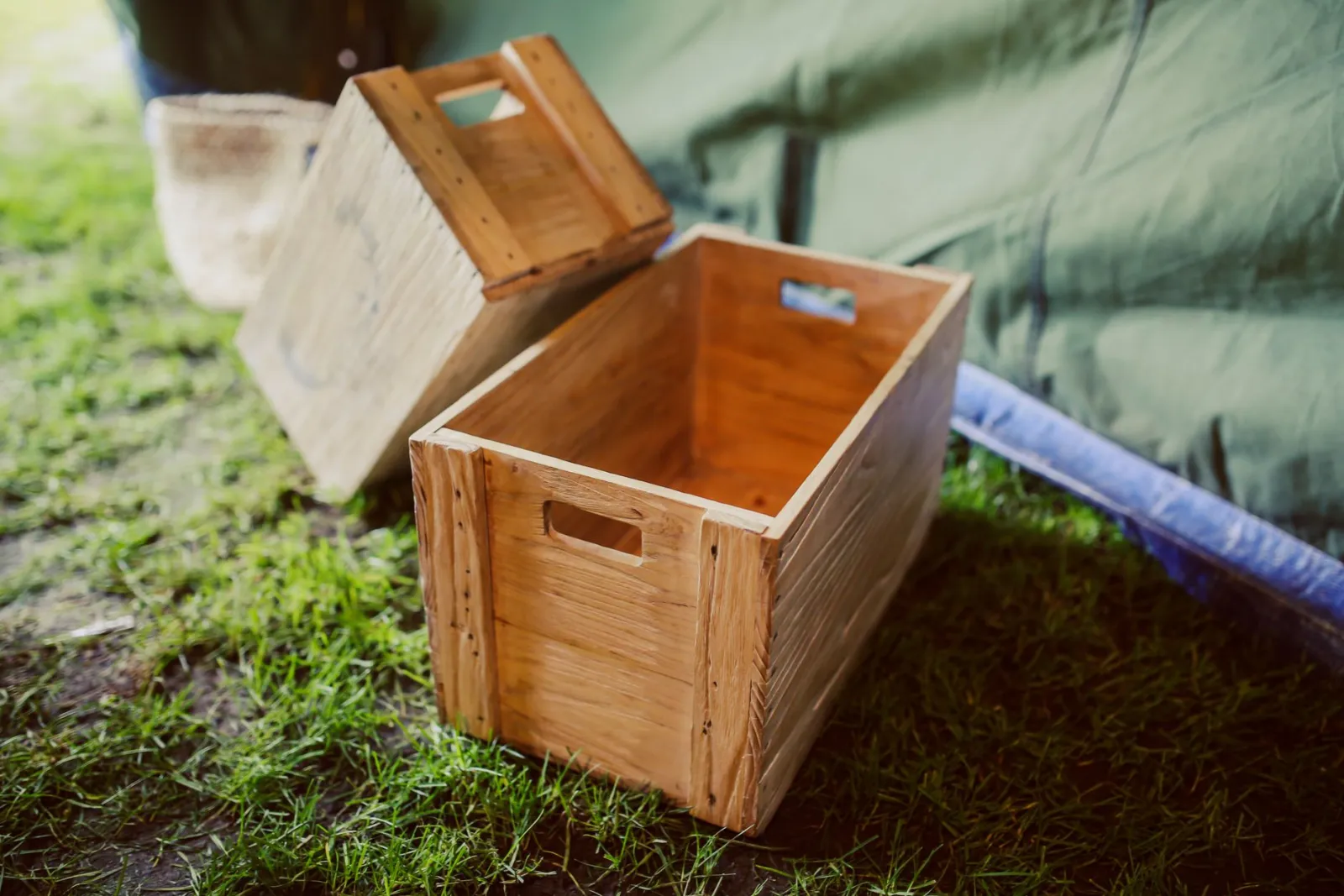
Where the box sits matters as much as what goes in it. A sheltered spot against a wall under an overhang is forgiving. An exposed corner taking full sun and driving rain is not.
Each common material behaves differently, and understanding those differences is more useful than any single recommendation.
| Material | Strengths | Watch Out For |
|---|---|---|
| Plastic/resin | Light, weather-resistant, easy to wipe clean, won’t rot | Can fade or become brittle in strong sun; lighter boxes may blow over |
| Wood | Attractive, sturdy, blends with garden furniture | Needs periodic treatment; untreated wood can swell or rot if water pools |
| Metal | Strong, secure, good for tools | Can rust if the coating chips; heats up in direct sun |
Consider a coastal garden with salt-laden air and frequent wind: a lightweight plastic box left in the open may tip or slide, while a heavier, well-anchored option holds its ground. Conversely, in a hot, sun-baked spot, a dark metal box can become uncomfortably hot inside — not ideal for anything sensitive. Match the material to the conditions, not just to the look.
Check the Details That Decide Longevity
Two boxes can look identical on the surface and perform very differently after a season outdoors. The difference usually lives in the details.
The lid and seal. A lid that overlaps the base and sits flush sheds water far better than a flat lid that simply rests on top. Look for a slight overhang and a snug fit. If the box will hold anything that must stay dry, a genuine seal around the rim matters more than any feature on the label.
Ventilation. Ironically, a perfectly sealed box can trap damp air, which encourages mould on cushions and tools. Some designs include small vents or a slightly raised base to let air move. If yours doesn’t, airing items out on dry days is a simple habit worth adopting.
Stability and anchoring. Empty boxes are light and catch the wind. Check whether the base is broad and flat, and whether there’s a way to weigh it down or anchor it. A box that holds its shape when full but skids across the patio when empty is a nuisance.
A practical example: a box placed at the end of a patio where rainwater runs off a roof will face far more water than one tucked under cover. In that exposed spot, the lid design and base drainage become the deciding factors — not the colour or the shape.
Think About Access and Everyday Use
The best box is the one you’ll actually open. If lifting a heavy lid is a chore, the box becomes a place things go to be forgotten.
Consider how you’ll use it day to day. A lid that props open on its own is a quiet luxury when you’re holding a cushion in one hand and a cup of tea in the other. A box with a flat top doubles as a bench or a spot to rest a tray — genuinely useful on a small patio where every surface counts. And a box placed where you naturally pass by gets used far more than one hidden behind a shed.
- Place it near where items are used, not just where it fits.
- Check that the lid opens fully without hitting a wall or fence.
- If children access it, confirm the lid won’t slam on small fingers.
Picture a family with garden toys: a box by the back door, easy to open and close, gets filled and emptied daily. The same box at the far end of the garden becomes a permanent dumping ground. Position is half the battle.
Frequently Asked Questions
How big should a garden storage box be?
Size it around your bulkiest item plus a little breathing room, then check it fits your space with the lid fully open. Oversized boxes invite clutter and are harder to move; undersized ones force you to squash things, which traps moisture. Measure the folded stack of cushions or the longest tool before you decide.
Can a garden storage box stay outside all year?
Many can, provided the material suits your climate and the box sits on a firm, well-drained surface. Raise it slightly off wet ground if possible, keep it out of standing water, and check the lid seal seasonally. Wood benefits from periodic treatment; metal needs its coating intact to resist rust.
How do I stop items inside from going musty?
Dry everything before storing it, leave a little air gap around soft items rather than cramming them, and air the contents on dry days. A box with some ventilation helps; if yours is fully sealed, a couple of small breathable gaps or occasional airing makes a real difference.
The Bottom Line
Choosing a garden storage box comes down to four questions: what goes inside, where it will sit, how the material handles your weather, and how easily you’ll use it. Get those right and the box quietly does its job for years. Start with your bulkiest item, match the material to your climate, check the lid and base, and place it where you’ll actually reach for it.
For a broader look at organising outdoor spaces and picking the right storage for every corner of the garden, a more complete guide covers the full picture — from sheds and benches to smaller containers and how they work together.
To make your choice concrete : Storage Bed: How to Choose the Right One
Run the numbers with our calculator : How many plants for my balcony
Was this guide helpful?
Share your experience with the WiseHomeGuides community.