In short :
- Your style is already in your home, hidden in the colors, materials, and shapes you keep choosing.
- Walk through your rooms, note what you’d rescue first, and spot the two or three tones that repeat.
- Check the textures you touch most and the shapes you lean toward, since those three signals are enough to name your style.
- Most homes mix two directions, so pick one dominant style at about seventy percent and one secondary at thirty.
- If you dislike everything you own, use that audit to learn what to avoid and build from the opposites.
Your home decor style is the consistent visual language your rooms already share: a mix of color palette, materials, furniture shapes, and lighting. To identify it, look at what you keep, not what you like online. Photograph three rooms, list recurring colors, textures, and forms, then match those patterns to one dominant style and one secondary influence.
How do you find your style by looking at what you already own?
You find your style by auditing the objects, colors, and materials that survived your past decluttering sessions, because those choices reveal your real preferences.
Start with a simple exercise. Walk through your home with a notebook and write down every item you would rescue first in a move: a wooden stool, a linen throw, a framed print. Then note the colors that repeat. Most people discover two or three dominant tones — warm neutrals, deep greens, soft blues — even when they never consciously chose them.
Next, list the materials. Do you gravitate toward matte ceramics and raw wood, or toward glossy surfaces and metal? The texture you touch most often is a reliable clue. A reader once described her living room as “modern,” but her audit showed rattan baskets, woven textiles, and a worn leather armchair. That combination pointed to a warm, natural, layered style — not minimalism at all.
Finally, check the shapes. Rounded furniture and soft edges suggest a relaxed, organic direction. Straight lines, symmetry, and geometric patterns point toward a more structured look. Three recurring signals — color, material, shape — are enough to name a dominant style with confidence.
Which core styles should you compare your home against?
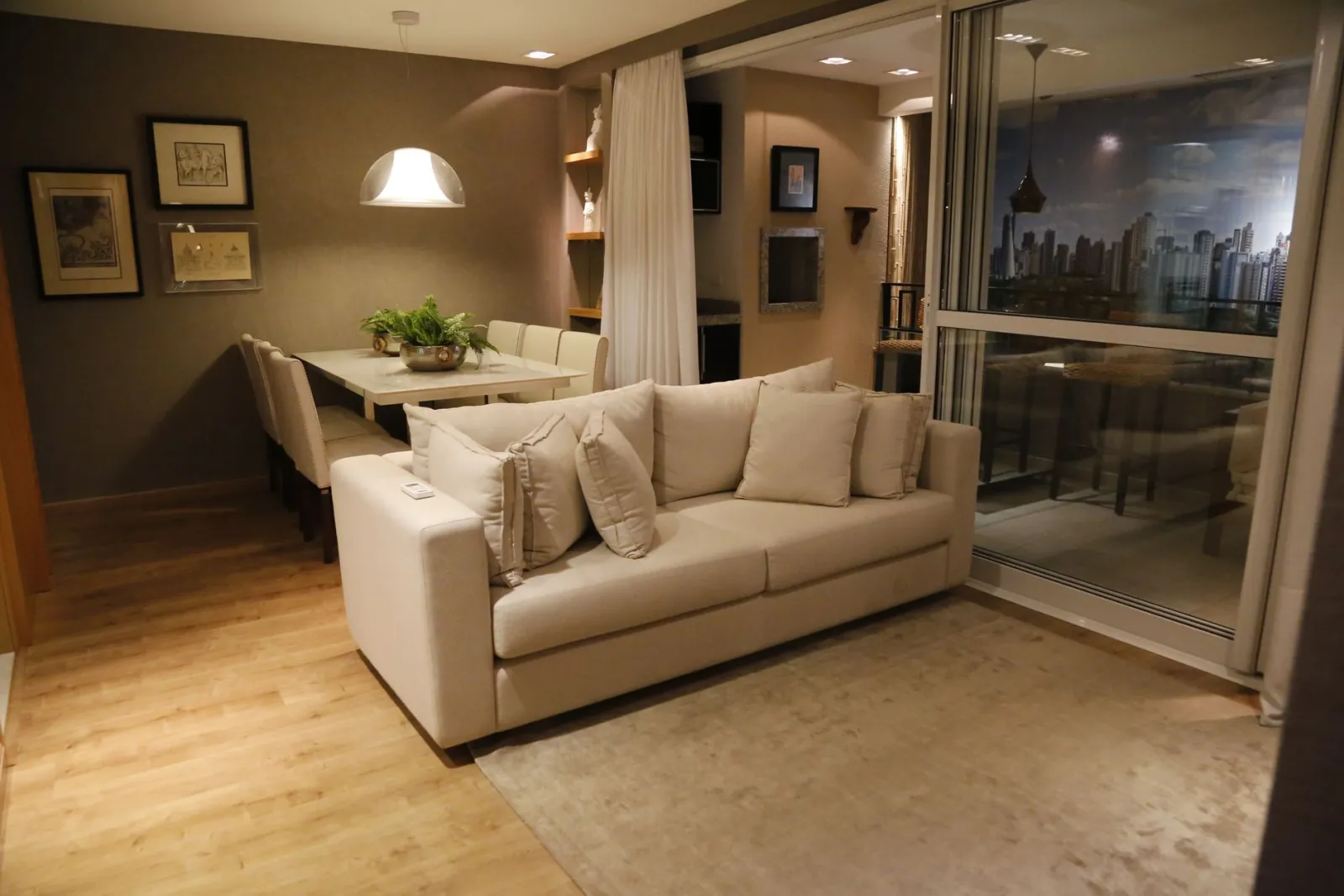
You should compare your findings against five common reference styles, because almost every interior borrows from at least one of them.
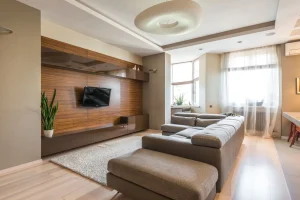
- Warm minimal: few objects, neutral palette, natural wood, soft lighting. Calm and uncluttered.
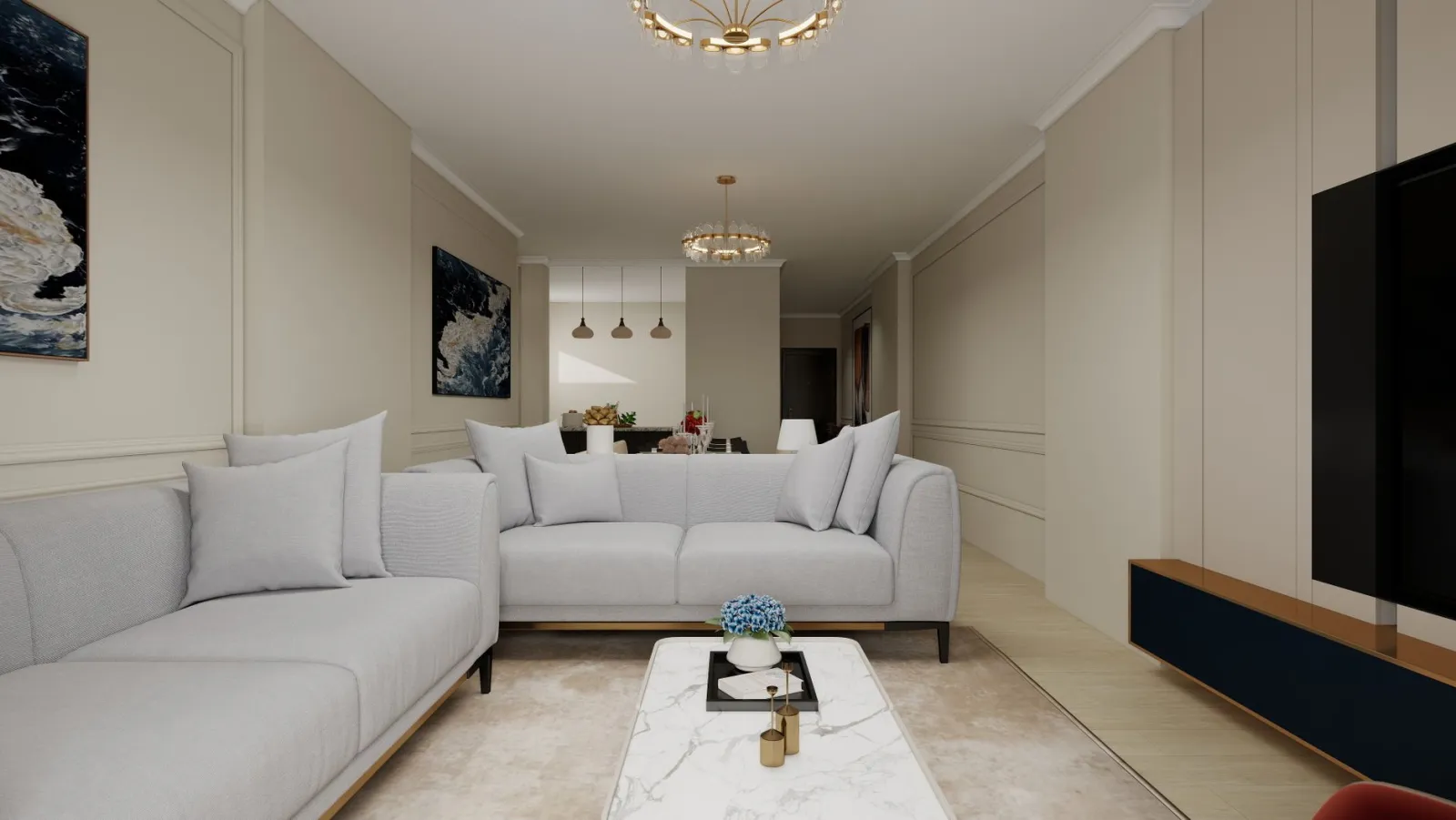
- Traditional: symmetry, dark wood, patterned textiles, layered accessories, framed art in rows.
- Industrial: exposed metal, brick or concrete tones, open shelving, utilitarian furniture.
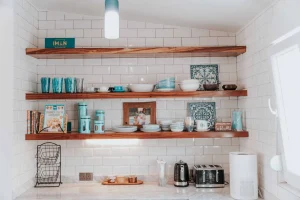
- Organic and natural: rattan, stone, linen, plants, earthy greens and browns, irregular shapes.
- Eclectic: mixed eras and cultures, strong color accents, collected objects, deliberate contrast.
Here is how to use the list. Take your three signals and score each style from one to five on how well it fits. A room with white walls, one large plant, and a single sculptural chair scores high on warm minimal. A room with a patterned rug, brass lamps, and a gallery wall scores high on traditional. The highest score is your starting point — not a label you must obey forever.
Real-life example: a couple moving into a smaller apartment kept arguing about style. One wanted clean and empty, the other wanted cozy and full. The scoring exercise showed they both ranked organic and natural highly. The compromise was fewer objects, but warmer ones — wool, clay, wood. The conflict was about quantity, not direction.
How do you turn your style into practical choices room by room?
You turn your style into practical choices by translating it into three fixed decisions per room: a base palette, a material family, and a lighting mood.
Start with the palette. Pick two neutral base colors and one accent. Write them down and keep the note on your phone when you shop. This single habit prevents the most common mistake: buying pieces you love individually that fight each other at home.
Then define your material family. If your audit pointed to organic and natural, your default materials become wood, stone, linen, and ceramic. Anything glossy or synthetic becomes the exception, used sparingly. A simple rule works well: at least two natural materials visible in every room.
Lighting sets the mood more than furniture does. Warm, diffused light suits cozy and traditional styles; brighter, directional light suits minimal and industrial ones. Try one change this week: swap a harsh overhead bulb for a softer, lower light source and notice how the room feels.
Finally, apply a repeat rule. Choose one shape or motif — an arch, a stripe, a rounded edge — and repeat it in at least three places per room. Repetition is what makes a space look intentional rather than assembled by accident.
| Signal you noticed | Likely style direction | First practical step |
|---|---|---|
| Warm neutrals, few objects, natural wood | Warm minimal | Remove one accessory per surface |
| Dark wood, patterns, symmetry | Traditional | Align frames and lamps in pairs |
| Metal, concrete tones, open shelves | Industrial | Group utilitarian objects openly |
| Rattan, linen, plants, earthy tones | Organic and natural | Add two natural textures per room |
| Mixed eras, strong accents, collected items | Eclectic | Repeat one accent color three times |
Frequently asked questions
Can your style be a mix of two directions?
Yes, and most homes are. Choose one dominant style at around seventy percent and one secondary at thirty. This ratio keeps a room coherent while letting personality show. If you love industrial shelving but also soft textiles, make the shelving the accent and keep the rest warm.
How long does it take to identify your style?
Usually one to two hours of honest observation, spread over a few days. Photograph your rooms in daylight, review the photos, and run the three-signal audit. Photos reveal patterns your eye ignores daily.
What if you dislike everything you own?
Then your audit is still useful: it tells you what to avoid. Note the colors and materials you react against, and build your palette from their opposites. Changing textiles, lighting, and one or two key pieces often shifts the whole feeling without a full renovation.
What is the answer?
Your home decor style is already visible in the colors, materials, and shapes you keep choosing — you just need to name the pattern. Run the three-signal audit, score the five reference styles, then lock in a palette, a material family, and a lighting mood per room. For a broader view of styles, room-by-room guidance, and how to evolve a look over time, a more complete guide on home decor styles is available on the site.
Put it into practice : What should I put on a home decor vision board?
Was this guide helpful?
Share your experience with the WiseHomeGuides community.