In short :
- If your spot never gets direct sun, go for the ZZ plant, snake plant, or cast iron plant — they genuinely ask for the least light.
- The cast iron plant is the toughest of all and even handles very low light.
- Pothos, peace lily, and spider plant adapt well too, but expect slower growth in deep shade.
- Check your corner first: if you can barely see your hand’s shadow at midday, treat it as low light.
- Then water far less than you think and dust the leaves so they catch what little light there is.
Some corners of a home simply never get bright. A north-facing bedroom, a hallway with no window, the shelf behind the sofa where daylight barely reaches. You still want something green there — and you don’t want to babysit a plant that sulks and drops leaves the moment it’s out of direct sun. The good news: a small group of houseplants evolved on forest floors or in dry scrub, under a canopy that filters out most light. They don’t just survive dim conditions; they’re built for them. This guide focuses on that specific question — which plants genuinely ask for the least light — and how to keep them healthy once you’ve picked one.
First, what “low light” actually means indoors
Before choosing a plant, get honest about the spot. “Low light” in a home usually means a room where you can read comfortably without switching on a lamp during the day, but where no direct sun ever hits the leaves. A windowless bathroom or a corridor lit only by a ceiling bulb is darker still — that’s often called “very low light,” and it narrows your options considerably.
Here’s a quick way to judge a spot without any gadget. Hold your hand up in front of you at midday. If you can see a soft shadow of your hand, you have moderate light. If the shadow is barely visible, it’s low. If there’s no shadow at all and the corner feels gloomy even at noon, treat it as very low light.
A real example worth remembering: a plant placed two metres back from a bright window can receive a fraction of the light that hits the windowsill itself. Distance matters as much as direction. Moving a pot one metre closer to the glass often does more for it than swapping species.
The plants that genuinely tolerate the least light
Plenty of lists promise “low-light plants” that actually just tolerate a bit of shade. The ones below are the real deal — documented for surviving dim conditions, often because they store water or have tough, leathery leaves that make the most of scarce light.
ZZ plant
Glossy, almost plastic-looking leaves on arching stems, and thick underground rhizomes that hoard water. That storage is why it forgives both dim corners and missed waterings. A ZZ plant in a hallway that never sees direct sun is one of the most reliable green presences you can own. The main risk isn’t darkness — it’s overwatering, which rots those precious rhizomes.
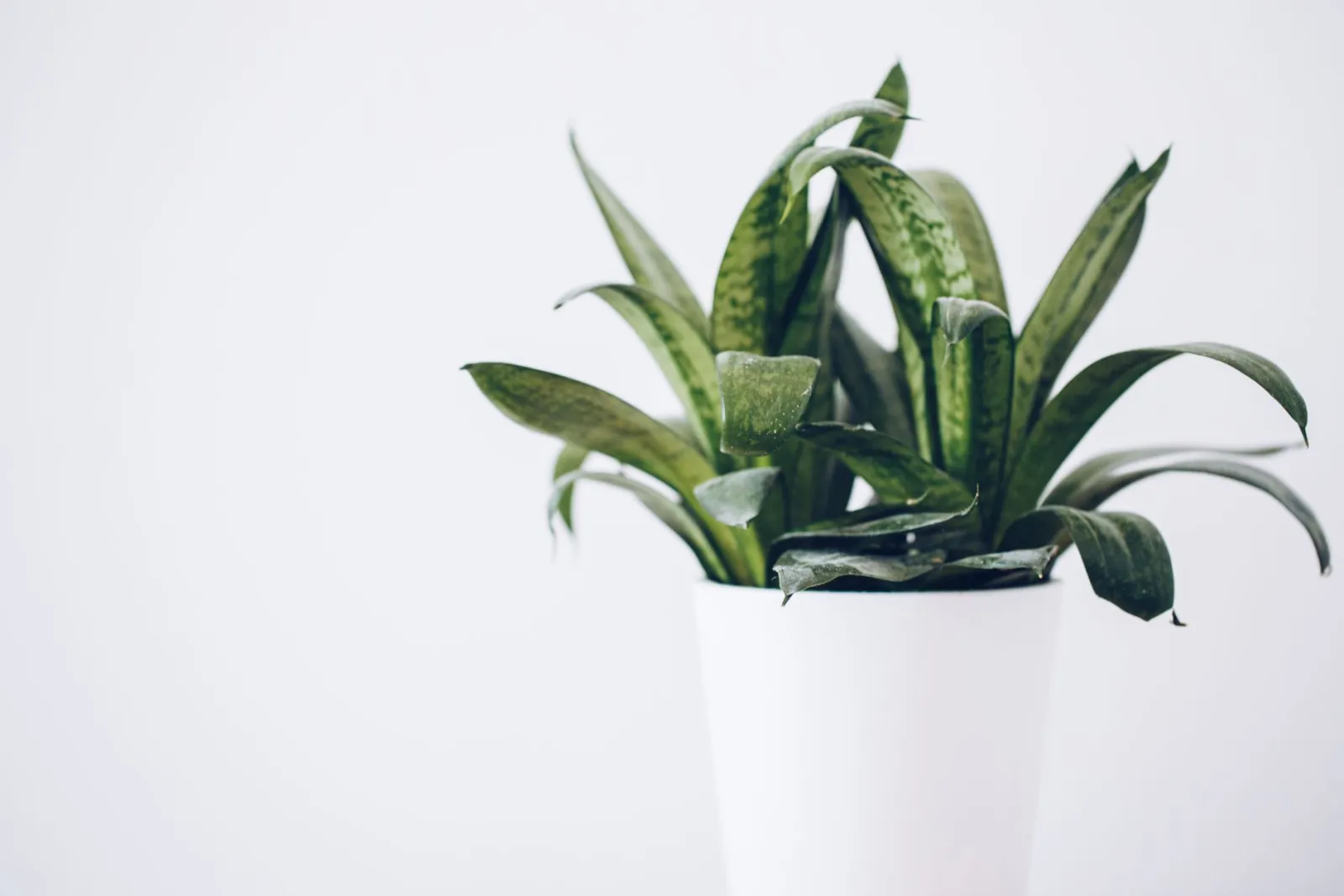
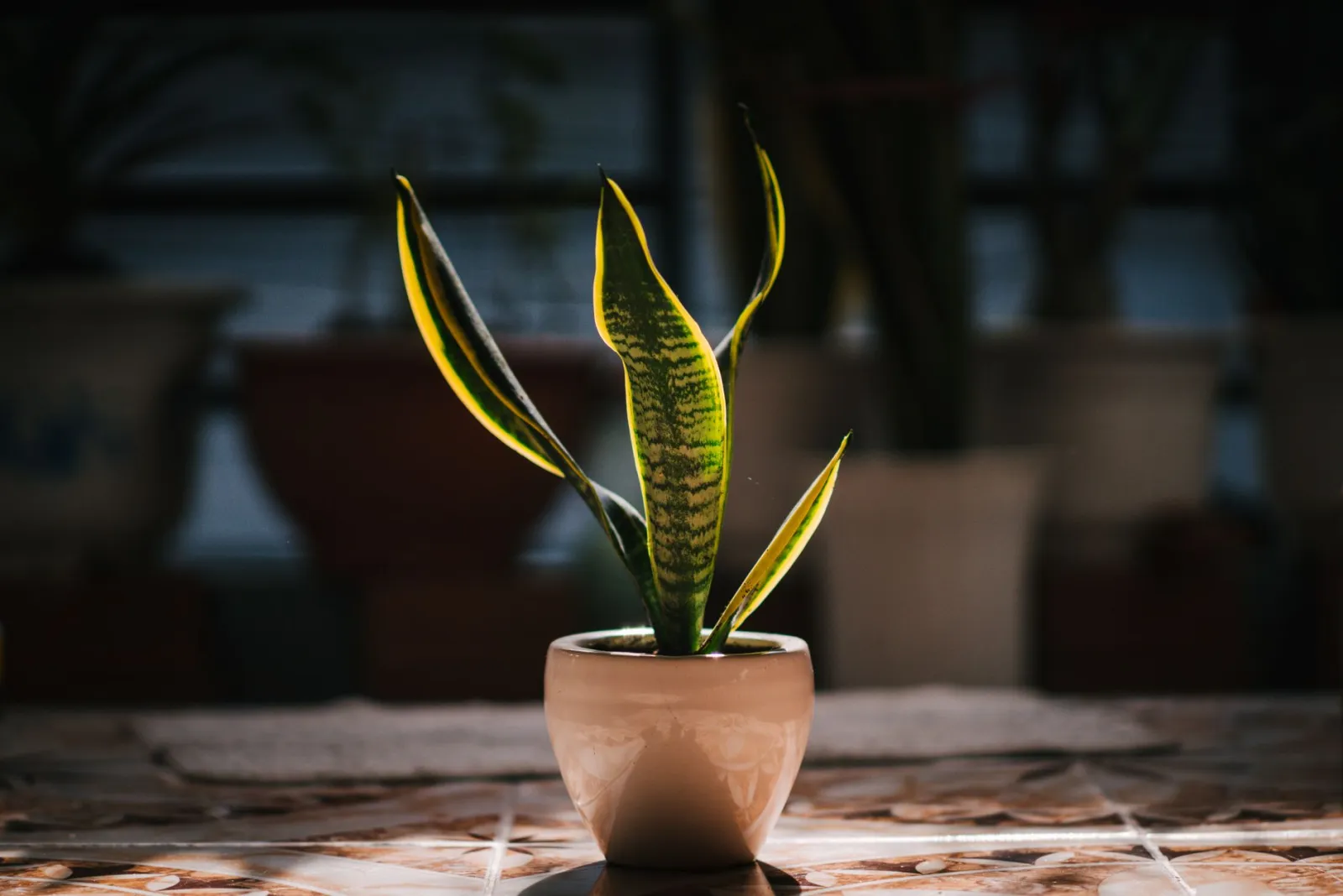
Snake plant
Stiff, upright, sword-shaped leaves that look architectural in any corner. Snake plants are famously tolerant of neglect and low light, and they’re slow growers, so they won’t sprawl. One practical case: a snake plant beside a door that opens onto a shaded corridor, where light arrives only in brief bursts. It copes fine. Water sparingly and let the soil dry out completely between drinks.
Cast iron plant
The name says it all. This one has a reputation for surviving conditions that would finish off most houseplants — deep shade, erratic watering, cool rooms. Broad dark leaves, a slow, steady habit. If you have a truly dark corner and want a larger, fuller plant rather than a small succulent-type, this is the one to reach for.
Pothos and philodendron
Trailing vines that adapt to a wide range of light, from bright indirect down to fairly dim. They’re forgiving, fast enough to show you when they’re happy, and easy to trim. A hanging pothos in a north-facing room, trailing down a bookshelf, is a classic low-light solution — just expect slower growth and less variegation in deep shade.
Peace lily and spider plant
Both handle low light and both tell you when they’re thirsty — the peace lily droops dramatically, the spider plant’s leaves pale. That feedback makes them good starter plants for dim rooms, because they communicate rather than quietly decline.
| Plant | Light tolerance | Watering rhythm | Good spot |
|---|---|---|---|
| ZZ plant | Low to moderate | Let soil dry fully | Hallway, shaded shelf |
| Snake plant | Low to bright indirect | Sparse, fully dry between | Corner by a shaded door |
| Cast iron plant | Very low to moderate | Moderate, when top dries | Dark corner, north room |
| Pothos | Low to bright indirect | When top inch dries | Hanging in dim room |
| Peace lily | Low to moderate | Keep lightly moist | Windowless-ish bathroom |
How to keep a low-light plant alive (the mistakes that actually kill them)
Darkness rarely kills these plants outright. What kills them is treating a dim corner like a sunny windowsill. Here’s where to focus.
- Water far less. In low light, plants grow slowly and use little water. The soil stays damp for ages. Water only when the top layer is genuinely dry — for a ZZ or snake plant, wait until the whole pot feels light.
- Skip the fertiliser habit. A plant barely growing doesn’t need feeding. Overfeeding in dim conditions damages roots. Feed lightly, if at all, and only in the growing season.
- Rotate the pot. In low light, growth leans toward whatever light exists. Turn the pot a quarter turn every couple of weeks so it stays balanced.
- Dust the leaves. A film of dust blocks the little light a leaf does get. A wipe with a damp cloth every month or so genuinely helps in dim rooms.
- Don’t move it around constantly. These plants are slow to adjust. Pick a spot and leave it.
A concrete example: a peace lily that droops every few days in a bright room may need watering twice a week. Move the same plant to a dim bathroom and it might need water every ten days. Same plant, completely different rhythm — the room changes the rules.
Signs your “low-light” plant is actually getting too little
Even tolerant plants have a floor. Watch for these signals and act early.
Leggy, stretched growth — long gaps between leaves, stems reaching sideways — means the plant is straining for light. Pale or yellowing lower leaves, new leaves that come in smaller and smaller, and a general stall in growth all point the same way. The fix is simple: move the pot closer to a window, even if it’s still indirect. A few extra feet of distance can be the difference between a plant that holds its shape and one that slowly thins out.
If a plant is in a windowless room, consider a small routine: rotate it to a brighter spot for a week every month or so, or accept that it will grow very slowly and choose a species like the cast iron plant that’s built for it.
FAQ
What indoor plants need the least light?
The most reliable are the ZZ plant, snake plant, and cast iron plant — all documented for tolerating dim corners and infrequent watering. Pothos, peace lily, and spider plant are close behind and adapt well to low light, though they grow more slowly in deep shade.
Which indoor plant thrives in low light?
The cast iron plant is the standout for genuinely thriving in shade, including very low light. The ZZ plant is a close second — its water-storing rhizomes let it cope with both darkness and neglect, which is why it’s so often recommended for difficult spots.
What houseplants are good in dark rooms?
For a truly dark room with no natural light, stick to the toughest: cast iron plant, snake plant, and ZZ plant. Keep watering minimal, dust the leaves so they catch what little light there is, and expect slow growth. Avoid flowering plants and anything with delicate, thin leaves — they’ll decline quickly.
The short answer
If you want the least fuss in the least light, reach for the ZZ plant, snake plant, or cast iron plant. They’re the ones that genuinely ask for almost nothing — dim corners, missed waterings, cool rooms — and still look good. Match the plant to the spot, water far less than you think, and let it settle. For a broader look at choosing and caring for houseplants across every room and light level, a more complete guide covers the full picture.
Put it into practice : How do I grow balcony pot plants?
Was this guide helpful?
Share your experience with the WiseHomeGuides community.