In short :
- Go for a tight-weave polyester blend or solution-dyed acrylic if you want easy cleaning.
- These fabrics make spills bead up so you can blot them away with a damp cloth.
- Check the label for a W or WS cleaning code before you buy.
- Skip loose-weave linen and textured wool in a busy home, since they trap dirt and need professional care.
- A removable, washable cover turns a stressful spill into a ten-minute chore.
Woven synthetic fabrics with a tight, flat weave — polyester blends and solution-dyed acrylics — are the easiest sofa fabrics to clean. They resist stains, release most spills with a damp cloth, and tolerate water-based cleaning without shrinking or watermarking. Loose-weave linens and textured wools look beautiful but trap dirt and demand professional care.
Choosing a sofa is one part comfort, one part geometry, and one part chemistry. The fabric you sit on decides how the next five years of your life will go: the coffee that tips over during a film, the muddy paw that lands on the cushion, the pen cap that leaks into a seam. Nobody thinks about this in the showroom. Everyone thinks about it at 9 p.m. on a Tuesday with a sponge in hand. So let’s talk about which upholstery fabrics forgive you, and which ones hold a grudge.
Which fabrics actually release stains easily?
Tightly woven synthetics release stains best because their smooth, low-absorbency fibers stop liquids from sinking into the core of the yarn. The key is the combination of fiber type and weave density — a dense polyester weave beats a loose natural fiber almost every time.
Here’s how the main families behave in real life:
- Polyester and polyester blends: the workhorse. Most spills bead up on the surface long enough to blot them away. Water-based stains usually lift with mild soap and lukewarm water.
- Solution-dyed acrylic: the color is locked into the fiber before weaving, so it resists fading and handles both water- and solvent-based cleaning. Common on outdoor and family sofas for good reason.
- Olefin (polypropylene): highly water-resistant and often used in high-traffic upholstery. It’s tough, but it can pill and feels less plush.
- Microfiber: densely woven and excellent at repelling liquids, though it can attract lint and needs brushing to restore its nap.
- Cotton and linen: absorbent by nature. A spill that sits for two minutes can become a permanent shadow.
- Wool and textured weaves: durable and elegant, but the raised texture traps crumbs and grit, and water can cause felting or rings.
- Velvet and chenille: the pile holds dust and shows every handprint. Crushed velvet can flatten permanently where you sit.
A concrete example: a household with two young children and a dog will usually fare far better with a tight polyester weave than with a beautiful slubby linen. The linen looks better in photos for about a month. After that, the polyester wins on every practical measure.
How do you read a fabric label before buying?
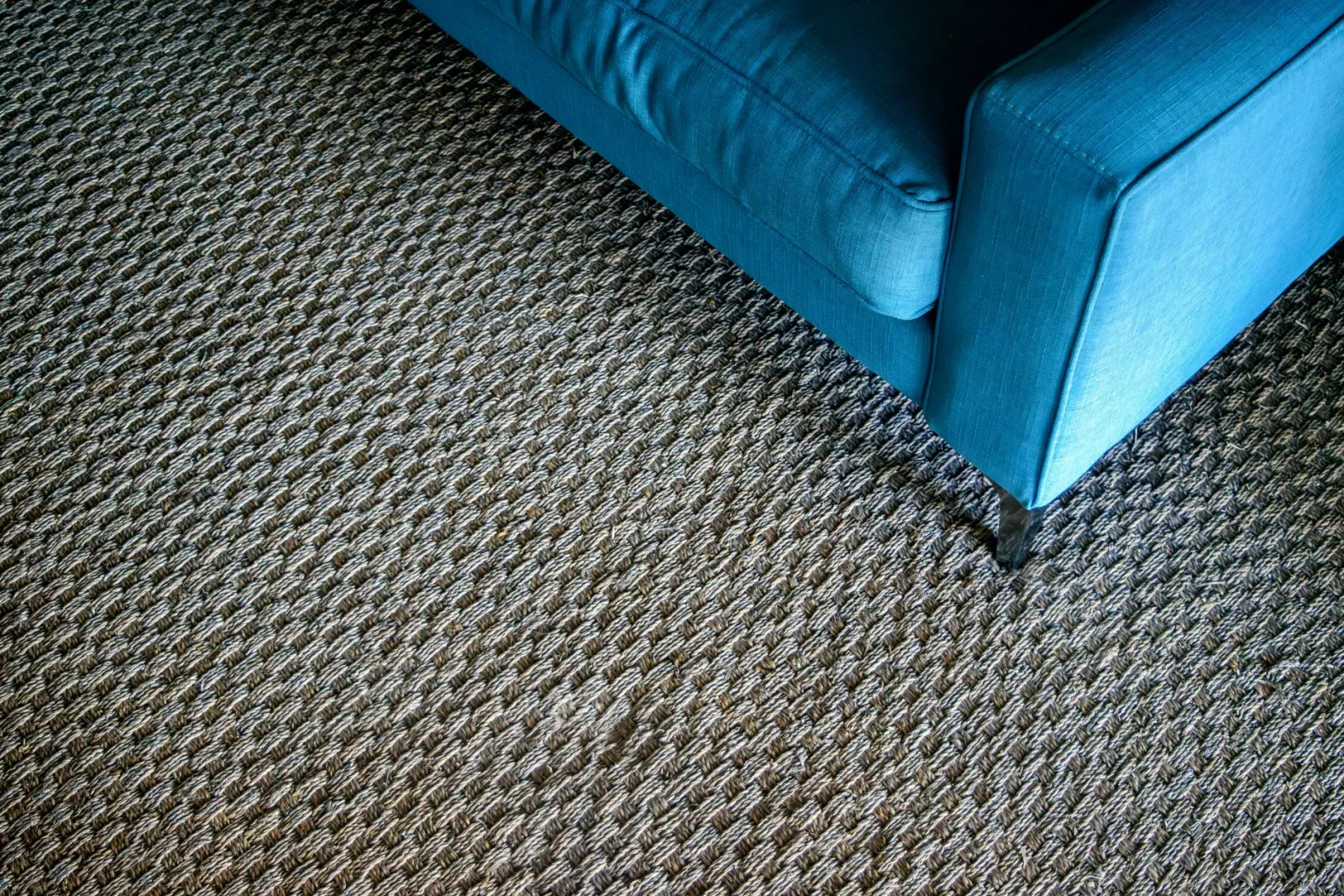
Look for the cleaning code — a single letter that tells you exactly which products and methods are safe. It’s the fastest way to predict how much work a sofa will be.
| Code | What it means | Cleaning method | Difficulty |
|---|---|---|---|
| W | Water-based cleaners only | Mild soap and water | Easy |
| S | Solvent-based cleaners only | Dry-cleaning solvents; no water | Moderate |
| WS | Water or solvent | Either method works | Easiest |
| X | Vacuum only | No liquids at all | Hardest |
Two codes to prioritize: WS gives you the most flexibility, and W is a close second for everyday spills. An X code means you’re one spilled glass of juice away from a professional intervention. If you’re buying for a busy household, treat WS as your baseline and walk away from X.
Beyond the code, run your hand across the fabric. A tight, flat weave with no visible gaps between threads will resist penetration. If you can see daylight through the weave when you hold it up, dirt will find those same gaps. And check whether the cover is removable — a zip-off cushion cover you can wash is worth more than any marketing claim on the tag.
What’s the fastest way to handle a spill?
Blot, don’t rub, and act within the first minute — that single habit prevents most permanent stains regardless of fabric. Rubbing pushes liquid into the yarn and roughens the surface, which is exactly what you don’t want.
Follow this sequence:
- Blot with a clean, dry cloth, pressing down rather than wiping sideways.
- Lift solids with a spoon edge, working from the outside of the stain inward so you don’t spread it.
- Dab with a mild soap solution (a few drops of dish soap in lukewarm water), then blot dry.
- Rinse by dabbing with clean water and blotting again — leftover soap attracts dirt.
- Air-dry away from direct heat, and fluff the pile with a soft brush once dry.
Real-world case: red wine on a WS-coded polyester sofa. Blot immediately, apply a small amount of mild soap solution, blot, rinse, blot. On a linen sofa, the same spill often leaves a faint halo even after careful treatment, because the fiber absorbs the pigment before you reach the cloth. Same spill, same hands, very different outcome.
Which fabrics should you avoid in a busy home?
Skip loose-weave linen, deep-pile velvet, and any fabric coded X if the sofa lives where people eat, drink, and own pets. These materials aren’t “bad” — they’re just honest about their limits.
Think about the room, not just the swatch. A formal sitting room that sees occasional use can carry a delicate weave beautifully. A family room with a snack bowl on the armrest cannot. One practical test: ask whether you’d be comfortable cleaning a spill there at 10 p.m. without calling anyone. If the answer is no, that fabric is the wrong choice for that room.
Also consider color and pattern. Mid-tones and small-scale patterns hide minor marks far better than solid pale or very dark shades, which show every crumb and every light smudge respectively. And a removable, washable cover turns a stressful spill into a ten-minute chore.
FAQ
Is leather easier to clean than fabric?
Generally yes for spills — leather wipes clean in seconds. But leather needs conditioning to avoid cracking, and it scratches. Tight synthetic weaves offer a good middle ground: nearly as easy to wipe, softer to sit on, and more forgiving of scratches.
Can you clean a sofa fabric with just water and soap?
Only if the label says W or WS. For S-coded fabrics, water can leave rings or damage the finish, so use a solvent-based cleaner instead. When in doubt, test on a hidden area first.
How often should a fabric sofa be cleaned?
Vacuum weekly to remove grit that wears fibers, and treat spills the moment they happen. A deeper clean every six to twelve months keeps the fabric looking fresh — more often in homes with pets or children.
The bottom line
For the easiest possible life, choose a tight-weave polyester blend or solution-dyed acrylic with a WS cleaning code and a removable cover. That combination handles spills, survives pets, and tolerates both water- and solvent-based cleaning. Everything else is a trade-off between looks and labor. If you want the wider picture — cushion fill, frame construction, and how to match fabric to room use — a more complete guide on choosing a sofa covers the full decision.
Put it into practice : How do you clean a fabric sofa?
Work out your own case in 30 seconds:
Methodology
This calculator produces an indicative estimate based on the parameters you enter. The ranges used reflect typical market tiers in the cleaning and maintenance space and are neither a commercial offer nor a guarantee. Prices and availability may vary.
Was this guide helpful?
Share your experience with the WiseHomeGuides community.