Short answer : A women’s bathrobe is a simple garment to choose once you know what matters: fabric weight, length, and closure type. Terry cloth absorbs water well and suits post-shower wear, while lighter cotton or modal feels softer for lounging and warmer rooms. Look at the label for material content and care instructions, since natural fibers usually shrink slightly on first wash. Fit should allow easy movement without excess fabric that drags or catches, and a belt or wrap closure keeps the robe secure. Choosing a robe that matches how you will use it, drying off or relaxing, makes daily wear more comfortable and helps the fabric last longer.
In short
- Terry cloth suits drying off after a shower because the looped pile absorbs water efficiently.
- Lightweight cotton or modal robes feel softer and work well for lounging in warmer rooms.
- Check the care label before buying, as natural fibers often shrink slightly on the first wash.
- Choose a length that clears stairs and floors to avoid tripping while walking around the house.
- A wrap belt or snap closure keeps the robe secure and lets you adjust the fit easily.
Why a Bathrobe Is a Home Essential for Women
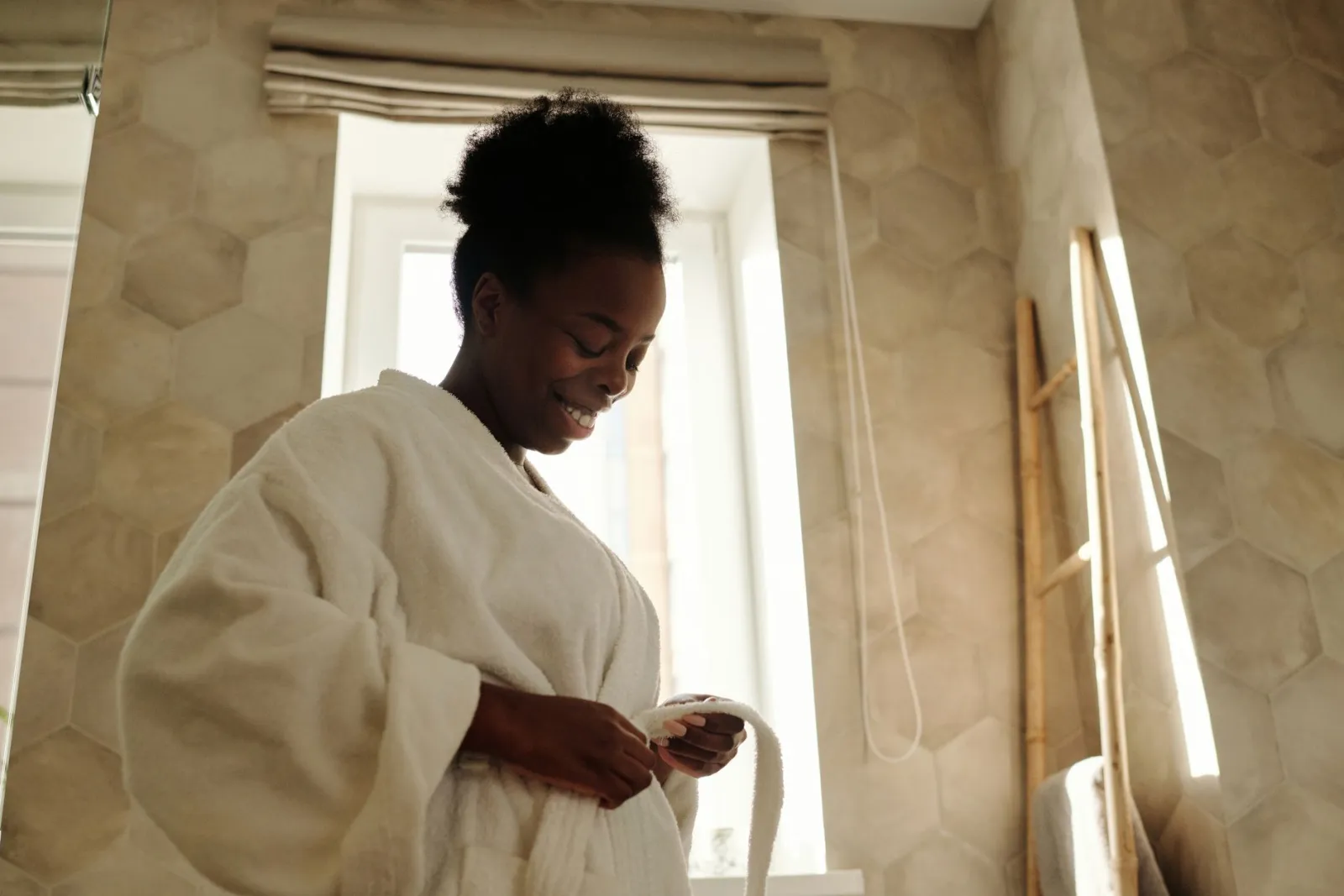
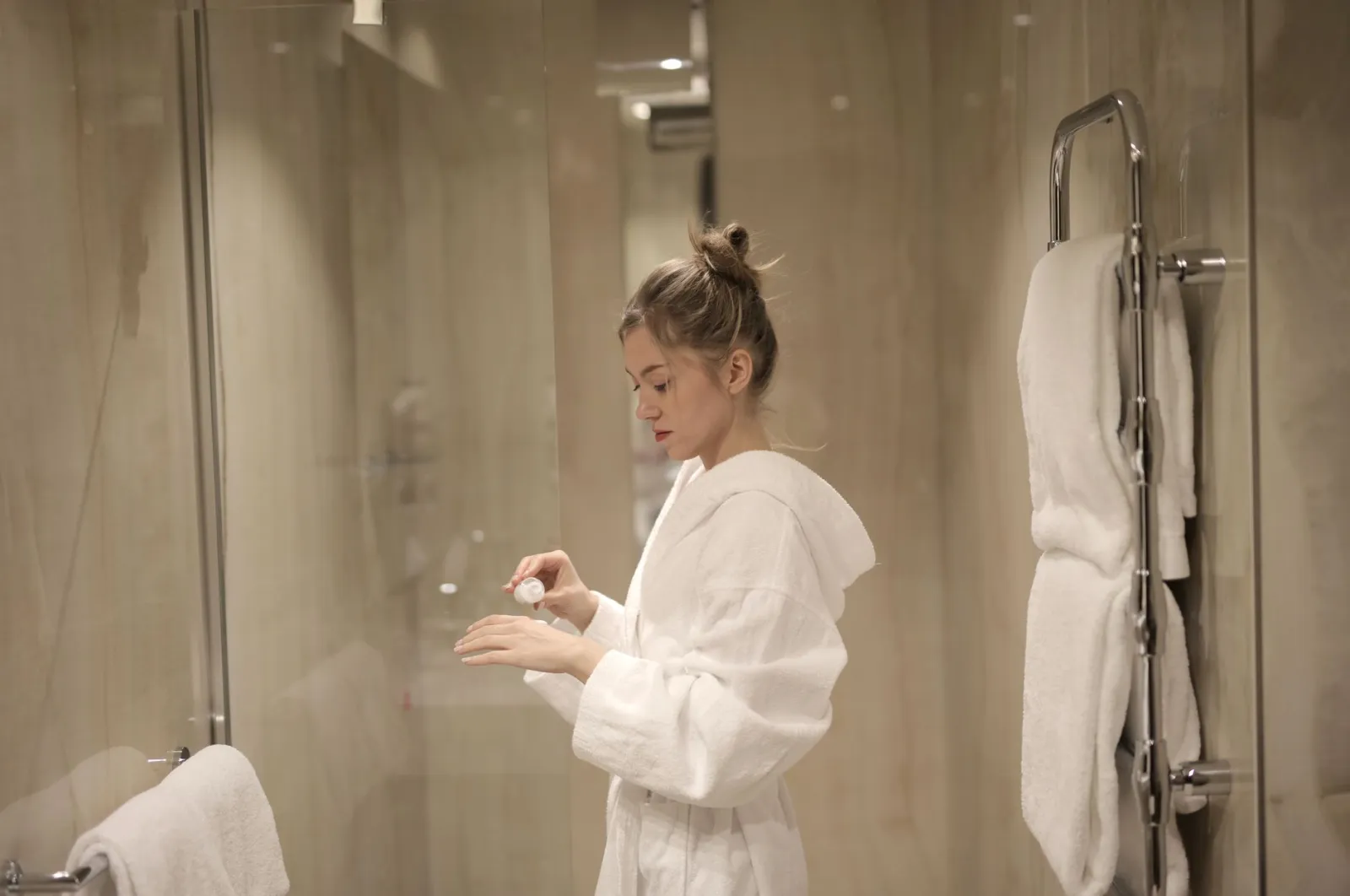
A bathrobe earns its place in a woman’s home because it solves a problem that comes up every single day: the gap between water and clothing. Stepping out of a shower or bath, the body is wet and the room is usually cooler than the water was. A robe closes that gap instantly, wrapping you in absorbent fabric while you dry your hair, apply lotion, or wait for the bathroom mirror to clear. Without one, you either rush through the routine or stand around damp and cold, and neither makes for a good start or end to the day.
The robe also functions as a second layer of daily clothing rather than a single-purpose bathroom item. Many women reach for one during the slow hours at home: over pajamas with morning coffee, while getting ready at the vanity, after a workout before changing, or on weekend mornings when the house is still quiet. Because it slips on and off in seconds and needs no styling decisions, it fills the role of a comfortable, modest cover-up that a towel or a sweatshirt cannot match. It is the garment you wear when you are between outfits, and those in-between moments add up to a meaningful part of the day.
Practicality is a large part of the appeal. A robe keeps warmth in during the cooler months, which matters in drafty bathrooms and on tiled floors that stay cold underfoot. It protects skin and hair from the chill of air-drying and keeps water from dripping onto floors and furniture. For shared living situations, a robe offers easy modesty when moving between the bathroom and a bedroom, or when answering the door or stepping onto a balcony. It is also forgiving: a well-chosen robe fits through minor weight changes and works across seasons depending on the fabric weight you choose.
There is a comfort dimension that is harder to quantify but easy to recognize. The weight of a robe on the shoulders, the softness of the fabric against skin, and the simple ritual of tying a belt signal a shift in pace, whether that is winding down in the evening or easing into a relaxed morning. For women who work from home, a robe can serve as a transitional layer during early hours before the workday properly begins. For anyone recovering from a long day, it is the first thing reached for.
Finally, a robe is a low-effort essential. It needs little space on a hook or the back of a door, requires only routine washing, and lasts for years when the fabric and construction suit how you use it. The key is choosing one that matches your habits, which the following sections break down in detail.
Fabric Matters: Cotton, Terry, Waffle, and Fleece Compared
Fabric is the single biggest factor in how a women’s bathrobe feels, dries, and holds up over time, so it deserves more attention than the color or the trim. The four materials most commonly found in women’s robes—cotton, terry, waffle, and fleece—behave very differently, and each suits a particular routine. Understanding how they differ in absorbency, weight, drying speed, and warmth will help you pick a robe that matches how you actually use it rather than how it looks on a hanger.
Cotton is the most versatile starting point. A plain cotton or cotton-blend robe is relatively lightweight, breathes well, and feels smooth against the skin, which makes it a good choice for warmer bathrooms, summer mornings, or anyone who dislikes bulk. Standard cotton dries faster than thick terry and packs down small, so it travels well and hangs comfortably on a hook without sagging. The trade-off is that it absorbs less water than a looped pile and offers little insulation, so it works best as a light cover-up after a quick shower rather than a source of warmth on a cold evening.
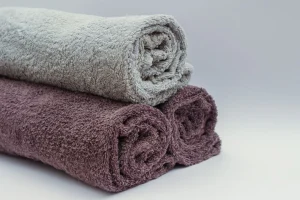
Terry cloth, with its looped pile, is the classic post-shower robe. The loops create a large surface area that pulls moisture off the skin, and the fabric is dense enough to keep you warm while you dry your hair or get ready. Terry robes tend to be the heaviest option and take longer to dry, so they benefit from being hung spread out rather than bunched on a hook. They are the practical pick for a household where the robe is worn wet, straight from the shower, and for cooler climates where the extra warmth is welcome.
Waffle-weave fabric sits in a lighter, airier category. Its grid texture traps a little air for insulation while staying thin and quick to dry, and it tends to feel crisp rather than plush. That makes waffle robes a good fit for humid bathrooms, shared households where a robe is used briefly and hung up, or anyone who wants warmth without weight. They are less absorbent than terry, so they suit a pat-dry-and-go routine more than wrapping up soaking wet.
Fleece is the warmest and softest of the group, prized for lounging rather than drying. It is not very absorbent and can feel clammy if worn directly on wet skin, so it works best over dry skin or sleepwear on cold mornings and evenings. Fleece also tends to be bulkier and can pill with frequent washing, so it rewards gentle care. As a rule of thumb: choose cotton for lightness and travel, terry for absorbency and warmth after bathing, waffle for a quick-drying middle ground, and fleece for pure coziness when drying is not the goal.
How to Choose the Right Length and Fit
Length and fit are the two factors that most directly determine whether a bathrobe becomes the one you reach for every morning or the one that stays folded in the closet. Start with length, because it shapes both comfort and practicality. A short robe that falls around mid-thigh is easy to move in, dries quickly, and suits warm bathrooms or quick trips between shower and bedroom. A knee-length robe offers more coverage without feeling heavy and works well for most body types and climates. A long robe reaching the calf or ankle provides warmth and full coverage, making it a better choice for cooler homes, evening wind-down routines, or anyone who feels the cold after bathing. Consider where you will wear it: a robe that brushes the floor is awkward on stairs and around kitchen counters, while a very short robe may feel too exposed if you share living space.
Fit matters as much as length, and the key is room to move without drowning in fabric. A well-fitting robe should close comfortably across the front without pulling, and the belt should cinch at your natural waist rather than riding up or sagging. Shoulders are a useful reference point: the seam should sit close to the edge of your shoulder, and sleeves should end near the wrist without swallowing your hands. If you are between sizes, sizing up usually serves better for a robe, since a loose drape is part of the garment’s purpose and an overly snug robe defeats the point of cozy layering.
Think about how you will use the robe, because use cases point to different fits. For a post-shower robe you wear briefly, a lighter, slightly closer fit dries faster and feels less bulky. For a robe you lounge in for an hour on weekend mornings, a roomier cut with generous overlap at the front keeps you covered when you sit, curl up, or reach overhead. Wrap styles with a true belt suit adjustable fits, while pull-on styles depend more on getting the size right from the start.
Pay attention to the closure and how much overlap it gives you. A robe with a wide front panel can be wrapped more tightly or loosely depending on the day, which makes fit more forgiving. Belt loops help keep the tie in place, and an internal tie adds security for anyone who moves around a lot. Check that the robe stays closed when you bend or lift your arms; if it gapes, the cut is too narrow for your frame regardless of the labeled size.
Finally, match the fabric weight to the fit you want. Heavier fabrics hold a structured shape and drape with more presence, while lighter fabrics skim the body and pack down small. A robe that feels slightly roomy in lighter fabric often reads as elegant, whereas the same looseness in a heavy fabric can feel overwhelming. When in doubt, prioritize ease of movement and coverage over a precise silhouette, since a bathrobe is worn for comfort first.
Weight and Warmth: Picking the Right GSM for Your Climate
GSM, or grams per square meter, is the most reliable shorthand for how a bathrobe will feel against your skin and how well it will hold up over time. It measures fabric density rather than thickness alone, so two robes can look similar on a hanger yet behave very differently once you put them on. A lower-GSM robe feels airy and dries quickly, while a higher-GSM robe wraps you in substance and absorbs more water. Neither is inherently better; the right choice depends on where and when you plan to wear it.
Lightweight robes, roughly in the lower GSM range, suit warm, humid climates and overheated bathrooms. They feel cool against damp skin, dry fast between uses, and pack down small for travel or gym bags. If you live somewhere with long, hot summers or share a bathroom that steams up quickly, a lighter robe is easier to keep fresh because it has less fabric to dry. The trade-off is less absorbency and a thinner hand-feel, so it may cling rather than drape.
Mid-weight robes occupy the comfortable middle ground and are the safest choice for most households. They absorb water well after a shower, feel substantial without being heavy, and dry in a reasonable time when hung properly. For year-round use in a temperate climate, a mid-weight cotton or cotton-blend robe handles both mild mornings and cooler evenings without forcing you to own two robes. This range also tends to drape more flatteringly, since the fabric has enough body to fall cleanly rather than cling.
Heavyweight, high-GSM robes are built for cold rooms, drafty houses, and the ritual of a long, slow morning. The dense fabric traps warmth and feels plush, making it a natural choice for winter, for stepping outside to collect a delivery, or for anyone who feels the cold after bathing. The trade-offs are real: a heavy robe takes longer to dry, can feel bulky on the shoulders, and needs more space to hang. In a damp bathroom without good ventilation, a very dense robe may stay clammy between wears, so airflow matters as much as the fabric itself.
A practical approach is to match GSM to your coldest routine rather than your warmest. If you mostly wear a robe straight out of the shower in a heated home, a mid-weight option covers nearly every day of the year. If your bathroom runs cold or you like to linger over coffee before dressing, lean heavier. If you travel, share a small bathroom, or live somewhere humid, lean lighter. Consider owning one mid-weight robe as your default and a second in a contrasting weight for the season or setting where the first falls short.
Hooded vs. Collared Styles: Which Suits Your Routine
The choice between a hooded and a collared bathrobe comes down to when and how you wear it. A hood adds a layer of warmth around the head and neck, which makes it a natural fit for post-shower moments, cold bathrooms, and slow mornings when you want to stay wrapped up while you dry your hair or make coffee. A collar, by contrast, keeps the neckline open and structured, so the robe sits neatly on the shoulders and looks more like loungewear than something you grabbed straight from the bathroom.
Think about your routine in terms of wet versus dry use. If your robe mostly follows you out of the shower and stays on while you get ready, a hood is practical: it absorbs moisture from damp hair, spares you a separate towel wrap, and holds warmth while your skin dries. If your robe is something you put on over pajamas or loungewear to read, work from home, or answer the door, a collar tends to be the better companion. It lies flatter under a blanket, doesn’t bunch at the back of the neck when you lean against a chair, and looks intentional if you keep it on through breakfast.
Comfort and fit differ in ways you’ll notice daily. A hood adds bulk at the back of the neck and can feel heavy or warm if you run hot or wear the robe for long stretches indoors. It can also pull the robe slightly backward, so check that the belt still sits at your natural waist. A collar, whether a simple shawl style or a more defined lapel, frames the face and distributes weight more evenly across the shoulders, which many people prefer for extended wear. Shawl collars in particular wrap softly without a hood’s weight.
Care and drying are small but real considerations. A hood is an extra layer of fabric that takes longer to dry and can stay damp after a shower, so it benefits from being hung spread out rather than bunched on a hook. Collared robes generally dry faster and fold more compactly, which matters if you travel or store your robe on the back of a door. Either way, check the care label before washing, and give hooded styles extra drying time.
A practical compromise is to match the style to the season and your home. In a chilly house or during winter, the hood earns its place; in warmer months or a well-heated apartment, a collar keeps you from overheating. If you can only own one robe, consider how often you wear it wet versus dry and how long you tend to keep it on. That single question usually points clearly to one style over the other.
Colors and Prints That Work in a Home Setting
Color is the first thing you notice about a robe hanging on the back of a door, and it sets the tone of the whole room. In a home setting, the safest foundation is a neutral or muted base: soft grey, oatmeal, taupe, dusty blue, or a warm off-white. These shades blend into bedrooms and bathrooms rather than competing with them, and they hide the small marks that daily wear inevitably brings. If your bedding and towels are already patterned, a solid robe in a quiet tone keeps the visual noise down. If your linens are plain, you have more room to let the robe carry a little character.
Light matters as much as the shade itself. A deep charcoal or navy robe reads as calm and forgiving in a bright, sun-filled bedroom, and it conceals stains and wear far better than pale tones. In a small or dimly lit bathroom, though, very dark colors can feel heavy, and a mid-tone or light neutral keeps the space feeling open. Think about where the robe will usually hang: against a white door, a dark robe becomes a strong vertical block; against a dark wardrobe, a pale robe does the same. Choosing a tone that sits a step or two away from the surrounding surface keeps the room balanced.
Prints work best when they are small in scale and low in contrast. A fine stripe, a subtle check, a tiny geometric repeat, or a delicate floral in two or three close tones reads as texture from a distance rather than as a loud pattern. Large, high-contrast motifs tend to dominate a small room and can clash with bedding, curtains, or tiles. A useful rule of thumb is to keep the print quieter than the busiest fixed element in the room, so the robe never fights the décor. If you want pattern but worry about matching, choose a print whose background matches your wall or bedding color, so only the motif stands out.
Practical use cases help narrow the choice. For a robe worn mostly at night and in the morning around the bedroom, softer, lighter tones and gentle prints feel restful and photograph well in warm lamplight. For a robe that travels between bathroom, kitchen, and living room, a mid-tone solid or a small dark-on-light print is more forgiving of splashes and everyday handling. If the robe is shared or kept in a guest room, a neutral solid suits almost any décor and any guest. And if you like to change linens with the seasons, a solid robe in a core neutral will work with every scheme, while a seasonal print can be a deliberate accent you rotate in.
Finally, consider how the color behaves over time. Pale dyes and bright saturated shades tend to show fading and wear sooner than mid-tones and deep neutrals, and very light colors reveal every mark. A robe in a medium-depth tone or a busy small print tends to look fresh for longer between washes. Whatever you choose, check it in the light of the room where it will live, since the same color can look quite different under daylight and under a warm bulb.
Layering a Bathrobe for Morning and Evening Rituals
Layering a bathrobe is less about adding warmth for its own sake and more about matching the robe to the moments when you actually wear it. The two rituals that matter most are the start and the end of the day, and they call for different combinations. A morning robe is worn over sleepwear or bare skin while you move from bed to bathroom to kitchen, often in a cool house. An evening robe is worn after a shower or bath, when skin is still damp and the body is winding down. Thinking in terms of a base layer, the robe itself, and an optional outer layer keeps the choices simple.
For morning, the base layer does most of the work. Over pajamas, a lightweight cotton or linen robe adds a little warmth without bulk, which matters if you are making coffee or answering the door. Over bare skin, choose a robe with enough weight to feel substantial, such as terry cloth or a thick waffle weave, because a thin robe over nothing feels flimsy in a chilly room. If the house is genuinely cold, a mid-weight robe over a long-sleeve top and loose trousers gives more coverage than a heavier robe alone, and it is easier to shed once the heating comes on.
Evening layering follows the opposite logic. After a bath, the first priority is absorbency, so a terry or cotton robe worn directly on damp skin does the drying work. Once skin is dry, a lighter robe or a second, softer layer over sleepwear shifts the robe from towel duty to relaxation duty. This is where a plush or brushed fabric earns its place, because it feels warm against the skin without needing to absorb anything. The transition from one robe to another, or from robe to loungewear, marks the change from washing to resting.
Fit and closure affect layering more than fabric alone. A robe with a generous overlap at the front and a secure belt holds a base layer in place and stays closed when you bend or reach. A robe cut close to the body leaves little room for anything underneath, so it works best worn alone. Length matters too: a long robe over trousers can catch on the hem, while a shorter robe layers more freely over pants and shorts. Adjustable cuffs and a roomy sleeve help when you want to push sleeves up for washing or cooking.
Practical details make the layering habit stick. A loop at the back of the neck lets the robe hang between wears, and deep patch pockets keep a phone or hair clip from bulging through the fabric. Keep one robe for post-bath use and one lighter robe for lounging, and the morning and evening rituals separate naturally without extra effort. The goal is a small rotation that covers both needs, so the right layer is always within reach.
Care Tips: Washing, Drying, and Keeping Softness
Terry cloth and other absorbent cotton weaves tolerate frequent washing well, but how you wash and dry a bathrobe decides whether it stays plush for years or turns stiff and thin within months. The first rule is to wash it less often than you think necessary. A robe worn for a few minutes after a shower, hung to air between uses, can go several wears before it needs a full wash. Wash more frequently if it sits against damp skin for long periods, if it’s shared, or if it’s worn while applying lotions and oils that build up in the fibers. Turning the robe inside out before washing protects the outer surface from pilling and friction against other items.
Use cool or lukewarm water and a mild detergent, and skip fabric softener entirely. Softener coats cotton fibers and reduces absorbency, which is the opposite of what you want in a robe meant to dry you off. A small amount of white vinegar in the rinse cycle can help strip detergent residue that makes towels and robes feel scratchy, but use it sparingly and never mix it with bleach. Wash light and dark robes separately for the first few cycles, since deep dyes can bleed, and avoid overloading the machine so the fabric has room to move and rinse clean.
Drying matters as much as washing. Shake the robe out before it goes in the dryer to loosen the pile, then tumble on low heat. High heat is the main cause of shrinking, stiff fibers, and worn-out loops. Remove the robe while it’s still slightly damp and hang it on a wide, padded hanger or drape it over a drying rack to finish. If you prefer line drying, do it in the shade; direct sun fades color and can make cotton feel harsh. Never wring a wet robe tightly, as this crushes the loops and distorts the shape.
Between washes, air the robe on a hook rather than balling it up on the floor or a bed, where it traps moisture and odors. Rotate two robes if you wear one daily, so each has time to dry fully. Store folded in a dry closet rather than compressed in a drawer, and keep a spare hook near the bathroom so the robe can breathe after every use. With this routine, a quality cotton robe keeps its softness and absorbency far longer than one washed hot and dried on high.
Bathrobe Safety and Comfort Around Pets
A bathrobe changes how you move through your home, and pets notice that change immediately. Loose fabric that swings at ankle height reads as a toy to many dogs and cats, and dangling belts and ties invite a quick paw or a tug. If you share your home with animals, the practical question isn’t whether your robe is soft, but whether it stays where you put it and doesn’t become a play object. Thinking about fit, fabric weight, and closure before you buy prevents most of the small daily conflicts that make a robe annoying to wear around pets.
Fit is the first line of defense. A robe that sits close to the body, with sleeves that end near the wrist rather than past the fingertips, gives animals far less to grab. Long, flowing hems are the biggest culprit: a hem that brushes the floor sweeps back and forth as you walk, which triggers chasing behavior in herding and terrier breeds especially. A robe that ends at or just below the knee keeps the fabric out of the strike zone. Similarly, a belt that’s tied snugly and tucked or knotted short is less likely to trail behind you like a lure.
Fabric weight matters more than most shoppers expect. Very lightweight, floaty fabrics move a lot in the air and flutter with each step, which is exactly the motion that attracts a cat’s attention. A mid-weight terry or waffle weave hangs with more stability and doesn’t billow, so it stays visually calm even when you move quickly. Heavier fabric also resists snagging: claws that catch on a loose knit can pull a thread and create a run, while a tighter weave tends to deflect a glancing swipe. If your cat kneads or your dog jumps up, a denser fabric simply survives longer.
Closure and trim details deserve a look too. Robes with large patch pockets, long sashes, or decorative ties offer handholds for a pet that likes to grab and pull. A wrap that closes with an internal tie plus an outer belt stays put when a dog leans against you, and it won’t gape open when you bend down to fill a bowl or pick up a toy. Avoid anything with loose, dangly embellishments around the hem or cuffs. Smooth, simple edges give paws nothing to hook onto.
Think about where and when you wear the robe. Morning and evening routines—feeding, letting the dog out, settling pets for the night—involve a lot of bending, reaching, and quick movement, all of which set loose fabric swinging. A robe you can cinch firmly and that stays closed through those motions is the one you’ll actually reach for. If a pet does grab the fabric, a robe with a bit of give in the weave is less likely to tear than a stiff one, and a shorter length means less material to pull. Choosing a robe with these details in mind keeps it comfortable for you and unremarkable to the animals around you.
Building a Small Bathrobe Wardrobe for Guests and Seasons
A guest bathrobe wardrobe works best when you think in terms of roles rather than quantities. Most households need only a small set: one or two robes kept ready for visitors, plus a seasonal swap that rotates with the weather. The goal is coverage, not abundance. A lightweight cotton or cotton-blend wrap robe in a neutral, easily laundered color handles the majority of guest situations, from a weekend visitor stepping out of the shower to a friend using the hot tub. Because it dries quickly and tolerates frequent washing, it is the practical backbone of the guest set.
For colder months, a heavier terry or fleece robe earns its place. Terry offers absorbency and warmth right after bathing, while fleece or plush fabrics feel cozier for lounging on a chilly morning. Keep at least one warm robe in a size that fits a range of adults, and choose a wrap style with a belt so the fit adjusts across body types. Unisex cuts and adjustable ties make a single robe serve more guests than a fitted, sized garment would.
Size and fit deserve deliberate attention when buying for guests. A robe that is slightly roomy accommodates more people than one that fits perfectly on a single wearer. Look for generous shoulder width, sleeves that can be rolled, and a belt long enough to tie comfortably. Keeping two sizes on hand, one smaller and one larger, covers most visiting adults without turning a closet into a inventory.
Fabric choice should follow the season and the intended use. For warm weather and shared bathrooms, quick-drying cotton or waffle-weave robes stay fresh between washes and pack down small for storage. For winter and slower mornings, terry and plush fabrics provide insulation and a spa-like feel. A simple rotation of one lightweight and one warm robe per guest spot gives year-round coverage with minimal space.
Care keeps a small wardrobe serviceable. Wash guest robes after each stay, follow the fabric care label, and store them clean and fully dry to prevent musty odors. Rotate seasonal robes into storage during their off-season so the closet stays uncluttered. With two or three well-chosen robes and a sensible washing routine, you can host comfortably in any season without overbuying.
Frequently asked questions
What fabric is best for a women’s bathrobe?
The best fabric depends on how you plan to use the robe. Cotton terry absorbs water well and feels plush, making it a solid pick after a shower or bath. Waffle cotton is lighter and dries faster, which suits warmer bathrooms or quick-dry routines. Modal and bamboo blends feel smooth and drape softly but tend to cost more. For warmth, fleece or plush fabrics work well in cold rooms, while lightweight cotton is easier to wash and dries sooner.
How do I know which size bathrobe to order?
Start with your usual clothing size, then check the brand’s size chart because robe sizing varies between makers. Measure your bust, waist, and hips, and compare them to the chart rather than guessing. Consider how you want the robe to fit: a loose wrap needs extra room across the chest and hips, while a closer fit should match your measurements. Also check sleeve and length details, since a robe that is too short or has tight cuffs feels awkward.
How often should a bathrobe be washed?
Wash a bathrobe after a few wears, or sooner if it is used right after bathing when it stays damp. A robe worn over pajamas for short periods can go longer between washes, while one used on bare skin after showers collects moisture and body oils faster. If the fabric starts to smell or feel stiff, wash it. Rotating two robes helps each one dry fully between uses and reduces how often you need to launder them.
Can a bathrobe be tumble dried?
Many cotton and terry robes can be tumble dried on low heat, but always check the care label first, since some fabrics shrink or pill in a dryer. High heat can damage elastic, shrink cotton, and make plush fabrics matted. If the label allows drying, use low heat and remove the robe while slightly damp, then hang it to finish drying. Air drying flat or on a wide hanger is the gentlest option for most robes.
What is GSM and does it matter for bathrobes?
GSM stands for grams per square meter and describes how much fabric weighs in a given area. A higher GSM generally means a denser, thicker, more absorbent robe, while a lower GSM feels lighter and dries faster. GSM matters because it hints at warmth and absorbency, but it is not the only factor: fiber type and weave also affect how a robe feels. Use GSM as a rough guide alongside the fabric description rather than a single deciding number.
Is a hooded bathrobe warmer than a collared one?
A hood adds fabric around the head and neck, so it usually feels warmer than a simple collar, especially when you step out of a bath or shower with wet hair. The hood traps warmth and can double as a quick way to dry damp hair. A collared robe is lighter and less bulky around the neck, which some people prefer for lounging. Warmth also depends on fabric weight, so compare the material as well as the hood.
How do I keep a bathrobe from getting scratchy over time?
Scratchiness often comes from detergent residue, mineral buildup, or fabric that has been over-dried. Use a small amount of mild detergent, skip fabric softener on terry since it can coat the loops, and avoid very hot water. Shake the robe out before drying and avoid over-drying, which makes fibers stiff. Washing occasionally with a cup of white vinegar in the rinse can help remove residue and keep the fabric feeling softer.
Are bathrobes suitable for wearing around pets at home?
Bathrobes can be practical around pets because the fabric covers more skin and can be washed easily, but loose ties and long hems may attract chewing or tripping. Choose a robe with secure closures and a length that clears the floor so it does not drag where pets walk. Wash the robe regularly, since pet hair and dander cling to plush fabrics. Keep the robe away from pets that chew fabric, and store it out of reach when not worn.
Read next :Christmas Jumper for Dog: Buying Guide and Tips · Indoor Plant Varieties: A Complete Guide to Choosing · What are the home decor trends for 2026? · The Complete Guide to Dog Grooming · Coffee Machines for Home Use: How to Choose the Best
Put it into practice : How do I measure myself for a bathrobe that fits?
Work out your own case in 30 seconds:
Methodology
This calculator produces an indicative estimate based on the parameters you enter. The ranges used reflect typical market tiers in the home textiles space and are neither a commercial offer nor a guarantee. Prices and availability may vary.
Read next :Dining Table Centerpiece: Ideas, Sizes and Care Tips
Read next :Fridge Organisers: A Practical Guide to a Tidy Kitchen
Read next :Coffee Machines for Home: A Complete Buying Guide
Full guide :Home Linens
More from this guide :
Was this guide helpful?
Share your experience with the WiseHomeGuides community.