This article contains Amazon affiliate links. As an Amazon Associate we earn from qualifying purchases.
Short answer : The best sofa cleaner machine for a pet-owning household is a compact upholstery extractor that combines strong suction with a spray-and-rinse function, so it lifts embedded dirt and pet residue from fabric rather than simply spreading it around. Prioritise models with a dedicated upholstery attachment, a tank you can empty and rinse easily, and a cord length that reaches your seating without constant unplugging. Since pet messes often involve hair, odours and repeated accidents, look for washable brush tools and filters, plus a design that dries fabric reasonably quickly so cushions are usable again soon. Match the machine to your sofa’s fabric type and to how often you clean, rather than to the largest or most complex option available.
In short
- Choose a spray-and-extraction upholstery cleaner, not a dry vacuum alone, to lift dirt from fabric.
- Confirm the machine includes a dedicated upholstery or stair tool sized for cushions and armrests.
- Check tank capacity and how easily it empties and rinses after picking up pet hair and residue.
- Look for washable brush heads and filters, since pet households clean tools more often.
- Verify cord length and hose reach so the machine covers your whole sofa without repositioning.
Why a Dedicated Sofa Cleaner Machine Matters in a Pet Household
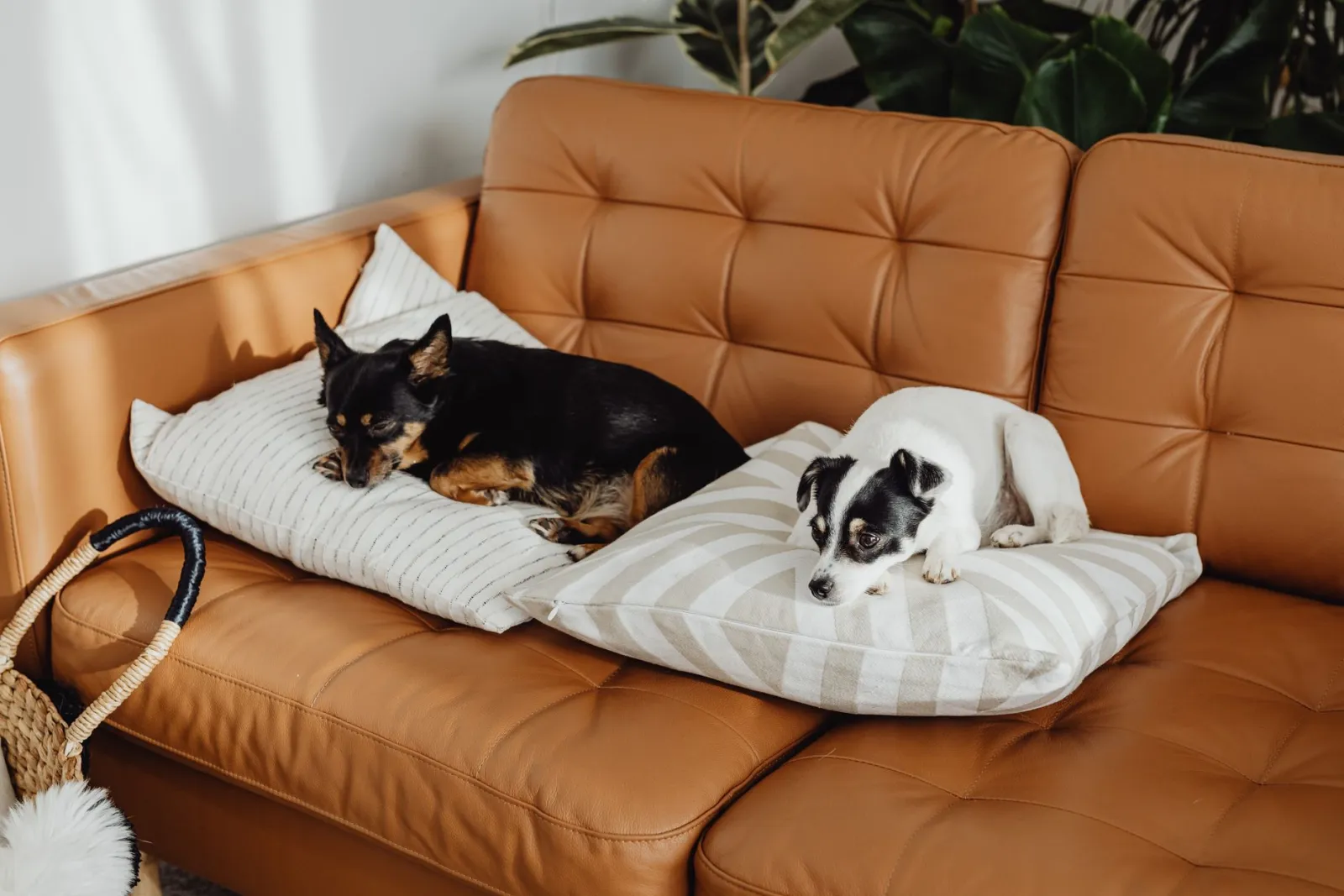
A sofa in a pet household is less a piece of furniture than a collection of embedded debris. Loose fur weaves into the fabric weave, dander settles into the cushion seams, and the occasional muddy paw or drool spot works its way past the surface fibres. A household vacuum with a standard floor head can lift some of this, but it rarely reaches the layer where the problem actually lives, and it does nothing for odour or for the sticky residue that traps fresh hair on contact.
A dedicated sofa cleaner machine addresses that deeper layer in two ways at once. The most capable models combine mechanical agitation, water or cleaning solution injection, and simultaneous extraction, so the fabric is loosened, flushed, and dried under suction in a single pass. That matters because pet soil is not a surface stain: it is a mix of oils, proteins, and fine particulate that bonds to the textile. Agitating alone redistributes it; wetting alone drives it further in. Only the combination of loosening and immediate extraction pulls it back out without leaving the fabric damp enough to develop musty odours.
The practical difference shows up in recurring scenarios. A dog that sleeps in the same corner every night compacts hair and body oils into one dense patch that a handheld vacuum will skim but never clear. A cat that marks a cushion arm leaves a residue that reactivates with humidity and keeps attracting new hair. A puppy accident that has dried leaves a ring that reappears after every surface wipe. In each case, the machine’s value is depth of removal rather than speed of cleaning, and the difference is usually visible in the colour of the extracted water and in how long the fabric stays fresh before the next clean is needed.
There is also a workflow argument. A dedicated machine is built around a hose, a small upholstery tool, and a tank sized for the job, which means you can work along seams, under cushions, and into the crevice where the back meets the seat without wrestling a full upright vacuum into awkward angles. Many units also let you switch between dry pickup and wet cleaning, so a quick fur pass and a deeper wash use the same tool rather than two separate devices.
For pet owners, the deciding factor is usually not raw suction but control over moisture and residue. Over-wetting upholstery is the most common way a cleaning attempt makes things worse, so a machine that lets you meter solution and extract thoroughly is worth more than one with the loudest motor. The sections that follow break down what to look for in agitation, extraction, tank design, and fabric suitability so the choice fits the sofa you actually own.
How Upholstery Cleaner Machines Work
Most upholstery cleaner machines follow the same basic logic: they apply a cleaning solution to the fabric, agitate it to loosen dirt, then extract the dirty liquid back into a tank. The two dominant designs are wet extraction machines, which spray and then vacuum up solution, and dry or low-moisture machines, which use a rotating brush with minimal liquid. Wet extraction tends to suit heavily soiled cushions and embedded pet hair, while low-moisture designs are easier on delicate fabrics and dry faster. Understanding which mechanism a machine uses matters more than the number of attachments in the box.
The spray-and-extract cycle is the core of a wet cleaner. A pump pushes solution through a nozzle onto the fabric, a brush or the suction head works it in, and a high-airflow vacuum pulls the dirty water back. The practical variables are suction strength, tank capacity, and hose length. Stronger suction removes more moisture, which shortens drying time; larger tanks mean fewer refills on a full three-seater; a longer hose lets you reach the back of a sofa without dragging the unit onto the cushions. As a rule of thumb, expect several passes over a stained area, letting the solution dwell briefly before extraction.
Agitation is the part owners underestimate. Pet accidents leave residue deep in the foam and fibres, and a machine that only sprays and sucks without brushing will lift surface dirt but leave the source of the odour behind. Look for a powered brush or a firm bristle head that works the solution into the weave. On tight-loop or microfiber upholstery, gentler agitation prevents fuzzing, while on plush or textured fabrics a more aggressive brush reaches embedded hair. Matching agitation type to your fabric is more useful than chasing the highest suction rating.
Drying and water handling complete the cycle. Extraction machines leave fabric damp, so airflow and time matter: good ventilation and a fan shorten the wait, and you should avoid sitting on cushions until fully dry to prevent mildew and odour returning. Tank design affects the whole job—separate clean and dirty tanks stop you re-applying soiled water, and a float shut-off prevents overflow when the recovery tank fills. For pet owners, a machine with a wide extraction path and a rinse mode lets you flush residual shampoo out of the fabric, which reduces the sticky residue that attracts fresh dirt.
Key Features to Compare Before You Buy
Before comparing individual machines, it helps to understand which features actually change the day-to-day experience of cleaning a sofa shared with pets. The first is agitation method. Brushes and motorized brush rolls lift embedded hair and dander from fabric, but stiff bristles can abrade delicate upholstery over time, so adjustable or removable brush rolls matter for homes with both durable microfiber and softer woven covers. Machines that rely on suction alone tend to be gentler but slower on pet hair that has worked its way into the weave.
Suction strength and airflow determine how much loose hair, dust, and debris the machine pulls out of cushions and crevices. Strong airflow matters most on low-pile and tightly woven fabrics, where hair sits on the surface, while deep-pile or loose-weave covers benefit from a combination of suction and mechanical agitation. Consider where pet hair accumulates in your home: a sofa used by a heavy-shedding dog needs more raw pickup power, while a cat that leaves mostly fine dander may be served well by moderate suction with good filtration.
Filtration and dirt containment are easy to overlook but directly affect air quality in the room where you clean. Look for multi-stage filtration and sealed systems that keep captured allergens and fine particles inside the machine rather than blowing them back into the room. Bagged versus bagless designs trade convenience against containment: bagless models are easier to empty and monitor, but emptying a full canister can release dust, so a canister that empties cleanly or a bagged system may suit allergy-sensitive households better.
Tank capacity and cord or battery setup shape how long a cleaning session lasts. Larger clean-water and dirty-water tanks mean fewer refills and empties on a full three-seater, while smaller tanks suit quick touch-ups on cushions and arms. Corded machines generally sustain consistent power for larger jobs, whereas cordless models offer freedom from outlets but run for shorter stretches, which matters if your sofa is far from a socket.
Finally, weigh weight and maneuverability against attachment range. A lighter machine with a crevice tool and an upholstery nozzle is easier to work along seams, under cushions, and into the gap between back and seat, where pet hair collects. Check hose length and whether the machine can be carried one-handed up stairs. Matching these features to your fabric type, shedding level, and storage space will narrow the field faster than any single specification.
Suction Power and Water Lift Explained
Suction power and water lift are the two specifications that most directly determine how well a sofa cleaner actually removes dirt and moisture from upholstery, yet they are frequently misunderstood or treated as interchangeable. They describe different things. Suction power, usually expressed in air watts or kilopascals, measures how much airflow the machine can pull through the fabric. Water lift, expressed in inches or millimetres of water, measures how high the machine can pull liquid against gravity—essentially the strength of the vacuum at the nozzle when the hose is sealed. A machine can be strong in one and weak in the other, and for sofa cleaning you need a sensible balance of both rather than a single headline number.
For pet owners, airflow matters most during the extraction pass. Pet hair, dander, and the fine grit that settles into cushion seams are lifted by moving air, so a cleaner with healthy airflow clears surface debris and pulls suspended soil out of the foam rather than merely wetting it. Weak airflow leaves the fabric damp and the dirt behind, which is the classic failure mode of a machine that sprays well but extracts poorly. When you compare units, look at how the airflow figure holds up with the hose attached and the nozzle pressed against fabric, since a rating measured at the open inlet tells you little about real cleaning conditions.
Water lift becomes the deciding factor when you are pulling cleaning solution and suspended dirt out of a thick cushion. Upholstery foam holds liquid stubbornly, and a machine with modest lift will leave the seat feeling clammy long after cleaning, which invites odour and rapid re-soiling. Higher lift shortens drying time and removes more of the dirty solution in fewer passes. As a rough guide, entry-level handheld spot cleaners tend to sit at the lower end of the lift range, mid-range canister and upright extractors offer a clear step up, and full-size carpet extractors sit at the top—but a very high lift paired with low airflow can stall and grab the fabric instead of cleaning it.
The practical case for pet owners is a machine that balances the two. A sofa with a single accident spot needs enough lift to pull the moisture out of one cushion quickly, while a whole-sofa refresh after shedding season rewards steady airflow across a wide nozzle. Adjustable suction is valuable here: lower settings let you work delicate or loosely woven covers without over-wetting, and higher settings handle durable, tightly woven fabrics and embedded hair. Check that the nozzle seals well against the cushion, because a poor seal wastes both airflow and lift no matter what the spec sheet claims.
Finally, treat the published figures as a starting point rather than a verdict. Hose length, nozzle design, and tank sealing all affect what reaches the fabric, and a machine with moderate but well-matched airflow and lift often outperforms one with a single impressive number. Match the specification to your sofa’s fabric and your pet’s habits, and prioritise consistent extraction over peak ratings.
Tank Capacity and Water Flow for Deep Cleaning
Tank capacity and water flow are the two specifications that most directly determine how much deep cleaning a sofa cleaner can actually deliver before you have to stop and refill or empty it. They work together: a large tank paired with weak flow still forces you to go over the same patch repeatedly, while strong flow with a small tank means constant interruptions. For pet owners, whose sofas typically hold embedded hair, dander, and odour-carrying residue across multiple cushions, getting this balance right matters more than almost any other feature.
Think of capacity in terms of cleaning sessions rather than litres. A compact cleaner with a small tank is suited to spot work: a single cushion, a pet’s favourite corner of the sofa, or a quick refresh of an armrest. A mid-sized tank generally covers a full two- or three-seat sofa in one pass, which is the practical threshold most households should aim for. Larger tanks suit sectionals, deep-pile upholstery that absorbs more solution, or households that clean several pieces of furniture in one go. As a rule, the dirtier the fabric and the more cushions involved, the more capacity you will want, because you will be laying down and extracting more liquid per square metre.
Water flow, sometimes described as spray rate or solution output, governs how deeply the cleaning solution penetrates the fabric and how effectively it is flushed back out. Low flow is gentle and controlled, which suits delicate weaves, fixed covers, and light maintenance cleaning where you mainly want to lift surface hair and freshen the fabric. Higher flow penetrates denser upholstery and pushes solution through the layer where pet residue accumulates, but it also wets the fabric more heavily, so extraction power and drying time become critical. A machine that sprays generously but extracts weakly leaves cushions damp and can leave residue behind, so flow should always be judged alongside suction.
The ratio between clean-water and dirty-water tanks is a practical detail worth checking. A dirty tank that fills long before the clean tank empties tells you the machine is pulling a lot of soil out of the fabric, which is a good sign, but it also means more frequent emptying mid-job. Some designs separate the two tanks clearly and make both easy to remove and rinse; others share a single reservoir, which is simpler but can slow you down on a large sofa. Ease of emptying matters as much as raw capacity when you are working across several cushions in one session.
Match the specification to your actual use. For a single armchair or occasional spot cleaning after muddy paws, modest capacity and low flow are perfectly adequate and keep the machine light and manoeuvrable. For a full three-seater that a dog or cat uses daily, prioritise a tank that covers the whole sofa without a refill and a flow setting you can adjust, so you can go stronger on the seat cushions and gentler on delicate edges. Adjustable flow is the most useful compromise, letting one machine handle both routine freshening and periodic deep cleaning of heavily soiled upholstery.
Choosing the Right Cleaning Solution for Pet Stains and Odors
The cleaning solution you put into the machine matters as much as the machine itself, and for pet households the choice deserves more thought than grabbing whatever bottle sits on the shelf. Pet accidents are a two-part problem: the visible stain, which is largely organic matter and dye, and the odor, which comes from residue the nose can detect long after the surface looks clean. A solution that removes the stain but leaves protein and fat residue behind will keep drawing your pet back to the same spot, so the right product needs to address both.
For everyday maintenance on washable upholstery, a mild, low-foaming formula designed for extraction machines is the safest starting point. Low foam is not a marketing detail: extraction cleaners rely on suction to pull liquid back out of the fabric, and a high-suds solution leaves soap residue that traps dirt and can wick back to the surface as the sofa dries, leaving a dull ring. Enzyme-based solutions are the practical choice for fresh accidents because they break down the organic components that cause lingering odor, and they work best when given dwell time on the fabric before extraction rather than being scrubbed in and immediately vacuumed away.
Match the solution to the fabric before anything else. Most sofa care labels fall into one of a few cleaning codes, and a water-based extraction solution is only appropriate for fabrics rated for water cleaning; dry-clean-only or delicate natural fibers can water-spot or shrink, and no solution choice overcomes that. On microfiber and tightly woven synthetics, a light pre-spray followed by a plain-water rinse pass is often enough. On deeper pile or textured weaves where accidents soak downward, plan on slower passes and a second rinse to lift residue from the base of the fibers.
Odor control is where pet owners most often go wrong. Masking fragrances and heavy perfumes cover the smell temporarily but leave a scent layer that can confuse or attract pets, and they do nothing about the source. Look for solutions formulated to neutralize odor rather than perfume it, and treat the whole cushion panel rather than just the visible spot, since liquid spreads laterally through foam and backing. For set-in odors, a dedicated odor-neutralizing pre-treatment applied ahead of the machine pass is more effective than repeatedly running the cleaner with a stronger mix.
Concentration is another lever worth understanding. Diluting per the label and running an extra rinse pass generally outperforms over-strength mixing, which risks sticky residue and fabric damage without cleaning deeper. Keep a plain-water rinse as your final step, allow the sofa to dry with airflow rather than heat, and reserve stronger enzymatic treatment for problem areas instead of whole-surface cleaning. The goal is a sofa that is genuinely clean at the fiber level, not one that simply smells different.
Corded vs Cordless Sofa Cleaners: Trade-Offs
The choice between a corded and a cordless sofa cleaner comes down to how you plan to use the machine and how much cleaning stamina you need in a single session. Corded models draw continuous power from a wall outlet, so suction and spray pressure stay consistent for as long as you keep working. That matters on a large sectional or a sofa that has absorbed years of pet hair, dander, and the occasional accident, where you may need to go over the same cushion several times. A cordless unit runs on a battery, which means its performance gradually tapers as the charge drains and you are working against a clock rather than a cord.
Corded machines are generally heavier and tethered to the nearest outlet, so you will want to plan your route around available sockets and possibly use an extension cord. The trade-off is that you rarely have to stop mid-clean to recharge, and you can keep steady suction through a full sofa, a set of dining chairs, and a car interior in one go. If your pet sheds heavily or you clean upholstery on a regular schedule, the uninterrupted power of a corded cleaner tends to be the more practical choice, provided you can live with the cable trailing behind you.
Cordless cleaners win on convenience and reach. Without a cord, you can move freely around tight corners, under furniture, and up and down stairs, and you can pull the machine out for a quick spot clean without hunting for an outlet. This suits smaller homes, apartments, or households that mostly need to tackle fresh messes and light maintenance rather than deep restoration. The catch is battery life: most cordless units give you a limited window of runtime per charge, and heavier suction settings drain the battery faster, so a big sofa may require a break or a second charge to finish.
Think about your typical job before deciding. For a single armchair or a quick refresh of a pet’s favorite spot on the couch, a cordless model’s freedom and easy storage are hard to beat. For a full three-seater that needs a thorough extraction, or for homes with multiple pets and multiple pieces of furniture, the sustained power of a corded machine usually finishes the job faster and with less frustration. Weight and storage also differ: corded units are bulkier to lug and store, while cordless models are lighter and easier to tuck into a closet.
A sensible middle path is to match the machine to your most common task rather than the rare one. If deep cleaning is occasional but spot cleaning is frequent, a cordless cleaner covers most of your needs; if deep cleaning is routine, prioritize the corded option and accept the cable as the price of consistent performance. Either way, check that the hose and tools reach into cushion crevices and along sofa seams, since reach and suction matter as much as the power source.
Attachments and Tools for Stairs, Corners, and Cushions
The tools bundled with a sofa cleaner matter as much as the machine’s suction and water recovery, because a sofa is not a flat, open surface. Most of the soil you need to lift sits in seams, along the back deck, down the sides of cushions, and on the vertical faces of arms and skirts. A single wide floor head will glide over the seat but leave those areas untouched, so look at what the manufacturer includes for detail work before you compare cleaning performance.
For stairs and the vertical runs of a sofa back, a smaller hand tool with a short, narrow nozzle is the practical minimum. The best versions combine a brush strip with the extraction slot so agitation and rinse happen in one pass, which matters on carpeted stair treads where you cannot easily pre-scrub by hand. A tool that is too wide will bridge the nose of each tread and fail to seal, so a compact head that fits within the tread depth gives noticeably better pickup. Flexible or swivel necks help on winding staircases and around newel posts.
Corners, seams, and the crevice between the seat deck and the back are where crumbs, pet hair, and grit collect. A crevice tool or a tapered nozzle reaches these gaps; a brush-only attachment loosens debris but does not extract it. A useful order of magnitude to keep in mind is that detail nozzles are typically a fraction of the width of the main head, which is exactly what lets them get into tight folds without pushing soil deeper. For upholstery with piping or welted seams, a soft-bristle tool reduces the risk of snagging threads.
Cushions deserve their own approach. Removing them and cleaning both faces on a flat surface gives more even water coverage and faster drying than cleaning them in place, and a medium hand tool with a brush works well here. For loose back cushions and throw pillows, a smaller, gentler tool prevents over-wetting the filling. If the machine offers a rinse-only or low-moisture setting, pairing it with a detail tool helps flush detergent residue from cushion covers without soaking them.
Finally, check how tools attach and store. A quick-release cuff and onboard storage mean you will actually switch tools mid-job rather than forcing the wide head into every gap. Confirm that the hose reaches comfortably up a flight of stairs without straining, and that the detail tools are compatible with the same hose diameter. A modest set of well-fitting tools usually outperforms a large kit of loose, poorly sealing attachments.
Drying Time and Preventing Musty Odors
Drying time is the variable most often overlooked when people compare sofa cleaner machines, yet it determines whether a cleaning session leaves you with a fresh couch or a damp one that smells worse than before you started. The core principle is simple: the faster and more evenly a machine extracts the cleaning solution, the shorter the window during which moisture sits inside the foam and fabric. Machines that rely on strong suction and a squeegee-style extraction pass pull more liquid out of the upholstery in each stroke, while models with weaker extraction leave a wetter surface that must air-dry for far longer. When you compare options, pay attention to how the machine handles water recovery, not just how it sprays and agitates.
As a practical target, a well-extracted sofa surface should feel only slightly damp to the touch immediately after cleaning, not wet or squishy. If you can press a dry cloth into the cushion and it comes away visibly wet, the machine has left too much moisture behind. In that situation, run additional dry extraction passes over the same area before moving on. Pet owners dealing with repeated accidents should treat extraction quality as a priority over extra features, because residual moisture in cushions is the main driver of lingering odor and slow drying.
Airflow matters as much as extraction. Even a good machine benefits from open windows, a fan directed across the sofa, or a dehumidifier running in the room, all of which shorten drying time considerably compared with still, humid air. Cushions and removable covers should be propped up or stood on edge so air can reach both faces rather than trapping moisture against the frame. Avoid pushing the sofa against a wall or covering it with throws until it is fully dry, since trapped air underneath and behind the cushions is where musty smells develop.
Musty odors come from moisture that stays in the padding long enough for the environment to turn stale, so prevention is mostly about speed and thoroughness. Clean in the morning on a dry day when possible, so the sofa has hours of airflow before evening. Use the machine’s solution sparingly and follow extraction with a plain-water rinse pass if the model supports it, since leftover cleaning residue can attract dirt and hold moisture. For pet owners, blot fresh accidents promptly and use the machine’s extraction function to pull liquid out rather than pushing it deeper.
Finally, judge dryness by feel and smell, not by the clock. A sofa that seems dry on the surface can still hold dampness deep in the foam, so check the seams, the base of the cushions, and the areas against the frame before declaring the job done. If any coolness or damp smell remains, give it more airflow time. Building these habits into every cleaning session keeps drying short and keeps musty odors from becoming a recurring problem.
Maintenance, Filter Care, and Long-Term Value
Maintenance is where the real cost of ownership of a sofa cleaner machine is decided, and it matters more for pet owners than for anyone else. A machine that lifts pet hair and dander from upholstery is doing heavy work, and the parts that capture that debris need regular attention. Before buying, check how accessible the filter, brush roll, and dirty-water tank are, and whether replacement filters and brushes are easy to find. A model with a washable primary filter and a removable brush roll will cost less to run over several years than one that depends on proprietary consumables you must reorder.
Filter care is the single most important habit. Pet hair and fine dander clog filters quickly, and a clogged filter reduces suction, forces the motor to work harder, and spreads stale odors back into the room. Plan to empty and rinse or replace the filter after every few deep cleans of a heavily used sofa, and to check the brush roll for wrapped hair each time you finish. Machines with a separate pre-motor filter and a fine exhaust filter generally hold up better because the coarse debris is caught before it reaches the finer stage. If the filter is washable, let it dry completely before refitting it, since a damp filter encourages odor and reduces airflow.
The brush roll and nozzle deserve the same scrutiny. Long pet hair wraps around rotating brushes and dulls their agitation, so a tool-free release for the brush roll saves time and frustration. Look for a design where the brush can be lifted out and cleaned without tools, and where hair is guided toward the tank rather than tangled at the ends. On upholstery, a motorized pet tool with a rubber or stiff-bristle edge tends to dislodge embedded hair better than a plain crevice tool, and it is easier to keep clean.
Long-term value comes from matching the machine to how often you will actually use it. A household with one short-haired pet may deep clean a sofa seasonally and can accept a simpler, lighter machine with modest filtration. A home with several heavy-shedding pets, or a sofa that is the pet’s favorite spot, will justify a machine with larger tanks, sturdier filtration, and readily available replacement parts. Weigh the purchase price against the cost and availability of filters and brushes over the machine’s life, and favor models whose consumables are standard and inexpensive.
Finally, storage and drying affect longevity. Empty and rinse the dirty-water tank after each use, leave the tank and filter open to air-dry, and store the machine with the brush roll clean and the cord loosely coiled. These habits keep suction strong, prevent odors from settling into the machine, and extend the interval between replacements, which is what makes a sofa cleaner a genuine long-term investment rather than a short-lived convenience.
Frequently asked questions
What is the difference between a sofa cleaner machine and a regular vacuum?
A regular vacuum lifts loose debris, dust, and pet hair from the surface of upholstery using suction alone. A sofa cleaner machine combines suction with a liquid cleaning solution and a wet extraction step, so it flushes dirt and residue out of the fabric fibers rather than just removing what sits on top. Many upholstery cleaners also include a brush or agitation feature that loosens embedded grime before extraction.
Can an upholstery cleaner remove pet urine odors from couch cushions?
An upholstery cleaner can help by flushing out urine residue trapped in the fabric and foam surface, which is often the source of lingering odor. Deep wet extraction removes more of that residue than surface wiping. However, urine that has soaked deep into foam padding may not be fully reached by a surface cleaner. Treat the affected area, extract thoroughly, and allow complete drying, since trapped moisture can leave its own smell.
How often should I deep clean my sofa in a home with pets?
Frequency depends on how much your pets use the sofa and how much shedding or tracking happens. A practical approach is to vacuum the upholstery regularly to control hair and dander, and to deep clean with an upholstery machine when you notice dullness, spots, or odor, or on a routine schedule you set based on your household. Homes with heavy shedding or accidents usually need more frequent attention than homes with calm, low-shedding pets.
Do I need a separate cleaning solution for pet stains?
Not necessarily a separate product, but the solution should suit the fabric and the type of mess. General upholstery cleaning solutions work for everyday dirt and hair, while enzyme-based formulas are commonly used for organic pet messes because they help break down the proteins and oils involved. Always check the cleaner manufacturer’s guidance and test any solution on a hidden area of the fabric before applying it broadly.
Are cordless sofa cleaners as powerful as corded models?
Corded models generally deliver more consistent suction and can run continuously without battery limits, which often makes them stronger for deep extraction over larger areas. Cordless models offer freedom of movement and are convenient for quick spot cleaning, but their power and runtime depend on the battery. For heavy pet messes and full-sofa cleaning, a corded machine is usually the more capable choice; cordless suits lighter, targeted work.
How long does upholstery take to dry after cleaning?
Drying time varies with the fabric, the amount of moisture the machine leaves behind, and the room’s airflow and humidity. Lightly dampened upholstery may dry within a few hours, while deeply cleaned cushions can take longer. Speed drying by opening windows, running a fan, and increasing ventilation. Avoid sitting on or covering the sofa until it is fully dry, since trapped moisture can encourage odor and mildew.
Can I use a sofa cleaner on delicate fabrics like velvet or linen?
It depends on the fabric and its care instructions. Velvet and some linens can be sensitive to moisture, brushing, and heat, so wet extraction may cause water marks, pile distortion, or shrinkage. Check the furniture’s cleaning code or care label first, and test any machine on a small hidden area. For delicate upholstery, gentle low-moisture methods or professional cleaning are often safer than aggressive wet cleaning.
What maintenance does an upholstery cleaner need to keep working well?
Empty and rinse the dirty water tank after each use, and clean the nozzle, brush, and filters of hair and debris so airflow and suction stay strong. Let tanks and components dry fully before reassembling to prevent odor and mildew. Store the machine with the solution tank emptied, and follow the manufacturer’s instructions for any filter replacement or deep cleaning of internal parts to keep performance consistent over time.
Read next :How do self-cleaning cat litters work? · Home Bargains Garden Furniture: A Practical Guide for Pet Owners · Standard Sofa Sizes: A Complete Guide to Choosing the Right Fit · Best Dog Toys: A Practical Guide for a Happy, Healthy Home · Safe Indoor Plants for Dogs: A Room-by-Room Guide to Pet-Safe Greenery
Work out your own case in 30 seconds:
Methodology
This calculator produces an indicative estimate based on the parameters you enter. The ranges used reflect typical market tiers in the eco and energy savings space and are neither a commercial offer nor a guarantee. Prices and availability may vary.
Read next :Fitted Sheets: A Practical Guide to Choosing, Fitting and Caring for Them
Read next :Choosing a Dog Bed for Dogs with Arthritis: A Practical Guide
Read next :Best Indoor Plant Fertilizer: A Complete Buying Guide
Full guide :Appliances
More from this guide :
Was this guide helpful?
Share your experience with the WiseHomeGuides community.