This article contains Amazon affiliate links. As an Amazon Associate we earn from qualifying purchases.
Short answer : Solar panel pricing for homeowners depends on system size, panel efficiency, roof conditions, and local installation costs, so quotes vary widely between properties. Rather than chasing a single headline figure, compare itemised quotes that separate equipment, labour, permits, and any battery or inverter add-ons. Pet owners should also factor in practical considerations such as keeping panels and wiring clear of chewing animals and planning installation around outdoor routines. A clear price guide helps you budget realistically and ask installers the right questions before committing.
In short
- Request itemised quotes separating panels, inverter, mounting, labour, permits, and any battery costs.
- System size and roof orientation affect total price more than any single panel specification.
- Compare several local installers rather than accepting the first quote you receive.
- Ask how pets will be kept safe from wiring and access points during and after installation.
- Check warranty terms and maintenance expectations before signing any installation contract.
Understanding What Drives Solar Panel Prices
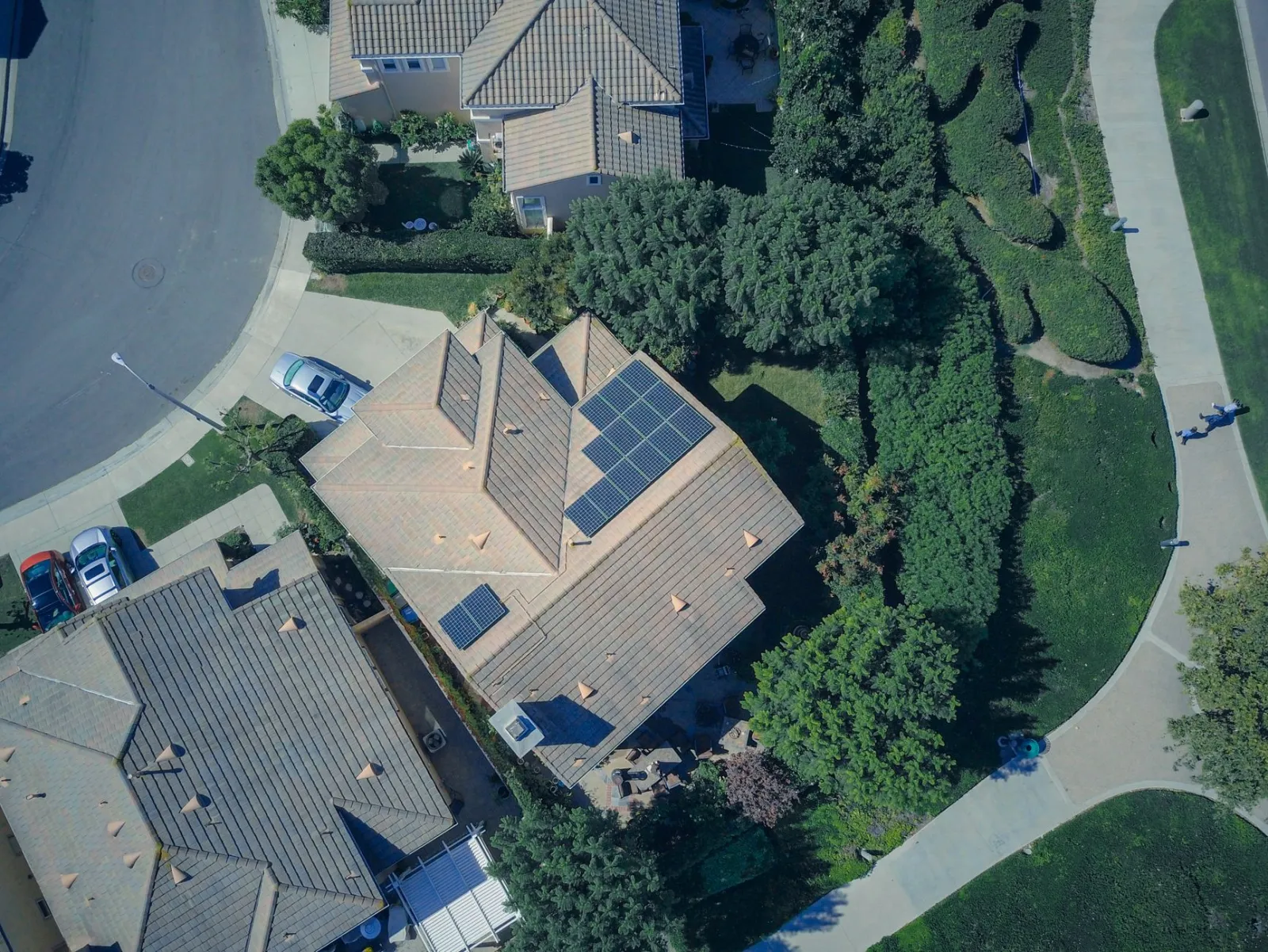
Solar panel pricing is not a single number but the result of several interacting factors, and understanding them helps homeowners judge whether a quote is reasonable before they commit. The most visible driver is the cost of the panels themselves, which varies with the technology used. Monocrystalline panels, which convert more sunlight per square foot, generally sit at the higher end, while polycrystalline and thin-film options cost less upfront but may require more roof area to reach the same output. A homeowner with a small or shaded roof often pays more per watt because higher-efficiency panels are needed to fit the target capacity, whereas someone with a large open roof can choose lower-cost panels and still meet their energy goals.
Beyond the panels, the balance-of-system components shape the total: inverters, mounting hardware, wiring, and safety disconnects all add to the bill, and the inverter choice alone can swing costs noticeably between a central string inverter and microinverters or power optimizers. Installation labor is another major factor, and it is heavily location-dependent. Complex roofs with multiple planes, steep pitches, or obstructions take longer to work on and raise labor costs, while simple, unobstructed roofs keep installation efficient. Permitting, inspection fees, and utility interconnection charges also vary widely by jurisdiction and can add a meaningful fixed cost regardless of system size.
System size itself matters in a non-linear way. Because many costs—permitting, design, inverter capacity, and crew mobilization—are partly fixed, the price per watt typically falls as the system gets larger, so a modest starter array often costs proportionally more per watt than a larger whole-home system. Battery storage is a separate and significant line item; adding backup capability raises the total substantially and should be evaluated against how much outage protection a household actually needs.
For pet owners, there are practical considerations that influence value rather than sticker price. Homes with pets often have higher daytime electricity use from climate control, which can improve the payback of a larger array, and roof space may be constrained by pet enclosures or shade structures that affect panel placement. Finally, incentives and financing terms change the effective price far more than the headline quote: federal tax credits, state rebates, and net metering rules vary by region, and loan interest or lease escalators can make two similar quotes cost very different amounts over time. Comparing quotes on an apples-to-apples basis—same capacity, same equipment class, same warranty terms—is the surest way to see what is really driving the price.
How to Read a Solar Quote Line by Line
A solar quote is only useful if you can decode it, because the headline number rarely tells the whole story. Start with the equipment line, which should name the panels and the inverter separately rather than lumping them into one “system” figure. Check that the panel wattage and the inverter capacity are stated explicitly, and that the inverter is sized sensibly against the array. A quote that lists a single total for “panels and installation” without breaking out hardware makes it impossible to compare against competing bids, so ask for the itemized version before you evaluate anything else.
Next, look at the balance-of-system lines: mounting hardware, wiring, rapid shutdown devices, and any monitoring equipment. These are the items installers sometimes fold into labor to make the labor rate look lower than it is. A well-built quote separates racking and electrical components from installation labor, because those costs behave differently. If you own a pet that will share the yard, pay attention to how the quote handles critter guard or wire management under the array, since exposed wiring and gaps beneath panels are exactly where animals tend to investigate.
The labor and permitting section deserves close reading. Permitting, inspection coordination, and utility interconnection are real administrative costs, and a quote should show whether they are included or billed separately. Design and engineering fees may appear as their own line or be absorbed into the project total. Watch for vague entries like “miscellaneous” or “fees” with no explanation; a reputable quote explains what each charge covers. Interconnection matters especially if you plan to add storage later, because the utility application process can differ.
Finally, examine the financial terms and the fine print around them. The quote should distinguish clearly between a cash price and a financed price, since financing often bundles dealer fees and origination costs that inflate the total. Look for the stated warranty terms on workmanship versus equipment, the expected timeline from contract signing to permission to operate, and whether the price assumes a specific roof condition or includes any needed repairs. A quote that quotes a firm price contingent on a site assessment should say so plainly. Comparing two bids line by line, rather than by total, is the only reliable way to see which one actually offers more for the money.
Cost per Watt: The Number That Matters Most
Cost per watt is the single figure that lets you compare solar quotes that look nothing alike on paper. One installer may present a system as a lump sum, another may bundle panels, inverter, mounting, and labor into a single number, and a third may quote equipment and installation separately. Stripping each quote down to a dollars-per-watt figure puts them on the same footing: take the total installed cost, divide by the system’s rated capacity in watts, and you have a number you can line up against every other bid. It is not a perfect measure, because it says nothing about the quality of the components or the workmanship behind them, but it is the fastest way to spot a quote that is out of line with the rest.
The most useful way to read cost per watt is in bands rather than exact figures. A quote that lands noticeably below the typical range for your area usually signals one of a few things: smaller system size, lower-tier equipment, a bare-bones scope that excludes monitoring or warranty extras, or a contractor cutting corners on labor. A quote that sits well above the range may reflect premium hardware, complex roof work, battery storage folded into the total, or simply a high-overhead sales operation. Neither extreme is automatically wrong, but each deserves a direct question about what is and is not included.
Scope matters enormously here. Two quotes can share the same cost per watt while covering very different work. Ask whether the figure includes permits, inspection fees, electrical panel upgrades, trenching for ground mounts, removal of old roofing, and monitoring hardware. A quote that excludes a panel upgrade you will need anyway is not really cheaper, it just hides the cost elsewhere. The same applies to warranty length and whether production guarantees are part of the package. Adjusting each quote to a genuinely comparable scope before comparing cost per watt is the step most homeowners skip, and it is the one that prevents unpleasant surprises later.
System size changes the number in a predictable direction. Larger systems spread fixed costs, such as design, permitting, and the crew’s mobilization, across more watts, so cost per watt tends to fall as capacity rises. A small system sized for a modest roof or a low-usage household will often show a higher cost per watt than a larger one from the same installer, and that is normal rather than a red flag. If you are comparing a small quote against a large one, keep that effect in mind so you do not penalize the smaller job for a structural difference.
For pet owners, the practical angle is planning capacity around real household load. Homes with heated pet beds, aquariums, or climate-controlled outbuildings draw more than a typical profile, and sizing the system correctly the first time keeps cost per watt meaningful. An undersized system that forces a later expansion usually costs more per watt in the end than getting the capacity right up front. Use cost per watt as your comparison tool, but pair it with a clear scope and a realistic load estimate before you sign anything.
Panel Type and Efficiency: Where Your Money Goes
The type of panel you choose is the single biggest driver of what you pay per watt, and it helps to understand why before comparing quotes. Most residential panels fall into two broad families: the mainstream monocrystalline panels that dominate today’s market, and older polycrystalline technology that still appears in budget installations and clearance offers. Monocrystalline panels are cut from a single crystal structure, which lets them convert more of the sunlight hitting them into usable electricity within the same footprint. Polycrystalline panels are assembled from multiple crystal fragments, which makes them cheaper to produce but slightly less efficient per square metre. The price gap between the two is usually modest per panel, but it compounds across a whole roof, and the cheaper option can end up costing more if it forces you to buy extra panels to hit your target output.
Efficiency is where the money genuinely goes, because a higher-efficiency panel does more work in less space. If your roof is large, unshaded, and uncomplicated, a mid-range efficiency panel is usually the sensible financial choice: you simply spread more panels across the available area and accept a slightly lower output per panel. If your roof is small, partly shaded, or broken up by chimneys, skylights, and dormers, paying more per panel for higher efficiency often works out cheaper overall than trying to cram in additional lower-efficiency units. The same logic applies to outbuildings, garages, and carports where usable surface is limited.
Temperature behaviour and long-term degradation matter as much as the headline efficiency figure on a datasheet. Panels lose output as they heat up, and the rate at which they do so varies between product types, which is worth checking if you live somewhere with long, hot summers. Degradation is the slow decline in output over the panel’s life, and a panel that holds its output better over twenty or twenty-five years can justify a higher upfront price. Ask for the warranty terms on output rather than just the years of coverage, since a long warranty with a weak output guarantee is worth less than it appears.
For pet owners, panel type has a practical dimension that rarely appears in price comparisons. Higher-efficiency panels mean fewer units and fewer mounting rails, clamps, and cable runs on the roof, which reduces the number of edges and gaps where debris, nesting birds, and climbing animals cause problems. Fewer panels also means a simpler layout to inspect when you are checking for damage after a storm or a chewing incident. If you have dogs that spend time in the garden, keeping the array compact and elevated on a sturdy frame reduces the chance of a ball, a lead, or an enthusiastic animal reaching the wiring.
Finally, treat panel type as one part of a system price rather than an isolated purchase. Inverters, mounting hardware, cabling, and labour are largely fixed costs regardless of which panel you pick, so a small increase in panel price per unit often has less impact on the total quote than homeowners expect. Get quotes that specify the panel type, its efficiency, and its output warranty separately, so you can see exactly what the extra money buys you.
Inverter and Mounting Costs Beyond the Panels
The panels are the most visible part of a solar installation, but they are rarely the largest line item once the full system is priced. The inverter, the mounting hardware, and the associated electrical balance-of-system components often account for a substantial share of the total cost, and homeowners who budget only for panels are frequently surprised by the remainder. Understanding what drives these costs helps you compare quotes fairly and avoid a system that is undersized or poorly matched to your roof.
The inverter is the component that converts the direct current produced by the panels into usable alternating current for your home. There are three broad approaches, and each carries a different cost profile. A single central string inverter is typically the least expensive upfront option and works well on a simple, unshaded roof with a uniform orientation. Microinverters, mounted under each panel, cost more per unit but allow panel-level monitoring and reduce the impact of shading or a single failed unit. Optimisers paired with a string inverter sit between the two. For pet owners, panel-level monitoring can be genuinely useful: a curious animal or debris dislodging one panel’s output shows up immediately rather than dragging down the whole array’s performance unnoticed. Inverter replacement is also a real long-term consideration, since inverters generally have a shorter service life than the panels themselves, so factor a replacement into your lifetime cost view.
Mounting hardware is the second major cost beyond the panels, and its price depends heavily on your roof type and location. A standard pitched roof with composite shingles uses relatively simple rails and clamps. Tile roofs, slate, or metal standing-seam roofs require specialised brackets and flashing to preserve the roof’s watertightness, which adds labour and material cost. Ground-mounted systems need a different structural frame and often concrete footings, pushing costs higher again. If your roof is older or needs repair, addressing that before installation avoids paying to remove and reinstall the array later.
Beyond inverter and racking, the balance of system includes wiring, conduit, disconnects, a rapid shutdown device where required, and often a monitoring gateway. These items are individually modest but add up, and their cost scales with the distance from the array to your main electrical panel and the complexity of your existing service. An older panel that needs upgrading to accommodate the solar connection is a common hidden cost.
When comparing quotes, ask each installer to break out inverter type, mounting system, and electrical work as separate lines rather than a single lump sum. That transparency lets you see whether a lower headline price reflects cheaper hardware, a simpler roof, or simply an omission you will pay for later.
Installation Labor and Permitting Fees Explained
Installation labor and permitting fees are the parts of a solar quote that homeowners most often overlook, because they are rarely broken out as separate line items. When you compare bids, ask each installer to show labor and permitting as distinct figures rather than folding them into a single “installation” total. Labor typically scales with the size and complexity of the array, the pitch and height of your roof, and whether the mounting surface is a standard shingle roof or something harder to work with, such as tile, metal, or a steeply angled roof. A simple, low, unobstructed roof on a modest system sits at the lower end of the labor range, while multi-story access, fragile roofing materials, or extensive conduit runs push it upward.
Permitting covers the paperwork and approvals required before and after installation: the building permit from your local jurisdiction, electrical inspection sign-offs, and the utility’s interconnection application. These costs vary enormously by location because they reflect local fee schedules and the amount of administrative work involved. Some jurisdictions have streamlined, low-cost solar permits, while others require more review and carry higher fees. A competent installer should be able to tell you the typical permit cost in your area and whether utility interconnection charges apply separately.
Beyond the permit itself, several soft costs cluster in this category and are worth clarifying in writing. These include engineering stamps or structural reviews if your roof needs one, scheduling and passing the inspection, and any utility fees for metering changes or interconnection review. Ask specifically whether these are included in the quoted price or billed later, since surprise charges after signing are a common source of frustration.
Practical criteria help you judge whether a labor and permitting figure is reasonable. Compare the labor line across at least three bids for the same system size and roof type, and treat a suspiciously low labor number as a signal to check what is excluded. Confirm who pulls the permit and who is responsible if the jurisdiction requires revisions or a re-inspection. Ask about the timeline for permitting, because slow approvals delay the whole project and can affect financing or incentive deadlines.
For pet owners, one practical consideration touches installation day: crews will be moving equipment, ladders, and conduit through your yard and around your home. Ask the installer how they will secure gates, keep pets indoors or away from the work zone, and clean up debris such as screws and wire clippings that can be hazardous to animals. Clarifying these expectations before work begins keeps the installation smooth and avoids accidents.
Battery Storage: When It Is Worth the Extra Spend
Battery storage is rarely the line item that makes a solar installation pencil out, and treating it as an automatic add-on is the fastest way to overspend on a system. The honest starting point is that a battery changes the economics of a solar purchase rather than improving them: panels generate value by producing electricity you would otherwise buy, while a battery only creates value when it lets you use that electricity at a moment when grid power is expensive or unavailable. If your utility credits exported solar at or near the retail rate, the grid itself is already storing your surplus for free, and a battery mostly duplicates a service you are not paying for.
The clearest case for storage is a rate structure that pays you little for what you export and charges a lot for what you draw in the evening. Under those conditions, shifting daytime surplus into the evening replaces expensive grid electricity with power you already generated, and the battery earns its keep through that daily arbitrage rather than through backup alone. The value scales with the gap between your export credit and your evening rate, so a homeowner on a strong net-metering tariff has far less to gain than one on a low export rate with high evening prices.
Reliability is the second legitimate driver, and it deserves a sober look at what you actually need to keep running. Whole-home backup requires a large battery bank and a substantial budget, while a modest battery paired with a critical-loads panel can carry a refrigerator, lighting, internet, and a few outlets through an outage for a meaningful stretch. For pet owners, that calculation often tips: a home that needs to keep a heated or cooled space safe for animals during an outage has a stronger case for storage than one where an outage is merely inconvenient. If outages in your area are rare and short, a generator or no backup at all may be the more rational spend.
Timing and incentives matter as much as the hardware. Battery costs have fallen over time, and pairing storage with a new installation avoids the separate labor and permitting of a retrofit, so if you are confident you will want a battery eventually, adding it during the initial build is usually the cheaper path. Conversely, if you are unsure, designing the system so a battery can be added later — with compatible inverter capacity and a reserved spot — preserves the option without committing the money now. Local rebates and tax treatment for storage vary widely and can shift the math considerably, so confirm what applies in your area before deciding.
A practical test is to ask what specific problem the battery solves. If the answer is “evening bills under a poor export rate,” the case rests on the rate gap and can be estimated from your own usage pattern. If it is “keeping the house livable for people and pets during outages,” the case rests on outage frequency and the loads you refuse to lose. If the answer is vague enthusiasm about independence, wait. Storage is worth the extra spend when it addresses a concrete, recurring cost or a real reliability gap — not when it is bought as a symbol of self-sufficiency.
Financing Options: Cash, Loans, and Leases Compared
Cash purchases offer the simplest path: you own the system outright from day one, avoid interest charges entirely, and capture the full value of every kilowatt-hour the panels produce. The trade-off is the upfront outlay, which is why this route suits homeowners with available savings or home-equity capacity who plan to stay in the property long enough to recoup the investment. If you intend to move within a few years, paying cash can leave value on the table unless the sale price reflects the added asset.
Solar loans work like a home improvement financing product: you borrow the system cost, often through a lender partnered with the installer, and repay it monthly. Because you own the equipment, you remain eligible for any available tax incentives and the loan can typically be paid off early. The key criteria to compare are the annual percentage rate, the term length, and whether the lender imposes dealer fees that inflate the financed amount. A shorter term means higher monthly payments but less total interest; a longer term lowers the monthly burden but can erode savings over the life of the loan. This option fits households with steady income and decent credit who want ownership without draining cash reserves.
Leases and power purchase agreements (PPAs) shift the model: a third party owns the system and you pay for the electricity it produces or a fixed monthly lease, usually with little or no money down. The appeal is immediate bill relief without capital outlay, which suits pet owners and families on tight budgets or those with shaded or complicated roofs where ownership risk feels high. The catch is that you generally do not receive the tax incentives, and the agreement attaches to the property, which can complicate a home sale and requires the buyer to assume the contract.
A practical way to decide is to match the option to your time horizon and tax situation. If you have taxable income to offset and plan to stay put, ownership through cash or a loan usually delivers the strongest long-term economics. If cash is limited or you expect to move soon, a lease or PPA reduces exposure but trades away upside. For households with pets, factor in roof access and equipment placement during installation regardless of financing choice, since animals and wiring don’t mix and the installer’s warranty terms should be confirmed before signing.
Incentives and Tax Credits That Lower Your Price
Incentives and tax credits are often the difference between a solar quote that feels out of reach and one that fits a household budget, so it pays to understand how they work before you compare installer proposals. The single most important distinction is between a credit and a rebate. A tax credit reduces the amount of tax you owe dollar for dollar, while a rebate or upfront discount simply lowers the purchase price. A credit is only valuable if you have enough tax liability to absorb it in the year it applies, though many programs allow unused amounts to carry forward. Ask each installer which incentives they have already subtracted from their quoted price and which ones you must claim yourself, because a quote that looks cheaper may simply be assuming credits you have not yet confirmed you qualify for.
The federal residential clean energy credit is the anchor of most homeowners’ savings math. It is calculated as a percentage of your out-of-pocket system cost, including installation and certain associated equipment, and it is claimed when you file your annual return rather than taken off the invoice. Because it is percentage-based, its value scales with the size and cost of your system, which means a larger array produces a larger credit but also a larger upfront outlay. If you cannot use the full credit in one year, check the current carry-forward rules for your situation, and confirm eligibility with a tax professional rather than relying on a salesperson’s summary.
State and local programs vary enormously and are where careful homeowners find the most additional value. Some states offer their own income tax credits or deductions for residential solar, while others rely on property tax exemptions that keep the added system value off your assessment for a period of years, or on sales tax exemptions at the point of purchase. Utility-administered rebates are common in areas with renewable portfolio obligations and are usually paid as a fixed amount per installed watt or as a performance payment tied to production. These utility programs frequently come with capacity caps and step-down schedules, so the amount available can shrink as the program fills, which rewards homeowners who apply early.
For pet owners, the practical angle is that incentives change the payback calculation on the whole property, not just the roof. A household that runs climate control for animals, keeps outdoor lighting, or operates heated shelters or waterers has a higher and steadier electricity baseline, which makes the savings from self-generated power easier to predict. Pairing a system with a battery can also keep critical loads running during outages, a consideration that matters if you have animals dependent on temperature control. Some incentive programs treat storage differently from generation, so confirm whether batteries qualify separately before you size a system around backup needs.
Finally, treat incentive paperwork as part of the project scope. Confirm which entity issues each credit or rebate, what documentation is required, and whether the installer handles the filing or hands it back to you. Keep your itemized invoices and proof of payment, since credits are typically claimed against documented costs. A realistic price comparison nets out only the incentives you have verified you qualify for, and leaves the rest as upside rather than baked into the budget.
Protecting Your Roof and Pets During Installation
Installation day affects two things that are easy to overlook when you are focused on the solar panel price: the condition of your roof and the safety of your pets. A solar array adds weight and penetrations to a structure that already carries a lot, and installers need to move across it repeatedly. Before work begins, ask how the crew will protect the roof surface and how they will handle the animals that share your home. These questions cost nothing and prevent problems that are far more expensive than the system itself.
Roof protection starts with how the panels are mounted. Panels are typically attached to rails fixed on mounting feet that penetrate the roof covering and are sealed at each point, so the quality of those seals matters more than the number of panels. Ask the installer to explain the flashing and sealing method for your roof type, since tile, shingle, and metal roofs each require different approaches. Walk the roof line before and after the job and photograph any pre-existing damage, so you have a clear record if a question arises later. Keep foot traffic concentrated on protected walkways rather than spread across the whole surface.
Structural capacity deserves a direct conversation. An installer should confirm that your roof framing can carry the added load of the array plus mounting hardware, and older roofs may need reinforcement or partial repair first. If your roof is near the end of its service life, replacing it before installation avoids paying twice for labor and removal. Clear the area beneath the work zone of anything fragile, and keep gutters and downspouts accessible so debris from drilling does not clog drainage.
Pets need a plan for the duration of the work. Installers carry tools, move ladders, and open doors repeatedly, which creates escape risk for indoor cats and dogs. Confine pets to a room away from the work area, and tell the crew at the start that animals are inside. Secure outdoor pets in a separate yard or indoors, and check that gates and fences are closed before the crew arrives. Loud drilling and unfamiliar voices can stress animals, so keeping them away from the noise is both safer and calmer for them.
After installation, inspect the roof and the surrounding ground for dropped screws, wire clippings, and sealant scraps, which are hazards for pets that chew or swallow objects. Confirm that all conduit and wiring are secured out of reach, and that no sharp edges remain at ground level. Ask the installer to show you the finished penetrations and confirm the seals are intact. A short, careful review at the end protects both your roof and the animals that live under it.
Frequently asked questions
What is a typical solar panel price per watt?
Solar pricing is usually quoted per watt so you can compare systems of different sizes on equal footing. The figure you see bundles panel cost with inverters, mounting, wiring, permits and labor, so it reflects a full installed system rather than the hardware alone. Panel-only pricing is lower but rarely the number that matters for a homeowner. Because local labor rates, roof complexity and permit rules differ, the per-watt figure shifts by region, so treat any quoted rate as a starting point for your own quotes.
Why do solar quotes vary so much between installers?
Quotes differ because installers bundle different equipment, labor practices, warranties and overhead into their pricing. One may use premium panels and microinverters, another standard panels and a string inverter. Roof complexity, shading, trenching and permit fees also change the labor portion. Sales commissions and financing markups can inflate a quote without changing the hardware. To compare fairly, ask each installer for the same system size, equipment list, warranty terms and whether the price includes permits, inspection and monitoring.
Does the solar panel price include installation?
It depends on how the price is presented. Advertised panel prices often refer to hardware only, while a full quote should state whether installation, mounting hardware, inverters, wiring, permits and inspection are included. Always ask for an itemized breakdown so you can see what is bundled. A low headline price that excludes labor, electrical upgrades or permit fees can end up costing more than a higher all-inclusive quote. Confirm in writing what the final price covers before signing.
How much do solar panels add to a home’s value?
Solar can contribute to resale value, but the amount varies with local demand, system age, ownership type and how the installation is documented. Owned systems with transferable warranties tend to be easier to value than leased systems with remaining payments. Appraisers increasingly recognize solar, yet markets differ, so there is no single figure that applies everywhere. Keep permits, monitoring access and warranty paperwork organized, and ask a local real estate professional how solar is treated in your area before assuming a specific premium.
Are cheaper panels a false economy?
Cheap panels are not automatically a bad choice, but the lowest price can hide trade-offs. Lower-cost panels may have shorter warranties, lower efficiency or less established manufacturing support. Since labor and mounting costs are similar regardless of panel brand, the hardware is only part of the total. A modest hardware saving can be outweighed by earlier replacement or weaker performance guarantees. Compare warranty length, degradation terms and installer reputation alongside price, and favor panels that fit your roof space and energy goals.
Can I install solar panels myself to save money?
DIY solar is possible for off-grid or shed systems, but a grid-tied home installation involves permits, utility interconnection, roof penetration, electrical work and inspection. Many jurisdictions require licensed electricians for the final connection, and insurers may ask about professional installation. Mistakes can cause leaks, fire risk or failed inspections. If you want to reduce cost, consider doing preparatory work yourself, such as clearing the roof or handling paperwork, while leaving structural and electrical work to qualified professionals.
How do pets affect the choice of solar setup?
Pets mainly affect practical layout and safety rather than panel technology. Dogs and cats may chew exposed wiring, so ask for conduit and cable management that keeps conductors out of reach. Ground-mounted systems need fencing or clearance to prevent animals from damaging frames and connections. Roof-mounted panels are generally out of reach. Keep access paths clear for maintenance and avoid placing inverters where pets can knock or urinate on them. Mention pets to your installer so cable routing and equipment placement are planned accordingly.
What financing options reduce upfront solar costs?
Common options include solar loans, leases, power purchase agreements and home equity financing. Loans let you own the system while spreading cost over time, and some lenders offer no money down. Leases and power purchase agreements lower or remove upfront cost but typically involve a third-party owner and long-term payments. Home equity lines or energy-efficient mortgages may offer favorable terms for some homeowners. Compare total cost, fees, transfer rules if you sell, and whether you keep tax incentives, since ownership usually determines eligibility.
Read next :Christmas Jumper for Dog: Buying Guide and Tips · Indoor Plant Varieties: A Complete Guide to Choosing · What are the home decor trends for 2026? · The Complete Guide to Dog Grooming · Coffee Machines for Home Use: How to Choose the Best
Work out your own case in 30 seconds:
Methodology
This calculator produces an indicative estimate based on the parameters you enter. The ranges used reflect typical market tiers in the eco and energy savings space and are neither a commercial offer nor a guarantee. Prices and availability may vary.
Read next :Dogs Xmas Jumpers: A Practical Buying and Care Guide
Read next :Watering System for Garden: A Complete Guide to Keeping Plants Hydrated
Read next :How Much Dog Insurance Really Costs and Why
Full guide :Sustainable Home
More from this guide :
Was this guide helpful?
Share your experience with the WiseHomeGuides community.