

This article contains Amazon affiliate links. As an Amazon Associate we earn from qualifying purchases.
Short answer : The best garden centre for home and pet owners is one that combines a solid plant range with practical services and a pet-friendly layout, so a single trip covers both household and animal needs. Look for clear plant labelling, staff who can advise on seasonal planting, and a layout that keeps aisles wide and easy to navigate with a lead or a trolley. A good centre also stocks the basics that matter day to day, such as compost, pots, and outdoor accessories, and makes loading and parking straightforward. Rather than chasing the largest site, prioritise one that is well organised, keeps stock reliably available, and is convenient to reach, since these factors shape how often you actually visit.
In short
- Check plant labelling and staff availability for clear seasonal planting advice before you buy.
- Favour wide, uncluttered aisles that stay easy to navigate with a lead or a trolley.
- Confirm the centre stocks everyday essentials like compost, pots, and basic outdoor accessories.
- Assess parking and loading areas, since bulky purchases need simple, safe transport.
- Choose a convenient location with reliable stock so repeat visits stay practical and quick.
What to Look for in a Garden Centre for Home and Pet Owners
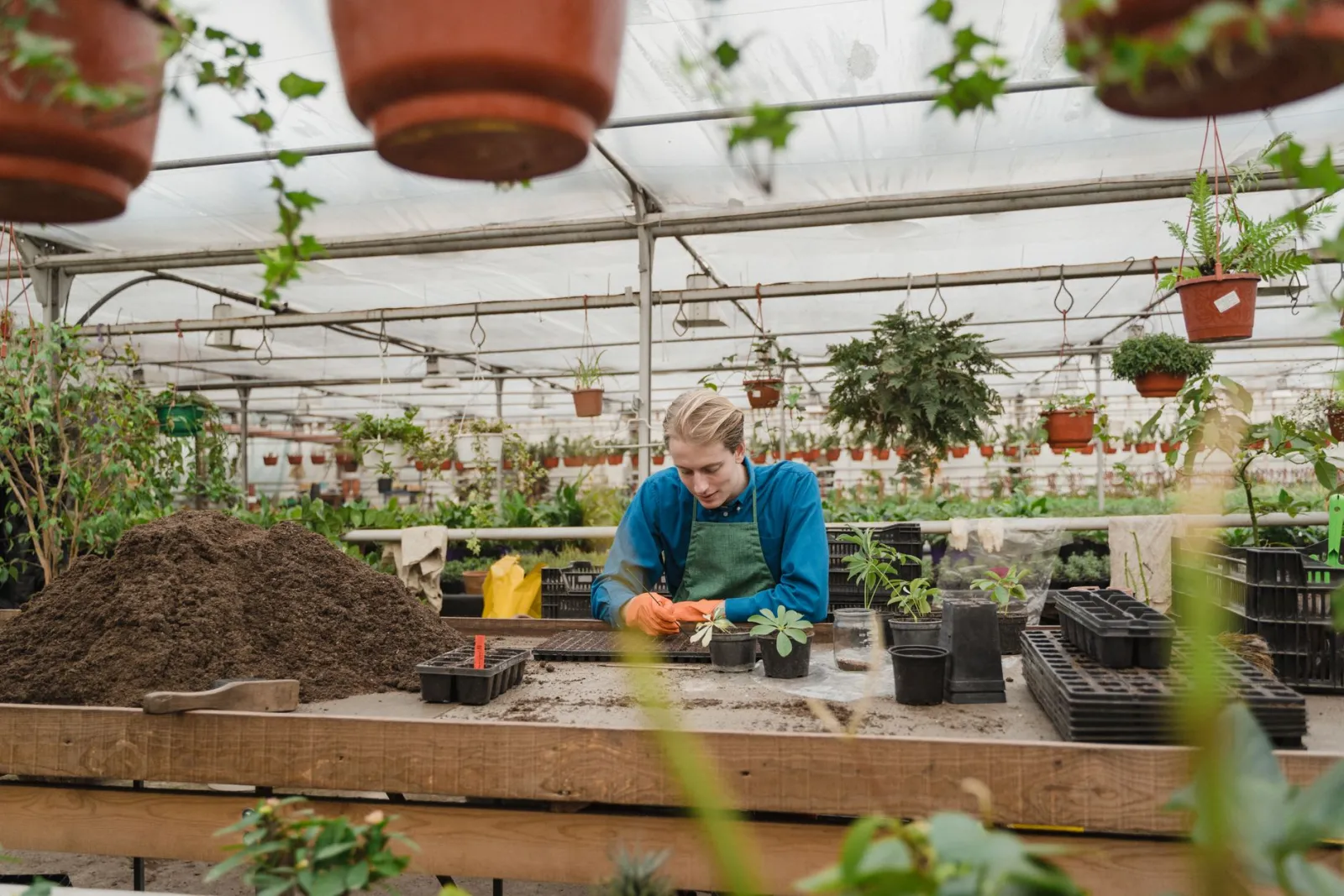
Choosing the right garden centre matters more than most people expect, because the same trip often serves two very different purposes: stocking up for the home and keeping a pet safe and comfortable. A centre that only looks good from the car park can fall short once you start asking practical questions about plant quality, product range, and how the space accommodates animals. The best starting point is to judge a centre by how well it serves both needs at once.
Plant quality is the first thing to assess. Healthy plants have firm stems, clean foliage, and soil that is moist but not waterlogged, and a well-run centre groups plants by light and water needs rather than scattering them randomly. Look at whether staff can tell you how large a shrub or tree will grow and whether it suits a small garden or a balcony. For pet owners, this matters because a plant that outgrows its space or needs constant attention is a poor fit for a household with animals underfoot. A centre that labels plants clearly and keeps them in good condition is usually one that takes the rest of its stock seriously too.
The product range should cover both the home and the pet. On the home side, expect a coherent spread of compost, mulch, tools, seeds, and seasonal bedding rather than a thin selection padded with decorative extras. On the pet side, a good centre stocks practical items such as grass seed for lawns, pet-safe planting options, and sturdy fencing or edging materials. The test is whether you can solve a real problem in one visit, for example replacing a worn lawn area or securing a border, without being sent to a separate shop.
Layout and accessibility tell you a lot about how a centre is run. Wide aisles, clear signage, and a covered area for fragile plants make a visit easier, especially if you are pushing a trolley or managing a dog on a lead. Many centres allow well-behaved dogs in outdoor areas but not indoors, so check the policy before you set out. Parking close to the entrance and a loading area for bulky items like compost bags or trellis are small details that make a large difference on a practical shopping trip.
Finally, look at the people and the after-sales support. Staff who can answer questions about soil types, planting times, and which products suit a family garden are worth more than any loyalty scheme. A centre that offers returns on faulty tools, keeps a noticeboard of local advice, and maintains a clean, well-organised outdoor plant area is signalling that it expects you to come back. For home and pet owners alike, that reliability is the real measure of a good garden centre.
Choosing Plants That Are Safe for Dogs and Cats
When you shop at a garden centre with a dog or cat at home, the plant label alone rarely tells you whether a species is safe to have around animals. The practical approach is to arrive with a shortlist of plants you already know are low-risk, and to treat every unlabelled or unfamiliar plant as something to verify before it goes in the basket. Staff at a good garden centre can usually point you toward the ornamental and houseplant ranges that are routinely chosen by pet-owning households, but the responsibility for the final check sits with you, so build the habit of confirming a plant’s identity by its full botanical name rather than its common name, which varies between retailers and regions.
A useful first criterion is the part of the plant that ends up within reach. Floor-level borders, low pots and trailing plants near a sofa or doorway are the ones a pet will brush against, sniff or nibble, so prioritise safe choices there and reserve anything you are unsure about for hanging baskets, high shelves or a room the animals do not access. Think in terms of the animal’s daily route through the garden and the house: the plants along that route matter far more than a specimen tucked at the back of a border.
The second criterion is what the plant drops. Fallen leaves, berries, seed pods and spent flowers are often more accessible than the plant itself, and they are what a pet is most likely to pick up while sniffing around the base of a pot. When you are choosing between two similar-looking options, favour the one that sheds less debris or whose fallen material is easy to sweep up. In a garden centre, this is a good reason to look at the plant’s habit and the state of the soil surface in its pot rather than only at the foliage.
Consider the life stage of the plant you are buying, too. Young, soft growth and newly potted specimens are more tempting and more easily damaged than mature, woody plants, so a newly planted border benefits from a temporary barrier or a few weeks of supervision until it establishes. For indoor plants, the same logic applies to anything within a cat’s jumping range, since cats investigate new objects at height as readily as at floor level.
Finally, match the plant to the pet’s behaviour rather than to a general rule. A dog that digs will test soil-level plants, while a cat that chews will target grassy, strappy foliage, so choose species whose texture and growth habit do not invite the behaviour you are trying to avoid. Keep a simple record of what you have bought and where it is planted, and ask the garden centre to confirm the botanical name on the label before you leave, so you can check it against a reliable pet-safety reference at home.
Seasonal Planting Calendar for a Home Garden
A seasonal planting calendar is less a rigid rulebook than a framework you adapt to your local climate, but the underlying logic holds almost everywhere: match each crop to the window in which it can establish roots and mature before conditions turn against it. The garden centre’s role in this cycle is practical. Buying seed and young plants in step with the seasons means you get stock that is fresh, appropriate to the moment, and suited to the growing conditions ahead, rather than clearance items past their prime. Treat the calendar below as a set of decision points rather than fixed dates, and shift each window earlier or later according to your last frost and first frost.
Spring is the season of preparation and the first sowings. Start with soil improvement before planting anything: compost, mulch, and slow-release organic matter worked in while beds are still empty give roots a head start. Hardy crops tolerate cool soil and light frost, so they can go in early, while tender crops need warmth and should wait until the risk of frost has passed. This is also the moment to check structural items such as raised-bed frames, supports, and netting, since repairing them now is far easier than after plants are in the ground. For pet owners, spring is when edible planting and animal safety intersect most sharply, so choose ornamentals and edibles with an eye to what a curious dog or cat might chew.
Summer shifts the calendar from planting to maintaining. Watering, mulching to hold moisture, and succession sowing of quick crops keep beds productive, while the garden centre becomes a source of replacement plants for gaps and of shade or support materials for heat-sensitive varieties. Watch for the point at which tender crops finish and the ground can be cleared for a second round. Late summer is also the right time to plan autumn planting, because bulbs and cool-season crops are best secured before demand peaks.
Autumn is the strongest planting window for many gardeners. Soil is still warm, air is cooler, and rainfall is more reliable, so trees, shrubs, and perennials establish well before winter. It is the time for bulbs, garlic, and cool-season vegetables, and for protecting tender plants ahead of cold. Winter then becomes a planning and maintenance season: order seeds, service tools, review what performed well, and prepare beds for the year ahead. Across all four seasons, the practical rule is to buy in step with the window you are actually planting in, and to keep a simple written record of what went in and when, so next year’s calendar is tuned to your own garden rather than to a generic chart.
Indoor Plants That Thrive in Family Homes
When choosing indoor plants for a family home, the first filter is not aesthetics but tolerance: plants that cope with irregular watering, fluctuating light, and the occasional knock from a football or a curious toddler. Look for species described by garden centres as forgiving or low-maintenance, and read the care label for light range rather than a single ideal exposure. A plant that accepts anything from bright indirect light to a few hours of gentle morning sun will settle into more spots in a busy household than one demanding a fixed windowsill. Similarly, check whether the label flags sensitivity to overwatering, since overenthusiastic watering is far more common in family homes than neglect.
Pet owners should treat plant selection as a household decision rather than an impulse buy. Garden centres increasingly group plants by suitability for homes with animals, and staff can point you to the safer end of the range, but the reliable habit is to check every plant against a recognised pet-safety list before it comes through the door, and to keep the label or a photo of the plant for reference. Placement matters as much as species: hanging planters, high shelves, and closed terrariums put trailing or tempting foliage out of reach, while floor pots in play areas invite investigation. If a plant’s safety status is unclear, leave it at the centre.
Match the plant to the room’s real conditions. A bright, south-facing living room with large windows suits sun-loving succulents and flowering indoor plants, while a north-facing hallway or a bathroom with a small window calls for shade-tolerant foliage that prefers consistent moisture. Kitchens and family rooms with heavy traffic benefit from sturdy, upright growers in weighted pots that resist being brushed past. For homes with young children, avoid plants that shed heavily or have fragile stems that snap easily, and choose species that recover from a broken leaf or two without collapsing entirely.
Maintenance load is the quiet deal-breaker. A family with school runs and evening activities will do better with a small collection of resilient plants than a jungle requiring weekly attention. Group plants by water needs so one watering round covers several pots, and use self-watering containers or a simple moisture meter to take the guesswork out of the routine. Garden centre staff can advise which plants in their indoor range tolerate a missed watering, which is often the single most useful question a busy household can ask.
Finally, involve children in the choosing. A plant a child has picked and been shown how to water is far more likely to survive than one imposed on the household. Garden centres that run family-friendly displays or seasonal indoor-plant events make this easy, and a short visit to compare labels together teaches the habit of checking light, water, and pet suitability before buying. The best indoor plant for a family home is rarely the most dramatic one on the shelf; it is the one that fits the room, the routine, and the residents.
Outdoor Garden Setup: Lawn, Borders and Patio
A garden centre earns its keep outdoors, where the choices you make about lawn, borders and patio determine how much maintenance the space demands and how well it holds up to daily use by both people and pets. Start with the lawn, since it is the surface that takes the most traffic. Look for a grass type matched to your conditions: shade-tolerant mixes for north-facing or tree-covered plots, and hard-wearing blends for family gardens where children and dogs run. Ask staff whether the seed or turf is suited to your soil type, and check whether a lawn feed or soil improver is recommended for establishment. For pet owners, a denser, faster-recovering grass reduces bare patches and muddy paws; a lawn that thins out quickly becomes a problem in wet weather.
Borders need structure before colour. A practical approach is to buy plants in layers: shrubs and structural evergreens for the back and sides, perennials for seasonal interest, and ground cover to suppress weeds and reduce watering. When choosing perennials, check the mature height and spread on the label rather than judging by the pot size, because a small plant can fill a surprising amount of space within a couple of seasons. Consider whether the border sits in full sun, partial shade or deep shade, and group plants with similar water needs together so you are not overwatering one section to keep another alive. For households with pets, prioritise robust, well-rooted plants and avoid placing delicate specimens right where animals pass through.
The patio is where garden centre advice pays off in durability. Paving, gravel and decking all behave differently underfoot and under weather, so match the surface to use: smooth paving for seating and dining areas, textured or riven finishes where slipping is a concern, and gravel or bark for lower-traffic zones. Think about drainage before you buy, since water pooling near a door or on a slope causes problems later. Edging and a stable sub-base matter as much as the top layer, and staff can tell you what base materials a given surface requires.
Furniture and planting around the patio should be chosen for the space you actually have. Measure the seating area before committing to a table, and check whether covers or storage are available for the off-season. Containers bridge the gap between patio and border: larger pots hold moisture better and suit shrubs or small trees, while smaller pots work for herbs and seasonal colour near a kitchen door. Group pots by watering need so a single routine covers them.
Finally, plan the practical infrastructure that keeps an outdoor setup manageable: a water source within reach of borders and containers, somewhere to store tools and furniture, and a route that stays firm underfoot in wet weather. These unglamorous decisions, made with advice at the garden centre, are what keep a lawn, border and patio looking cared-for rather than constantly needing rescue.
Pet-Friendly Garden Design: Avoiding Toxic Plants
A garden centre is one of the most useful places to start when you want a pet-safe outdoor space, because the staff can point you toward plants that are reliably non-toxic and away from the ones that cause the most trouble. The practical approach is to treat plant selection as the first line of defence rather than an afterthought. Before you buy anything, it helps to know which plant families are the usual suspects, so you can scan a shelf quickly and rule out the risky pots without needing to check every label in detail.
Some of the most common garden and house plants are the ones to handle with care. Ornamental lilies, foxgloves, oleander, yew, rhododendron and azalea, larkspur and monkshood are widely grown but are well known for being problematic around pets. In the house and conservatory, peace lilies, pothos, dieffenbachia and similar foliage plants deserve the same caution. The aim is not to create a sterile garden but to keep the highest-risk plants out of the areas your pet actually uses, and to place any borderline plants well beyond reach, in raised beds, hanging baskets or behind a low barrier.
Design choices matter as much as the plant list. Group the safest species where your pet spends the most time, such as along a lawn edge or beside a patio, and reserve the more sensitive planting for the front garden or a fenced border the animal cannot reach. A simple physical separation, a short fence, a dense low hedge or a gravel strip, does more to prevent contact than any label. Where pets dig, choose robust, non-toxic ground cover and sturdy shrubs rather than delicate specimens that will be uprooted anyway.
A few practical habits keep the garden safe over time. Check plant labels and ask at the garden centre before buying anything unfamiliar, since common names vary and the same plant can be sold under several. Keep bulbs, corms and seeds stored out of reach, as these are often the most concentrated part of a plant. Avoid cocoa-shell mulch, which is attractive to dogs, and be cautious with compost heaps and fallen fruit. If you use any garden treatment, follow the product instructions and keep pets off treated areas for the stated period.
Finally, build in a safe zone. A small area of lawn, a non-toxic ground cover and a water bowl gives your pet somewhere to settle while you work, and it reduces the temptation to explore the borders. Take a photo of any plant you are unsure about and ask the garden centre staff to identify it, so your planting plan stays both attractive and sensible for the animals that share the space.
Garden Tools and Supplies Every Home Needs
A garden centre visit is most useful when you arrive knowing which tools actually earn their space in a shed, because the range on offer is wide and it is easy to buy either too little or far more than a typical home garden needs. The sensible starting point is a small core of hand tools that cover most jobs: a sturdy spade and fork for digging and turning soil, a hoe for weeding, a hand trowel and fork for planting and potting, secateurs for pruning and deadheading, and a watering can with a fine rose for seedlings. These items are used constantly, so it pays to judge them by feel rather than by price alone. Lift a spade in the shop and check the shaft length against your height, and flex the handle of secateurs to confirm the mechanism moves cleanly.
Handle material and construction matter more than decoration. Wooden handles feel warmer and absorb shock but need occasional oiling, while fibreglass or composite shafts are lighter and tolerate being left out in the rain. For anyone who struggles with grip strength or has arthritic hands, look for tools with thicker, contoured handles and ratchet mechanisms on pruners, which reduce the effort needed to make a cut. Stainless steel heads resist rust and shed soil more easily than painted steel, though they cost more; carbon steel takes and holds a sharper edge but demands drying and oiling after use. A quick-release coupling on hose fittings is a small upgrade that saves repeated frustration.
Beyond hand tools, a few larger items repay their cost for most households. A wheelbarrow or garden cart earns its place for moving soil, compost, and garden waste, and a folding version suits small plots. A hose reel or a coiled soaker hose keeps watering efficient in dry spells, and a simple rain gauge or moisture meter helps you avoid overwatering, which is a common cause of plant loss. For pet owners, a dedicated set of tools kept separate from the main kit is worth considering, along with a lidded compost bin or sealed waste container to keep curious noses out of kitchen scraps and to reduce smells.
Supplies are as important as tools, and garden centres are well stocked for the seasonal round. Buy compost suited to the job, since seed and potting mixes differ from general-purpose and ericaceous blends, and check the bag for the intended use rather than assuming one type covers everything. Stock mulches for suppressing weeds and retaining moisture, plant supports and ties for taller perennials, and a supply of sharp sand or grit for drainage. Store seeds, fertilisers, and any chemicals in their original labelled containers, locked away and out of reach of children and pets, and follow the label instructions exactly.
Finally, maintenance keeps tools working and safe. Clean soil off blades after each use, dry metal parts, and sharpen secateurs and hoes periodically with a file or sharpening stone. Store tools under cover rather than on damp ground, and check handles for splinters or cracks before use. A modest, well-chosen kit that is looked after will handle the majority of home garden tasks, and it is a better investment than a large collection that sits unused.
Soil, Compost and Fertiliser Basics
Soil, compost and fertiliser are the three inputs that decide whether the rest of a garden works, and a good garden centre should help you tell them apart rather than sell them as one interchangeable bag. Soil is the existing growing medium in beds and borders; compost is organic matter you dig in or mulch with to improve structure, drainage and water retention; fertiliser supplies concentrated nutrients. Home and pet owners usually need all three at different moments, so it helps to know what each product is actually for before you load a trolley.
For soil, the practical questions are texture and origin. A loam-based topsoil holds moisture without turning sticky, while sandy soils drain fast and dry out in summer, and heavy clay soils swell and crack. Bagged topsoil is worth checking for a declared loam content and a note on screening, since unscreened soil can carry stones and weed seed. If you are filling a raised bed or patching a lawn, buy in volume and ask staff how the soil has been stored, because wet, compacted bags are harder to work with than dry, friable ones.
Compost splits into two broad uses. Multi-purpose compost is the general planting and potting option, while soil-conditioning compost or well-rotted manure is dug into borders to open up structure over time. Peat-free blends are now the default in most centres and behave differently from peat: they often need more careful watering and benefit from mixing with a loam-based product for long-term pots. For pet owners, check that a compost is described as safe for animals to be around and store bags sealed, since cocoa-shell mulches and some fresh manures are best kept away from curious noses.
Fertiliser is where restraint matters most. General-purpose granular feeds suit beds and lawns, slow-release granules suit containers and hanging baskets, and liquid feeds are useful for a quick boost during the growing season. The label should state the nutrient ratio and whether it is for edible crops, ornamentals or lawns, because a lawn feed is not appropriate on a vegetable patch. Match the feed to the job rather than buying the strongest option, and store it dry and out of reach.
Finally, use the garden centre as a source of advice on quantities and timing. Staff can tell you roughly how many bags of compost a given bed size will take and when to feed established plants versus new plantings, which saves both money and wasted product. Buying soil, compost and fertiliser in the right form for your soil type and planting plan is the difference between a garden that struggles and one that establishes quickly.
Watering and Irrigation Tips for Busy Households
Watering is where good intentions most often collapse in a busy household. The plants that suffer first are rarely the fussy ones; they are the reliable shrubs, pots and hanging baskets that quietly go dry while attention is elsewhere. The practical fix is to match the watering method to the household’s actual routine rather than to an ideal one. A garden centre is a useful place to start because it lets you compare irrigation kit in person, judge build quality and flow rates by feel, and ask staff how a given setup behaves in a typical domestic garden.
For containers, hanging baskets and window boxes, the key criteria are water retention and delivery speed. Small volumes dry out far faster than borders, so a household that is out for long stretches should favour larger reservoirs, self-watering inserts or drip systems that release slowly rather than a single drench. Terracotta dries faster than glazed or plastic, and dark pots heat up more in sun. When choosing compost, look for mixes that hold moisture without staying soggy; the label description matters more than the brand. A saucer under each pot is a cheap, effective buffer.
For beds and borders, the choice is broadly between hand watering, soaker hoses and drip lines. Hand watering suits small gardens and lets you target new plantings, but it is time-hungry and easy to underdo. Soaker hoses and drip lines are better for busy households because they can be put on a timer and deliver water at the roots where it is used, rather than on foliage. The trade-off is setup effort and the need to check emitters for blockages. A simple tap timer is often the single most useful purchase for anyone who forgets to water.
Timing and technique matter as much as equipment. Watering early in the morning or in the evening reduces loss to evaporation, and watering deeply but less often encourages roots to go down rather than stay at the surface. A household with limited time is usually better served by a thorough weekly soak of established borders than by a daily sprinkle. Newly planted trees and shrubs need consistent attention through their first seasons, so plan for that separately from the general routine.
Finally, consider the household’s pets and children when choosing kit. Hoses, timers and open water butts invite investigation, so secure lids and tidy hose storage reduce both mess and risk. Rainwater collection is worth the investment where space allows, and a garden centre can advise on butt size relative to roof area and on linking multiple butts. The aim is a system that runs largely unattended, so watering stops depending on someone remembering.
Creating a Safe Play and Rest Area for Pets in the Garden
Creating a dedicated play and rest area gives pets a predictable corner of the garden where they can burn energy, dig, and settle down without wandering into beds you would rather protect. The first decision is placement: choose a spot that gets a mix of sun and shade across the day, since a patch that is pleasant in the morning can become uncomfortably hot by afternoon. Avoid low-lying corners that stay damp after rain, and keep the area away from busy paths, glass doors, and anything a pet could knock over. A modest, clearly bounded zone usually works better than scattering toys and bedding across the whole lawn, because animals quickly learn where their space begins and ends.
When it comes to the surface, the priorities are grip and drainage. Grass is comfortable but wears thin under constant running and digging, so many owners combine a lawn patch with a harder-wearing section such as a sand pit for digging or a paved strip near the entrance. Whatever you choose, check that it drains freely and does not turn to mud, since slick ground encourages slipping during fast turns. For resting, a raised bed or a covered corner keeps a pet off cold, wet ground and gives them somewhere to retreat when the garden is busy. Shade is essential in summer, whether from a tree, a pergola, or a simple canvas awning.
Boundaries matter as much as comfort. A low fence, a hedge, or a run of sturdy mesh defines the area and keeps pets away from vegetable plots, compost, and ornamental borders where bulbs and young plants can be tempting to chew. Make sure any barrier is tall enough that an energetic dog cannot clear it and solid enough that a smaller pet cannot squeeze through. Gates should close securely and be easy for you to open with one hand while holding a lead. If the garden borders a road or open countryside, treat the play area as one layer of a wider boundary rather than the only one.
Enrichment keeps the space interesting so pets do not redecorate it themselves. Rotating a few toys, providing a digging box, and placing a water bowl in a shaded spot all help. A simple obstacle such as a low platform or a tunnel adds variety for active dogs, while cats appreciate a sheltered perch with a view. Think about how the area will be used at different times: a morning play session, a midday rest in the shade, and an evening wind-down. Grouping the active zone and the rest zone separately, rather than mixing them, makes both easier to maintain.
Finally, plan for upkeep. Surfaces that are easy to rinse, bedding that can be washed, and a water bowl that is refilled daily keep the area pleasant and reduce smells. Check boundaries and toys regularly for wear, and clear fallen fruit or debris that pets might pick up. A well-designed play and rest area does not need to be large or expensive; it needs to be safe, shaded, well drained, and clearly defined, so your pet has a reliable place in the garden and your borders stay intact.
Frequently asked questions
How do I know which plants at a garden centre are safe for my dog or cat?
Ask staff to point you toward plants sold as pet-safe, and read the plant labels carefully for any toxicity warnings. Keep in mind that labels vary in detail, so check a reliable plant-toxicity reference before buying anything you are unsure about. Place any new plant out of your pet’s reach until you have confirmed it is safe. When in doubt, choose a non-toxic alternative or ask a knowledgeable staff member for guidance.
What should I buy at a garden centre for a small patio garden?
For a small patio, focus on containers, saucers, a watering can, hand trowel, and a bag of container-suited compost. Choose compact or dwarf plant varieties that suit pots, plus a few herbs or pollinator-friendly flowers for interest. Add a small watering rose and a pair of gloves, and consider lightweight pots you can move easily. Staff can help you match pot size to the plants you pick.
When is the best time of year to visit a garden centre for seasonal plants?
Visit in spring for bedding plants, seedlings, and fresh compost, and in autumn for bulbs, shrubs, and planting season stock. Summer visits suit flowering containers and herbs, while winter offers bare-root plants and indoor interest. Timing also depends on your local climate, so ask staff what is ready to plant in your area. Going early in the season usually gives the widest choice.
Which garden supplies are essential for a first-time home gardener?
Start with a hand trowel, hand fork, watering can, gloves, and a few containers with drainage holes. Add a bag of suitable compost, a small rake, and a hose or watering system for larger beds. A soil-testing kit and simple plant labels help you learn as you go. Buy tools that feel comfortable in your hand rather than a large matching set you may not use.
How can I keep my pets away from newly planted garden beds?
Use temporary barriers such as low fencing, cloches, or netting around new plantings until they establish. Keep beds mulched and watered so pets are less tempted to dig in soft, dry soil. Offer a designated digging spot or a sturdy toy to redirect attention, and supervise pets outdoors during the first weeks. Avoid leaving exposed soil and freshly dug areas unattended.
What type of soil or compost should I choose for container plants?
Choose a compost blended for containers rather than garden soil, because it holds moisture and drains well in pots. Look for a multipurpose or container mix suited to the plants you are growing, and check the label for recommended uses. For long-term pots, a loam-based mix often holds structure better. Ask staff to match the compost to your plants, such as ericaceous mixes for acid-loving varieties.
How often should I water outdoor plants in summer?
Water when the top of the soil feels dry, checking with your finger before watering rather than following a fixed schedule. Containers dry out faster than beds, so they usually need more frequent watering in hot weather. Water early in the morning or in the evening to reduce evaporation, and water thoroughly so moisture reaches the roots. Mulching helps keep soil moisture steady.
Can I find pet-safe lawn and plant care products at a garden centre?
Many garden centres stock products labelled as pet-friendly or suitable for use around animals, so read labels and ask staff for options. Choose physical controls such as barriers, mulches, and hand weeding where possible, and follow label instructions on any product you use. Keep pets off treated areas for the period stated on the label. If unsure, ask staff which products suit gardens shared with pets.
Read next :Fridge Magnets: Practical Guide for a Home Full of Pets · Best Lawn Mowers 2026: A Complete Buying Guide · Best Compost Bins for a Cleaner Home and Garden · Fish Tanks and Stands: A Complete Guide to Choosing and Setting Up · Compost Near Me: A Practical Home and Pet Owner’s Guide
Work out your own case in 30 seconds:
Methodology
This calculator produces an indicative estimate based on the parameters you enter. The ranges used reflect typical market tiers in the gardening space and are neither a commercial offer nor a guarantee. Prices and availability may vary.
Read next :Cathay pacific: what do you need to know?
Read next :Rain Barrel Stand: How to Choose the Right One
Full guide :Garden & Balcony
More from this guide :
Was this guide helpful?
Share your experience with the WiseHomeGuides community.