
Short answer : A dog bed with canopy is a sleeping space that combines a cushioned base with a raised cover or hood, giving a dog a sheltered spot to rest. The canopy can serve several purposes: it blocks light and drafts, creates a sense of enclosure that suits dogs who like to burrow or hide, and can add a decorative element to a room. These beds come in different formats, from hooded cave-style designs to four-poster frames with fabric tops, so the right choice depends on your dog’s size, sleeping habits, and where the bed will sit in your home. When shopping, focus on stable construction, washable materials, and a canopy that stays firmly in place rather than flopping or collapsing onto the dog.
In short
- Canopy designs range from hooded cave beds to four-poster frames with removable fabric tops.
- Measure your dog nose-to-tail and add extra room so the canopy does not crowd the sleeping area.
- Choose a canopy that attaches firmly and holds its shape instead of sagging onto the dog.
- Removable, machine-washable covers make it easier to keep a covered bed fresh and clean.
- Place the bed away from radiators and direct sun so the enclosed space does not overheat.
Why a Canopy Bed Suits Anxious Dogs
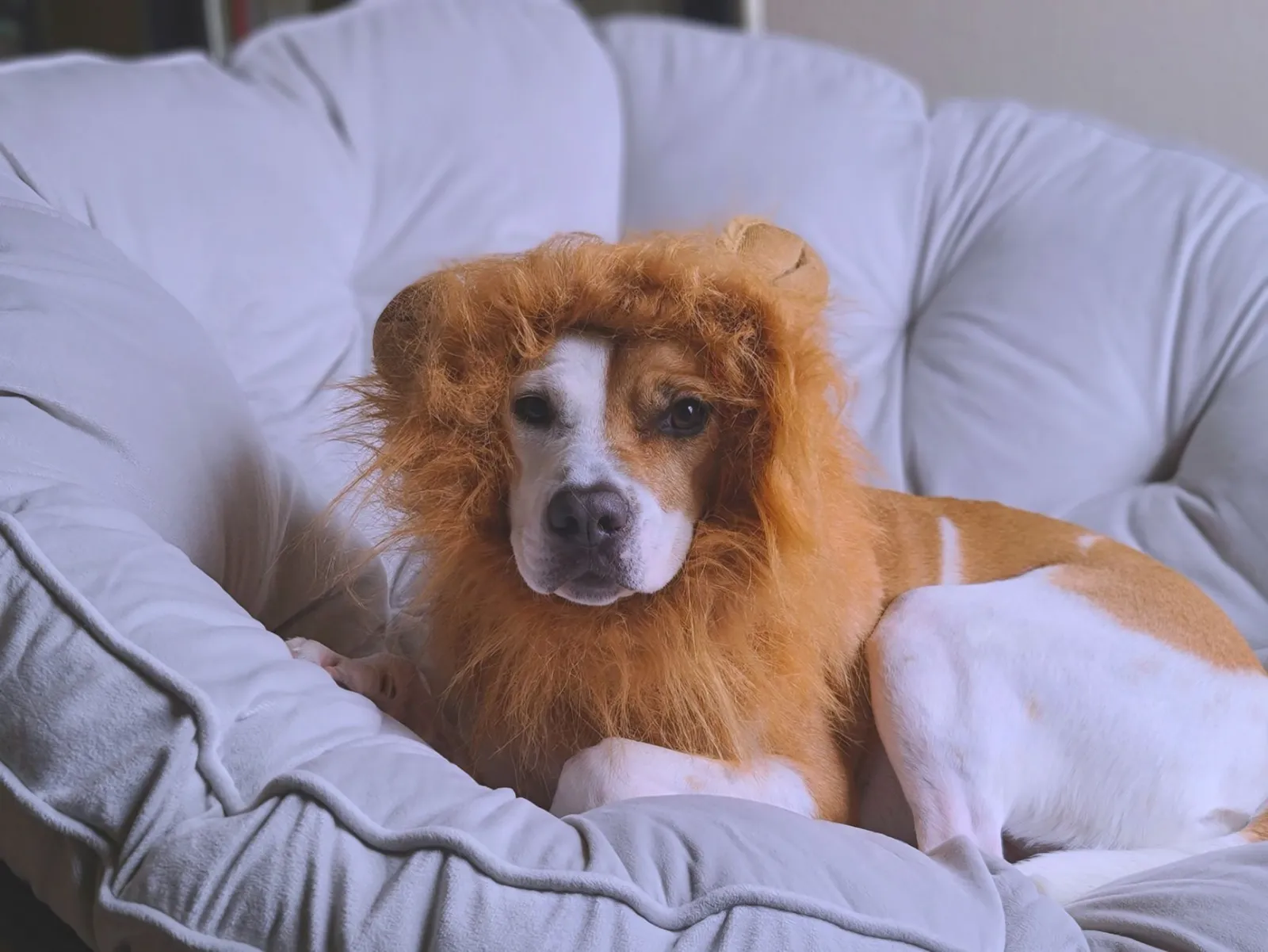
Anxious dogs often struggle with a home environment that offers too much visual stimulation. Movement in hallways, light shifting across the floor, and family members walking past a resting spot can keep a nervous dog from ever fully settling. A canopy bed addresses this by adding a physical layer between the dog and the surrounding room. The fabric roof and side panels create a defined, enclosed pocket that reduces peripheral movement, which is often what keeps an anxious dog scanning the room instead of resting. For dogs that startle at shadows or react to activity in adjacent rooms, this visual buffer can be the difference between a bed that gets circled and abandoned and one that becomes a reliable retreat.
The value of a canopy lies in how it changes the dog’s sense of control. Anxious dogs tend to prefer spaces where they can observe without being observed, and a canopy structure supports that instinct. Many canopy designs leave the front open while covering the top and sides, so the dog can watch the room from a sheltered position rather than lying exposed in the middle of it. This partial enclosure mimics the covered spots dogs naturally seek out, such as under a desk, behind a sofa, or beneath a low shelf. When a bed reproduces that geometry, the dog is more likely to choose it voluntarily rather than being coaxed onto it.
Canopy beds tend to suit specific use cases especially well. Dogs that pace or pant during household activity, dogs that follow their owner from room to room and never seem to settle, and dogs that hide during gatherings or storms are all candidates for a covered resting spot. The canopy also helps in open-plan homes where a bed placed in a living area has no walls nearby to provide cover. In a corner of a busy room, the roof and sides do the work that architecture otherwise would, giving the dog a boundary it can rely on without being shut away in a separate room.
It is worth being realistic about fit. Not every anxious dog wants overhead cover; some prefer an open bolster bed where they can see in all directions, and a canopy can feel confining to those dogs. Size matters too, since a canopy that is too low or too tight removes the sense of choice that makes the enclosure comforting. The bed should be large enough for the dog to stand, turn, and stretch out fully, with enough headroom that the roof does not press down on the dog when it shifts position. A canopy works best when it reads as a shelter the dog can enter and leave freely, not a box it is placed inside.
Placement and structure complete the picture. A canopy bed set against a wall or in a corner, away from a doorway and direct foot traffic, gives the dog a sheltered back and side rather than an exposed one. Sturdy framing matters as well, because a canopy that sags, wobbles, or collapses when the dog leans on it undermines the security the design is meant to provide. For an anxious dog, consistency is the point: the same quiet, covered spot, available at any hour, becomes a place the dog learns to go to on its own when the household gets busy.
Choosing the Right Size for Your Dog
Size is the first decision that determines whether a canopy dog bed actually gets used or quietly becomes clutter. A canopy bed has to accommodate not just the dog’s sleeping posture but also the frame and fabric overhead, so the usable interior is always smaller than the bed’s outer footprint. Before comparing any beds, measure your dog properly: with the dog standing, run a tape from the tip of the nose to the base of the tail, and measure the widest point across the chest or shoulders. Add a comfortable margin so the dog can turn around and stretch out flat, since most dogs sleep sprawled rather than curled for at least part of the night.
Match those measurements to how your dog sleeps. A dog that curls tightly into a ball can manage with a bed that is only slightly longer than its body length, while a dog that stretches out on its side needs a sleeping surface at least as long as its nose-to-tail measurement, ideally with a little extra. Puppies and adolescents are a moving target: a bed sized exactly to a young dog will be outgrown within months, so it often makes sense to size up or choose a bed with room to spare rather than buying twice. Senior dogs benefit from generous space too, because a bed that is easy to walk into and turn around in reduces the awkward shuffling that comes with stiffer joints.
Breed shape matters as much as weight. A lean, long-legged dog and a stocky, broad-chested dog of the same weight can need very different beds, so weight ranges on product descriptions are only a rough starting point. Deep-chested dogs need enough width at the shoulders, while long-bodied dogs need length above all. For very small dogs, a large canopy bed can feel exposed and drafty rather than cozy, so a smaller footprint that still allows a full stretch is usually the better fit.
Think about the canopy itself, not just the mattress. The fabric roof and any supporting frame reduce headroom, so a dog that likes to sit up tall or rearrange its bedding needs clearance above the cushion. If the bed will sit in a drafty spot or outdoors, the canopy should sit high enough that the dog does not feel pressed down, while still offering the enclosed, den-like feel that makes canopy beds appealing in the first place.
Finally, consider the dog’s habits and the bed’s placement. A dog that sprawls across the whole bed needs a single large sleeping area, while one that circles and nests may be happier with a slightly snugger fit. If the bed will travel or move between rooms, a size that fits your space and is easy to carry matters as much as the dog’s measurements. When in doubt between two sizes, the larger one usually serves the dog better, provided the canopy still gives adequate headroom.
Fabric and Frame Materials That Last
The fabric of a canopy dog bed has to do two jobs at once: resist the wear of a dog’s claws and weight on the sleep surface, and hold its shape overhead without sagging or tearing at the seams. Look for tightly woven upholstery-grade textiles rather than thin decorative fabric. Canvas, heavy cotton blends, and solution-dyed synthetic weaves are common choices because their dense structure resists snagging. A loose weave or a lightweight printed fabric may look appealing in photos but tends to fray where paws push against it and to stretch where the canopy attaches. When you examine a bed, check whether the fabric feels substantial between your fingers and whether the weave is tight enough that you cannot easily see through it.
Water resistance matters more than most buyers expect, especially for outdoor or patio use. A fabric with a treated or coated backing sheds light moisture and wipes clean, while an untreated cotton cover absorbs damp and odor. Removable, machine-washable covers are a practical advantage regardless of material, since even durable fabric collects hair and dirt over time. For dogs that chew or dig, a smooth, tightly bonded fabric is harder to puncture than a plush or loosely knit one, and reinforced stitching along stress points such as the canopy seams and corner attachments extends the bed’s working life.
The frame determines whether the canopy stays upright and whether the bed keeps its shape under a dog that circles before lying down. Metal frames, often powder-coated steel or aluminum, offer rigidity and tend to hold a canopy arch firmly, which suits larger or heavier dogs and beds that stay in one place. Wood frames give a warmer furniture look and pair well with indoor décor, but they depend on solid joinery and a moisture-resistant finish to avoid warping or loosening over time. Plastic frames are the lightest and easiest to move between rooms or outdoors, though they flex more and are better matched to smaller dogs and gentler use.
Consider where the bed will live before choosing materials. An indoor bed in a climate-controlled room can favor breathable fabric and a wood or metal frame for appearance. A covered outdoor bed needs fabric that tolerates sun and damp plus a frame that resists rust, so coated metal or treated wood is the safer bet. For a bed that travels, lightweight plastic and a quick-drying fabric reduce bulk. Matching the material to the setting prevents the most common failures: sagging canopies, split seams, and frames that loosen after repeated assembly.
Finally, inspect the details that signal build quality. Reinforced bar-tacked seams at the canopy mounts, a frame with locking joints or secured connectors, and fabric that is firmly attached rather than stapled or glued all point to a bed that will hold up. A canopy that attaches with sturdy ties, sleeves, or zippers is easier to remove for cleaning and less likely to tear at the connection point. These small construction choices often separate a bed that lasts several seasons from one that loses its shape within months.
Canopy Styles: Dome, Roof, and Tent
Canopy dog beds generally fall into three structural families, and the shape you choose determines how the bed functions in your home as much as how it looks.
Dome canopies use a curved, arching frame that wraps over the sleeping area like a hood. Because the fabric curves inward on all sides, a dome creates the most enclosed, cave-like feeling of the three styles, which suits dogs that like to burrow, circle before lying down, or press their back against a surface. The trade-off is interior headroom: a dome is typically lower at the sides than at the peak, so a large dog that likes to stretch out fully may find the walls close. Domes tend to work best as a primary sleeping spot in a corner or beside a sofa, where the curved back can sit against a wall and the opening faces into the room.
Roof canopies take a more architectural approach: a flat or gently pitched top supported by posts or a frame at the corners, closer to a small four-poster than a tent. This style offers more consistent headroom across the whole sleeping surface and reads as furniture rather than pet gear, which matters if the bed sits in a living room. A roof canopy also tends to be easier to clean, since the top is a simple panel that can be wiped or vacuumed and the open sides allow air to move through. The drawback is that it provides less of the snug, enclosed feeling that anxious or cold-natured dogs often seek, and the posts add footprint, so measure the floor space before committing.
Tent canopies are the most portable interpretation, using sloped sides that meet at a ridge or peak and often a lighter frame that can be folded or collapsed. These suit travel, camping, outdoor patios, and households that move the bed between rooms, and the sloped walls still deliver a sense of enclosure without the rigid bulk of a dome. Because tent fabrics are usually thinner and the frame lighter, a tent canopy is the least insulating of the three and the most susceptible to tipping if a dog launches itself onto the bed, so it works best for calm sleepers or as a secondary bed.
A practical way to decide is to match the shape to the dog’s sleeping posture and the room’s layout. Curlers and burrowers gravitate toward domes; sprawlers and dogs that run hot do better with a roof; and owners who need a bed that travels should lean toward a tent. Whichever you pick, check that the canopy opening is wide enough for the dog to enter without ducking sharply, and that the frame feels stable when nudged from the side.
How to Keep the Bed Clean
Keeping a canopy dog bed clean comes down to two separate jobs: the fabric surfaces your dog lies on, and the frame and canopy overhead. The canopy itself rarely gets soiled directly, but it traps dust, hair, and odors, so it needs attention on a regular rhythm rather than only when it looks dirty. The sleeping surface, by contrast, collects everything the dog brings in from walks, so it should be the focus of your routine maintenance.
Start by understanding how the bed is constructed, because that determines what you can actually wash. Many canopy beds have a removable, machine-washable cushion or mat inside a fixed frame, while others use a zip-off cover over the whole sleeping platform. Check the care label before doing anything, and treat the canopy fabric according to its material: most woven fabrics tolerate a gentle machine cycle, but stiffened or coated canopies often clean best by hand with a damp cloth and a mild detergent. If any part is not removable, spot-clean it rather than soaking the frame.
For routine upkeep, shake out the cushion and brush the sleeping surface every few days, especially in shedding season. Vacuum the canopy and the inner sides of the frame with a brush attachment to lift dust and loose hair that settles on the fabric above the dog. A weekly pass keeps odors from building up, and it also lets you notice wear, sagging fabric, or a frame that has started to loosen before it becomes a problem. Between washes, airing the bed outdoors on a dry day does a lot to freshen the fabric without any product at all.
Wash frequency should follow use. A dog that sleeps in the bed every night, or one that comes in muddy from walks, will need the cover washed more often than a bed used occasionally as a daytime resting spot. In practice, a wash every couple of weeks suits most indoor household use, with more frequent cleaning during wet or muddy seasons. Always use a mild, pet-safe detergent, skip fabric softeners that can leave residue, and rinse thoroughly so no soap remains in the fabric the dog lies against.
Drying matters as much as washing. Let the cover and canopy air-dry fully before reassembling, because a damp canopy traps moisture against the frame and encourages mustiness. Choose a dry, breezy spot out of direct sun if the fabric is colored, and reshape the cover while it is still slightly damp so it fits back without stretching. A bed that is completely dry before it goes back together stays fresher longer and keeps its shape through repeated wash cycles.
Placement Tips for Calmer Naps
Placement matters as much as the bed itself. A canopy bed works by creating a sheltered pocket, and that pocket only feels secure if it sits in the right part of the room. The most reliable starting point is a corner or a spot against a solid wall, ideally with two sides enclosed. Dogs tend to settle faster when they can keep an eye on the room’s main entry without being directly in the path of foot traffic. Placing the bed so the entrance is visible but several steps away gives a nervous dog the sense of watching without being watched.
Drafts and temperature swings undermine the canopy’s purpose. A bed pushed against a window, under an air vent, or beside a frequently opened exterior door will feel restless, and the dog will likely abandon it. Look for a position with stable air, away from radiators and heating vents, and out of direct sun for most of the day. In open-plan rooms, a spot beside a sofa or a low bookshelf adds a sense of partial enclosure that complements the canopy rather than competing with it.
Noise is the other variable people underestimate. Canopy beds placed in hallways, near washing machines, or against a shared wall with a busy neighbouring room tend to go unused. A quieter corner of a living room or bedroom, set back from the television and the kitchen, gives the dog a genuine retreat. If the household is lively, consider a spot in a room the dog can access freely but where activity ebbs and flows, so the bed becomes a reliable calm zone rather than a front-row seat to commotion.
For multi-dog homes, spacing matters. Two canopy beds placed side by side can create competition over the most enclosed spot; separating them by a few metres, ideally with a piece of furniture between them, lets each dog claim its own territory. Similarly, in homes with cats or young children, position the bed where the dog can enter and exit without being cornered, and where the canopy opening faces an open route rather than a wall.
Finally, treat placement as adjustable. Watch where the dog already chooses to rest, then place the bed nearby rather than in an empty corner you find convenient. If the bed goes unused for several days, shift it a metre or turn the opening toward a different part of the room before assuming the bed is the problem. Small adjustments in orientation and distance from activity often make the difference between a bed that is ignored and one that becomes the dog’s default nap spot.
Common Mistakes When Buying Canopy Beds
One of the most frequent mistakes is choosing a canopy bed by appearance alone, without matching it to the dog’s size and sleeping style. A canopy that looks generous in a product photo can feel cramped to a dog that likes to stretch out, while a bed that is too large for a small dog offers little of the enclosed security the canopy is meant to provide. Before comparing designs, measure your dog from nose to tail base while stretched out, and note whether it curls tightly or sprawls. A bed that fits a curled sleeper will often be too tight for a sprawler of the same weight.
Another common error is ignoring how the canopy is supported and how it attaches. Some canopies rely on a rigid frame, others on fabric tied or draped over a structure, and the difference matters in daily use. A frame that is flimsy or top-heavy can tip when a dog jumps in or leans against a side, while a canopy that is loosely fixed can collapse onto the sleeping surface. Look for a stable base, a canopy that stays upright on its own, and fastenings that hold the fabric clear of the dog rather than sagging into the bed.
Buyers also underestimate cleaning and ventilation. Canopy beds trap warmth, which suits cool rooms and drafty corners but can become stuffy in a warm room or near a radiator. Check whether the canopy and cushion can be removed and washed separately, because a fixed canopy that cannot be taken off makes routine cleaning awkward and shortens the bed’s usable life. Fabric that holds odors or sheds heavily is a poor choice for a bed that will be used every night.
Sizing the bed to the space is another frequent oversight. A canopy bed is taller and bulkier than a flat mat, so it needs clearance above and around it; placed under a low shelf, against a radiator, or in a tight corner, it may not sit properly or may block a walkway. Think about where the dog actually chooses to rest and whether the bed will fit there without being moved constantly.
Finally, many buyers treat the canopy as decoration rather than function. The canopy should give the dog a sense of enclosure and shelter, so check that the opening is easy to enter, that the interior is dark enough to feel den-like without being airless, and that the structure stays put when the dog turns around inside. A canopy that flaps, droops, or rattles will often be avoided by the dog, however good it looks in the room.
Budget Ranges and What They Include
Budget is one of the first filters shoppers apply to a dog bed with canopy, and it helps to understand what actually changes as you move between price tiers. The canopy itself is rarely the expensive part; the money tends to go into the frame, the mattress, the fabric quality, and how easily the cover can be removed and washed. Knowing this lets you judge whether a higher price reflects real durability or simply styling.
At the entry level, expect a canopy bed built around a lightweight frame, often folding or pop-up in design, with a thinner cushion and a simpler fabric canopy. These beds suit small, calm dogs that mostly nap in one spot, or serve as a secondary bed for travel and occasional use. The trade-offs are usually a less supportive mattress, a cover that may only be spot-cleanable, and a frame that shifts if a dog jumps in enthusiastically. For a puppy that will outgrow the bed quickly, or a household that wants to test whether a dog actually uses a canopy, this tier is a sensible starting point.
Mid-range options typically bring a sturdier frame, a thicker and more supportive cushion, and a canopy that holds its shape rather than drooping. This is where removable, machine-washable covers become common, which matters for households dealing with shedding, muddy paws, or occasional accidents. The fabric tends to feel more substantial, and the bed holds up better to daily use by a medium-sized dog. For most owners who want one bed that will last through several years of regular indoor use, this middle band offers the best balance of cost and longevity.
At the upper end, the differences are mostly about materials and construction detail: denser foam or a more structured mattress, reinforced frame joints, higher-grade upholstery fabrics, and canopies designed to stay taut and upright over time. These beds make sense for larger dogs, for multi-dog homes where the bed sees heavy traffic, or for owners who want the bed to blend into a living room rather than look like pet gear. The premium is justified when the bed is used daily as a primary sleeping spot rather than occasionally.
A practical approach is to match the tier to the dog and the job. A small, light sleeper does fine at the entry level; a medium dog that uses the bed every night warrants the mid-range; a large or boisterous dog, or a bed placed in a visible living space, justifies spending more. Also weigh the running cost of replacement covers and cushions, since a cheaper bed with hard-to-replace parts can cost more over time than a slightly pricier one built to last.
Safety Checks Before First Use
Before your dog ever steps into a canopy bed, run through a short but deliberate inspection. Start with the frame and canopy supports: press down firmly on the top rails and gently rock the bed from side to side. A stable unit should barely shift, and any joint that creaks, flexes noticeably, or separates under moderate hand pressure is a warning sign. Pay particular attention to how the canopy arches or posts attach to the base, since these are the parts most likely to loosen over time. If the canopy is held by screws, brackets, or friction fittings, confirm each one is fully seated and tight.
Next, examine the fabric and mesh. Run your hand along every seam, corner, and zipper, looking for loose threads, small tears, or stitching that pulls apart easily. Canopy fabric in particular takes stress where it stretches over the frame, so tug gently at those anchor points. Check that mesh panels are securely attached and that no sharp wire ends or frame tips poke through the fabric. Any exposed metal edge near your dog’s head height deserves immediate attention, either by repositioning the cover or retiring the bed until it is fixed.
Assess the bed’s footing and placement. A canopy bed is taller and lighter than a standard mat, so it tips more readily. Set it on a level, non-slip surface and test whether it slides when nudged. On hardwood or tile, consider a rug or grippy pad underneath. Keep the bed away from draughts, radiators, and anything a curious dog could pull over onto itself, and leave clearance so the canopy is not pressed against a wall or furniture that could dislodge it.
Think about how your dog will actually use it. A dog that likes to burrow, chew, or clamber will test the structure differently from one that simply curls up. Watch the first few interactions closely: if your dog paws at the canopy, tries to chew the frame, or jumps in and out forcefully, check the fittings again afterward. For puppies, heavy chewers, or dogs that like to launch themselves, a bed with a lower, more grounded canopy and reinforced joints is the safer choice.
Finally, do a quick recurring check. Re-tighten fasteners, re-seat the canopy cover, and inspect seams every so often, especially after washing or moving the bed. Small loosening caught early prevents a collapse later.
When to Replace an Old Canopy Bed
A canopy bed usually wears out in stages rather than all at once, so the decision to replace it is rarely about a single dramatic failure. The fabric top is almost always the first component to go. Sun exposure, repeated washing, and the simple friction of a dog circling before lying down thin the weave over time. Once the canopy fabric develops sagging pockets, visible pilling, or small tears along the seams where it attaches to the frame, patching becomes a losing battle, and a replacement cover or a new bed is the more practical route. If the fabric has lost its shape and no longer drapes evenly, the visual and functional appeal of the canopy is largely gone.
The frame tells a similar story. Wooden frames tend to loosen at the joints, developing a wobble that becomes noticeable when a dog jumps in or leans against a post. Metal frames may show rust at the base or where the canopy attaches, especially in humid rooms or if the bed sits near a window. A frame that rocks, creaks, or has a post that flexes more than the others is a sign the structure is compromised. Minor tightening of hardware can buy time, but once joints are stripped or a post is cracked, replacement is the safer choice.
The sleeping surface deserves separate scrutiny. A mattress that has flattened into a thin, lumpy pad no longer cushions joints the way it once did, and a cover that has been washed many times may have lost its water resistance or developed a persistent odor that laundering no longer fixes. If the inner cushion is compressed to the point where you can feel the floor through it, the supportive function is gone even if the canopy above still looks fine. For older or heavier dogs, this loss of cushioning matters more, since the bed is doing less work to distribute weight.
Fit is another practical trigger. Puppies outgrow small beds quickly, and a dog that once curled up neatly may now spill over the edges, leaving the canopy hanging awkwardly or the sides bowing outward. If your dog consistently hangs over the rim or the canopy no longer clears its head when standing, the bed has become too small regardless of its condition.
Finally, consider hygiene and household changes. A bed that has been through illness, accidents, or a pest issue is often better replaced than deep-cleaned, particularly when the canopy fabric and seams trap debris. Moving to a home with different flooring, a new crate setup, or a dog that now shares space with another pet can also make an old canopy bed the wrong shape or size for the room. When two or more of these issues overlap, replacement is usually the sensible call rather than chasing repairs.
Frequently asked questions
What is a dog bed with canopy?
A dog bed with canopy is a raised or cushioned sleeping area topped with a fabric roof supported by a frame. The canopy can be a soft dome, a small tent-like structure, or a draped cover held up by arches or poles. It creates an enclosed, sheltered space that blocks light and gives the dog a sense of privacy. These beds often suit dogs that like to burrow or curl up in corners, and they work both as indoor sleeping spots and as portable shade in a garden.
How do I measure my dog for a canopy bed?
Measure your dog while it is lying down fully stretched out, from the tip of the nose to the base of the tail, and note the widest point across the body. Add a little extra room so the dog can turn around comfortably. Then check the interior dimensions of the bed, not the outer frame, since the canopy frame takes up space. Also measure the height from floor to the top of the dog’s head when standing or sitting to confirm it can move under the canopy without crouching.
Are canopy dog beds good for anxious dogs?
Many anxious dogs settle better in a covered space because the canopy limits visual stimulation and mimics the security of a den. The enclosed sides and roof give the dog a retreat it can watch the room from without feeling exposed. That said, not every nervous dog likes confinement, so introduce the bed gradually and leave an open side or a partly lifted canopy at first. Pair it with a familiar blanket and place it in a quiet corner for the best chance of acceptance.
Can a canopy dog bed be washed?
Washability depends on the design. Most canopy beds have a removable cushion cover and a canopy fabric that detaches from the frame, and these are usually machine washable on a gentle cycle. The frame itself, whether plastic, metal, or wood, should be wiped with a damp cloth rather than soaked. Always check the care label before washing, use a mild detergent, and let the canopy air dry fully so it keeps its shape and does not shrink or lose its structure.
Do canopy beds work for large dogs?
They can, but size matters more than with open beds. Large dogs need a canopy bed with a sturdy frame, a wide base, and enough interior height to sit up without pressing against the roof. Look for reinforced poles or a rigid dome rather than a light wire frame that bends. A big dog shifting its weight can tip a flimsy bed, so a low-profile base and non-slip feet help. Measure carefully and choose a model rated for the dog’s weight.
How do I stop the canopy from collapsing?
Assemble the frame fully and push every joint or connector firmly into place, since a partly seated pole is the usual cause of sagging. Spread the base legs wide so the structure has a stable footprint, and keep the bed on a flat surface rather than on thick carpet or uneven ground. If the canopy uses ties or clips, fasten them all. For dogs that lean on the roof, choose a bed with a rigid dome or arched supports instead of a soft draped cover.
Where should I place a canopy dog bed?
Put the bed in a quiet spot where the dog can see the room but is not in the middle of foot traffic, such as a corner of the living room or beside a wall. Keep it away from draughts, radiators, and direct sun through a window, since the canopy already traps warmth. Indoors, a low-traffic area near the family helps the dog feel included. Outdoors, place it in partial shade and bring it inside during rain or strong wind.
Is a canopy bed suitable for outdoor use?
Some canopy beds are made for outdoor use and some are not, so check the materials. A model with a water-resistant canopy fabric, a raised base that keeps the cushion off damp ground, and a rust-proof or UV-stable frame can work well on a patio or in a garden as a shaded resting spot. Fabric canopies and foam cushions should not be left out in rain, and the bed should be brought in or covered overnight and in windy weather.
Put it into practice : How do I stop my dog’s lead tangling my legs?
Work out your own case in 30 seconds:
Methodology
This calculator produces an indicative estimate based on the parameters you enter. The ranges used reflect typical market tiers in the pets space and are neither a commercial offer nor a guarantee. Prices and availability may vary.
Full guide :Pets
More from this guide :
Was this guide helpful?
Share your experience with the WiseHomeGuides community.