

Short answer : Home Bargains garden furniture suits pet owners because the range focuses on affordable, easy-clean pieces that cope with muddy paws, shed fur and everyday wear. When choosing, favour wipeable materials, tight-weave fabrics and simple frames over delicate finishes, and check that cushions have removable covers you can wash. Think about stability and low-maintenance surfaces first, since pets will jump on seats, brush past table legs and leave hair on textiles. A practical layout also helps: keep walkways clear, avoid sharp corners at pet height and store loose cushions when the furniture is not in use.
In short
- Choose wipeable or tightly woven fabrics that resist mud, fur and claw snags.
- Pick removable, machine-washable cushion covers to handle pet hair and dirt.
- Favour stable, simple frames over delicate finishes that scratch easily.
- Keep walkways clear and avoid sharp corners at pet height in the layout.
- Store loose cushions and textiles indoors when the furniture is not in use.
What to Look for in Budget Garden Furniture When You Have Pets
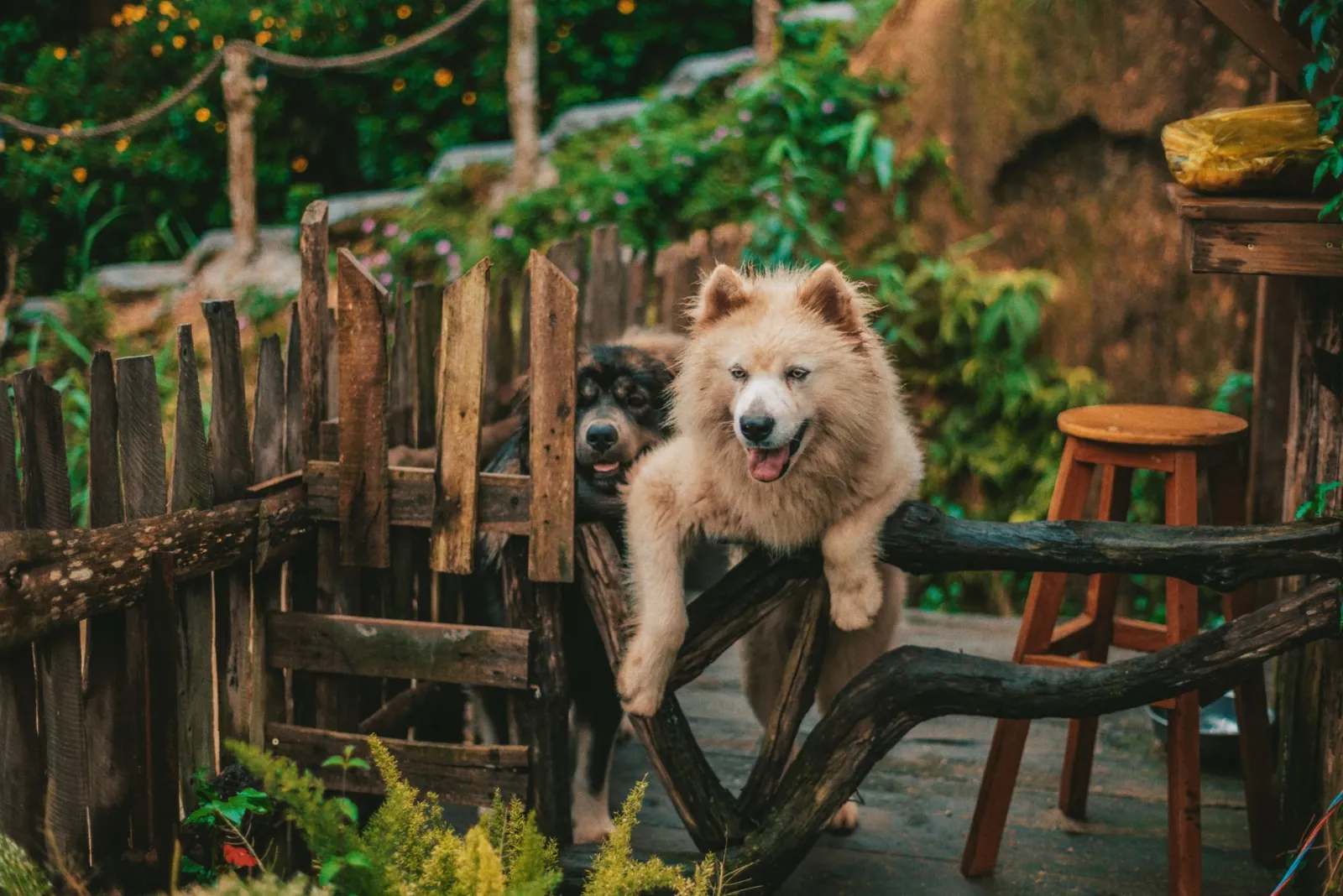
When you are shopping for budget garden furniture and you share your outdoor space with a dog or a cat, the priorities shift. A set that looks smart in the catalogue can quickly become a chew toy, a scratching post, or a tipping hazard. Before you focus on styling, think about how the furniture will survive everyday life with an animal in the garden, and let that shape what you are willing to compromise on.
Start with materials and how they react to claws and teeth. Wicker-style weave is common in affordable ranges, but loose synthetic weave can be picked apart, and natural rattan is not a sensible choice around animals that like to chew. Smooth metal frames and solid timber tend to hold up better, provided there are no sharp edges or exposed fixings. Fabric cushions are the weakest point: removable, washable covers are far more practical than fixed upholstery, and darker or patterned fabrics hide muddy paw prints and loose hair much better than pale plain ones.
Stability matters as much as durability. A lightweight chair that slides or tips when a dog jumps up against it is a risk, so look for wider feet, a low centre of gravity, and frames that feel solid rather than hollow. Stacking chairs are convenient for storage but can be tippy on uneven grass; if your garden is not level, favour designs with broader bases. Anything with a glass tabletop deserves caution, since a heavy animal landing on it or knocking it is a genuine concern, and frosted or textured surfaces show scratches and nose marks far less than clear glass.
Think about how the furniture will be stored and cleaned. Budget pieces often rely on covers or indoor storage over winter, and a cover that traps damp can encourage mould, which is unpleasant for everyone. Choose furniture that can be wiped down quickly with a cloth, and avoid deep crevices where hair and dirt collect. If your pet spends a lot of time on the patio, a set you can hose off or brush down in a couple of minutes will stay presentable far longer than one that needs careful hand-cleaning.
Finally, match the set to how your pet actually uses the garden. A lounging cat that claims the sunniest chair needs a surface that will not snag, while an energetic dog that races around the lawn is more likely to collide with lightweight side tables and parasol bases. Keep the number of small, loose accessories to a minimum, and favour simpler, heavier pieces that stay where they are put. Spending a little more thought on these practical points at the buying stage will save you from replacing cheap furniture far sooner than you would like.
Choosing Pet-Friendly Materials for Patio Tables and Chairs
When you share a garden with an animal, the surface of your patio furniture matters as much as its shape. A table and chairs that look smart on a shop floor can quickly show scratches, muddy paw prints, or water marks once they are in daily use. The goal is to pick materials that tolerate claws, damp fur, and the occasional knocked-over water bowl without demanding constant upkeep. As a general rule, smooth, tightly finished surfaces are easier to wipe down than open-grained or woven ones, where dirt and hair can settle into the texture.
Metal frames are a sensible starting point for pet-heavy households. Powder-coated steel and aluminium resist scratching better than bare or painted finishes, because the coating is bonded to the metal rather than sitting on top of it. Look for frames with rounded or capped feet and joints without sharp edges, since a dog brushing past a table leg is less likely to catch a collar or lead on a smooth weld. The trade-off is weight: lighter aluminium sets are easy to move out of the way when the lawn needs cleaning, but they can slide on a patio when a pet jumps against them, so check that the feet have some grip.
For table tops, consider how easily they can be cleaned after a muddy afternoon. Tempered glass wipes clean quickly and shows dirt immediately, which helps you spot mess before it is trodden indoors, but it needs a frame that holds it firmly and it can be slippery under a wet paw. Solid surfaces and compact laminates are forgiving and hide light scratches, while slatted wooden tops let rain and spills drain away but can trap debris between the boards. If you choose wood, a sealed or oiled finish is easier to maintain than untreated timber, which can stain and splinter over time.
Seating deserves the same scrutiny. Cushions with removable, machine-washable covers make a real difference when a pet claims a chair as its own, and tightly woven or smooth synthetic fabrics shed hair more readily than loose weaves. Frames with solid backs and arms give a dog less opportunity to push a cushion through gaps. Where space allows, a stackable or folding design lets you store chairs out of reach when the garden is empty, reducing the chance of claws and teeth finding them.
Finally, think about stability and weight. A table with a wide base or weighted feet is harder to tip if a pet runs into it, and chairs that sit flat rather than rocking are safer on uneven paving. Matching the material to your pet’s habits, rather than to a single style, keeps the set usable for longer and cuts down on replacement costs.
How to Set Up a Garden Seating Area That Works for Dogs and Cats
Setting up a garden seating area that works for both people and pets comes down to layout and material choices rather than expensive additions. Start by thinking about circulation: dogs, in particular, tend to run the perimeter of a garden, so leaving a clear path around the seating zone reduces the chance of them crashing through chairs or knocking over a small table. A simple arrangement where the seating sits toward one side of a patio, with an open route around it, tends to work better than a cluster placed in the middle of the lawn. Cats, by contrast, often prefer edges and corners where they can sit partly hidden, so a bench against a wall or a chair tucked beside a planter gives them a natural vantage point.
Surface choice matters as much as layout. Loose gravel and small decorative stones are uncomfortable underfoot for pets and easy to scatter, while smooth paving or decking is easier to keep clean and kinder on paws. If the seating area sits on grass, expect wear in the traffic lanes where animals repeatedly cross; positioning furniture so the main routes fall on hard surfaces preserves the lawn for longer. For the furniture itself, low-maintenance materials that wipe clean are the practical choice, since muddy paws, shed fur and the occasional accident will all land on seats and table legs sooner or later.
Stability is the detail most often overlooked. Lightweight chairs and small side tables tip easily when a dog jumps up or a cat leaps onto a seat, so favour pieces with a wide base and a bit of weight to them. Avoid glass-topped tables in a pet household; a sturdy top that won’t shatter is a safer bet. Cushions should be removable and washable, and it helps to have somewhere dry to store them, because damp cushions left out become a magnet for muddy paws and pet hair.
Give pets their own zone within the seating area rather than expecting them to share yours. A shaded corner with a bed or a blanket, positioned slightly apart from the main chairs, gives a dog somewhere to settle while people eat or talk, and reduces begging and jumping up. Cats appreciate a raised spot, such as a sturdy bench or a low wall, where they can watch the garden from a height. Keeping a water bowl in a fixed spot nearby is a small addition that keeps animals from wandering through the seating area looking for a drink.
Finally, think about boundaries and shade. A low fence, a planter row or a trellis can separate the seating zone from a digging or toileting area without blocking the view, and it stops pets from treating the patio as an extension of their run. Shade matters in summer for animals that will nap outdoors for hours, so position at least part of the seating under a parasol, pergola or tree canopy. The aim is a space where furniture stays upright, surfaces stay clean and pets have a reason to settle nearby rather than underfoot.
Weatherproofing Affordable Outdoor Furniture for Year-Round Use
Affordable garden furniture rarely fails because of a single dramatic event; it degrades gradually through repeated exposure to rain, sun, and temperature swings. The materials commonly found at budget price points each respond differently, and understanding those differences is what allows you to protect a set through every season rather than replacing it after a year or two.
Wood is the most forgiving material to weatherproof, but only if you stay ahead of it. Budget hardwood and softwood pieces typically ship with a thin factory finish that wears away within a season or two of regular rain. A penetrating oil applied before winter, and again in spring, keeps water from soaking into the grain and reduces cracking and splitting. Pay attention to end grain on legs and armrests, which absorbs moisture fastest. If a piece already shows grey, dry patches, a light sanding before re-oiling restores the surface. Left untreated, budget wood tends to develop joint movement and surface splits well before the structure itself gives way.
Metal frames, whether steel or aluminium, need attention at joints and welds rather than across flat surfaces. Budget steel furniture is usually powder-coated, and the coating chips first at contact points where chairs meet tables or where legs scrape paving. A small touch-up of exposed metal stops rust from spreading underneath the coating. Aluminium resists rust but can still corrode in coastal air, so rinsing salt residue off after storms extends its life considerably. Folding mechanisms and bolts benefit from occasional lubrication, since seized hinges are a common reason cheap metal sets get retired early.
Resin and plastic furniture is the lowest-maintenance option but not maintenance-free. UV exposure dulls colour and makes the material brittle over successive summers, and dirt trapped in textured surfaces holds moisture against the frame. A wash with mild soap and a soft brush at the end of the season removes the grime that accelerates this. Hollow or lightweight resin pieces should be stored or weighted down through winter winds, as repeated flexing in storms weakens the structure.
Cushions and fabric are where most pet-owning households lose the battle. Even budget cushions described as shower-resistant will soak through seams in sustained rain, and damp fabric against a frame encourages mould. The practical routine is to bring cushions indoors whenever rain is forecast for more than a day, and to let them dry fully in air before storing. For households with dogs, removable, machine-washable covers are worth prioritising over thicker fixed cushions, since muddy paws and occasional accidents are easier to manage when the cover can simply be washed.
Finally, storage and placement do as much work as any treatment. A cover that traps condensation can be worse than no cover at all, so choose breathable covers and secure them tightly against wind. Positioning furniture away from lawn sprinklers, overhanging trees that drop sap and debris, and permanently damp ground extends its usable life noticeably. A set treated this way will typically last several seasons longer than the same set left out untreated.
Cleaning and Maintaining Garden Furniture Around Shedding Pets
Shedding pets change the maintenance rhythm of any garden furniture set, and the practical response is to clean more often but more gently, rather than scrubbing harder once the mess has built up. Loose hair works its way into every texture: it clings to woven resin and rattan, settles into the seams of cushions, and mats into the fabric of sling seats. A quick pass with a soft brush or a rubber-headed pet hair tool before the hair is pressed in by sitting will remove most of it, and doing this little and often is far easier than trying to lift embedded fur later. For hard frames, a dry microfibre cloth picks up hair well because the fibres grip it rather than pushing it around.
Cushions and seat pads deserve the most attention, because fabric is where pet hair, dander and odour collect. Removable covers should be brushed down outdoors before washing, so loose hair goes outside rather than into the machine or the drain. Where covers are not removable, a vacuum with an upholstery attachment on a low setting lifts surface hair without distorting the fabric, and a slightly damp cloth run in one direction gathers the remainder. Textured weaves hold hair more stubbornly than smooth ones, so expect to spend more time on woven seats than on flat sling or metal designs.
Washing hard surfaces needs a different approach when pets are around. Mild soapy water and a soft cloth are enough for most frames, followed by a rinse and a thorough dry, since damp corners and hollow sections are where mould and lingering odour develop. Avoid harsh chemical cleaners on any surface a pet licks or brushes against, and rinse residues away rather than leaving them to dry on the frame. Pay particular attention to the underside of tables and the lower legs, where hair and dirt collect out of sight and where a pet’s coat brushes constantly.
Underneath and around the furniture matters as much as the surfaces. Hair accumulates in the gaps between paving slabs, under table bases and along the edges of decking, and it holds moisture that keeps the whole area smelling of damp pet. A stiff outdoor broom used regularly, plus a rinse of the surrounding hard standing, keeps the setting fresher and reduces how much hair is tracked back onto the seats. Storing cushions in a dry box when the set is not in use limits how much hair and dander they collect between uses.
Finally, build the cleaning into a routine tied to shedding rather than to the calendar. During heavy shedding periods, a brush-down every few days keeps on top of the problem; in quieter months, a weekly wipe and a monthly deeper clean of covers and frames is usually sufficient. The goal is to keep hair from becoming embedded, because surface hair is quick to remove while matted hair in seams and weaves takes far longer to shift.
Safe Spacing and Layout Tips for Pet-Friendly Patios
The way you arrange a patio determines how easily a pet can move through it without knocking into furniture or getting trapped in tight corners. As a general rule, leave a clear walking path around the main seating area rather than pushing chairs and tables flush against walls or fences. A path wide enough for a person to pass comfortably while carrying a tray also gives a nervous or excited animal room to slip past without squeezing between legs and table supports. Think of the layout in zones: a dining or lounging zone, a circulation zone around it, and a buffer zone near any boundary such as a fence, hedge, or door.
The buffer zone matters most for pets that patrol or pace. If furniture sits directly against a fence line, an animal moving along the perimeter has to detour through the seating area, which invites collisions with chair legs and planters. Pulling the furniture inward slightly creates a continuous edge that a pet can follow without obstruction. The same logic applies at doorways: keep the immediate area in front of a garden door or gate free of small pots, footstools, and side tables so a pet entering or exiting at speed has a clear run.
Grouping furniture into a single cluster rather than scattering pieces across the patio reduces the number of narrow gaps a pet might try to force through. A compact arrangement of a table with chairs tucked in leaves open floor space that is easy to supervise, while widely spaced individual chairs create a maze of pinch points. Where you do want separate seating, orient it along the edges of the patio and keep the centre open, so the middle of the space remains a clear, visible area where you can watch a pet at a glance.
Weight and stability deserve attention in the layout too. Lightweight side tables, folding chairs, and small stools are easily toppled by a dog brushing past or a cat leaping onto them, and a fallen item can startle an animal or block a route. Position the sturdiest, heaviest pieces where traffic is heaviest and reserve lighter items for corners or against walls. Keep anything that could tip within easy reach rather than at the far end of the patio, so a wobble is simple to correct.
Finally, plan the layout around sightlines. Being able to see the whole patio from your usual seat, or from the doorway, makes it far easier to notice a pet investigating something it shouldn’t or settling somewhere inconvenient. Avoid creating hidden pockets behind large planters or between furniture and walls where an animal can disappear from view. A layout that reads clearly from a single vantage point is simpler to manage day to day and easier to adjust as a pet’s habits change.
Storage Ideas for Garden Furniture in Small Homes
For pet owners in smaller homes, the real challenge with garden furniture is often not buying it but putting it away. Cushions, folded chairs, and a pet’s outdoor gear all compete for the same limited space, and leaving items out invites chewing, scratching, and muddy paw prints. The most workable approach is to treat storage as part of how you choose and arrange the furniture, not as an afterthought once everything is already cluttering the patio.
Start by matching storage to how the furniture folds or stacks. Chairs that collapse flat and tables with removable or folding tops take up far less room than fixed-frame sets, and they can be tucked into a narrow gap beside a shed, behind a door, or under a bench. Look for pieces described as stackable or foldable, since these are the ones that actually free up floor space in a compact garden or balcony. A simple rule of thumb: if a set cannot be folded or nested, it needs a dedicated footprint you must plan for in advance.
Weatherproof storage boxes double as pet-proof furniture. A sturdy, lidded box placed against a wall keeps cushions and small tools dry while keeping them out of reach of curious dogs and cats. Choose one with a secure, close-fitting lid and a height that suits your space; a low box can also serve as a seat or a step. For pet owners, the key criteria are a lid that stays shut, a material that will not absorb moisture, and a smooth interior that is easy to wipe clean of hair and dirt.
Vertical and overhead space is often overlooked. Wall-mounted hooks and brackets hold folded chairs and lightweight tables off the ground, which keeps them clear of damp grass and away from pets marking their territory. A shelf above head height, or the space under a raised deck or bench, can hold folded items in lidded containers. The aim is to get things off the floor and out of the reach zone, so a dog cannot knock a stack over or drag a cushion across the lawn.
For very small homes, a single multi-purpose unit often works better than several separate ones. A bench with built-in storage, or a compact box that doubles as a side table, consolidates what would otherwise be scattered items. Keep the most-used pieces, such as a folding chair and a cushion, in the easiest-to-reach spot, and store seasonal or rarely used items higher up or further back. This layered approach means everyday tidying stays quick, which matters when pets are in and out of the garden throughout the day.
Mixing Budget Garden Furniture with Pet Accessories
Bringing pet accessories into a garden furnished with budget pieces works best when the two are treated as one layout rather than two separate shopping lists. The aim is to give the pet a defined place to rest, drink and move without forcing the furniture to absorb damage it was never designed for. A few practical principles make the difference between a garden that stays usable and one that slowly turns into a chew zone.
Start with placement. Budget garden furniture tends to have lighter frames and thinner cushions, so it benefits from being grouped away from the busiest pet routes. Put seating and tables on a patio or deck where the surface is firm and easy to sweep, and keep the lawn side for the pet. A simple, low-cost way to separate the two is a run of planters or a short decorative fence line; it costs little, needs no fixing, and quietly steers the dog away from chair legs. Where space is tight, angle the seating so the table sits between the pet’s resting spot and the furniture, giving a natural buffer.
Choose pet accessories that match the furniture’s material and weight class. Lightweight plastic or resin furniture pairs well with a raised pet bed that keeps the animal off damp ground and away from chair cushions. Metal-framed sets tolerate a clipped lead anchored to a ground stake far better than hollow tubular frames, which can bend if a lead is tied to them. Water bowls belong on a stable, flat base rather than on grass, where they tip and soak the ground; a shallow tray underneath catches splashes and protects wooden legs nearby. For shade, a pet-specific canopy or a lightweight parasol positioned over the pet’s area keeps the animal off the furniture itself during hot afternoons.
Storage is where mixing the two really pays off. A small weatherproof box near the seating holds leads, toys and a towel, so wet or muddy accessories never end up on cushions. Keep cushions in a lidded store when not in use, since loose fabric is the first thing most pets investigate. If the garden is shared with cats, a covered litter area placed well away from seating keeps the two zones distinct without extra furniture.
Finally, think in terms of use cases. A household with a large, energetic dog needs heavier, lower furniture and a robust tie-out point set into the ground, not clipped to a chair. A household with an older or smaller pet benefits from a ramp or low step up to a raised bed and clear, unobstructed paths between the door, the water bowl and the shade. Budget furniture is forgiving here because it is easy to move; rearranging a chair or two to open a route costs nothing and prevents the pet from squeezing past table legs. The guiding rule is simple: let the pet’s needs set the layout, then place the furniture around it, rather than the reverse.
Durability Checks Before You Buy Outdoor Seating
Before you commit to any outdoor seating, look past the cushion colour and focus on how the piece is actually put together. Start with the frame material, because this determines how the furniture will age outdoors. Metal frames should feel reassuringly heavy for their size; a hollow, tinny tube that flexes when you press it will likely dent or buckle under a pet leaning against it. Look closely at joints and welds for smooth, continuous seams rather than rough spots or gaps where moisture can collect and rust can start. On wooden seating, check that slats are sanded and sealed on all faces, including the undersides and edges, since untreated end grain is where cracking and rot typically begin.
Hardware is a small detail that reveals overall build quality. Nuts, bolts and screws should be recessed or capped so they don’t snag claws or catch on a lead. Give a chair or bench a gentle rock and listen: creaks and wobbles at the leg-to-seat connection suggest loose or undersized fixings that will only worsen with use. If the piece folds or reclines, work the mechanism a few times to confirm it locks firmly and doesn’t pinch. For pet households, stability matters as much as strength, so favour wider feet and lower centres of gravity over tall, narrow designs that tip when a dog jumps up.
Fabric and cushioning deserve their own scrutiny. Removable, washable covers are a practical advantage when muddy paws and accidents happen. Feel the weave: a tight, dense fabric resists snagging from claws far better than a loose, open one that pulls threads easily. Check whether cushions have ties or grip bases to stop them sliding, and whether covers can be unzipped and laundered. Quick-drying, water-resistant materials suit British gardens where rain arrives without warning, while deep foam that holds water is best avoided unless covers come off easily.
Finally, think about the surfaces your pet will contact. Woven and rattan-style seats should have no loose strands or sharp cut ends that a claw could catch on. Painted or powder-coated finishes should look even, with no flaking at edges, since chipped coatings expose the material beneath to the weather. If the furniture will sit on a patio or lawn year-round, consider how it handles damp ground and whether feet are protected. A few minutes spent testing weight, joints and finishes at the point of purchase will tell you more about longevity than any label.
Creating a Shaded Relaxation Corner for You and Your Pets
A shaded relaxation corner works best when it is planned around the movement of the sun rather than around a fixed spot. Watch where shadow falls in your garden across a full day before placing anything: a corner that is pleasant at noon may be fully exposed by late afternoon. Deciduous trees and pergolas with slatted roofs are useful because they cast dappled shade that shifts gradually, while solid parasols and sail shades give denser cover but need repositioning as the sun moves. For pets, dappled shade is often more comfortable than deep, uniform shadow, since it lets them choose between warmer and cooler patches without leaving the area.
Ground cover matters as much as the overhead structure. Grass stays noticeably cooler than paving or decking, which can become uncomfortably hot underfoot on bright days, so a shaded patch of lawn or a layer of mulch beneath seating gives pets a naturally cooler surface to lie on. If your corner sits on hard landscaping, a low wooden platform or a thick outdoor rug softens the surface and reduces heat build-up. Leave a clear, uncluttered strip of ground at the edge of the shade so an animal can stretch out fully without pressing against furniture legs or plant pots.
Furniture choice should favour low, stable pieces with rounded edges and no sharp corners at pet height. A compact bistro set or a low bench with a small side table keeps the footprint tight and leaves floor space free for a water bowl and a bed. Avoid glass-topped tables in a pet corner, as they are slippery and vulnerable to claws and wagging tails, and choose cushions with removable, washable covers in a tight-weave fabric that resists dirt and hair. Position seating so there is a clear sightline to the rest of the garden, which lets you relax while still keeping an eye on animals moving around.
Planting can reinforce the comfort of the corner without adding cost or complexity. Tall grasses, ferns and shrubs with soft, non-spiky foliage placed at the back and sides create a sheltered, den-like feel that many pets gravitate towards, while also screening the corner from wind. Keep the immediate area free of plants with thorns, prickly leaves or trailing stems that tangle, and leave a gap between planting and seating so the space stays easy to sweep and clean.
Finally, treat the corner as a small, self-contained station. A water bowl kept in permanent shade, a folded towel or pet bed, and a hook for a lead make the spot genuinely usable rather than merely decorative. Check the shade at the hottest part of the day and adjust a parasol or sail if the cover has drifted, and clear fallen leaves and debris regularly so the surface underneath stays dry and cool.
Frequently asked questions
Is budget garden furniture sturdy enough for homes with large dogs?
It can be, but it depends on construction rather than price alone. Look for frames with solid joints, thicker legs, and weight-bearing designs instead of thin tubular sections. Check that chairs and tables feel stable when pushed and that fixings are metal rather than plastic. Budget sets vary widely in build quality, so inspect welds, screws, and feet before buying. For large dogs that lean or jump, sturdier frames and wider bases reduce the risk of tipping or collapse.
Which outdoor furniture materials are easiest to clean when pets shed or have accidents?
Metal, plastic, and resin furniture are generally the easiest to wipe down, since smooth surfaces don’t trap hair or absorb liquids. Textilene or woven synthetic seats rinse clean and dry quickly. Wood and wicker need more care because hair catches in grain and weaves, and accidents can soak in. Removable, washable cushion covers make any set easier to maintain. Whatever the material, a quick rinse and wipe after messes prevents staining and odour buildup.
How can I stop my dog from chewing on wooden garden chairs?
Remove the appeal rather than relying on punishment. Offer appropriate chew toys nearby so the chairs aren’t the only option, and keep the dog supervised outdoors until habits settle. Bitter-tasting pet deterrent sprays can be applied to wooden legs, though reapply after rain. Block access with a pen or closed gate when you can’t watch. Keeping chairs dry and free of food residue also helps, since lingering smells encourage investigation and chewing.
Are metal patio sets safe for cats that like to climb?
Metal sets are generally stable and smooth, so climbing cats have fewer places to snag claws, but safety depends on design. Choose tables and chairs with wide, weighted bases and avoid lightweight frames that tip when a cat jumps on. Check for sharp edges, exposed bolts, and gaps where paws or collars could catch. Smooth metal can be slippery, so cats may slide; that’s usually harmless. Anchor lightweight pieces or store them when not in use.
What is the best way to store garden furniture during winter in a pet-friendly home?
Clean and dry everything thoroughly before storage, since trapped food smells and pet hair attract animals and cause mould. Use breathable covers rather than sealed plastic so condensation can escape. Store cushions indoors, ideally in a dry cupboard pets can’t reach. If furniture stays outside, stack and cover it, and check regularly for nesting or chewing damage. Keep stored items away from pet sleeping areas and secure shed doors so animals can’t shelter inside frames.
Can I use pet-safe cleaning products on outdoor furniture?
Yes, provided the product suits the material. Mild soap and water is safe for most metal, plastic, and synthetic surfaces and is gentle around pets. Avoid bleach-heavy or solvent cleaners on surfaces pets lick or lie on, and rinse thoroughly after cleaning. For wood, use products intended for outdoor timber rather than general household cleaners. Let surfaces dry fully before pets return, and store cleaning bottles out of reach.
How do I keep pet hair off outdoor cushions and seating?
Choose cushions with removable, washable covers and smooth fabrics that release hair easily. Brush or vacuum seating regularly, and keep a lint roller or rubber glove handy for quick removal. A damp cloth lifts hair from hard surfaces like metal and plastic. Discourage pets from lying on cushions by offering a dedicated outdoor bed nearby. Storing cushions when not in use also stops hair, dirt, and damp from building up.
Should I choose stackable garden furniture if I have pets and limited space?
Stackable sets are practical with pets because you can lift chairs out of the way quickly, reducing chewing, scratching, and marking opportunities. They also free floor space for beds, bowls, and play. Check that stacked pieces are stable and that gaps don’t trap paws or tails. Store stacks under cover or indoors when possible, and clean between chairs where hair and debris collect. For small patios or balconies, stackable designs offer flexibility without sacrificing seating.
Read next :Rain Barrel Stand: How to Choose the Right One · Cathay Pacific: What Do You Need to Know? · Best Duvet Tog: A Practical Guide to Choosing the Right Warmth · Lawn Mowers for Sale Near Me: A Homeowner’s Buying Guide · Best Garden Centre Guide for Home and Pet Owners
Put it into practice : How do I clean mould off my garden furniture cushions?
Work out your own case in 30 seconds:
Methodology
This calculator produces an indicative estimate based on the parameters you enter. The ranges used reflect typical market tiers in the gardening space and are neither a commercial offer nor a guarantee. Prices and availability may vary.
Full guide :Garden & Balcony
More from this guide :
Was this guide helpful?
Share your experience with the WiseHomeGuides community.